Problem-Solving Skills Word Problems Worksheets for 3-Year-Olds - Page 2
37 filtered results
-
From - To
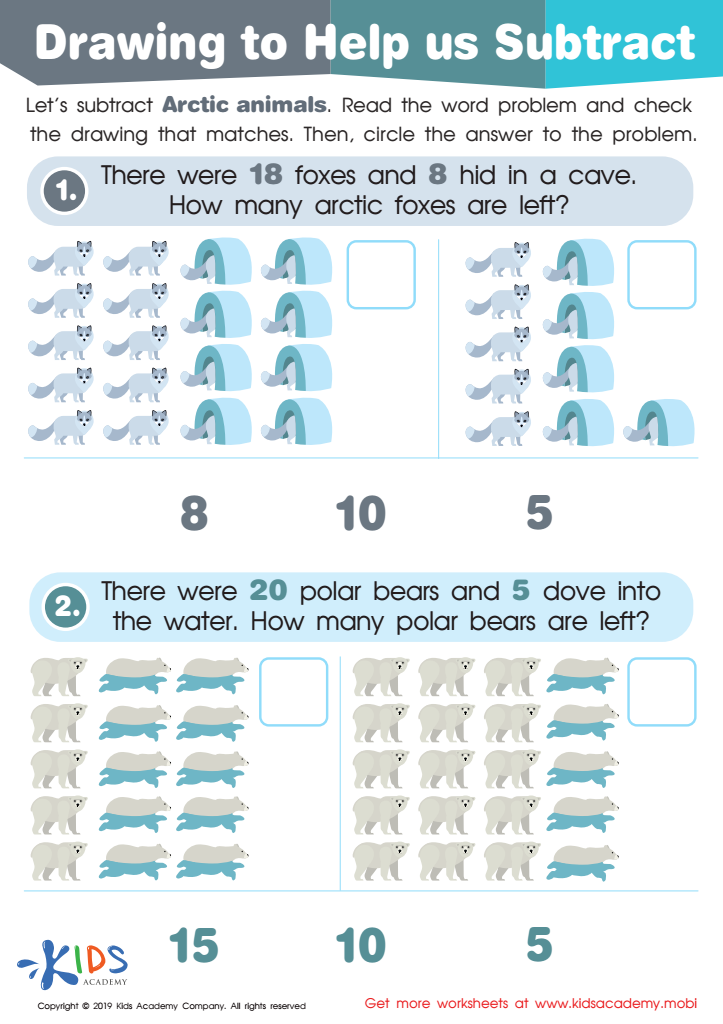
Drawing to Help Us Subtract Worksheet
 Assign to My Students
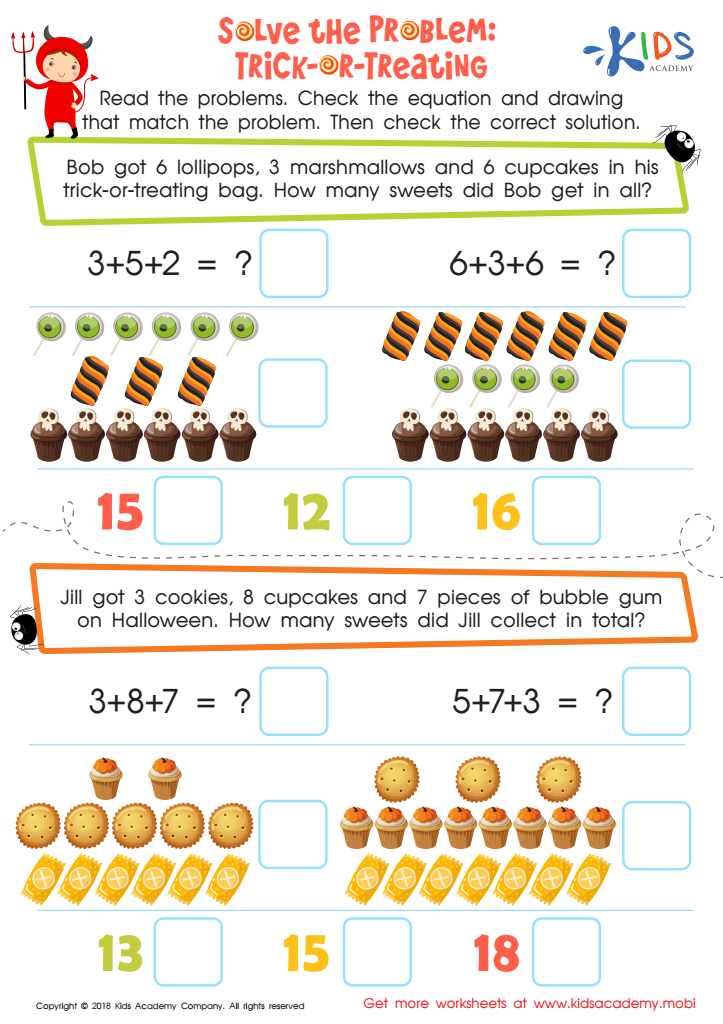
Solve the Problem: Trick–or–treating Worksheet
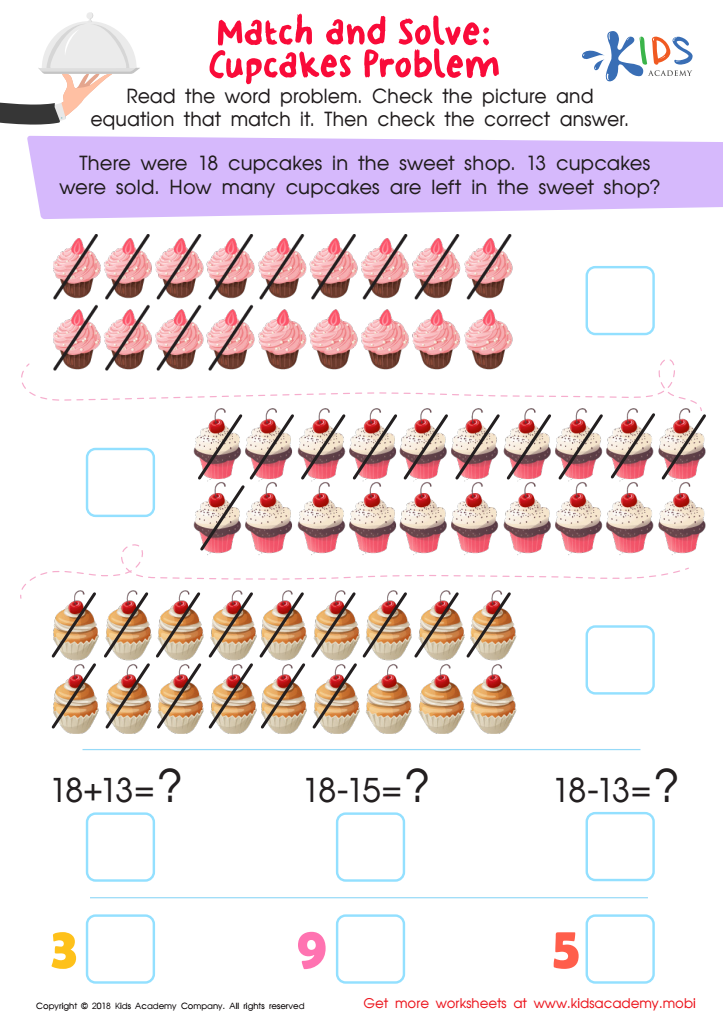
Match and Solve: Cupcakes Problem Worksheet
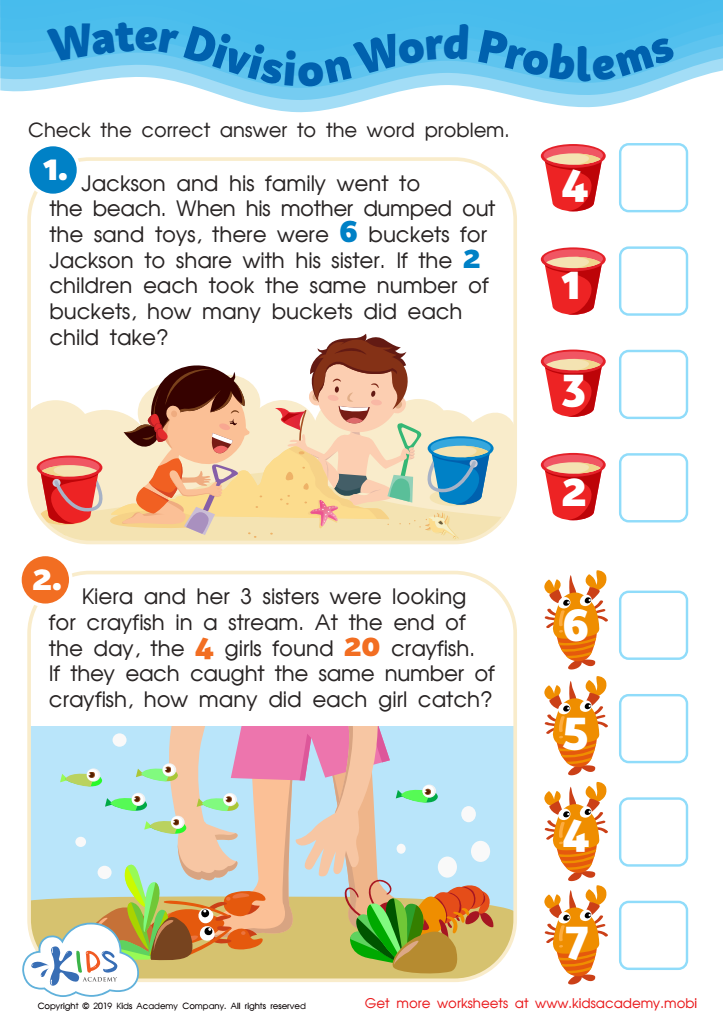
Water Division Word Problems Worksheet
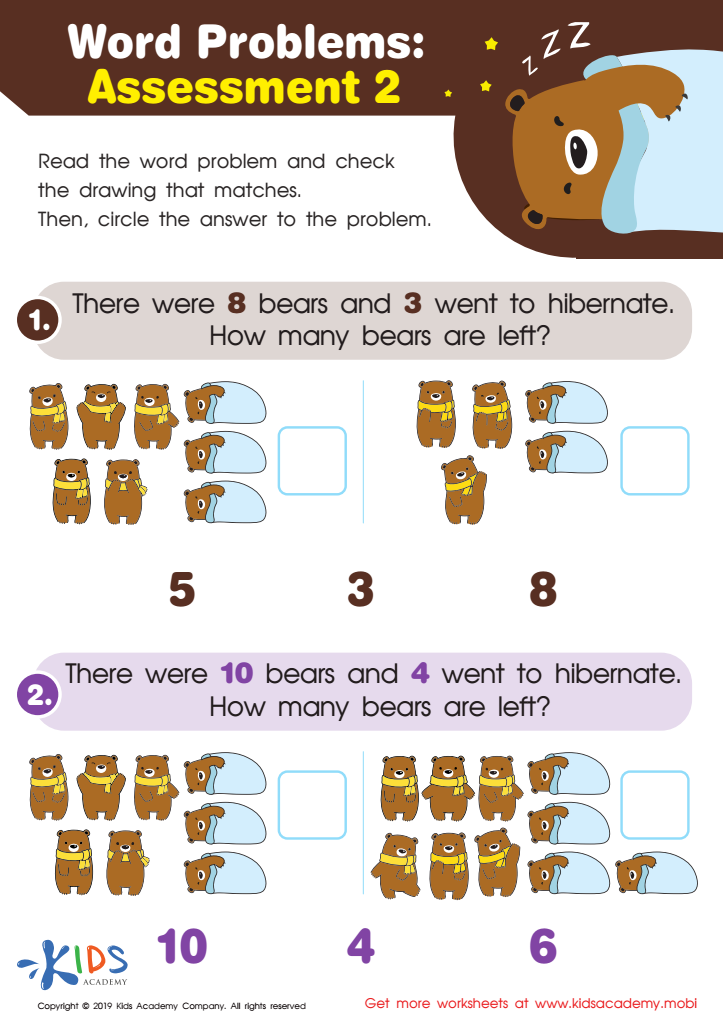
Word Problems: Assessment 2 Worksheet
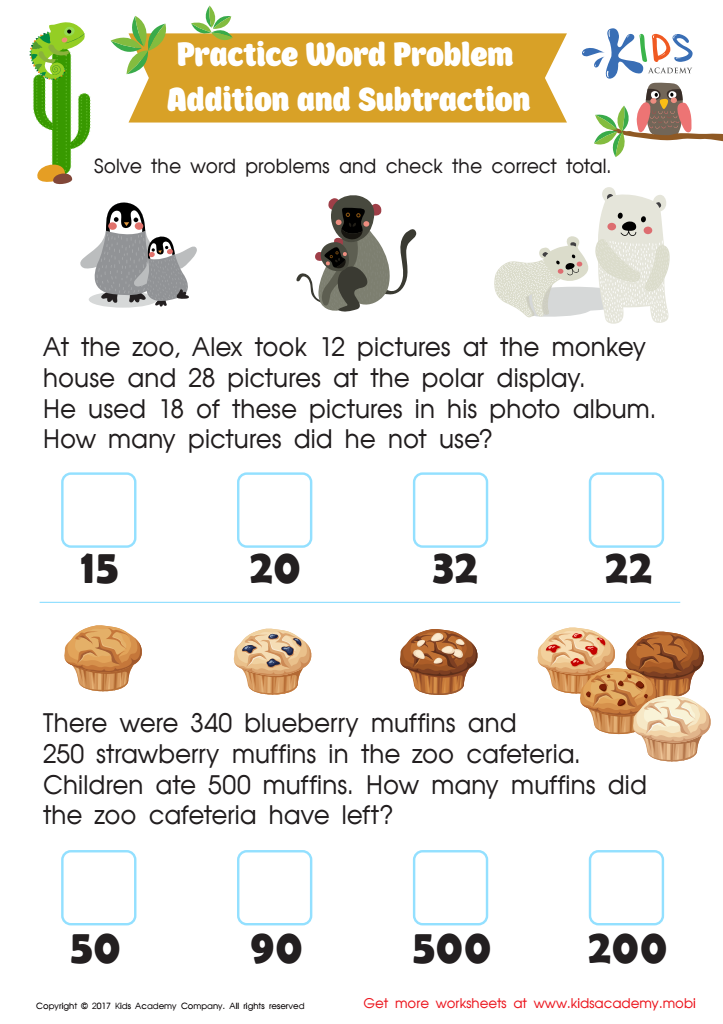
Addition and Subtraction: Word Problems Worksheet
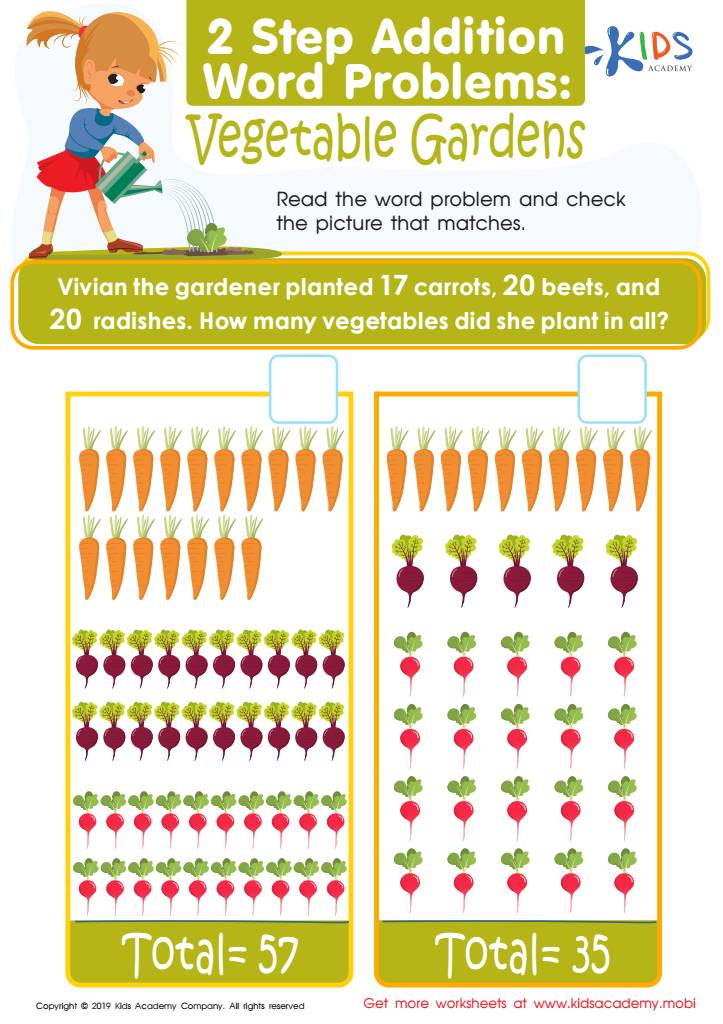
Vegetable Gardens Worksheet
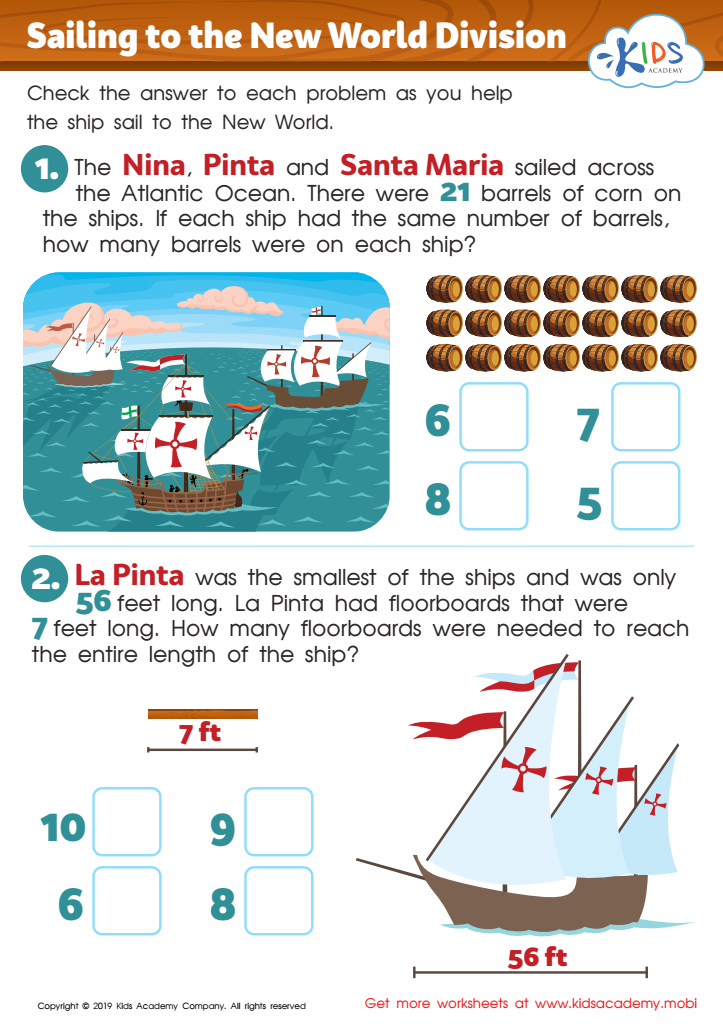
Sailing to the New World Division Worksheet
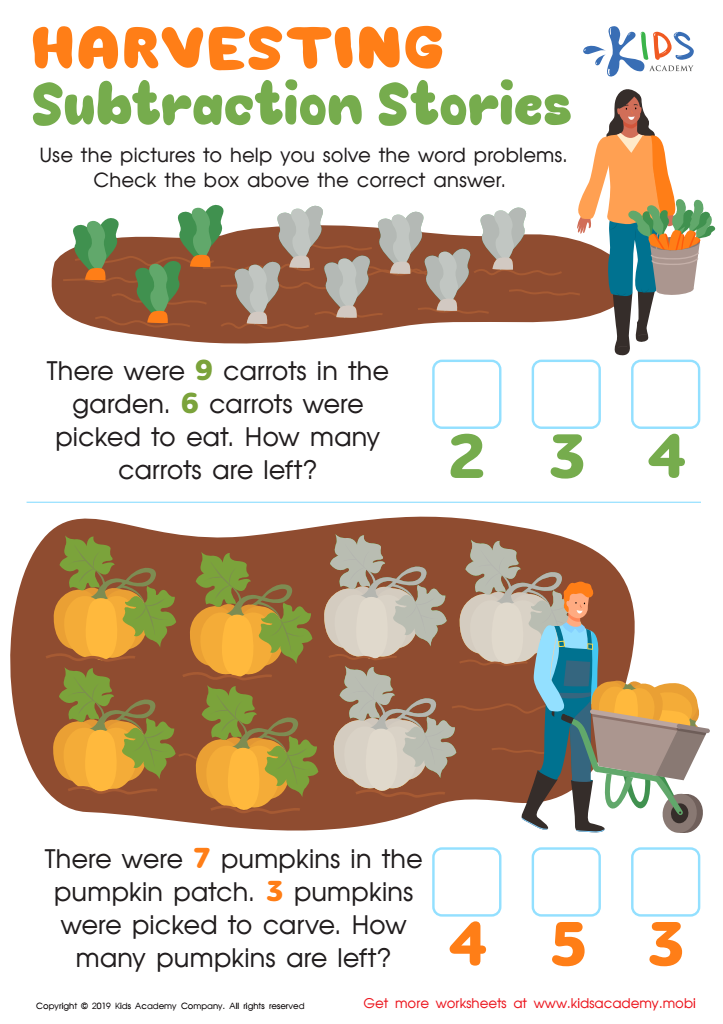
Harvesting Subtraction Stories Worksheet
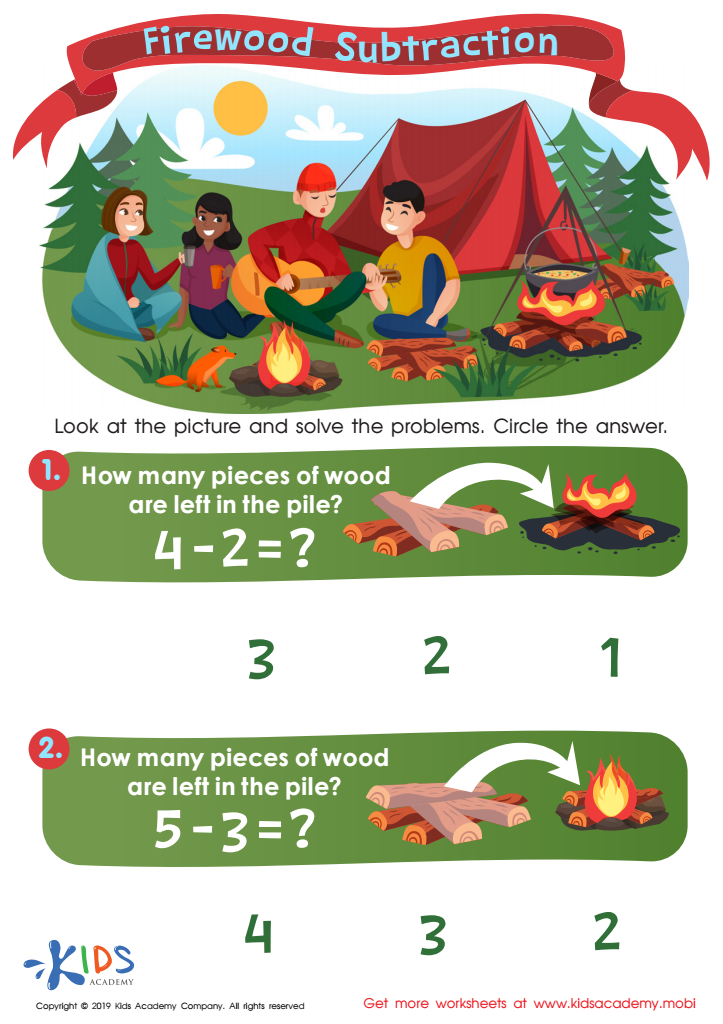
Firewood Subtraction Worksheet
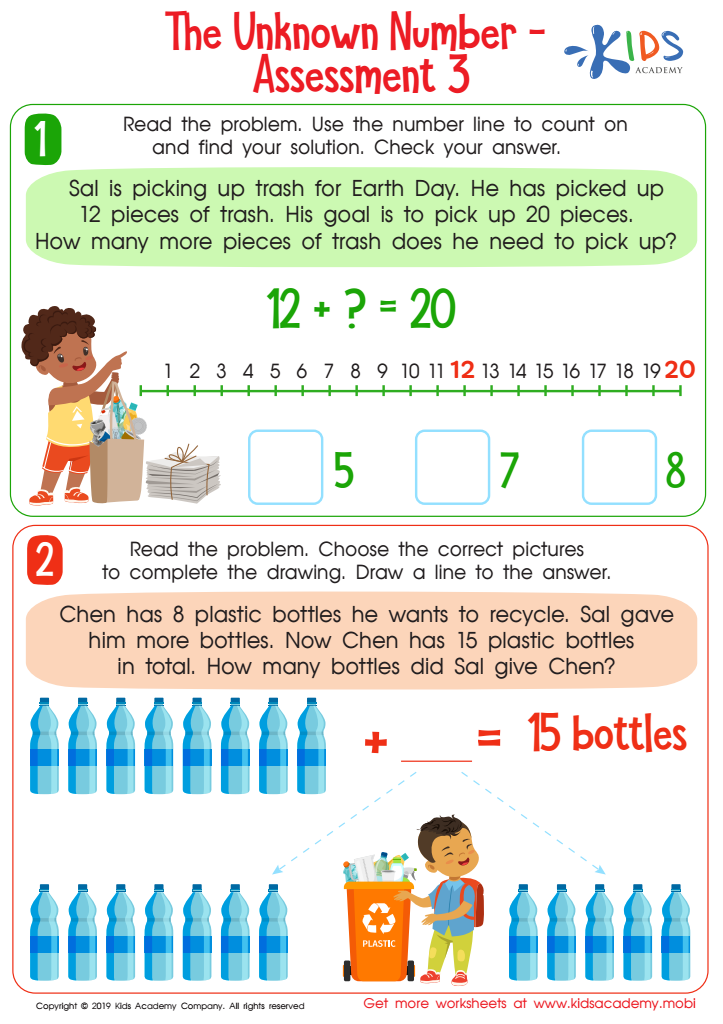
The Unknown Number - Assessment 3 Worksheet
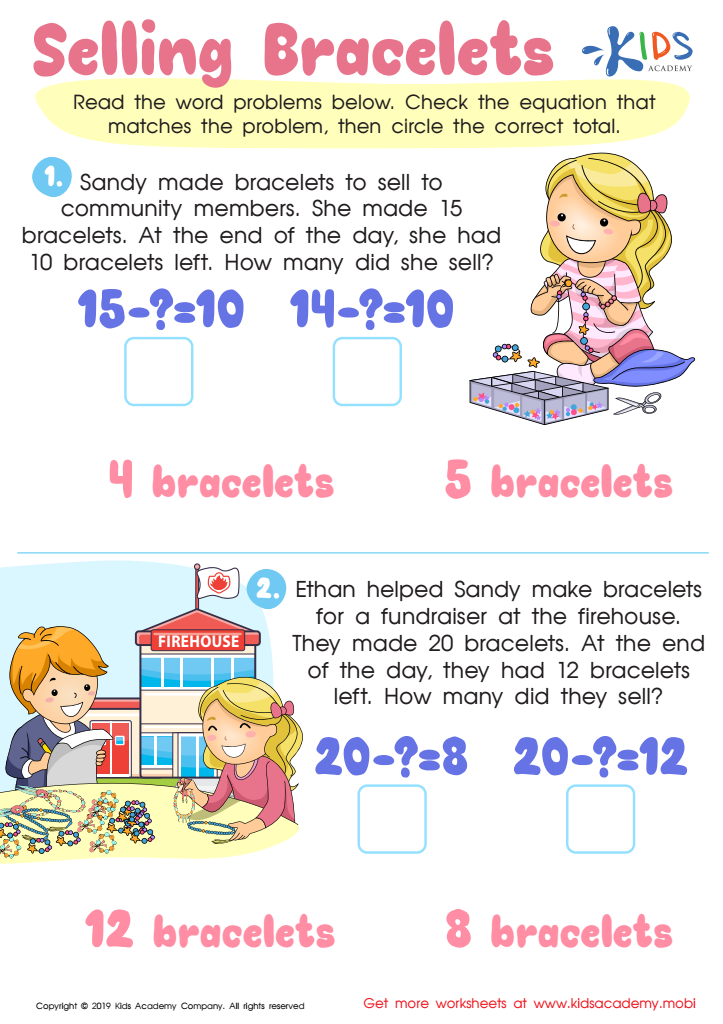
Selling the Bracelets Worksheet
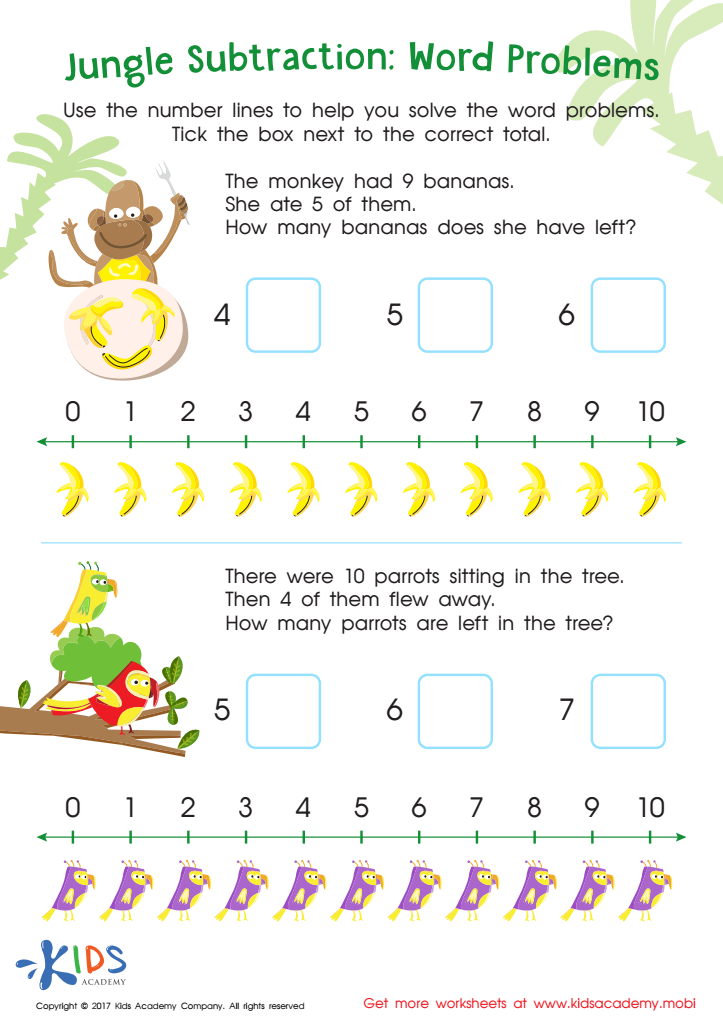
Jungle Subtraction Word Problems Substraction Worksheet








Teaching problem-solving skills through word problems to 3-year-olds is crucial for their cognitive development and foundational math skills. At this age, children's brains are highly receptive, making it an ideal time to introduce them to basic concepts of reasoning and critical thinking. Engaging with word problems helps develop language skills, as children learn to understand and articulate their thoughts about the scenarios presented.
By exposing toddlers to problem-solving activities, parents and teachers nurture curiosity and creativity. These skills encourage children to connect mathematical concepts with real-world situations, fostering a deeper understanding of numbers, shapes, and relationships. For instance, identifying how many apples are left after taking one away teaches subtraction in a tangible way.
Moreover, problem-solving empowers children to approach challenges with resilience and perseverance. They learn to experiment with various approaches to find solutions, laying the groundwork for lifelong learning. Watching children's excitement when they solve problems enhances their confidence and motivation. Therefore, investing time in teaching word problems is not just about math; it's an opportunity to support emotional and intellectual growth, setting the stage for success in school and beyond. By fostering problem-solving skills early on, parents and teachers cultivate proactive learners prepared to tackle future challenges.








