Problem-Solving Skills Building Vocabulary Worksheets for 3-Year-Olds
6 filtered results
-
From - To
Discover the perfect tool to boost your toddler’s cognitive development with our Problem-Solving Skills Building Vocabulary Worksheets for 3-Year-Olds! These engaging worksheets are designed to enhance your child's vocabulary while simultaneously teaching critical problem-solving skills. With fun activities and colorful illustrations, your child will enjoy learning new words and concepts. Tailored specifically for 3-year-olds, these worksheets create a seamless blend of education and entertainment, fostering early reading skills and cognitive growth. Make learning an exciting adventure with our expertly crafted resources tailored for your little learner’s success. Download now and start building a brighter future today!
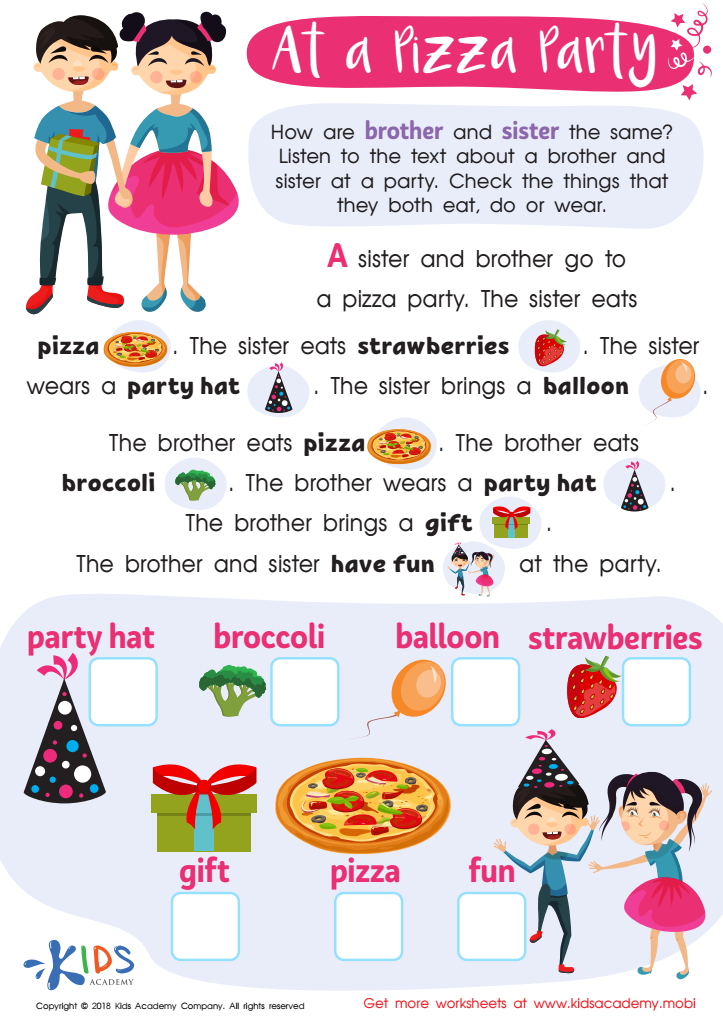
At a Pizza Party Worksheet
 Assign to My Students











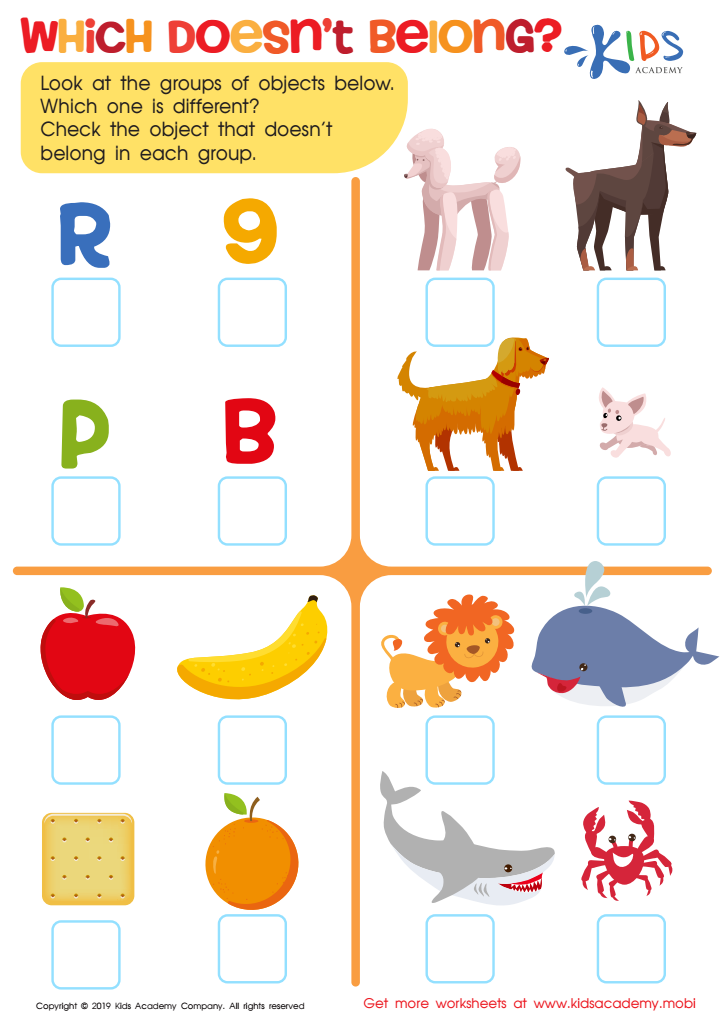
Which Doesn't Belong? Worksheet
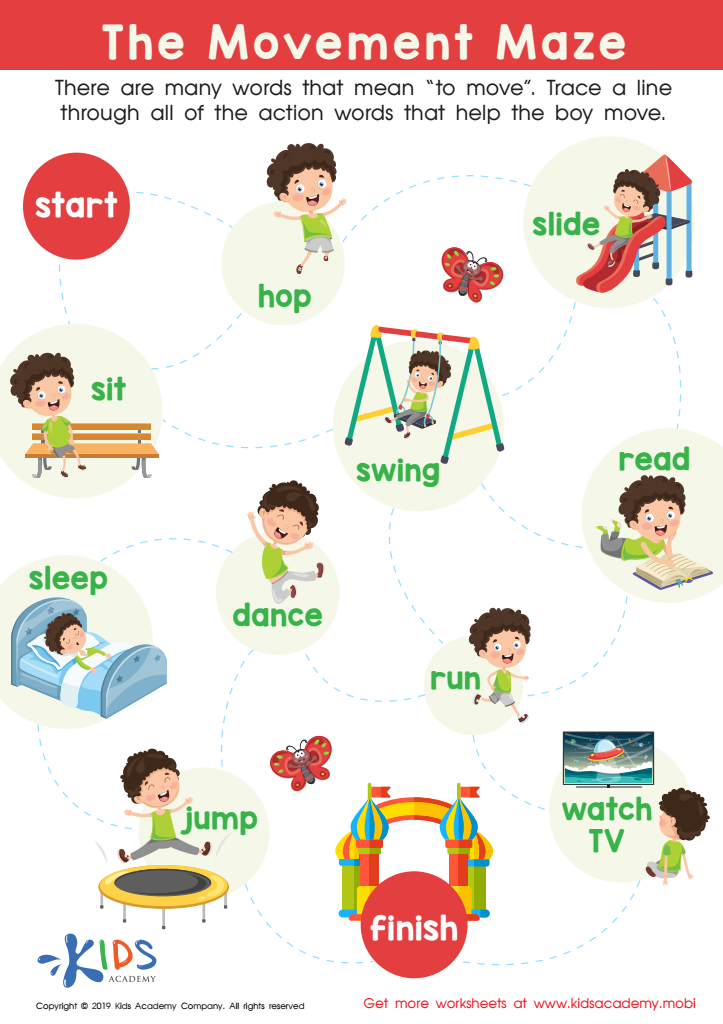
The Movement Maze Worksheet
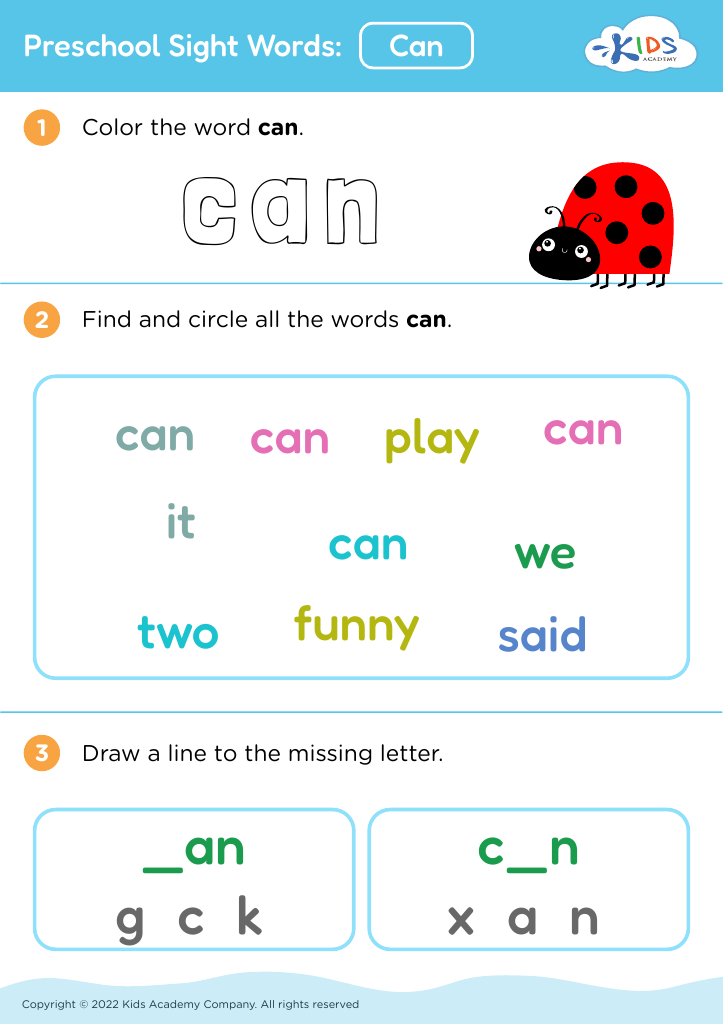
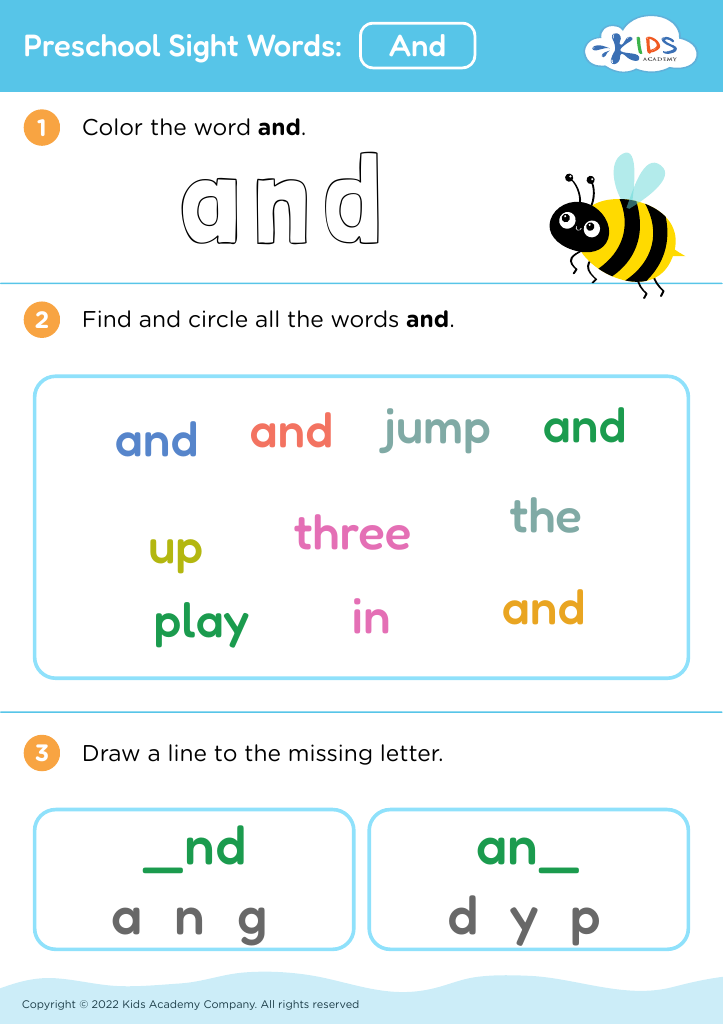







Parents and teachers should prioritize building problem-solving skills and vocabulary in 3-year-olds because these foundational abilities conveniently enhance cognitive development and enrich social-interactive capabilities. At this critical age, children's brains are highly receptive and rapidly developing. Problem-solving skills foster critical thinking, enabling young minds to navigate daily challenges, enhance creativity, and build confidence as they experiment, make mistakes, and learn from them.
Moreover, a rich vocabulary is indispensable for effective communication. The more words a child knows, the better they can express their thoughts, needs, and feelings. This not only reduces frustration but also enhances their ability to interact positively with peers and adults. Enhanced vocabulary also aids in early literary skills—crucial for future academic success—as children begin recognizing words and concepts in books, laying a strong foundation for reading and writing.
When parents and teachers intentionally engage in activities that build these skills, it accelerates mental faculties that are instrumental throughout life. Simple, fun activities like reading together, solving puzzles, asking open-ended questions, and engaging in pretend play can double as enjoyable learning experiences, making these educative efforts seamless in daily routines. Overall, investing in these skills at an early age paves the way for a child's adaptive, cognitive, and emotional growth.








