Fraction comparison Reading Worksheets for 3-Year-Olds
3 filtered results
-
From - To
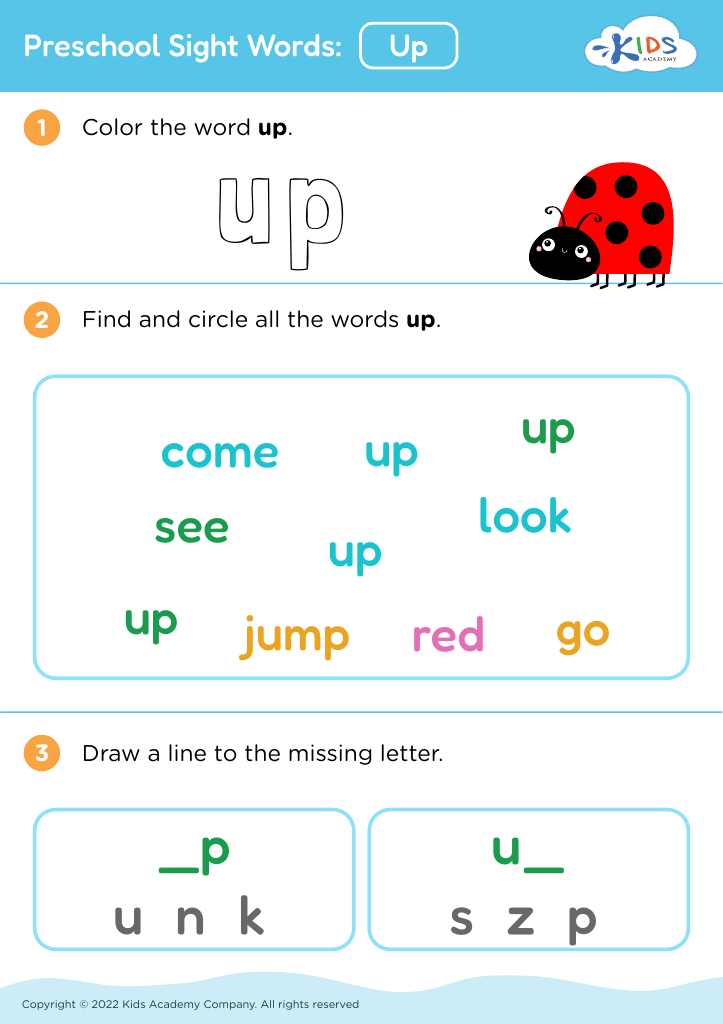
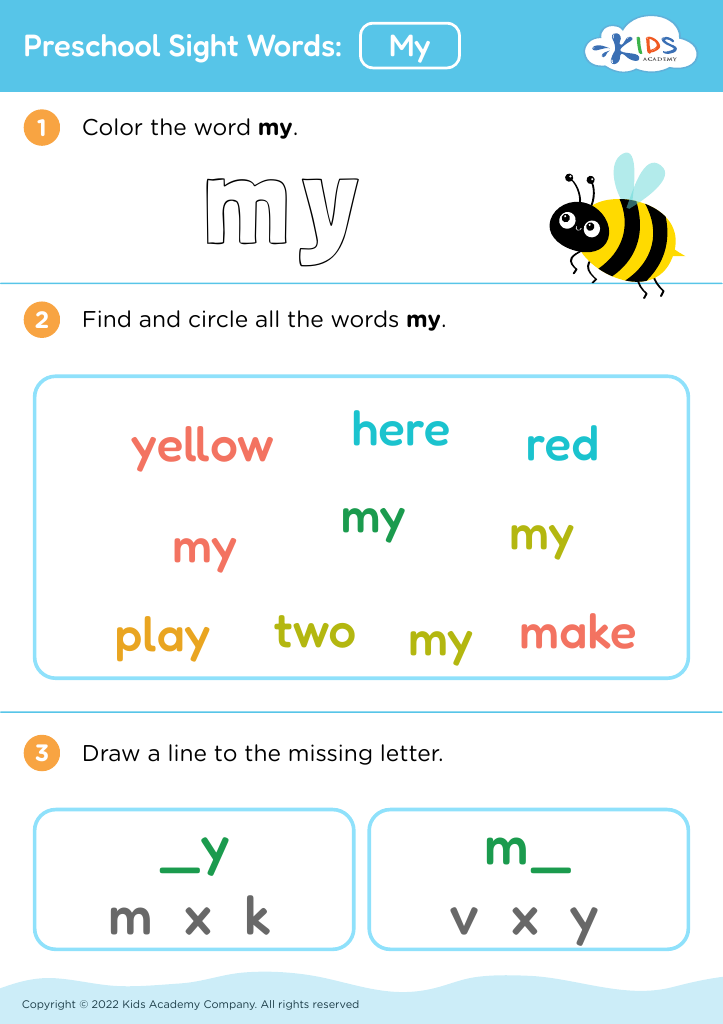
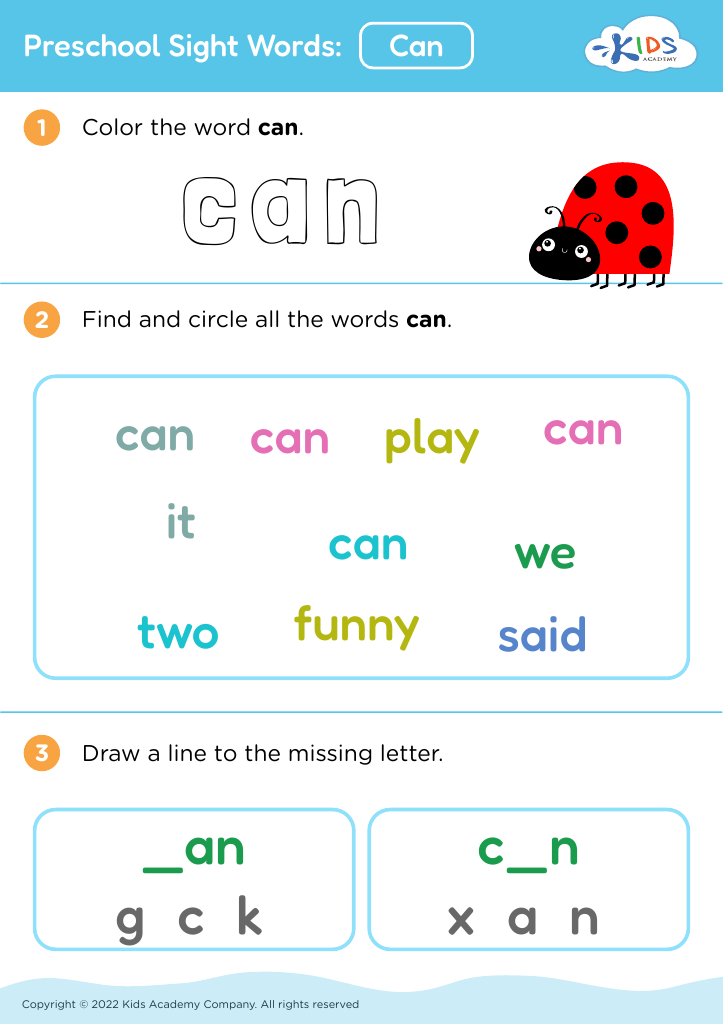
Discover our engaging Fraction Comparison Reading Worksheets designed specifically for 3-year-olds! These fun and interactive resources help young learners begin their journey into math and literacy by introducing basic fraction concepts through relatable visuals and simple activities. Your little one will enhance their reading skills while exploring ideas of "greater than," "less than," and "equal to." With bright colors and enjoyable themes, these worksheets make mastering fractions exciting! Perfect for home or classroom use, our materials promote a love for learning and build foundational skills. Start your child's mathematical adventure today with our captivating fraction comparison worksheets!




.jpg)



Introducing fraction comparison to 3-year-olds through reading is crucial for their early development in mathematics and literacy. At this age, children are naturally curious about patterns, shapes, and quantities. Engaging them with stories and visual representations of fractions lays the groundwork for mathematical thinking. Simple concepts, like dividing objects or sharing food, can be illustrated in a fun and relatable manner, enhancing their understanding of parts and wholes without the need for formal instruction.
Moreover, integrating literacy and math helps develop critical thinking and problem-solving skills. When children hear stories that include fraction comparisons—such as "half a pizza" versus "a quarter of a pie"—it piques their interest and invites them to visualize and relate to these concepts practically. This multi-sensory engagement is fundamental for fostering a love for learning and helping them articulate mathematical ideas later in life.
Additionally, early exposure to these ideas contributes to cognitive development. It encourages curiosity and promotes conversation, benefiting parents and teachers by facilitating rich interactions and observations about the child’s understanding. Ultimately, nurturing this knowledge through reading propels young learners toward a solid mathematical foundation, equipping them with skills for future academic success.








