Logical Reasoning Reading Worksheets for 3-Year-Olds
6 filtered results
-
From - To
Explore our engaging Logical Reasoning Reading Worksheets designed specifically for 3-year-olds! These worksheets provide a fun and interactive way for young learners to develop their critical thinking skills and enhance their reading abilities. Each activity encourages children to solve puzzles, identify patterns, and connect ideas, fostering their cognitive development. Our resources are colorful, age-appropriate, and easy to use at home or in the classroom, ensuring that learning remains enjoyable. By integrating logical reasoning into early literacy, you’ll help your child build a strong foundation for future academic success. Start enriching their educational journey today with our delightful worksheets!
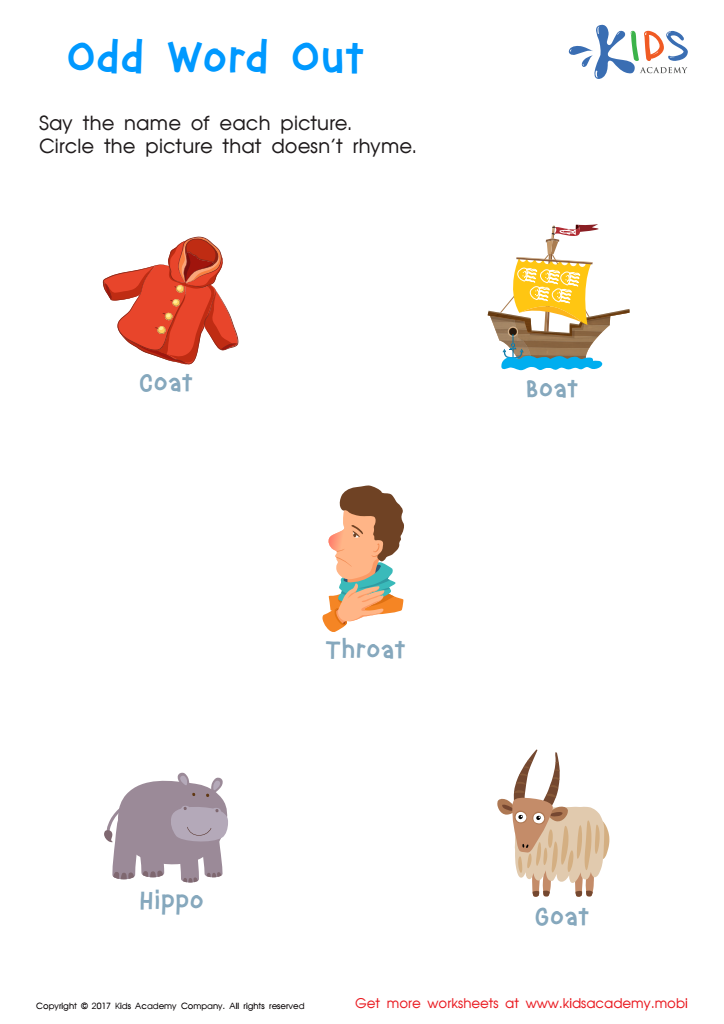
Odd Word Out Rhyming Worksheet
 Assign to My Students
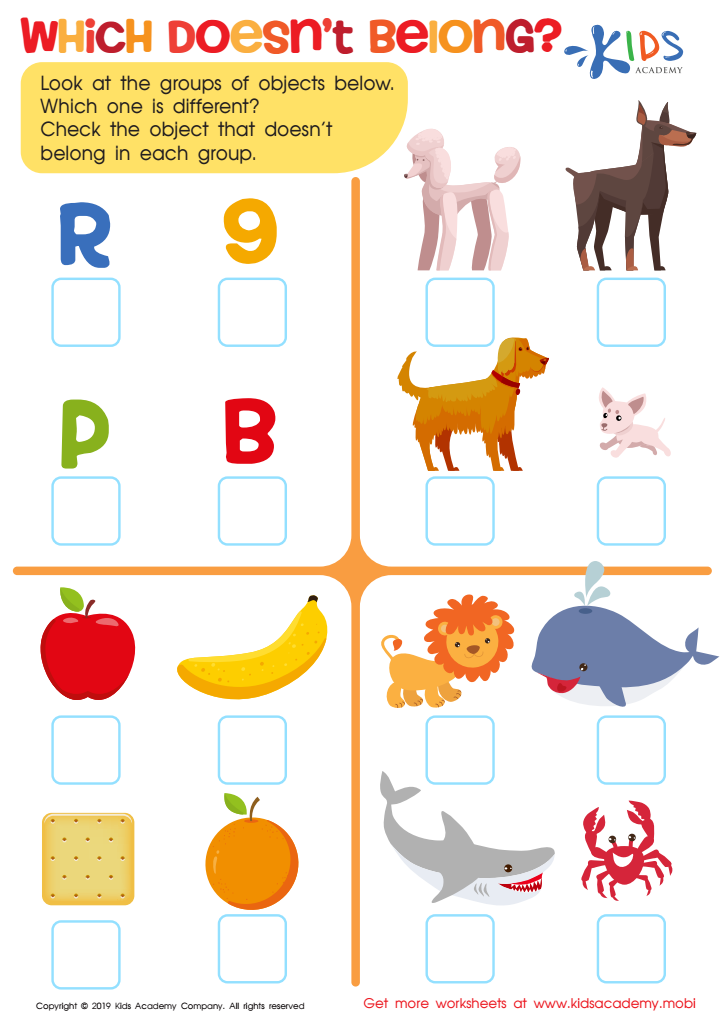
Which Doesn't Belong? Worksheet
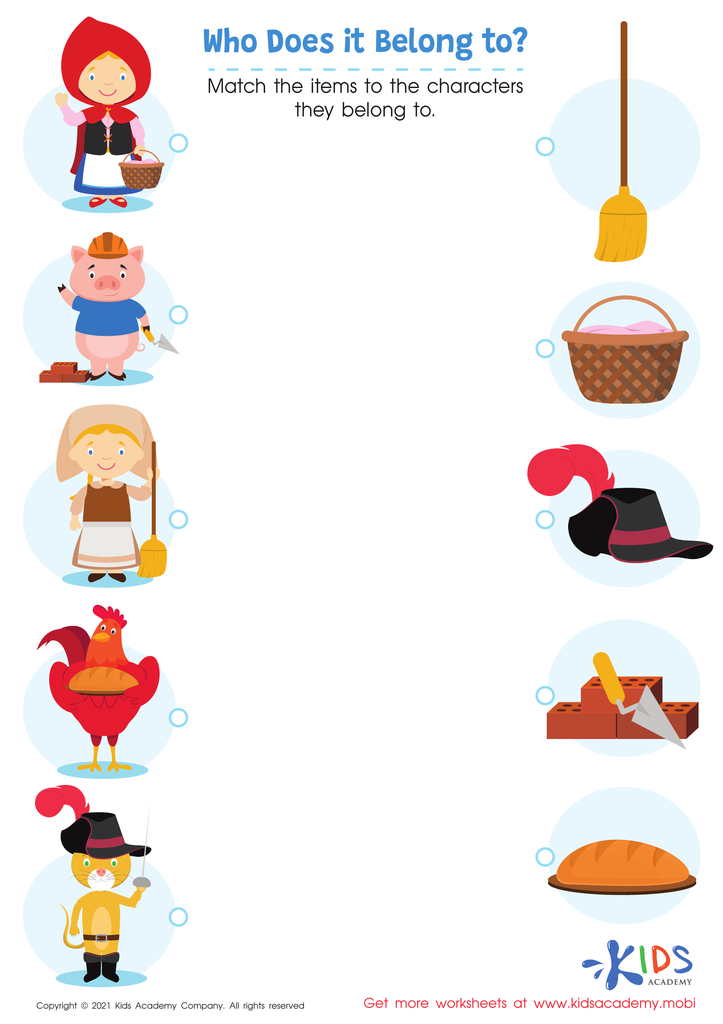
Who Does It Belong To? Worksheet
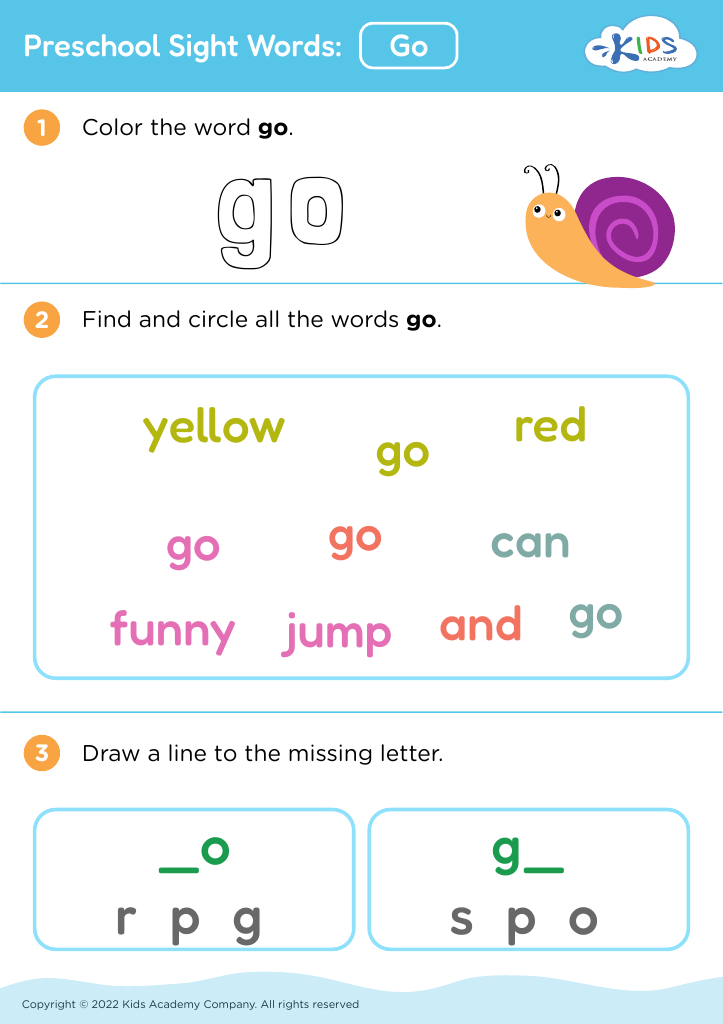





Parents and teachers should care about Logical Reasoning Reading for 3-year-olds because it lays a foundational skill set essential for lifelong learning. At this tender age, children's brains are like sponges, rapidly absorbing information. Introducing them to stories that foster logical reasoning helps develop critical thinking abilities. When children engage with age-appropriate texts, they learn to make connections between ideas, identify cause and effect, and predict outcomes, enhancing their cognitive development.
Moreover, logical reasoning strengthens language skills; children begin to understand the structure of narratives, which supports vocabulary expansion and comprehension. As they discuss stories, they practice articulating their thoughts and ideas, improving both verbal and listening skills.
Encouraging logical reasoning at this stage also promotes problem-solving skills that are vital in daily life and future academic settings. Children learn to approach challenges systematically, which translates into greater confidence as they face new situations.
In essence, fostering logical reasoning through reading nurtures curiosity, creativity, and adaptability, ultimately preparing children for educational success and enriching their overall development. By prioritizing this early literacy approach, parents and educators contribute significantly to building the critical thinking skills essential for a child’s future.








