Multiplication practice Reading Worksheets for 3-Year-Olds
3 filtered results
-
From - To
Introducing our "Multiplication Practice Reading Worksheets for 3-Year-Olds"! At Kids Academy, we’ve designed fun and engaging activities to introduce early numeracy and comprehension skills. These worksheets offer a gentle introduction to the concepts of multiplication through colorful illustrations and simple exercises tailored for young minds. Our expertly crafted materials not only foster foundational math understanding but also nurture a love for learning, making each session enjoyable and enriching. Perfect for parents and educators, these printable worksheets are an excellent resource for your toddlers’ educational journey. Start building strong academic skills today with Kids Academy’s multiplication practice for preschoolers.
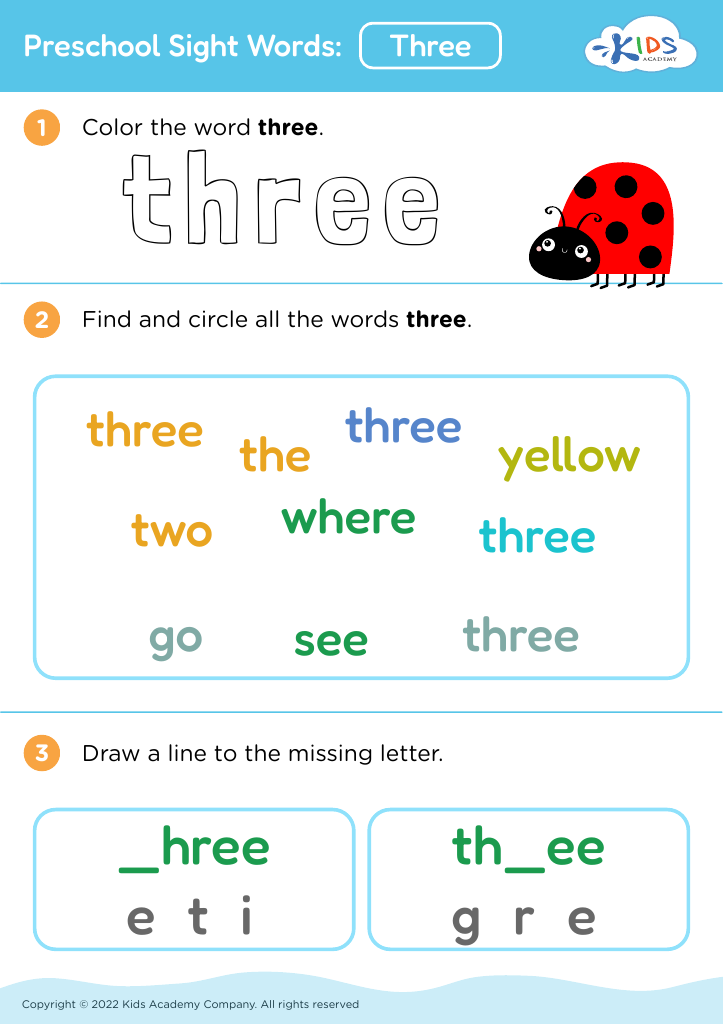
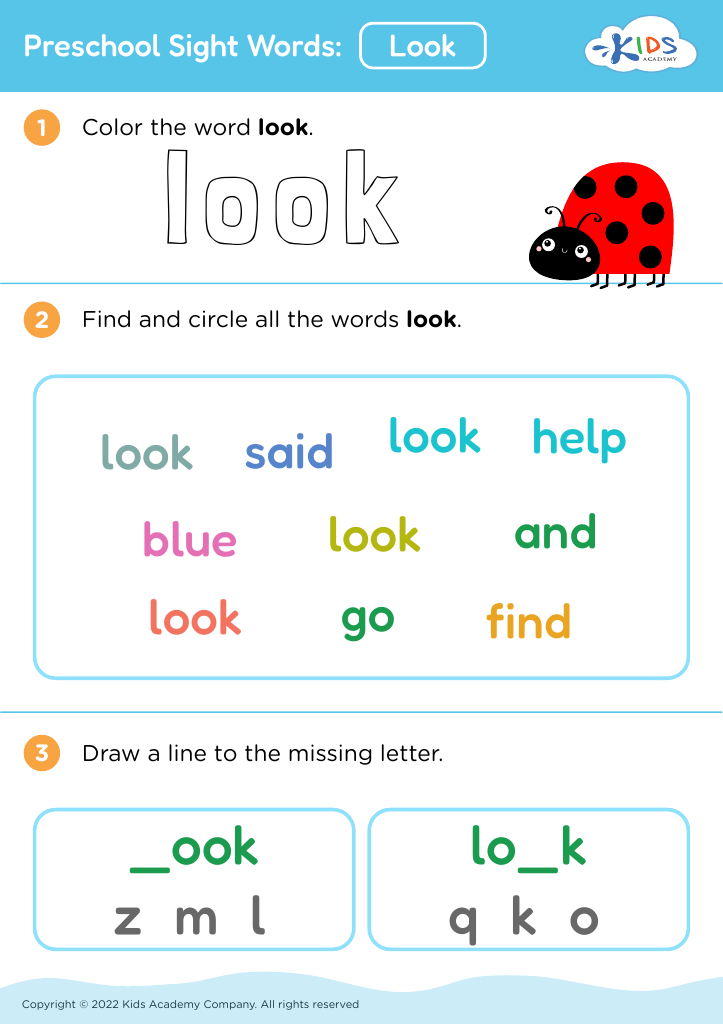
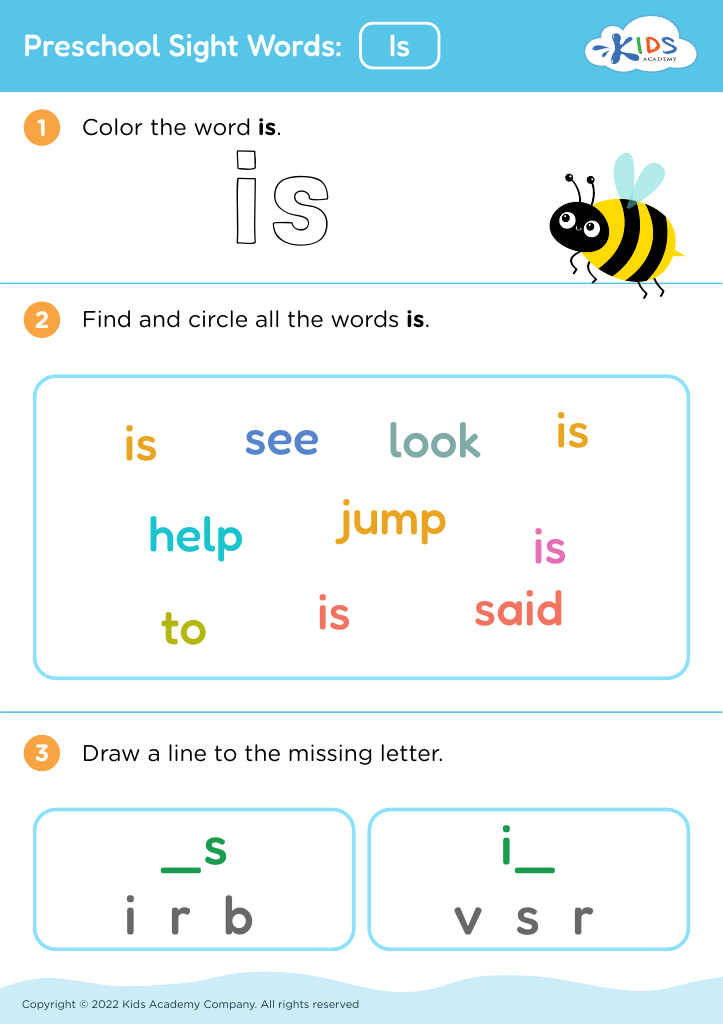








It's important for parents and teachers to focus on early literacy and math skills, even for young children like 3-year-olds. While we wouldn't expect such young children to master multiplication, introducing them to multiplication practice sets the foundation for their future understanding. At this age, children are like sponges, and their brains are uniquely wired to absorb and retain new information. Introducing key math concepts, like multiplication through simple stories or games, helps develop their cognitive abilities, fine motor skills, and problem-solving techniques.
Reading to or with 3-year-olds is equally crucial for similar reasons: it builds their vocabulary, improves listening skills, and stimulates their imagination. Combining reading and early math concepts boosts their overall educational foundation. It can make math feel less daunting as they grow older because they've been introduced to it in a fun and engaging way. Additionally, this fosters a positive attitude towards learning.
Moreover, parents' and teachers' engagement in these activities creates valuable bonding time, which is key for emotional and social development. Children learn best in supportive environments where they feel safe and curious. Therefore, caring about early multiplication practice within reading activities sets the stage for academic success and lifelong learning enthusiasm.








