
Reading Skills Reading Worksheets for 3-Year-Olds
6 filtered results
Difficulty Level
Grade
Age
-
From - To
Subject
Activity
Standards
Welcome to our Reading Skills Worksheets for 3-Year-Olds! Designed specifically for young learners, these engaging worksheets help develop foundational reading skills in a fun, interactive way. Our activities focus on letter recognition, phonemic awareness, and vocabulary building, ensuring children gain confidence and excitement in their reading journey. With colorful illustrations and age-appropriate tasks, these worksheets encourage exploration and foster a love of literacy. Perfect for both pre-school and home use, these resources provide invaluable support for parents and educators in nurturing essential reading skills that will benefit children as they progress in their education. Start their reading adventure today!
Favorites
With answer key
Interactive
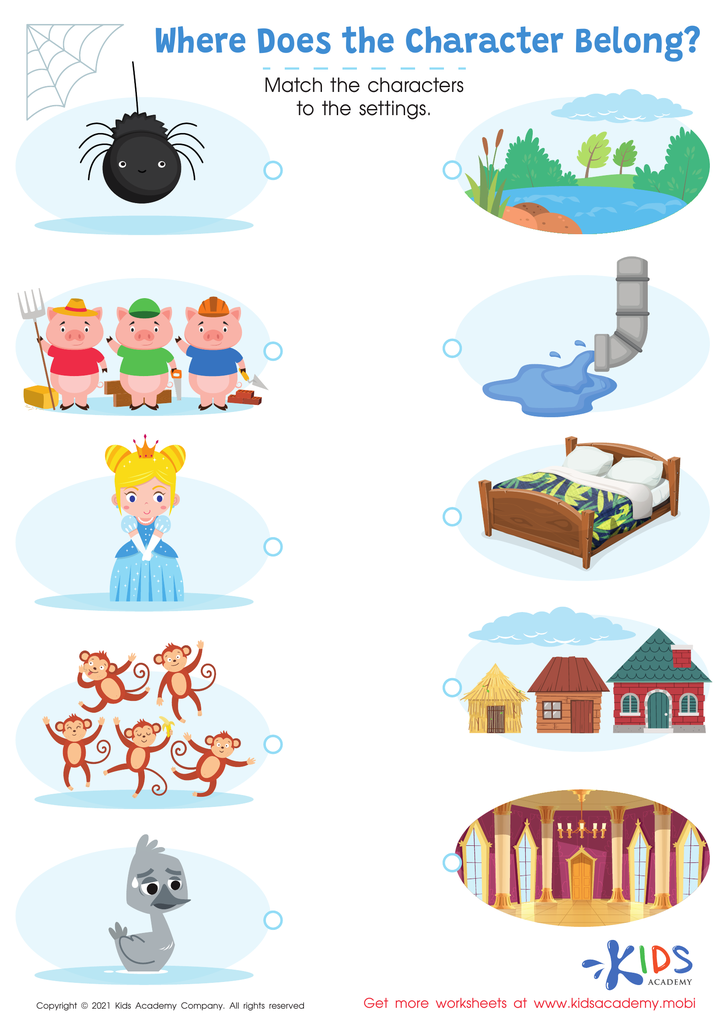
Where Does the Character Belong? Worksheet
Fairy Tales are a great way to teach young ones about settings, characters and other literary elements. This worksheet contains illustrations from popular fairy tales to help kids identify characters and match them to the right settings. It's a fun way to improve recall skills and enhance comprehension using visuals.
Where Does the Character Belong? Worksheet
Worksheet
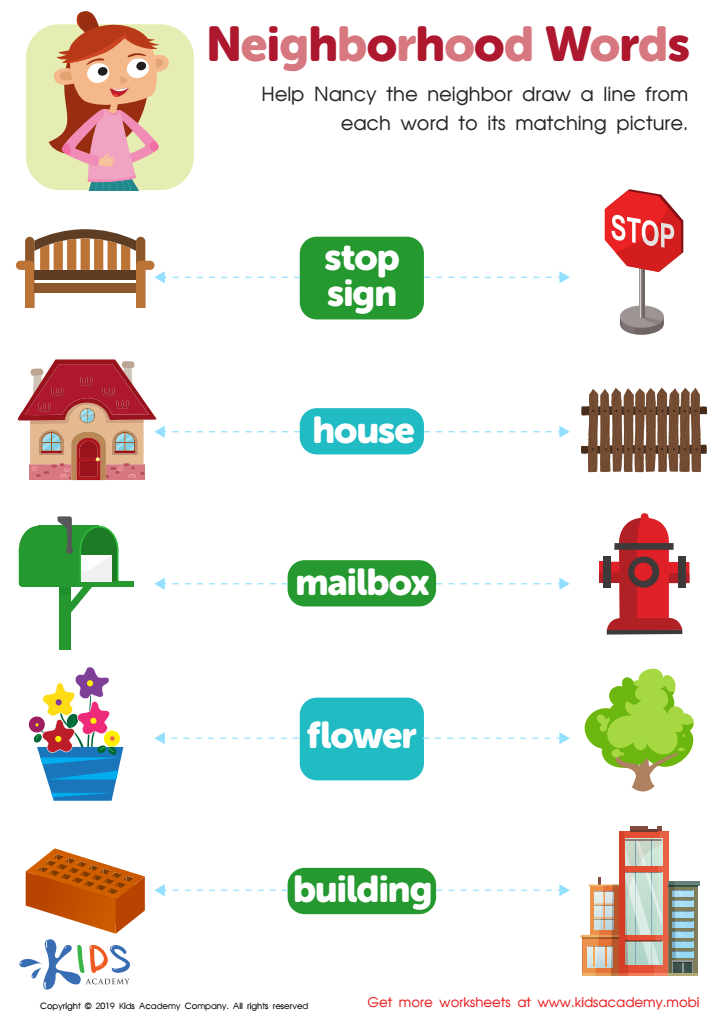
Neighborhood Words Worksheet
Help preschoolers develop life skills and familiarize them with words and concepts with this worksheet! It'll also boost their fine motor skills as they trace lines to match pictures with the words. They'll learn new words and feel more confident in their reading.
 Assign to My Students
Neighborhood Words Worksheet
Worksheet
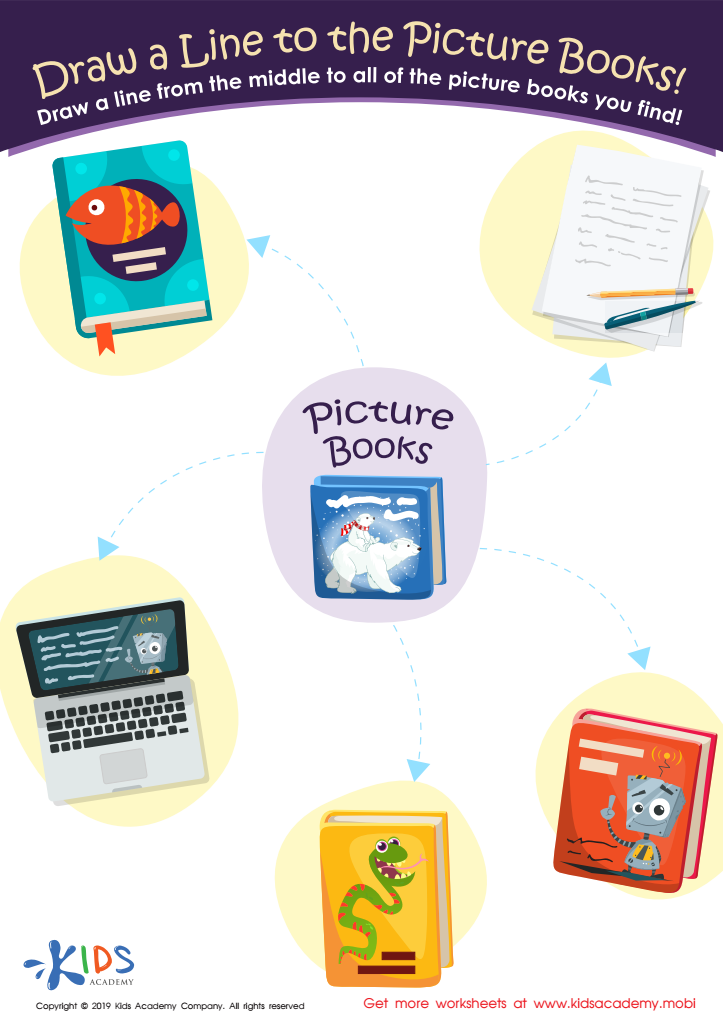
Draw a Line to the Picture Books Worksheet
Encourage your students to read and explore with this fun exercise! They'll draw a line from the word 'picture books' to the five objects. Picture books are exciting, with stories and colorful images. Make story time even more enjoyable with this worksheet!
Draw a Line to the Picture Books Worksheet
Worksheet
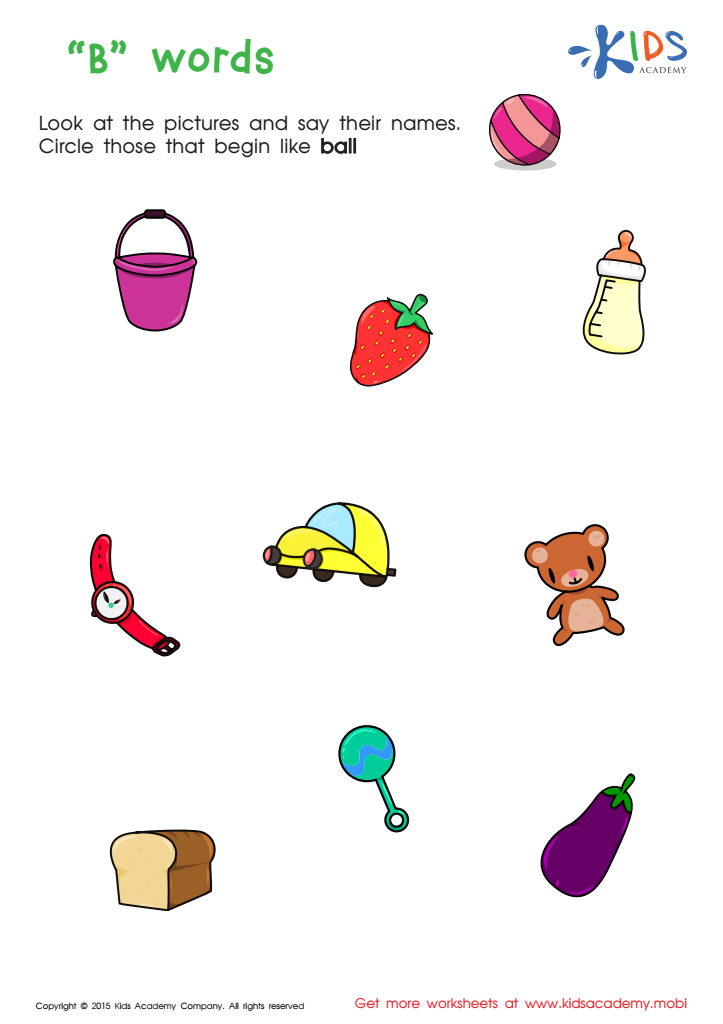
First Words Worksheet
Want to help your preschooler learn to read and write? Start with this 'B' words printable worksheet. It will help your child match pictures to the letters they know, sound out words, and build literacy. Once they understand the concept, they can start sounding out words and building reading skills.
First Words Worksheet
Worksheet
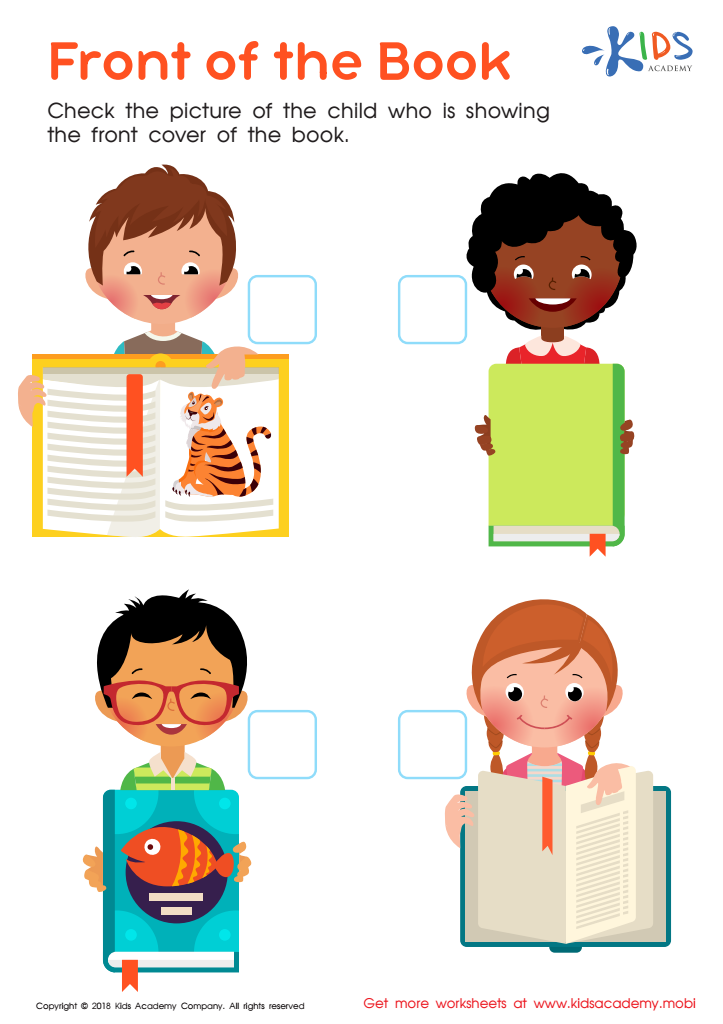
Front of the Book Worksheet
Help your child become a reader with this free worksheet! It's full of fun new friends and is designed to help kids understand concepts about the front of a book. They'll look at each picture and decide which friend is holding the book with the front cover, and check off the correct answer in the given boxes. Get your little one ready to be a reader!
Front of the Book Worksheet
Worksheet
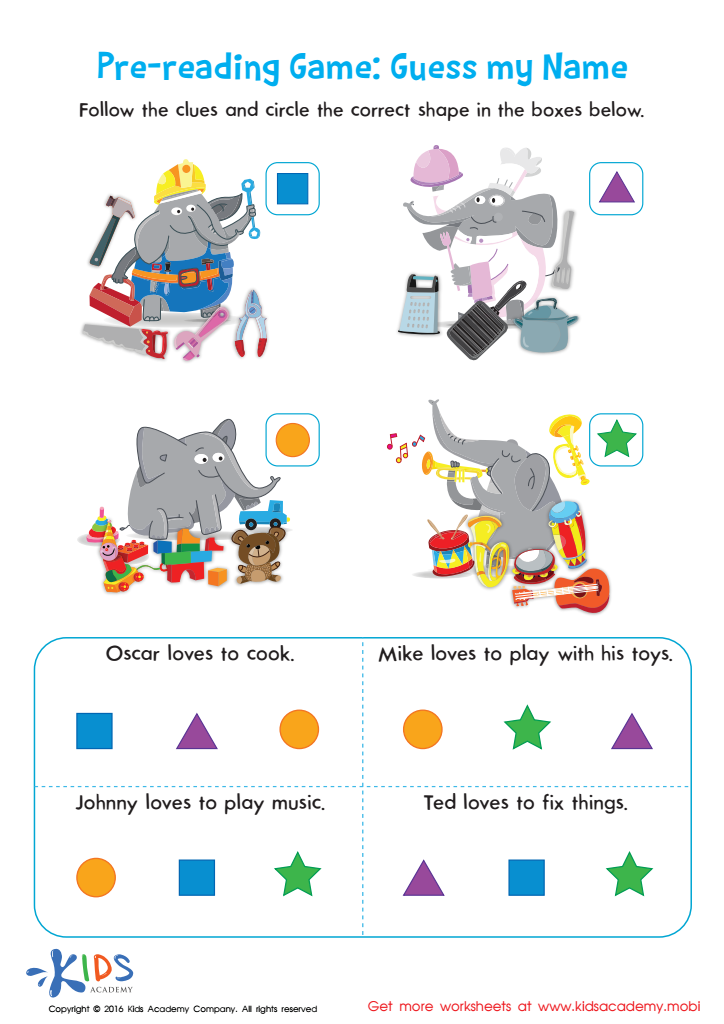
Pre Reading Worksheet Guess My Name
Guess My Name is a fun way to practice inference skills.
Guess My Name is a fun pre-reading game to help your child practice drawing inferences from clues. With colorful illustrations, they'll use clues to match each elephant with its sentence and sharpen their inference skills.
Pre Reading Worksheet Guess My Name
Worksheet
Join Kids Academy for Free
Who is primarily going to use this learning content?







Developing reading skills during the early years is crucial for children's cognitive and emotional development, making it essential for parents and teachers to prioritize this foundation. For 3-year-olds, the ability to recognize letters, understand sounds, and engage with stories lays the groundwork for future literacy skills. This early stage is when children are particularly receptive to language, and exposure to books enhances their vocabulary, comprehension, and critical thinking abilities.
Moreover, reading together fosters bonding between caregivers and children, creating a supportive environment where kids feel valued and motivated to learn. When parents and teachers actively engage in reading activities, they cultivate curiosity and a lifelong love for learning. Research shows that children who are read to regularly are more likely to perform better academically, demonstrating the long-term benefits of nurturing early literacy.
Additionally, reading aids in social-emotional development, as children learn to empathize with characters and recognize various emotions. Parents and teachers should care about developing reading skills at this age, as it serves as a vital stepping stone for children's overall success, confidence, and enthusiasm for education in the years to come. Investing time in reading early makes a positive impact that lasts a lifetime.








