Vocabulary enhancement Reading Worksheets for 3-Year-Olds - Page 2
28 filtered results
-
From - To
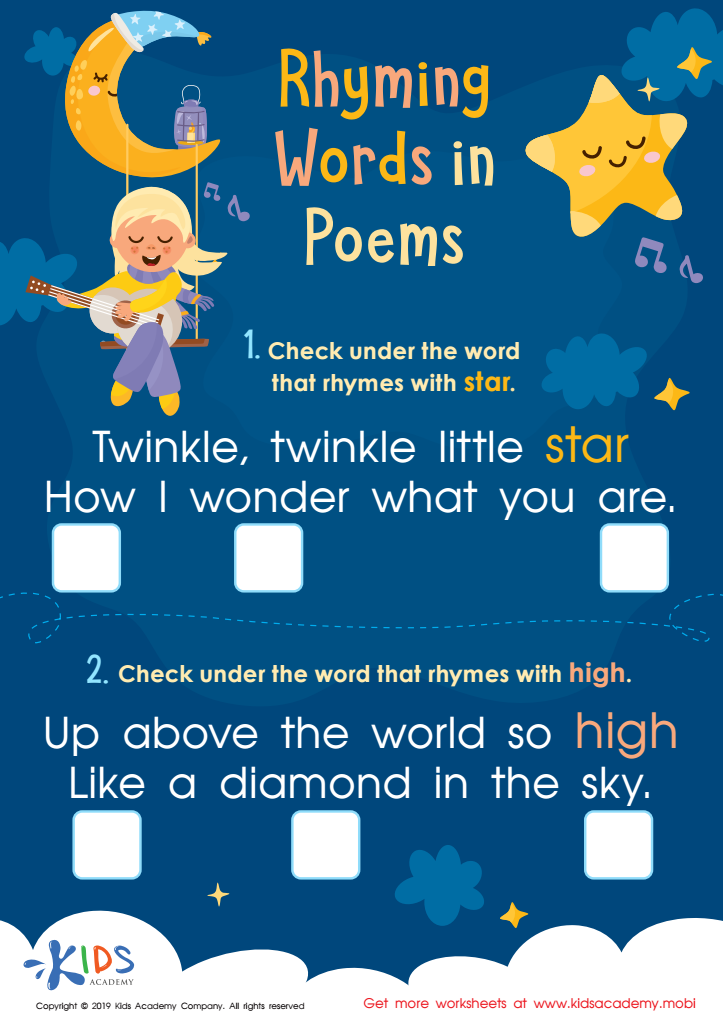
Rhyming Words in Poems Worksheet
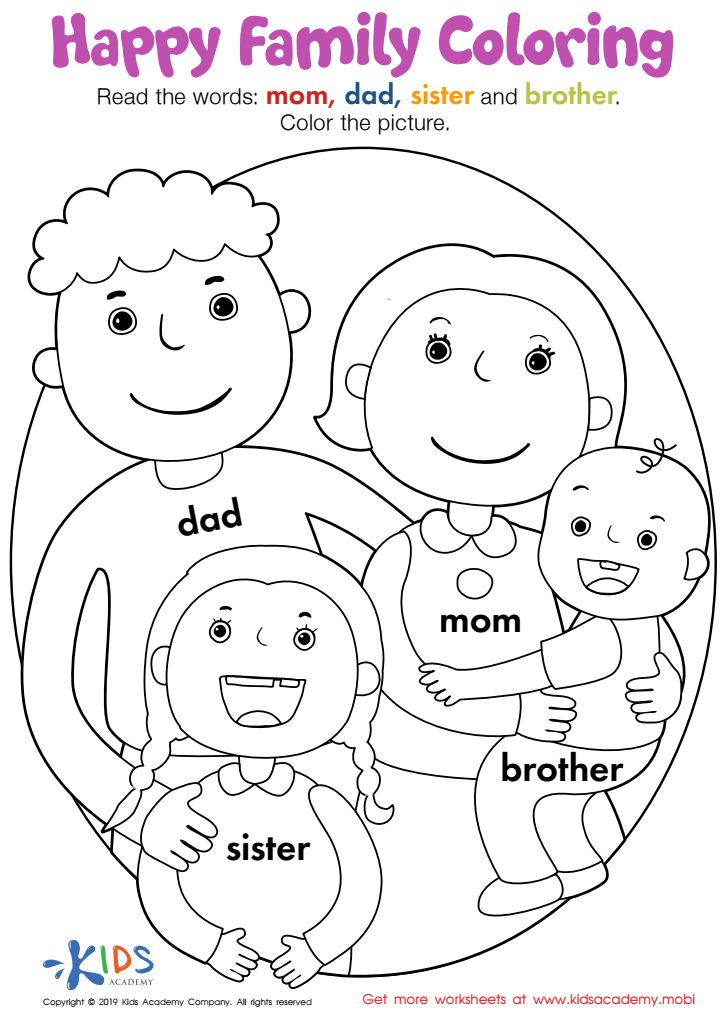
Happy Family Coloring Worksheet
 Assign to My Students
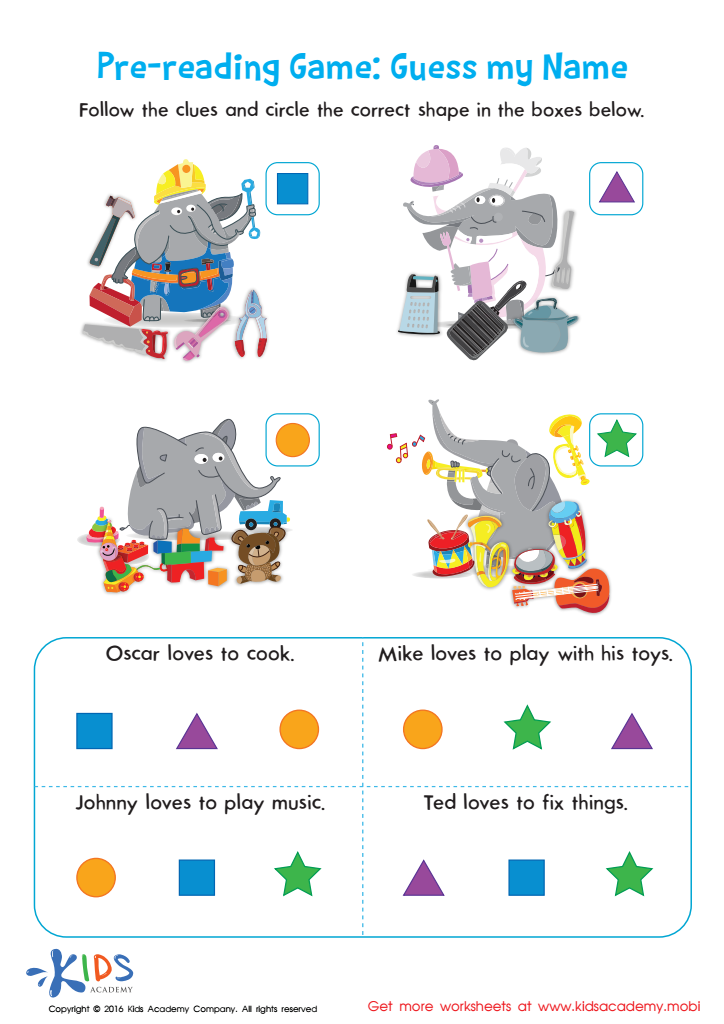
Pre Reading Worksheet Guess My Name
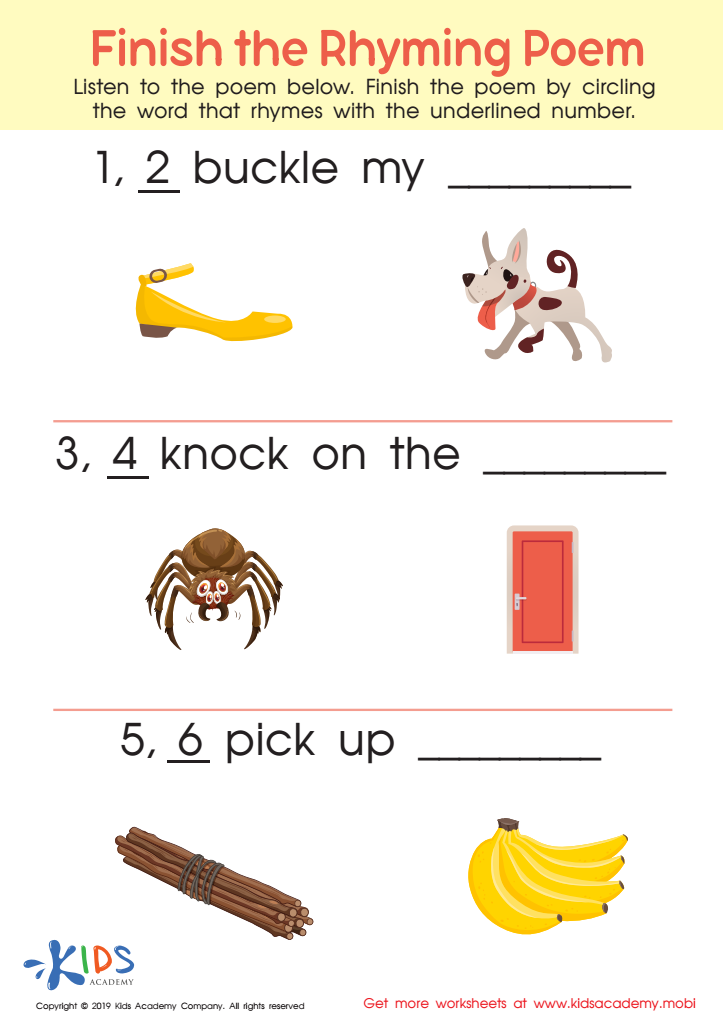
Finish Rhyming Poem Worksheet



.jpg)



Vocabulary enhancement reading for 3-year-olds is crucial for several reasons. Firstly, language development at this age lays the foundation for effective communication skills. A rich vocabulary enables children to express their thoughts, emotions, and needs more clearly, making it easier for them to interact with peers and adults.
Secondly, early vocabulary acquisition is closely tied to later academic success. Children with a robust vocabulary enter school with a significant advantage, as they are better prepared to understand and absorb new information. This can lead to better reading comprehension, writing skills, and overall academic performance.
Moreover, reading together strengthens the parent-child or teacher-child bond. It's an opportunity for one-on-one interaction, which fosters a sense of security and emotional well-being. Children who feel supported and loved are more likely to enjoy learning and show curiosity about the world around them.
Reading exposes children to different cultures, ideas, and experiences, broadening their understanding and fostering empathy. It helps them develop critical thinking and listening skills, as they learn to follow a narrative and predict outcomes.
In summary, vocabulary enhancement reading enriches a child’s language abilities, boosts academic readiness, enhances emotional bonds, and cultivates a love for learning, all of which contribute to well-rounded development.








