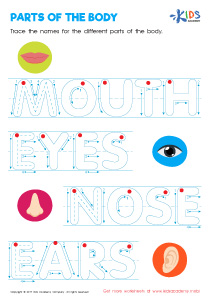
Vocabulary expansion World Around Us Worksheets for 3-Year-Olds
10 filtered results
-
From - To
Our "Vocabulary Expansion World Around Us Worksheets for 3-Year-Olds" are designed to spark curiosity and enhance language skills in your little learners. Through engaging activities, children will explore everyday concepts and objects, enriching their vocabulary in a fun and meaningful way. These worksheets are crafted to align with the developmental milestones of 3-year-olds, fostering early literacy skills while enjoying colorful visuals and interactive tasks. Ideal for parents and educators, each worksheet provides valuable opportunities for young minds to connect words with their surroundings, laying a strong foundation for future language development. Start the journey to a bigger vocabulary today!
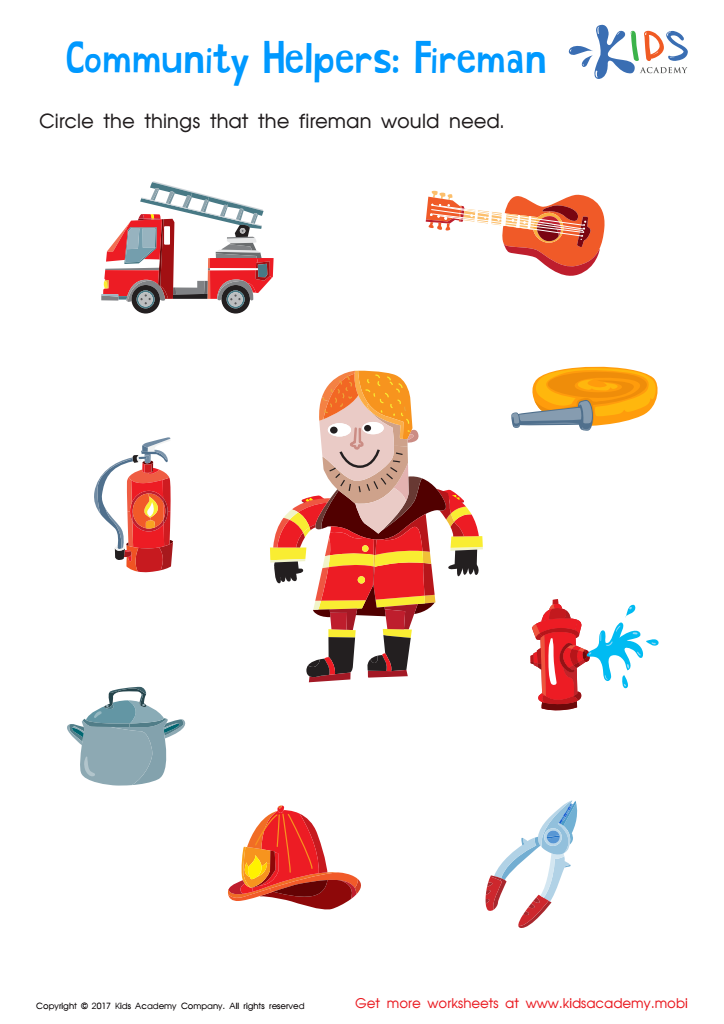
Fireman Worksheet
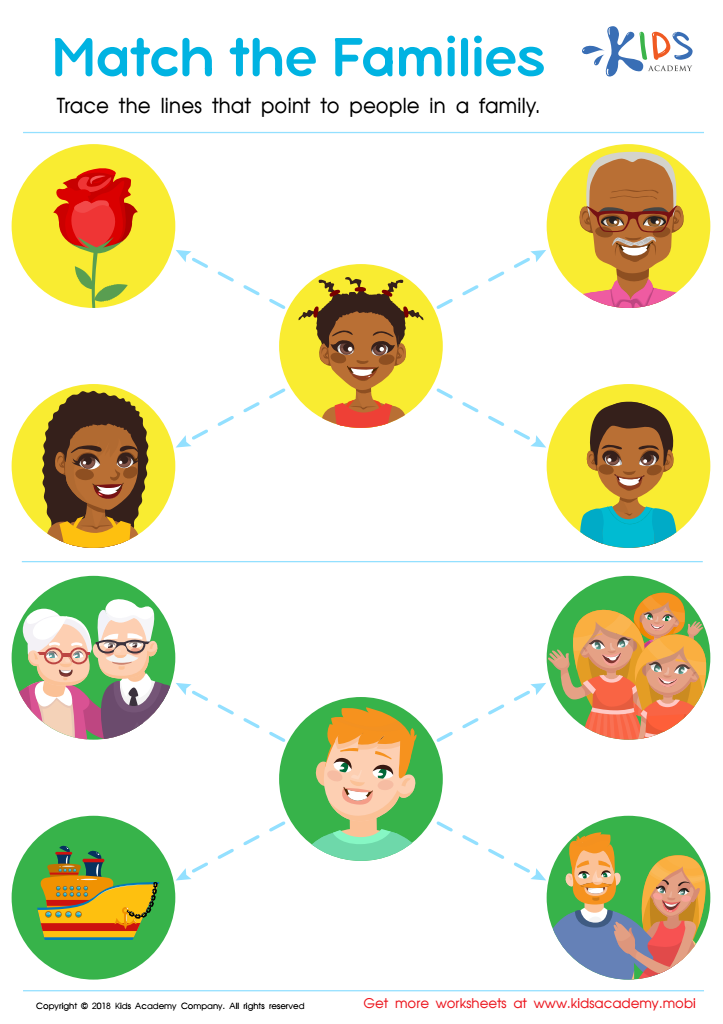
Match the Families Worksheet
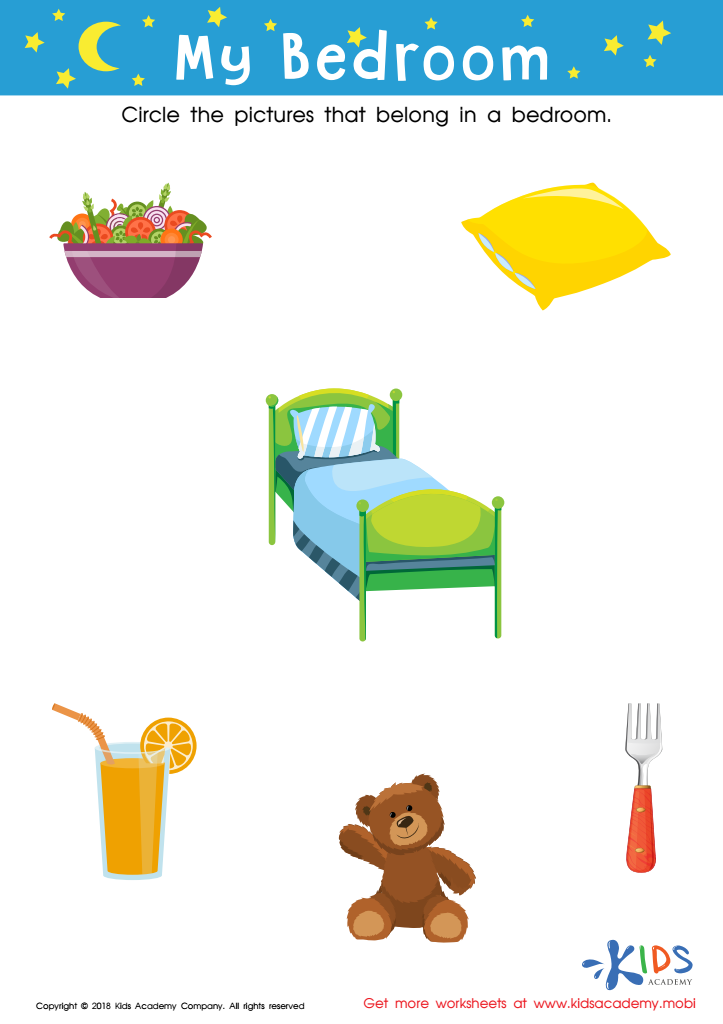
My Bedroom Worksheet
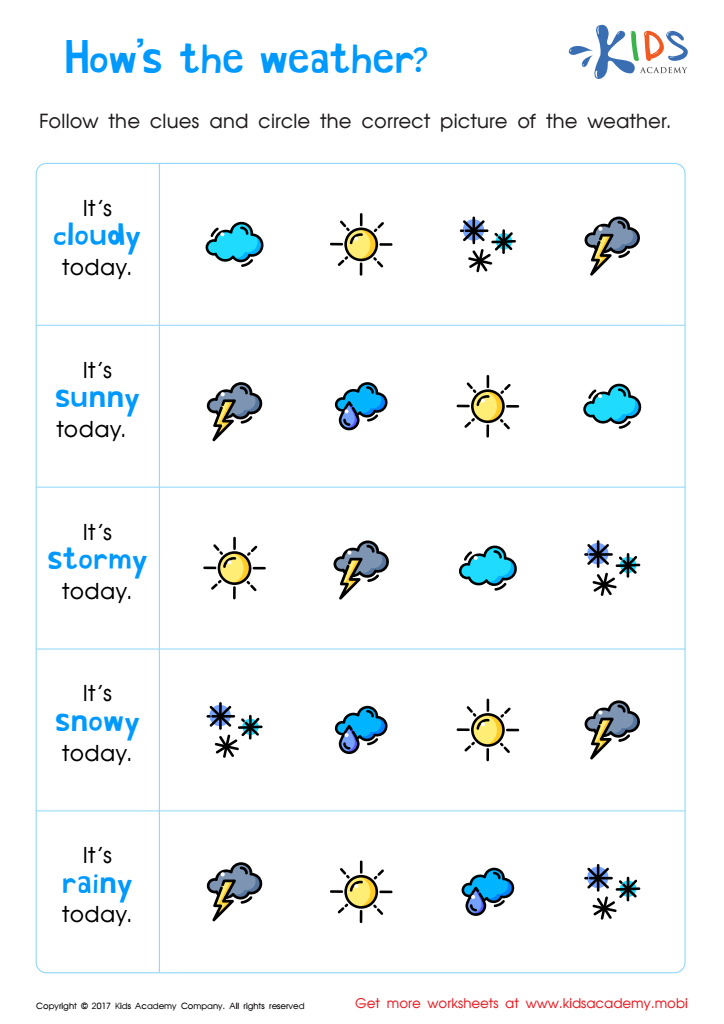
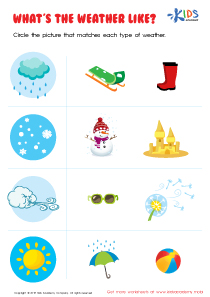
Hows the Weather Worksheet
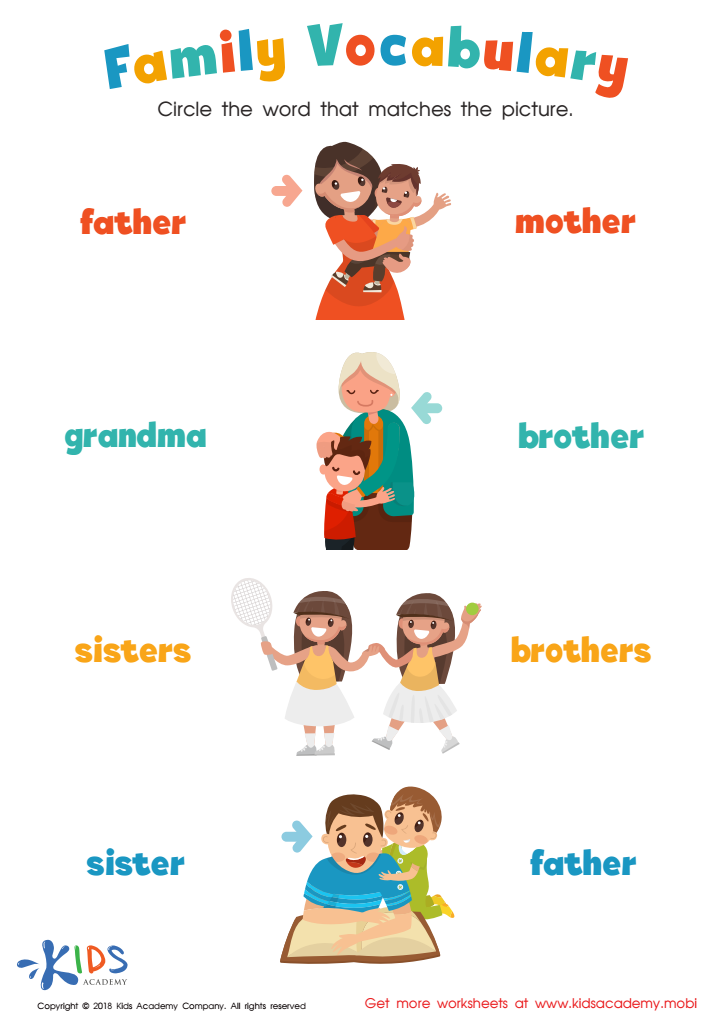
Family Vocabulary Worksheet
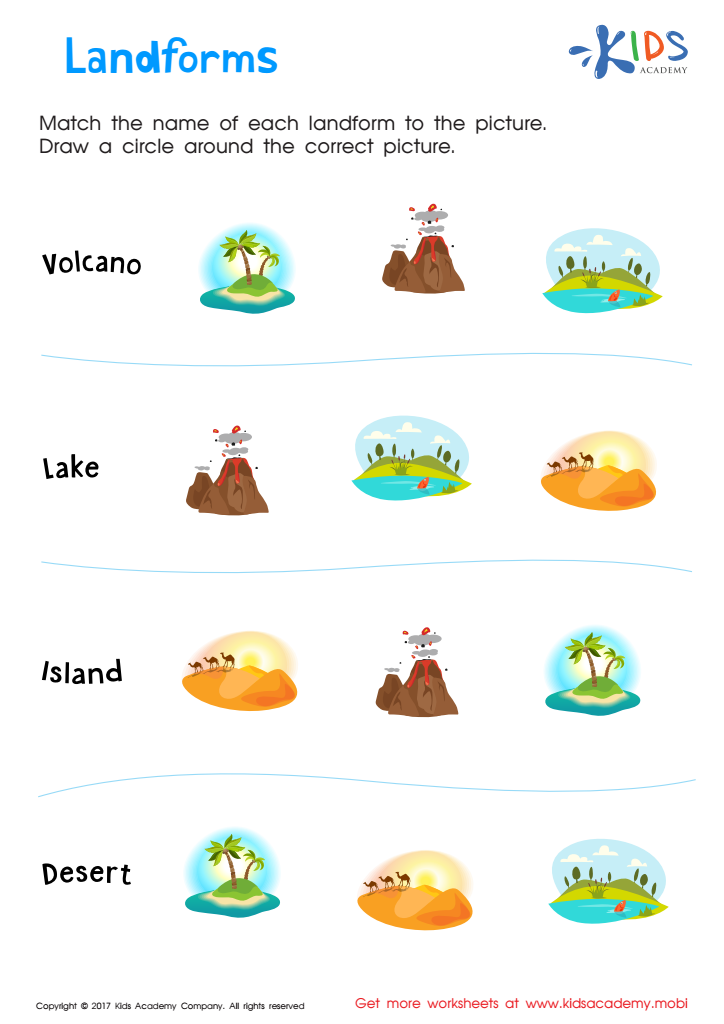
Landforms Printable
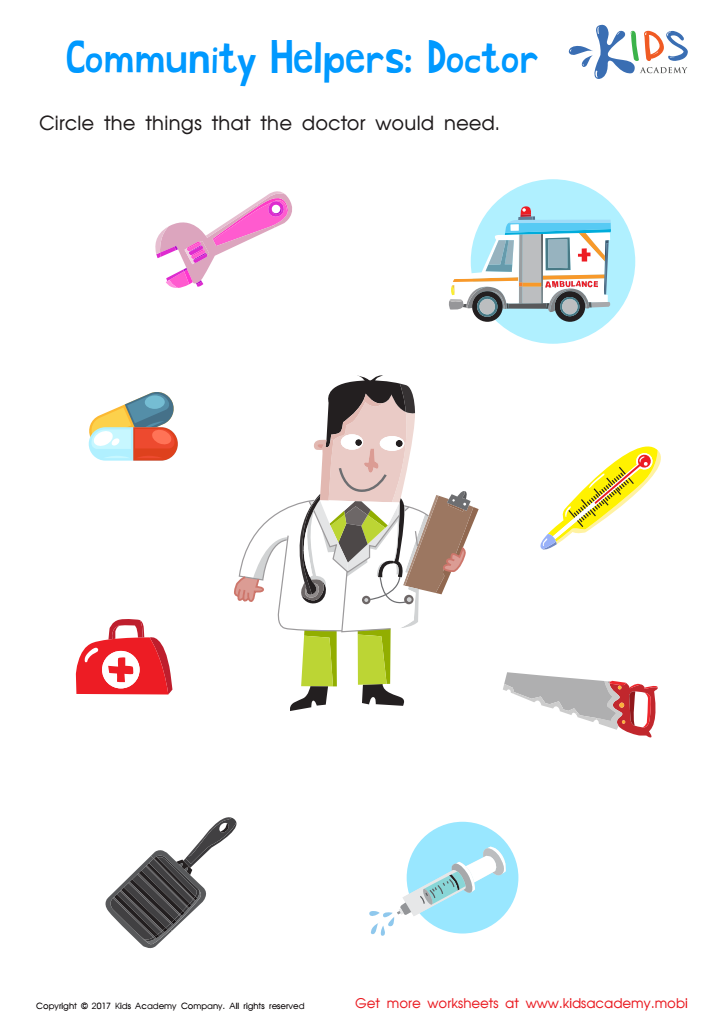
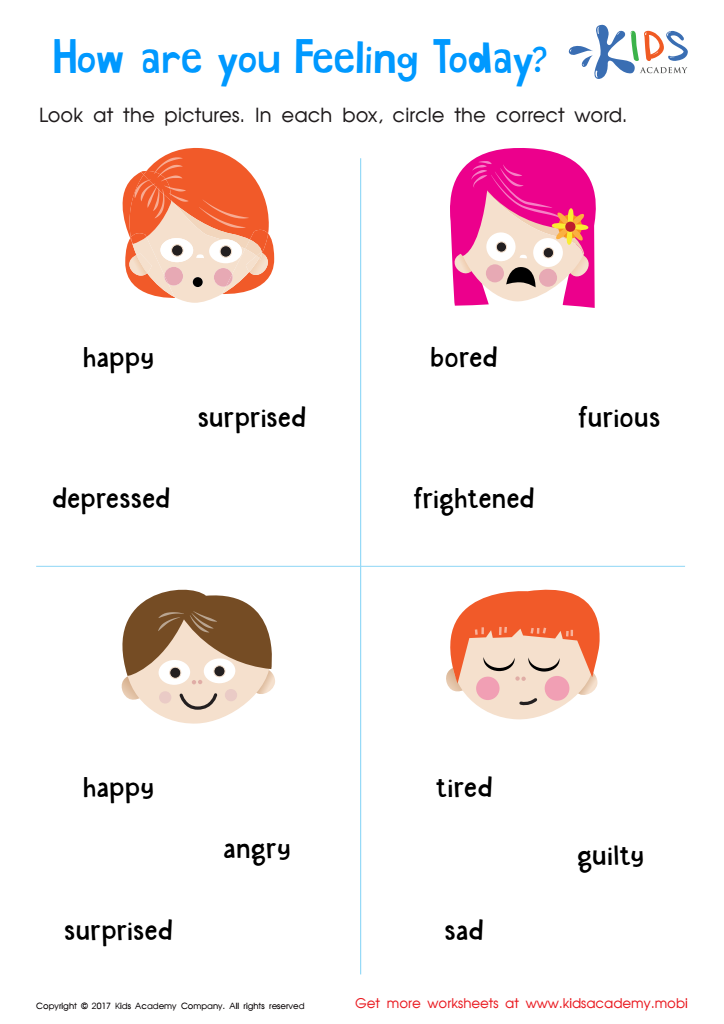
Understanding Feelings Worksheet
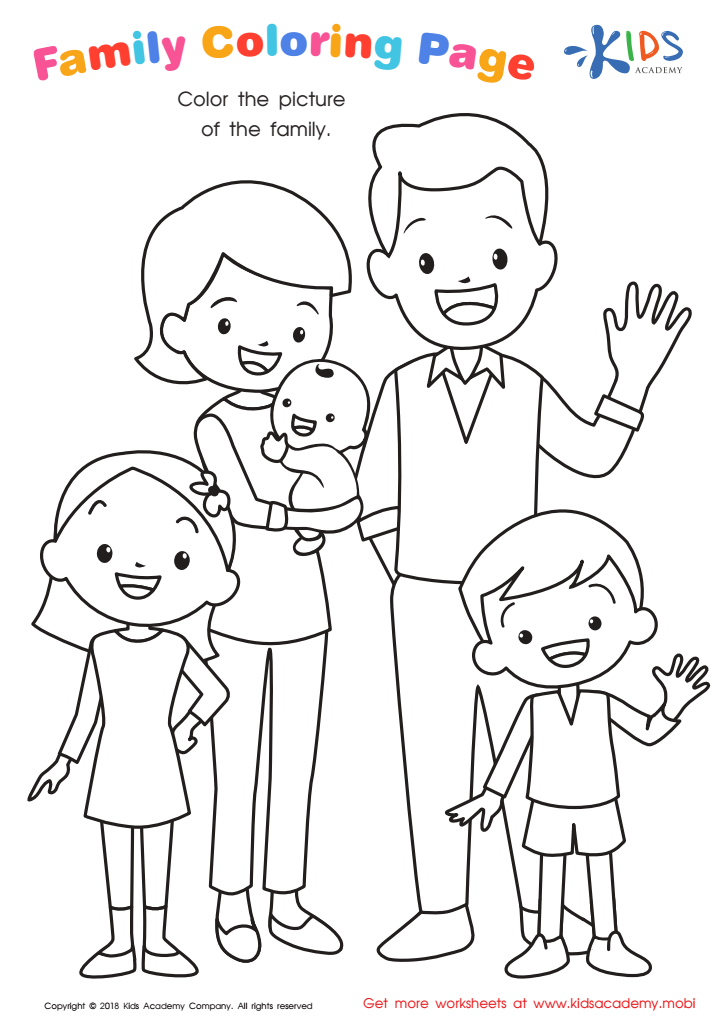
Family Coloring Page
 Assign to My Students







Parents and teachers should prioritize vocabulary expansion for 3-year-olds to foster their early language development and cognitive growth. During this critical period, children's brains are particularly receptive to new information, making it an ideal time to introduce and reinforce a broad range of words. When children are exposed to a diverse vocabulary, they can better express themselves, understand others, and make sense of their surroundings.
A rich vocabulary allows children to communicate their needs, thoughts, and emotions more effectively, reducing frustration and enabling smoother social interactions. This proficiency also sets a strong foundation for reading skills, as children with a larger vocabulary find it easier to decode and comprehend written words later on. Moreover, engaging with vocabulary about the world around them sparks curiosity and encourages exploration and learning, leading to a deeper understanding of their environment.
Teachers and parents play crucial roles in this development by providing a language-rich environment through reading, conversation, and play. Simple activities, such as naming objects during a walk or describing daily activities, significantly contribute to vocabulary growth. Ultimately, early vocabulary expansion equips children with the tools they need for academic success and lifelong learning, making it essential for both parents and educators to prioritize this aspect of early childhood education.