Writing practice Alphabet Coloring Pages Worksheets for Ages 4-5
6 filtered results
-
From - To
Introducing our "Writing Practice Alphabet Coloring Pages Worksheets" designed for ages 4-5! Our vibrant and engaging worksheets combine the joy of coloring with essential alphabet writing practice, making learning fun and interactive for young learners. Each page is crafted to encourage letter recognition, improve fine motor skills, and foster a love for writing. Perfect for preschoolers and kindergartners, these printable worksheets provide a hands-on approach to early literacy. Ideal for both classroom and at-home learning, they are a fantastic resource to jumpstart your child's writing journey. Download today and watch your child thrive!
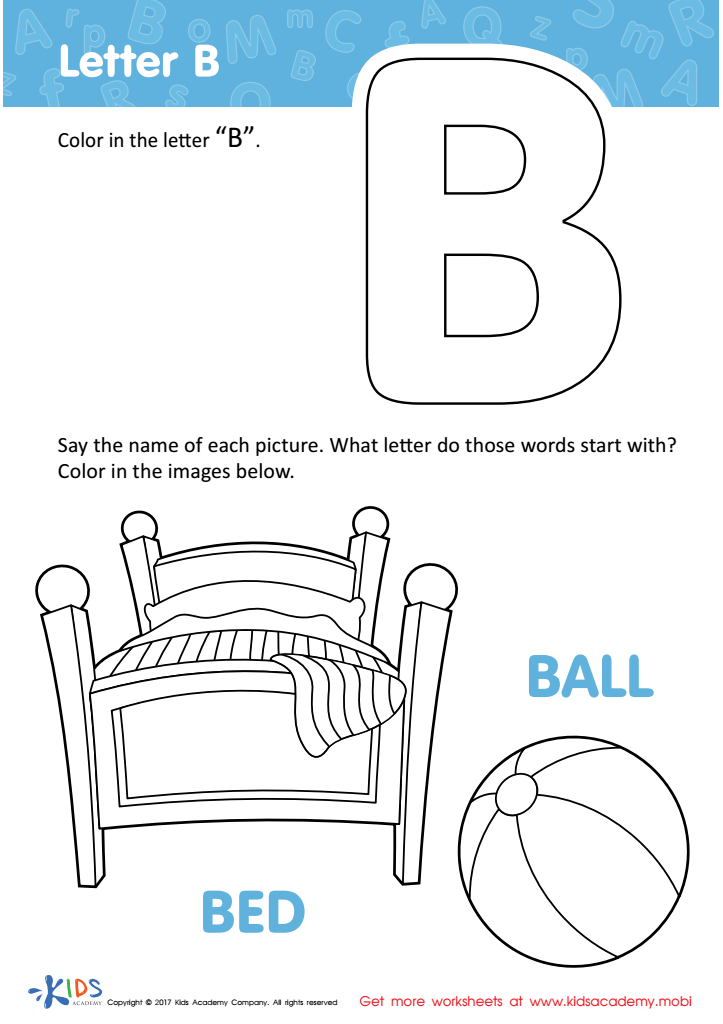
Letter B Coloring Sheet
 Assign to My Students
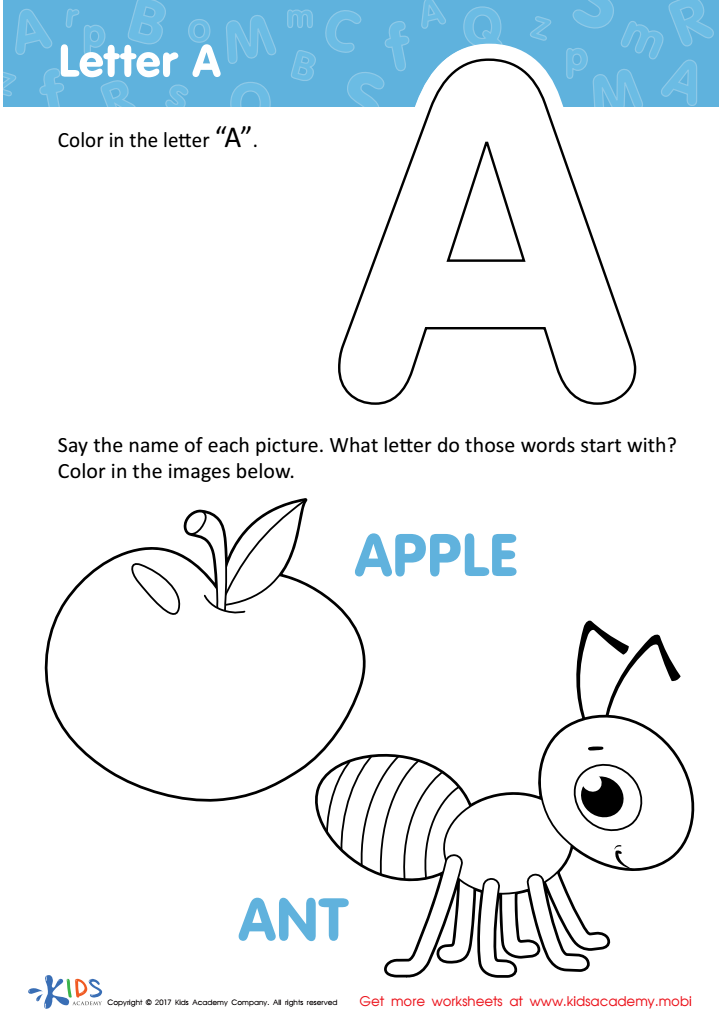
Letter A Coloring Sheet
Assign to My Students
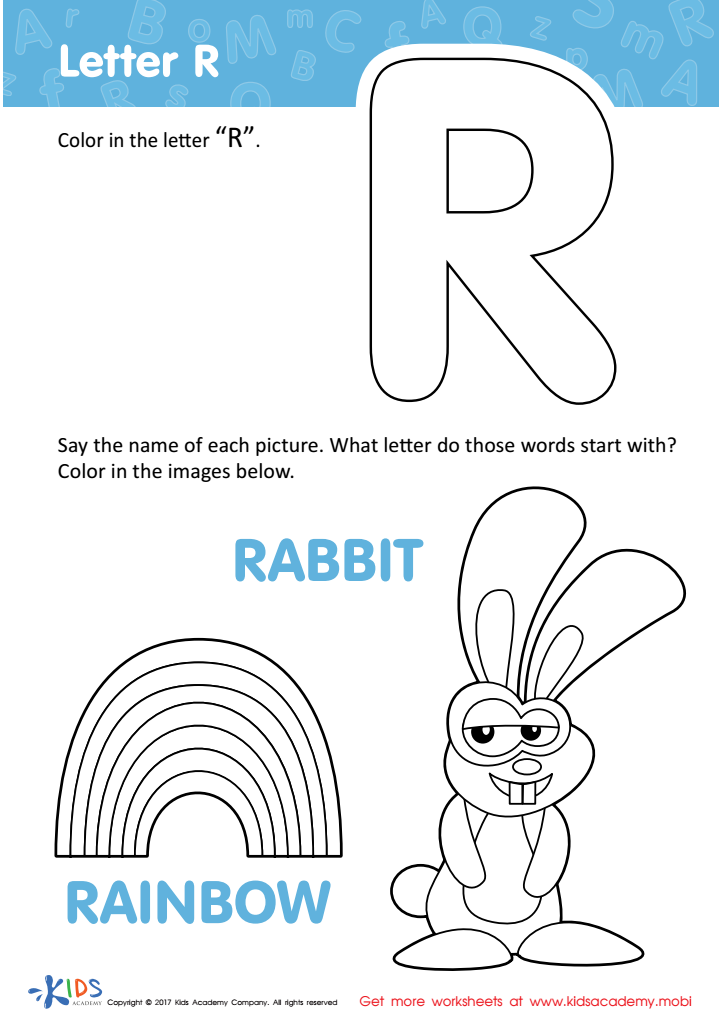
Letter R Coloring Sheet
Assign to My Students
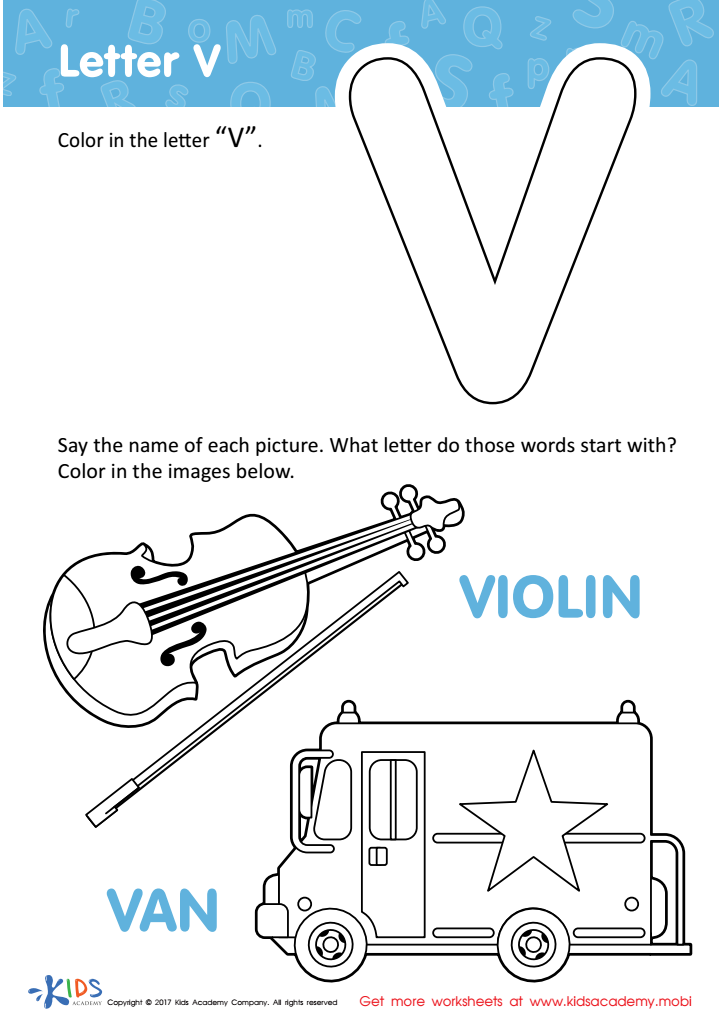
Letter V Coloring Sheet
Assign to My Students
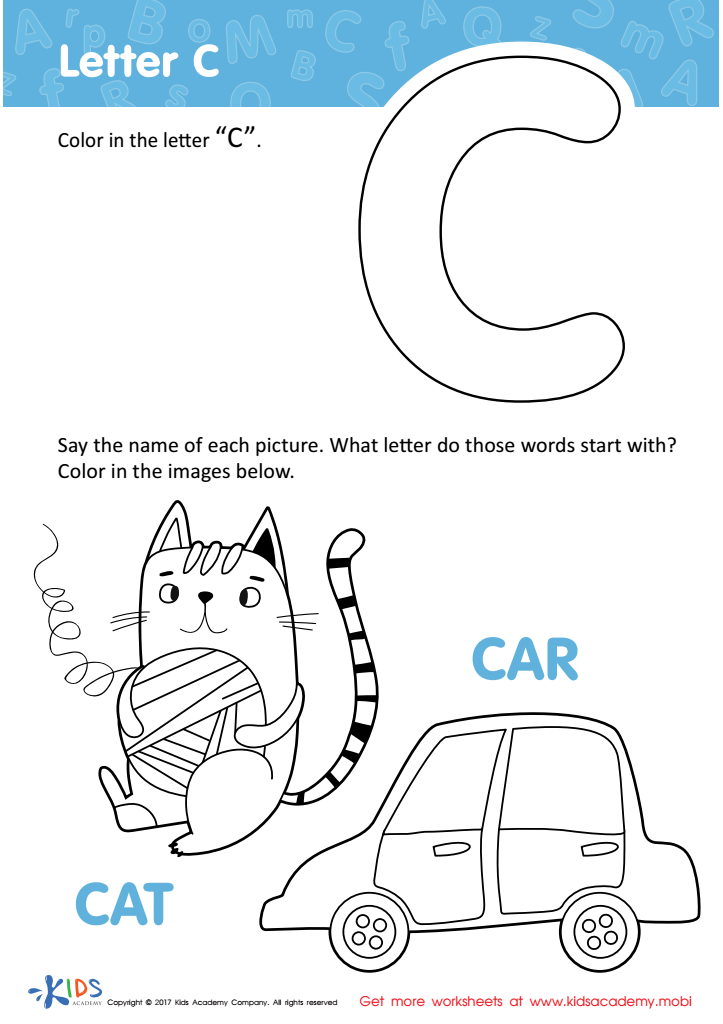
Letter C Coloring Sheet
Assign to My Students
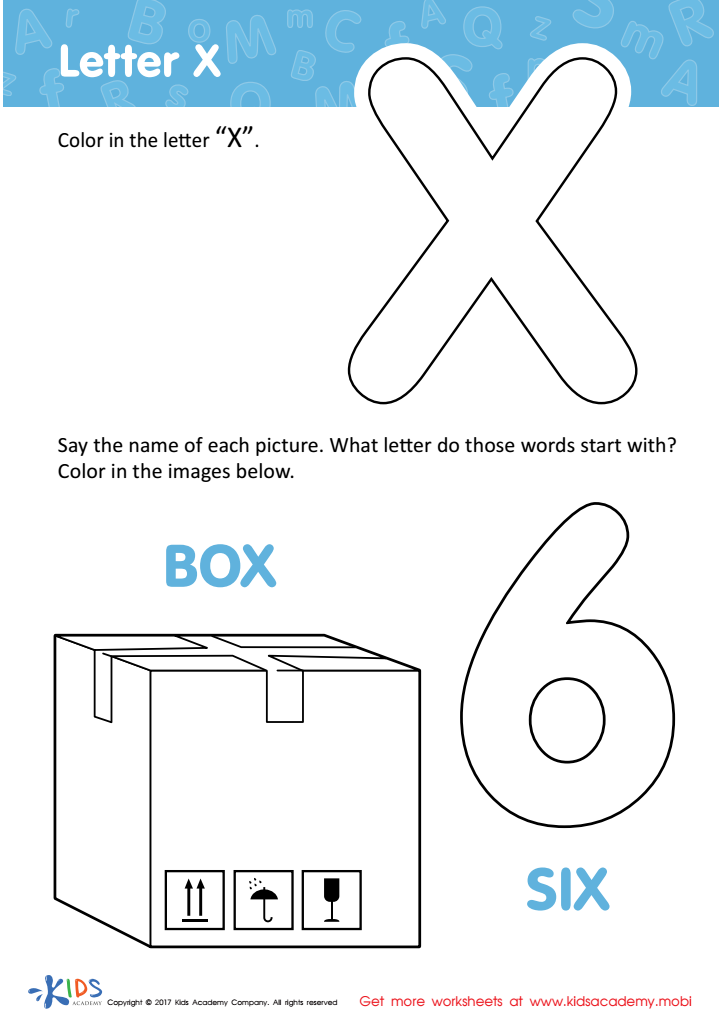
Letter X Coloring Sheet
Assign to My Students





Alphabet coloring pages serve as an excellent educational tool for young children, specifically those aged 4-5, who are just beginning their journey into literacy. These resources are valuable for multiple reasons.
Firstly, alphabet coloring pages amalgamate learning and play, making the learning process engaging and enjoyable. When children color in the letters and corresponding pictures, they not only become familiar with the shapes and sounds of the alphabet, but they also develop fine motor skills crucial for writing.
Secondly, these pages often pair letters with images (e.g., A for Apple), aiding in phonemic awareness and helping kids make associations between letters and sounds. Recognizing these patterns early on builds a foundational vocabulary, essential for reading readiness.
Additionally, the practice of coloring within the lines enhances a child's attention span and ability to follow directions, fostering concentration. This helps in the development of early writing skills as children learn to control their hand movements better.
Moreover, these activities provide an avenue for parents and teachers to assess and encourage a child's understanding, enabling correct guidance and timely intervention if needed. In a nutshell, alphabet coloring pages are not just about fun; they offer an incredible blend of skill development, early literacy, and cognitive growth making them essential for early education.







