Our "Fine Motor Skills Development Alphabet Worksheets for Ages 4-5" offer a fun and engaging way for preschoolers to learn the alphabet while enhancing their fine motor skills. Each worksheet features tracing activities, coloring tasks, and letter formation exercises that challenge young learners to develop hand-eye coordination, pencil control, and dexterity. Perfect for preparing little hands for handwriting and classroom success, these worksheets are loved by parents and educators alike. Ideal for both classroom and at-home practice, our expertly designed materials make early literacy development exciting and productive. Help your child build a strong foundation with these interactive alphabet worksheets!

Check out this FREE Trial Lesson on Alphabet for age 4-5!

D

Favorites
With answer key
Interactive
  • 4-5
  • Fine motor skills development
  • Alphabet
I Stands High Worksheet Preview

I Stands High Worksheet

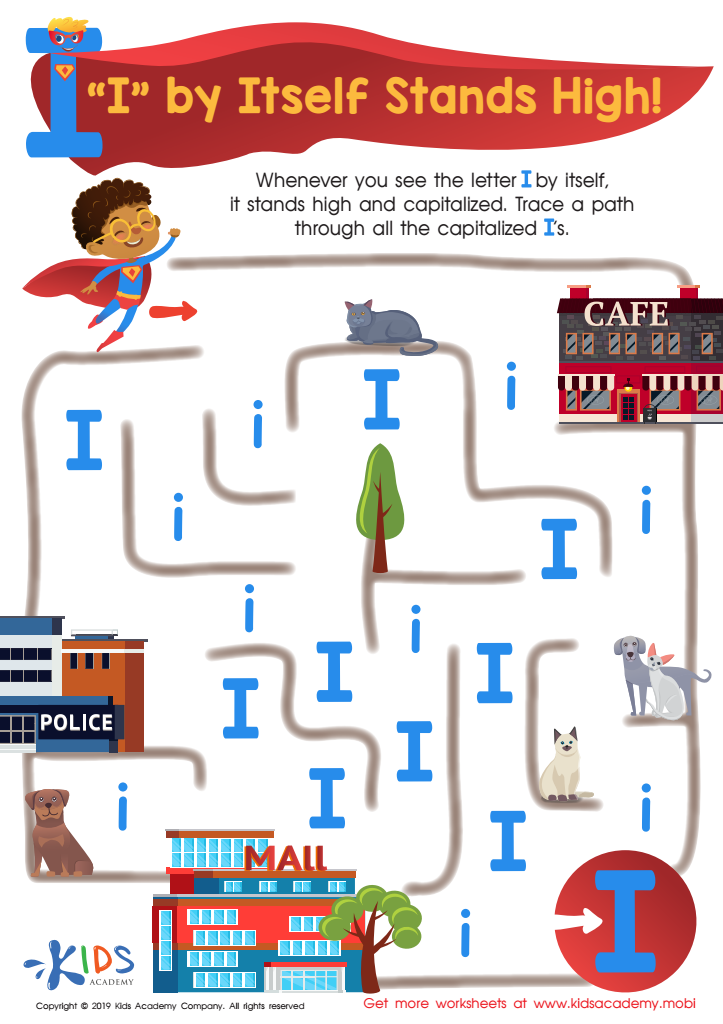
Kids can use their imagination to help a superhero find the uppercase 'I's on the 'I By Itself Stands High' worksheet. This helps children learn capitalization, and they can join the superhero in flying over a city of cats, dogs and buildings to locate the needed letters.
I Stands High Worksheet
Worksheet
Find Lowercase Letters j k l Worksheet

Find Lowercase Letters j k l Worksheet

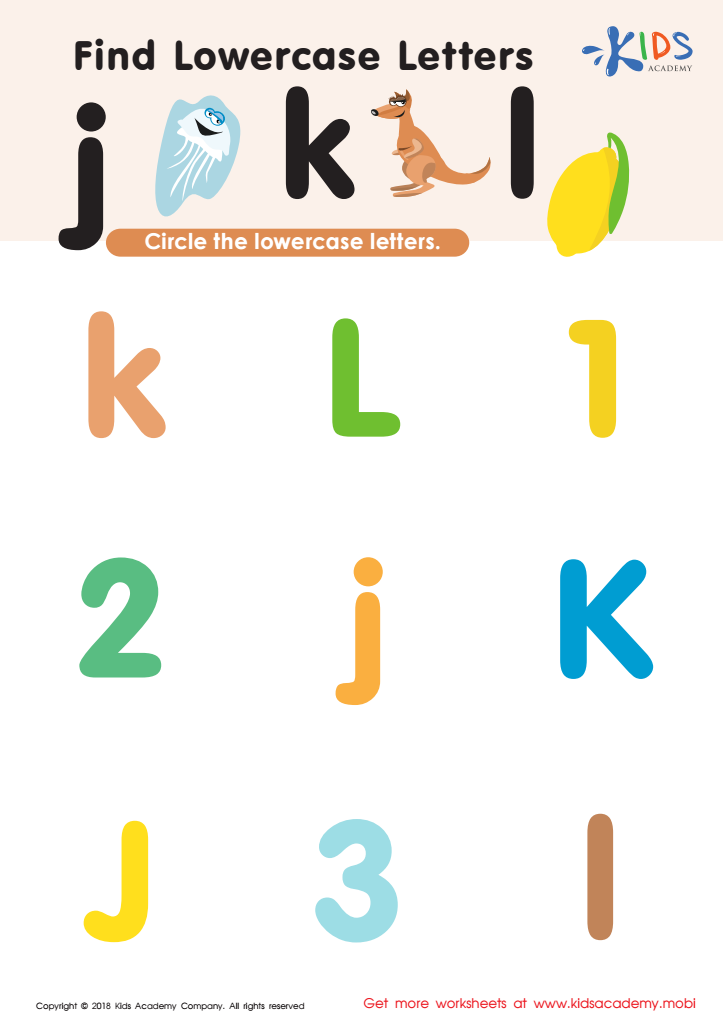
Help your child's brain develop and have fun at the same time! Find and circle the lowercase letters jkl in the worksheet full of uppercase letters and numbers. Colorful drawings and bright colors make this an engaging learning activity.
Find Lowercase Letters j k l Worksheet
Worksheet
Letters G-L Worksheet Preview

Letters G-L Worksheet

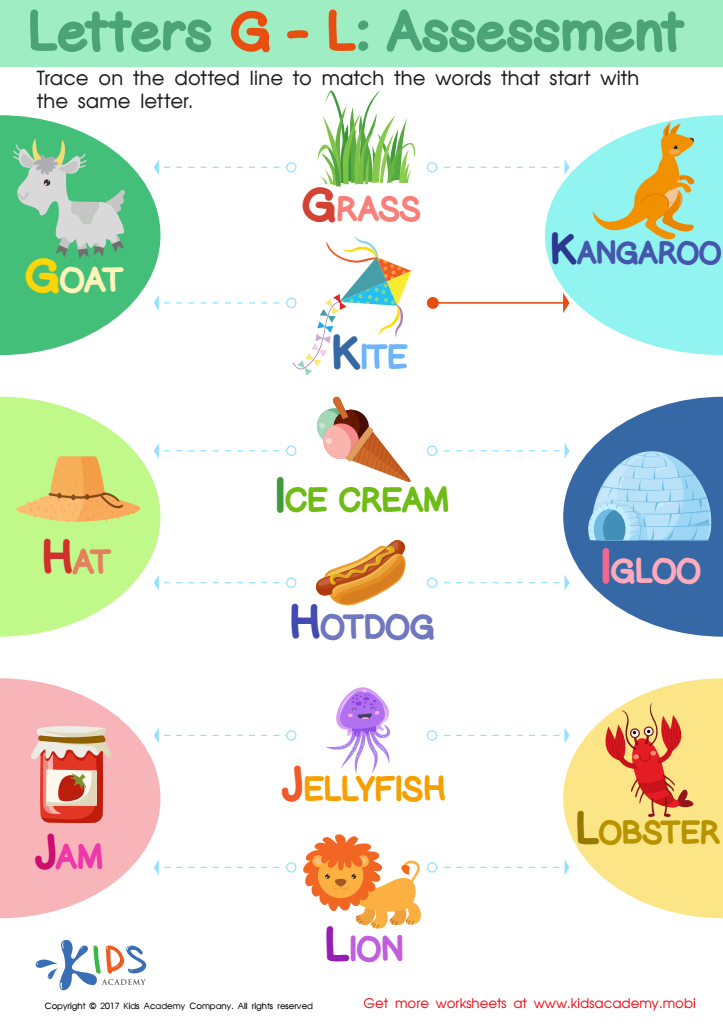
This fun worksheet helps preschoolers develop reading and phonics skills. It gets kids to match G-L words that start with the same letter, making it engaging and educational.
Letters G-L Worksheet
Worksheet
Letter J worksheets
Letter J worksheets

Letter J Tracing Page

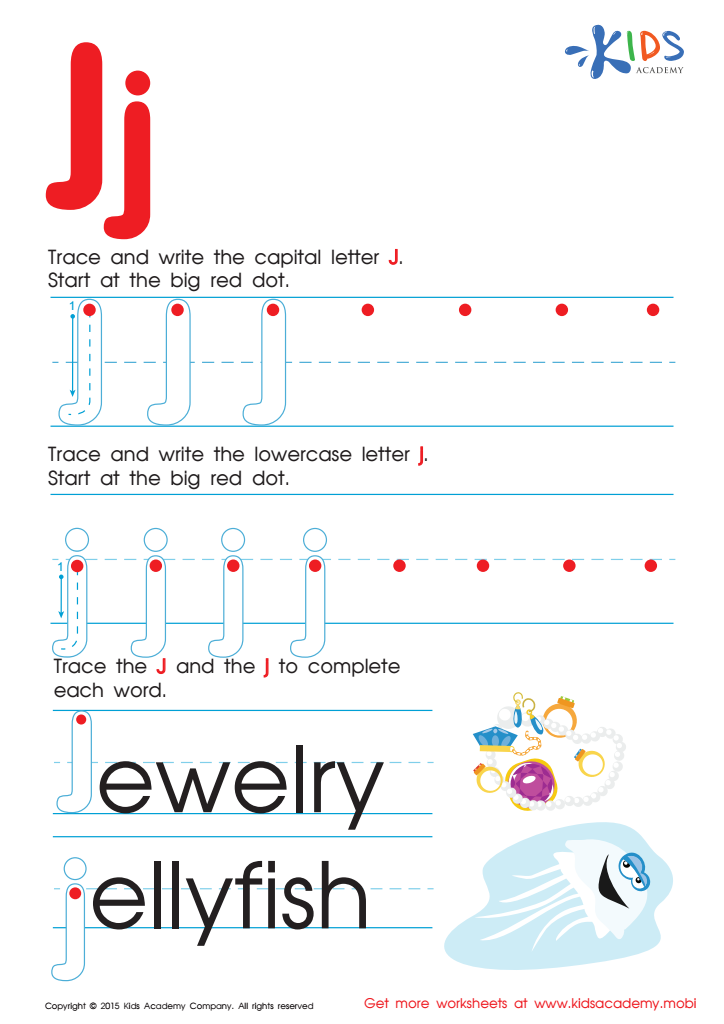
Trace and write the letter "J" with our ABC worksheet - start at the big red dot! Have fun completing words like jewelry, jellyfish and more. Check out our kindergarten activities for more alphabet practice.
Letter J Tracing Page
Worksheet
Letter D Coloring Page

Letter D Coloring Sheet

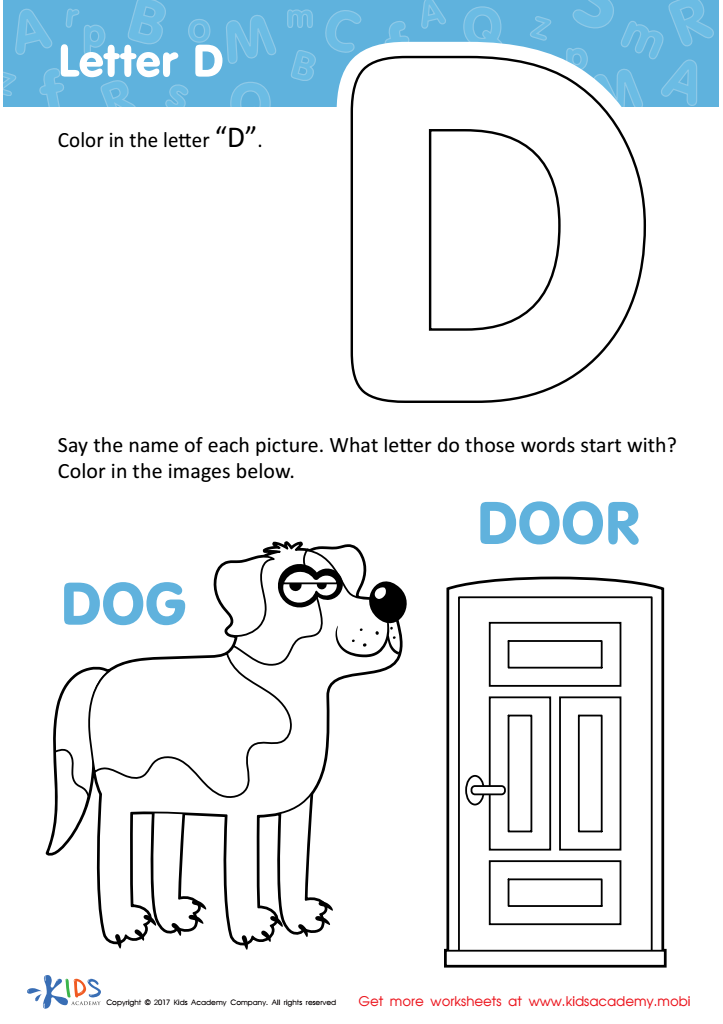
Coloring with this letter "D" page is a great way to encourage your child's creativity while they learn the letter "D" and its sound. It's a fun activity to stimulate their imagination!
Download (PDF)
Assign to My Students
Letter D Coloring Sheet
Worksheet
Uppercase Letters P, Q, and R Worksheet Preview

Uppercase Letters P, Q, and R Worksheet

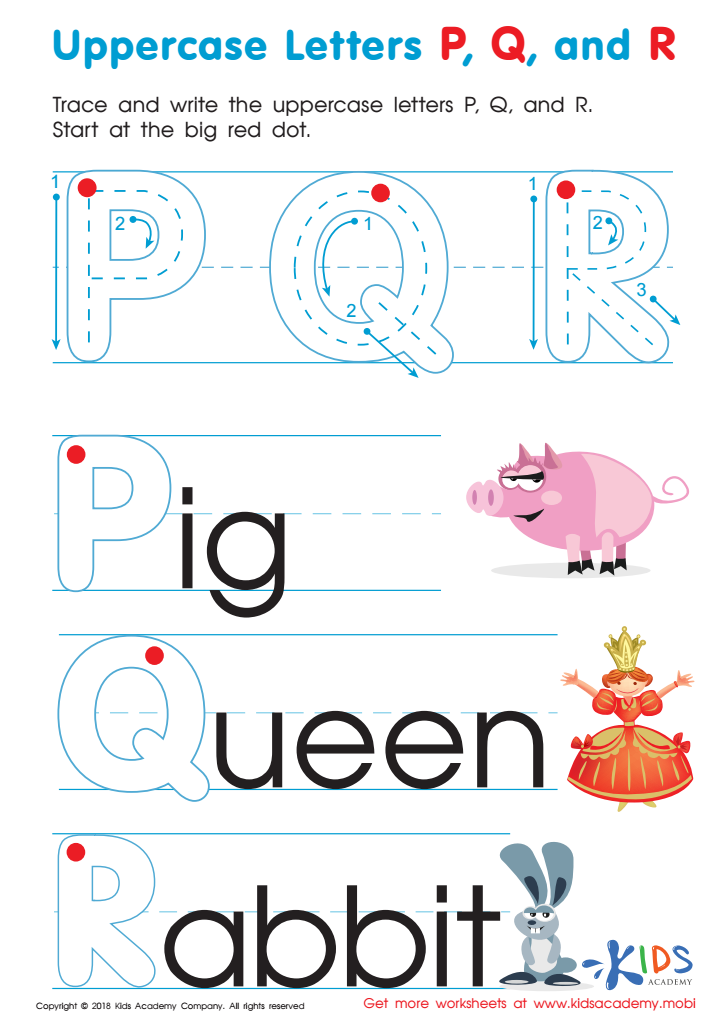
Cute images of a pig, queen and rabbit make it fun to learn letter sounds. Follow the arrows to learn the strokes, then trace each letter from the big red dot. Perfect for kids to learn how to read and write P, Q, and R!
Uppercase Letters P, Q, and R Worksheet
Worksheet
Tracing horizontal lines worksheet

Tracing Horizontal Lines Worksheet
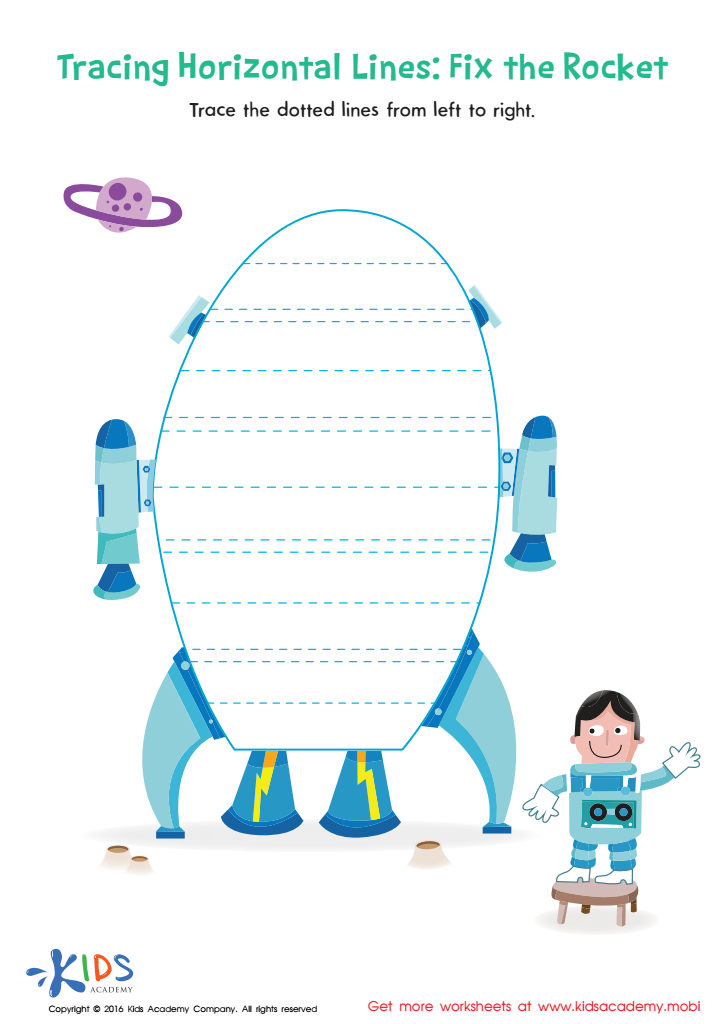
Your child can improve hand-to-eye coordination and pencil grip by tracing horizontal lines on this worksheet. They will have fun drawing lines on the rocket ship, tracing the dotted lines, and then coloring it in. Encourage them to keep going for even more enjoyment!
Tracing Horizontal Lines Worksheet
Worksheet
Letter L and P Tracing Worksheet Preview


Letter L and P Tracing Worksheet

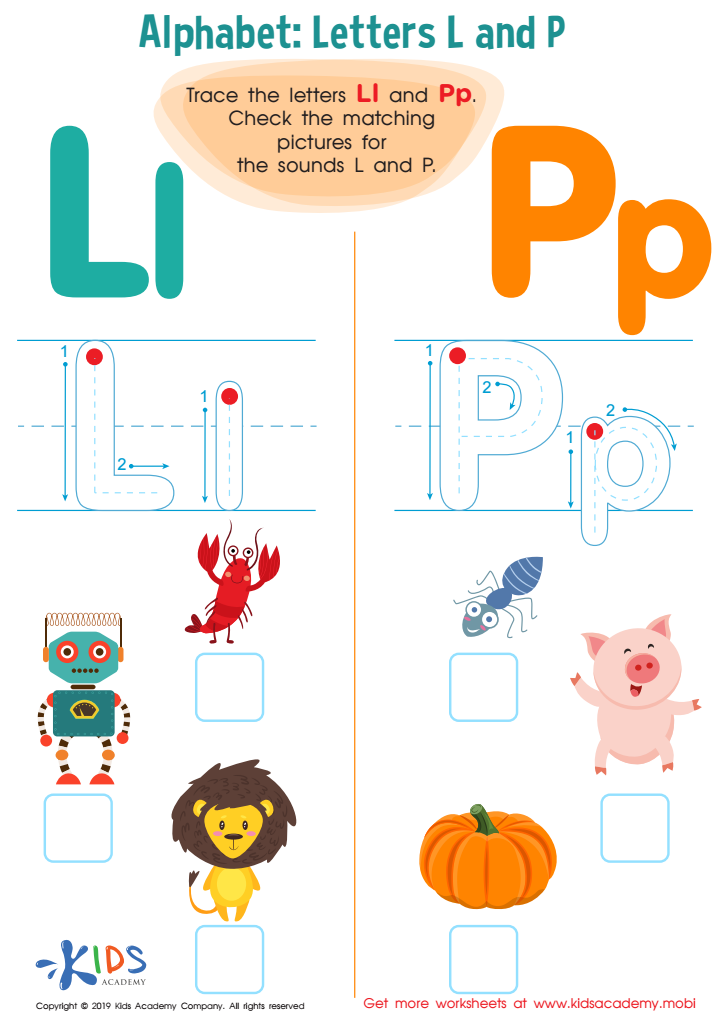
This traceable worksheet can motivate your students to learn and practice core skills. They'll trace the letters 'L' and 'P' and identify the pictures next to them. With this exercise, they'll unlock their learning abilities and excel in the subject!
Letter L and P Tracing Worksheet
Worksheet


Developing fine motor skills and understanding the alphabet for children aged 4-5 is crucial and benefits their overall academic and personal growth. Fine motor skills, the ability to make small, precise movements with their hands, are fundamental for daily tasks such as writing, buttoning clothes, and using utensils. When fine motor skills are honed at an early age, children gain better control and coordination, setting a strong foundation for ease in future learning tasks.

Focusing on the alphabet is equally significant. Recognizing and writing letters serve as the building blocks for language development and literacy. Familiarity with the alphabet boosts children's ability to understand phonics, which in turn improves reading and writing skills. Engaging children in activities that combine fine motor skills with alphabet learning—like tracing, drawing letters in sand, or using alphabet puzzles—provides dual benefits. It makes the learning process fun and interactive while simultaneously strengthening the tiny muscles in their hands.

Overall, investing time and effort into these development areas fosters cognitive growth, enhances creativity, and builds confidence. Parents and teachers who prioritize fine motor skills and alphabet familiarity give children tools that lead to smoother transitions into more complex school tasks and ultimately contribute significantly to their long-term educational success and independence.