Listening skills Alphabet Worksheets for Ages 4-5
7 filtered results
-
From - To
Enhance your child's listening skills with our engaging Alphabet Worksheets designed specifically for ages 4-5! These interactive activities promote critical auditory skills while introducing children to the alphabet. Perfect for early learners, each worksheet includes fun exercises that encourage attentive listening, comprehension, and following directions. As children complete various tasks, they not only strengthen their ability to process sounds but also build a solid foundation for future literacy skills. Our worksheets are easily accessible and perfect for use at home or in the classroom, making learning both enjoyable and effective. Foster your child’s learning journey today with our Listening Skills Alphabet Worksheets!
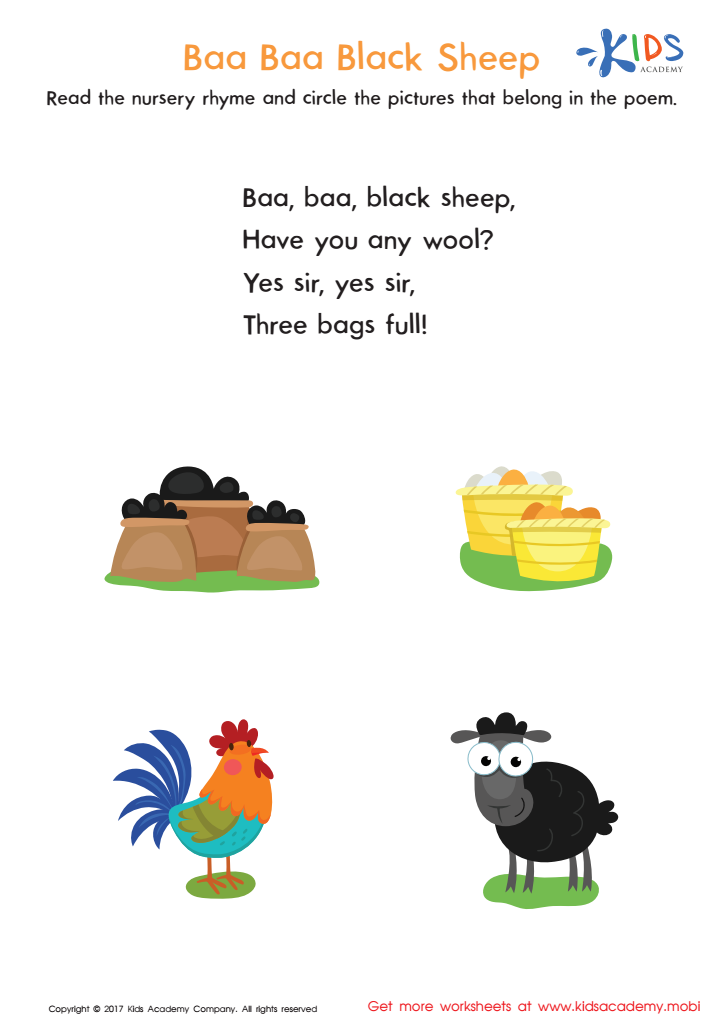
Baa Baa Black Sheep Printable
 Assign to My Students
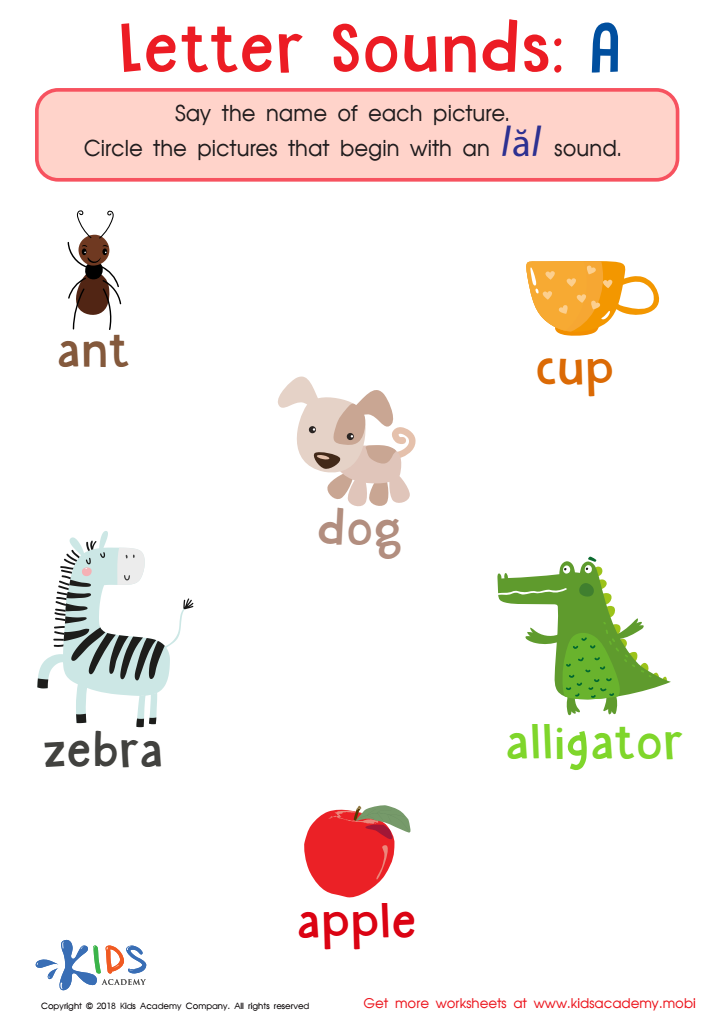
Letter A Sounds Worksheet
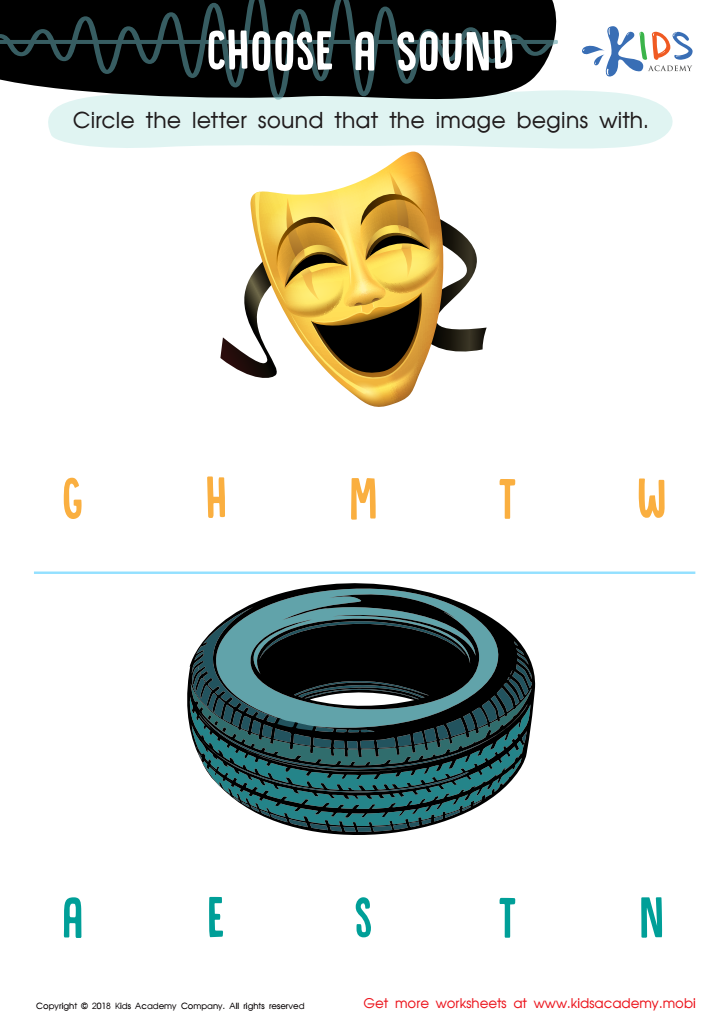
Choose a Sound Worksheet
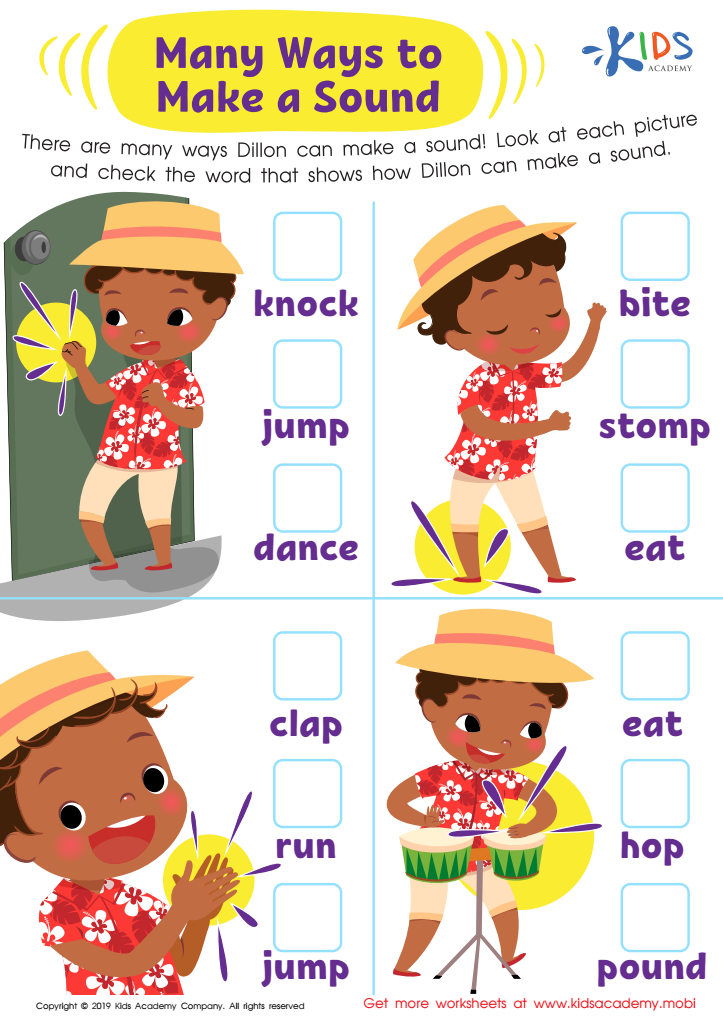
Many Ways to Make a Sound Worksheet
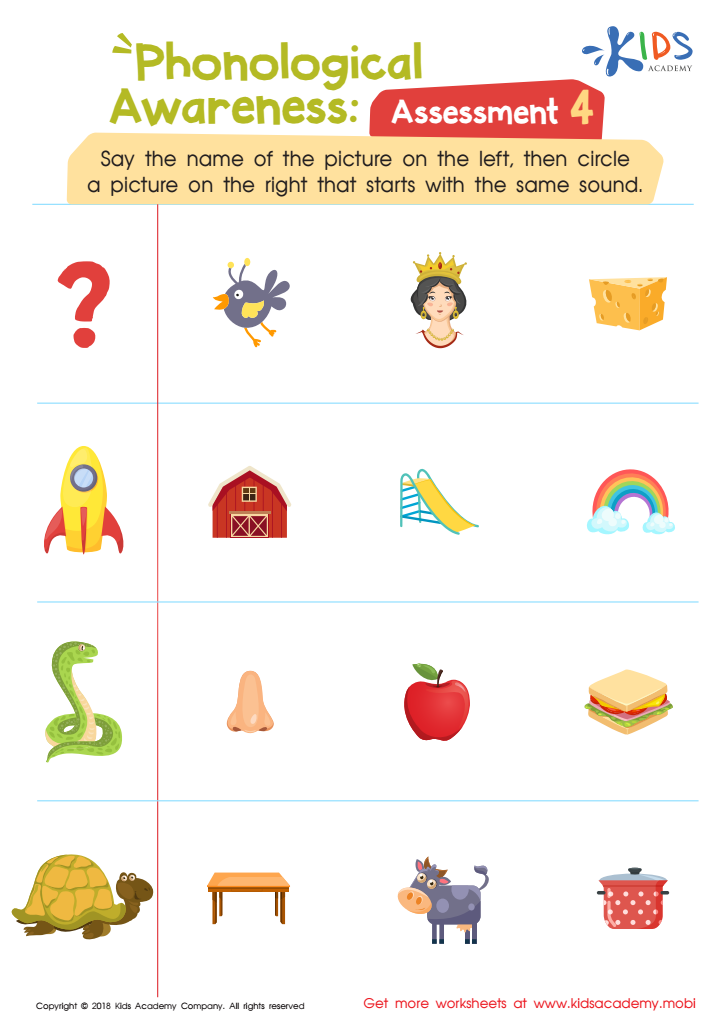
Phonological Awareness: Assessment 4 Worksheet
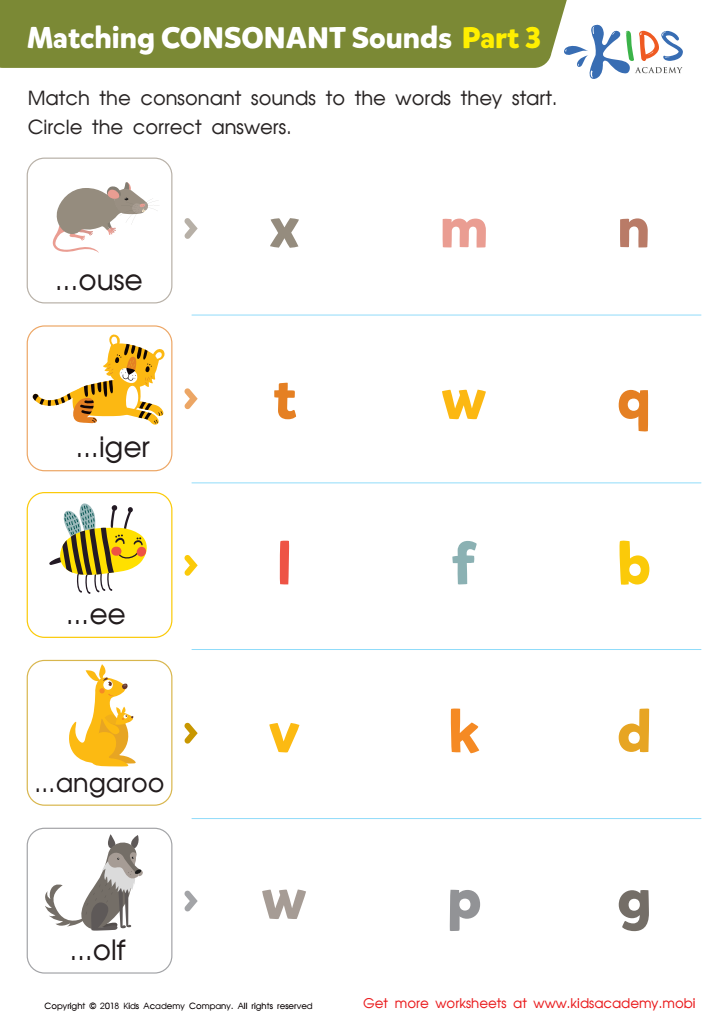
Matching Consonant Sounds: Part 3 Worksheet
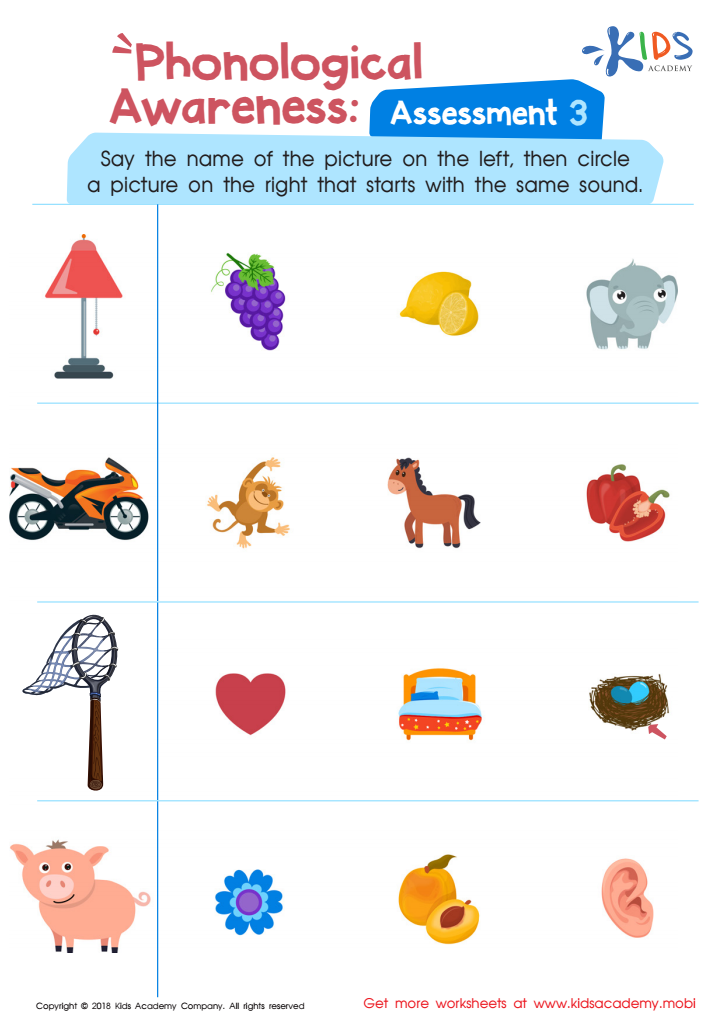
Phonological Awareness: Assessment 3 Worksheet







Listening skills are foundational for young children, especially for ages 4-5, as they embark on their educational journey. At this stage, children are highly impressionable and receptive to language acquisition. Developing listening skills is crucial for several reasons.
Firstly, effective listening promotes better communication. Children who can listen attentively are more likely to understand instructions, participate in discussions, and express their thoughts clearly. This is essential in a group learning environment where sharing ideas and collaborating with peers takes place.
Secondly, strong listening skills enhance cognitive development. When children listen to stories or instructions, they engage their imagination and memory, which strengthens neural connections and improves overall learning. Such engagement also fosters a love for reading and storytelling, crucial components of early literacy.
Moreover, developing listening skills helps in social-emotional growth. As children listen to others, they learn empathy, taking turns in conversations, and understanding the perspectives of their peers.
Lastly, emphasizing listening skills early on sets the foundation for lifelong learning. By caring about and nurturing these abilities now, parents and teachers can empower children to become confident communicators and active learners in the future. Prioritizing listening isn’t just about following directions; it’s about opening doors to countless opportunities for growth and connection.







