Shape Recognition Alphabet Worksheets for Ages 4-5
4 filtered results
-
From - To
Explore our captivating Shape Recognition Alphabet Worksheets tailored for children aged 4-5. These engaging resources combine early literacy and shape recognition to foster essential skills in your little learners. Each worksheet features colorful illustrations and playful activities that encourage kids to identify and match shapes with corresponding alphabet letters. Designed with fun and creativity in mind, our worksheets make learning a joyful experience, promoting both cognitive and motor skills. Ideal for home or classroom use, these printables support the development of foundational knowledge in an interactive way. Start your child’s educational journey today with our delightful shape recognition activities!
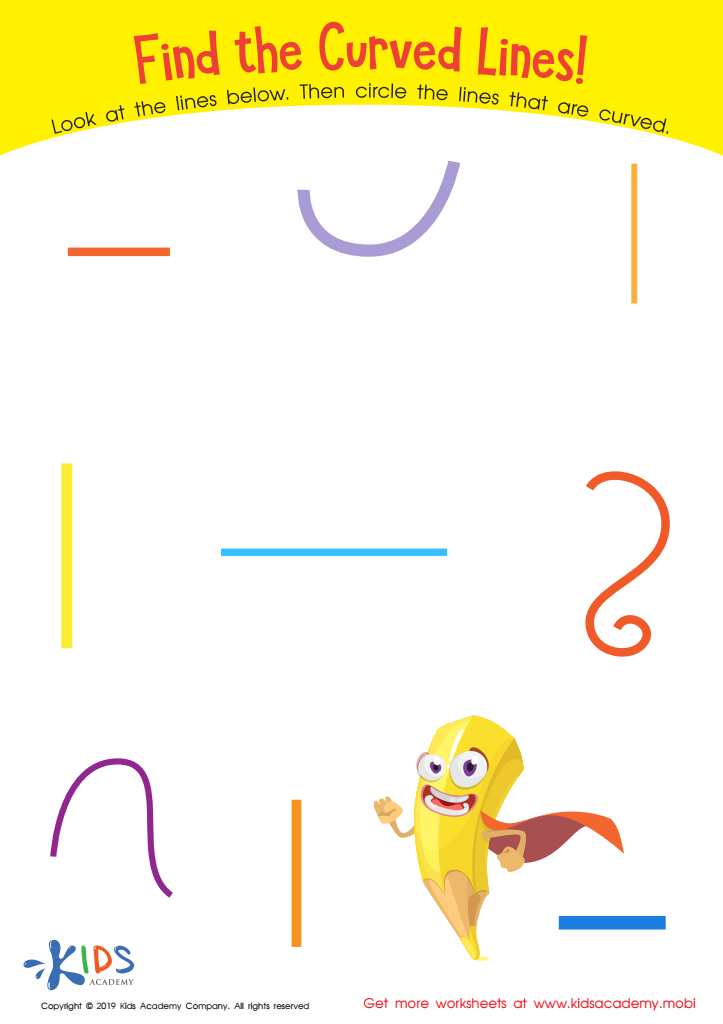
Find the Curved Lines! Worksheet
 Assign to My Students
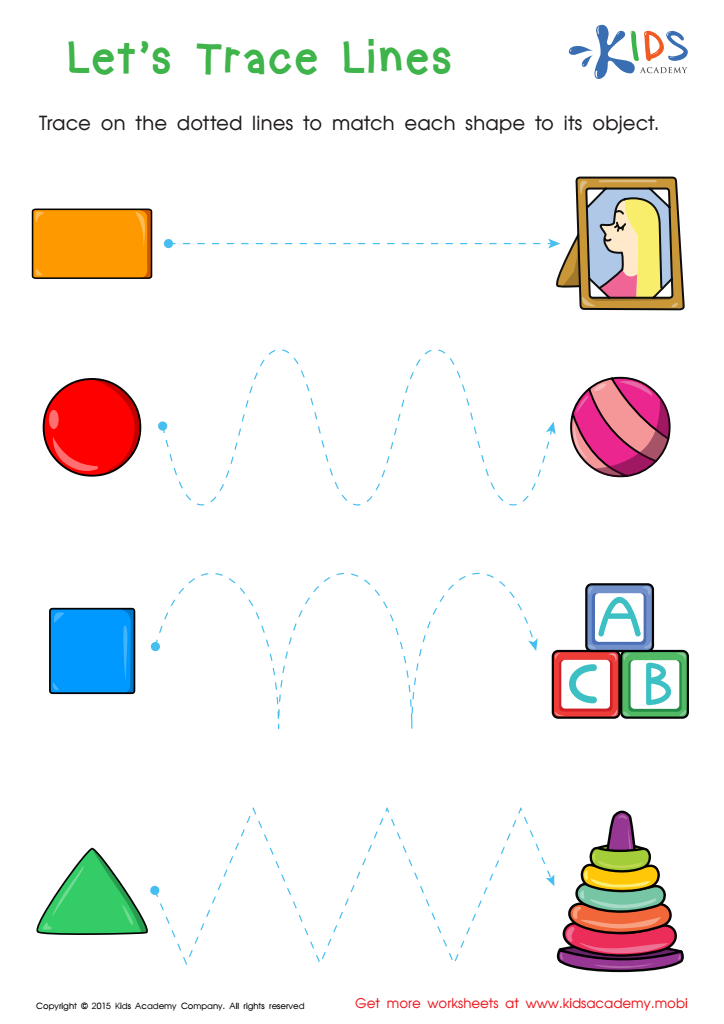
First Words: Let's Trace Lines Worksheet
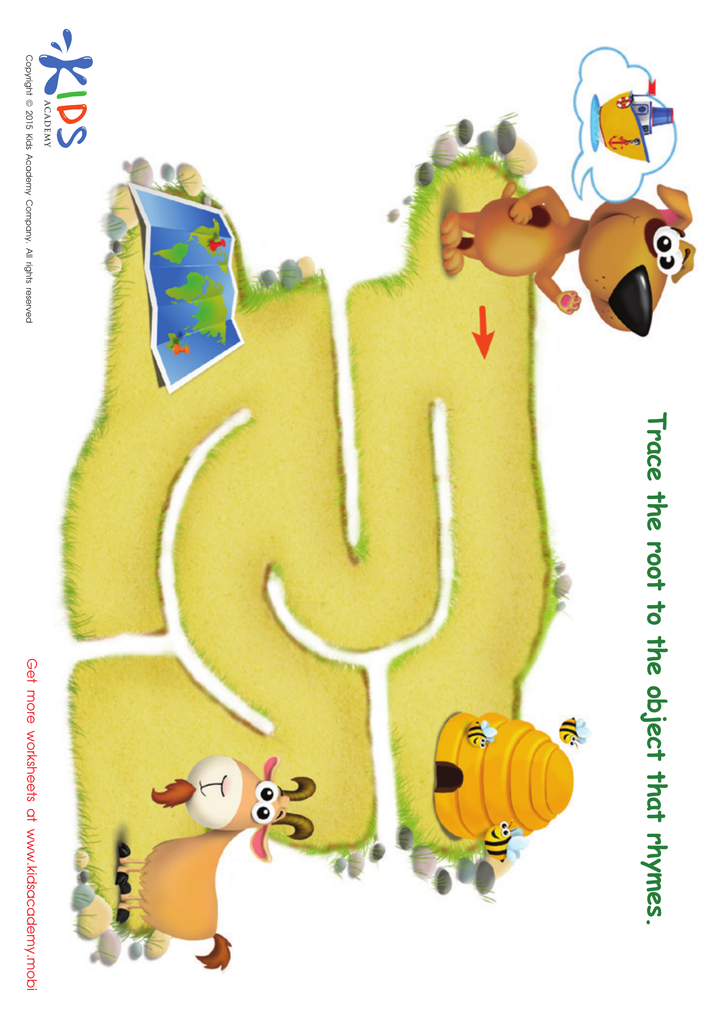
Boat Rhyming Words Worksheet
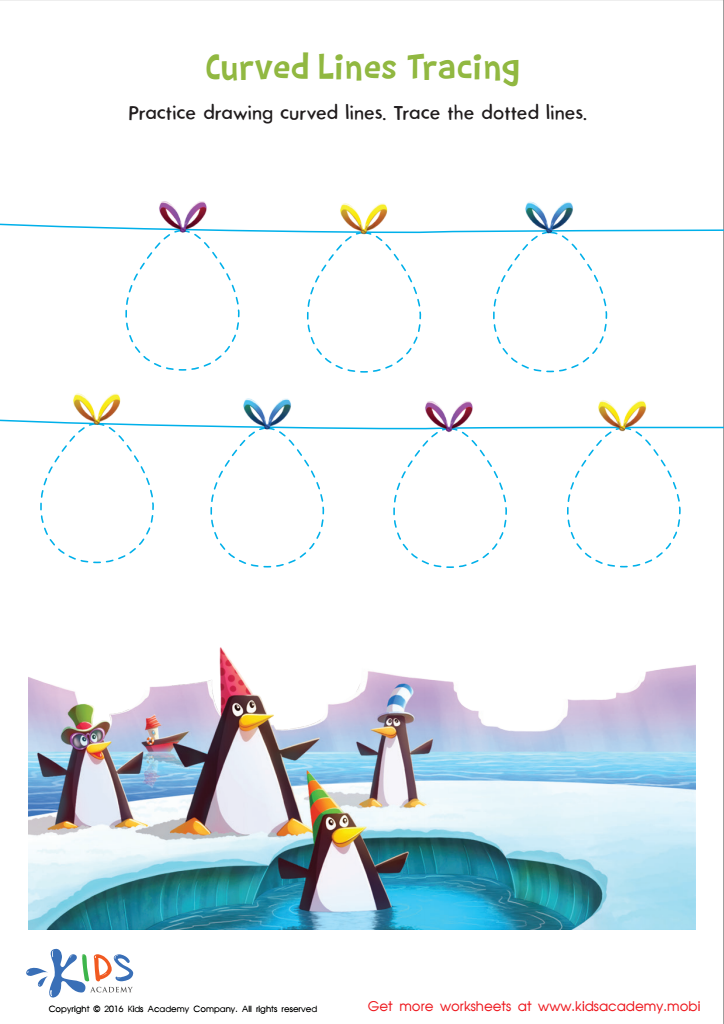
Curved Lines Tracing Worksheet








Shape recognition is a foundational skill for children ages 4-5, significantly influencing their cognitive development and future learning. Understanding shapes lays the groundwork for critical thinking, spatial awareness, and mathematics. By recognizing and differentiating between various shapes—like circles, squares, and triangles—children develop their observational skills and learn to categorize their environment.
For parents and teachers, fostering shape recognition means enhancing children's problem-solving abilities and creativity. These skills can be seamlessly integrated into everyday activities, such as playing with toys, drawing, or navigating their environment. Recognizing shapes also helps in engaging children in conversations about geometry and math concepts—essential subjects later in their education.
Moreover, shape recognition can promote fine motor skills as children trace shapes or use them in arts and crafts. It also supports language development, as children learn new vocabulary relating to shapes and their attributes.
Ultimately, prioritizing shape recognition helps build a strong foundation for a child’s academic journey, making it essential for parents and teachers to prioritize this learning area. By nurturing these skills early, we can inspire curiosity and foster confident, capable learners ready for future challenges in the classroom and beyond.







