Alphabet Recognition Letter Recognition Worksheets for Ages 4-5 - Page 2
44 filtered results
-
From - To
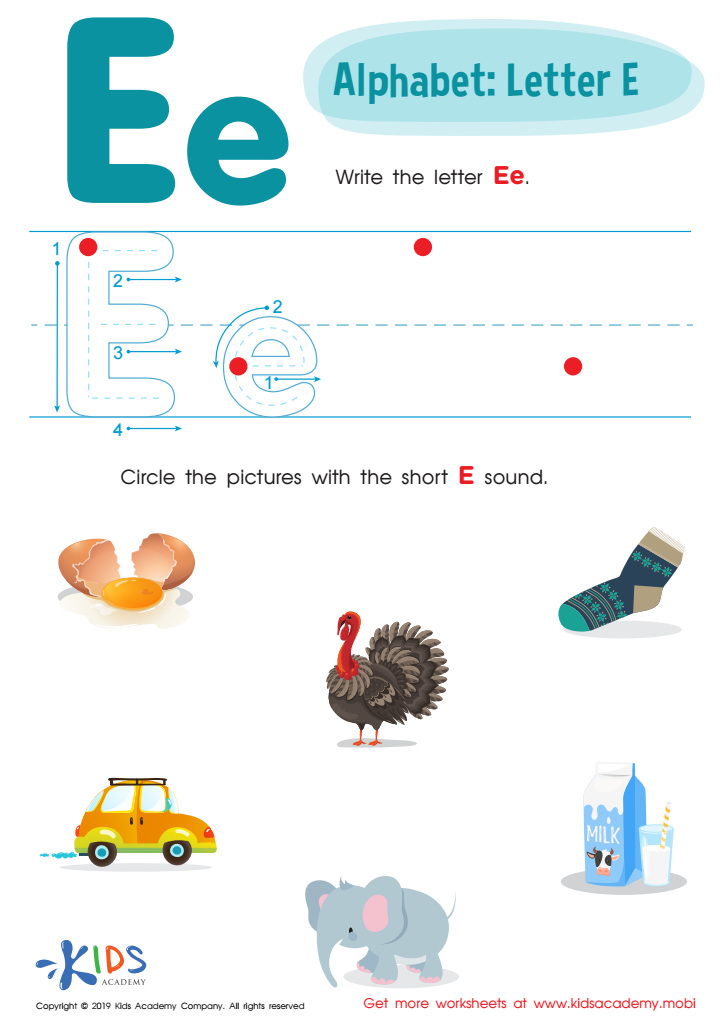
Letter E Tracing Worksheet
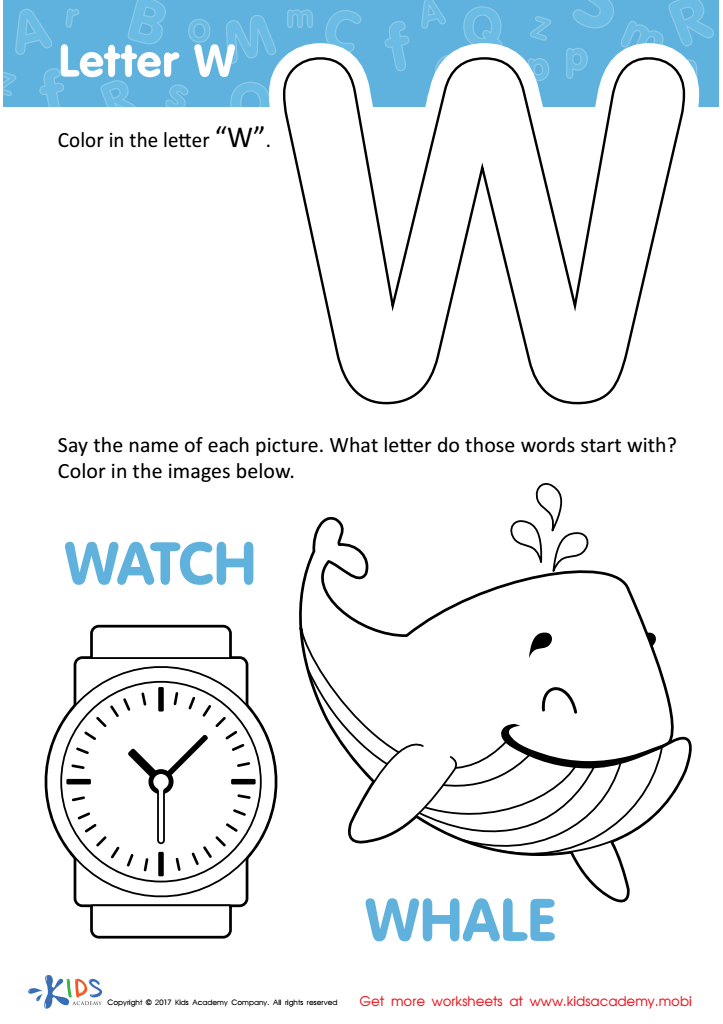
Letter W Coloring Sheet
 Assign to My Students
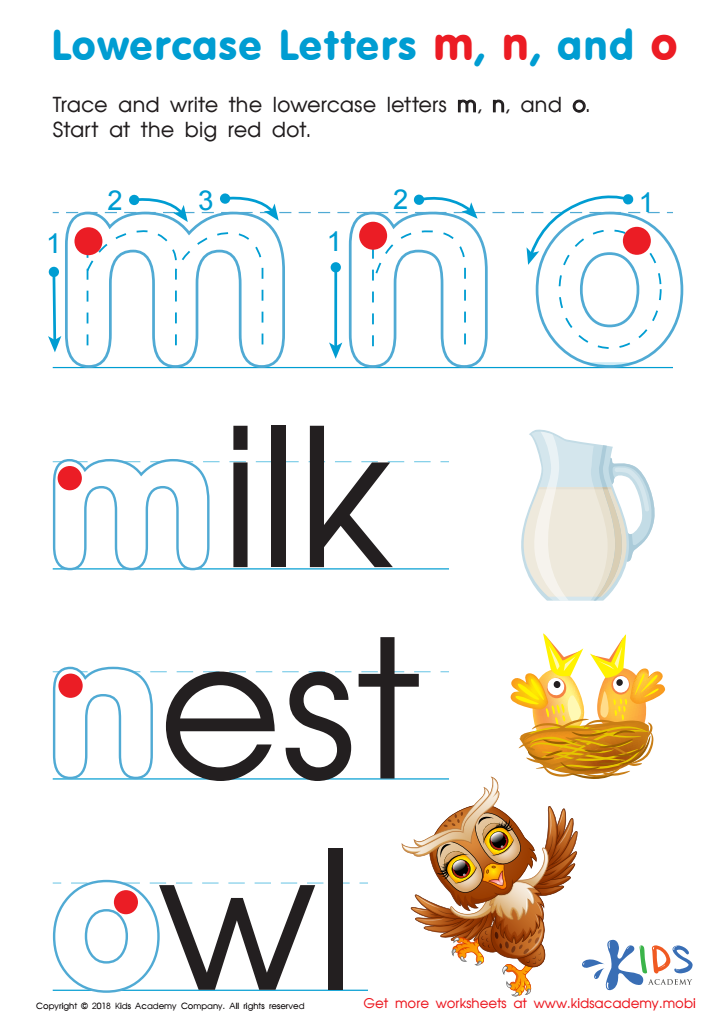
Lowercase Letters m n o Worksheet
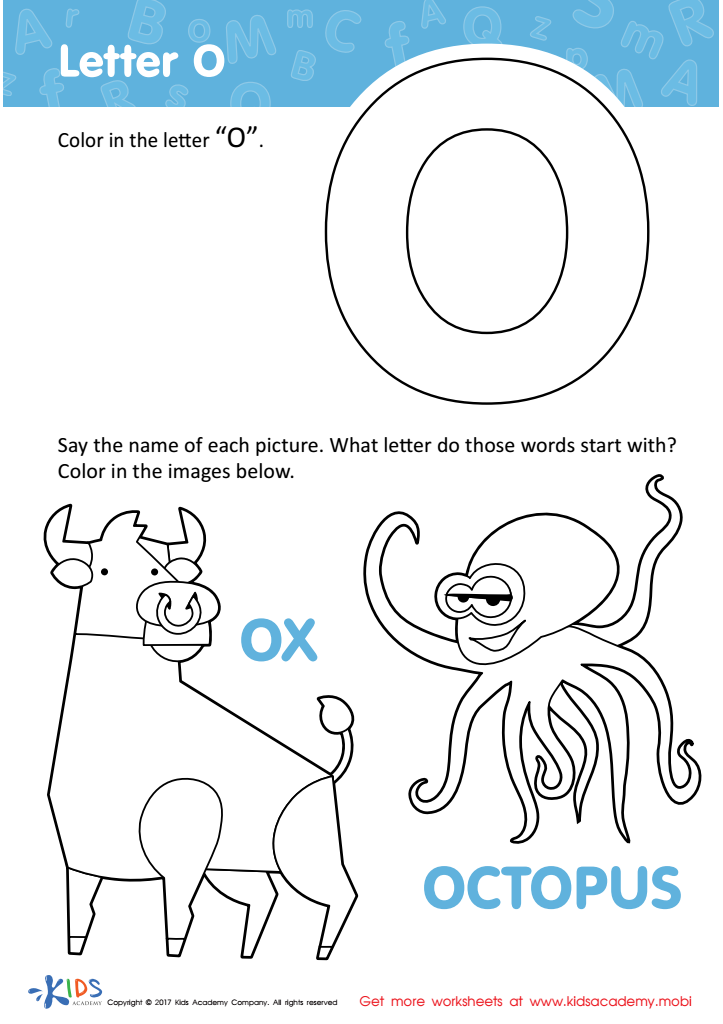
Letter O Coloring Sheet
Assign to My Students
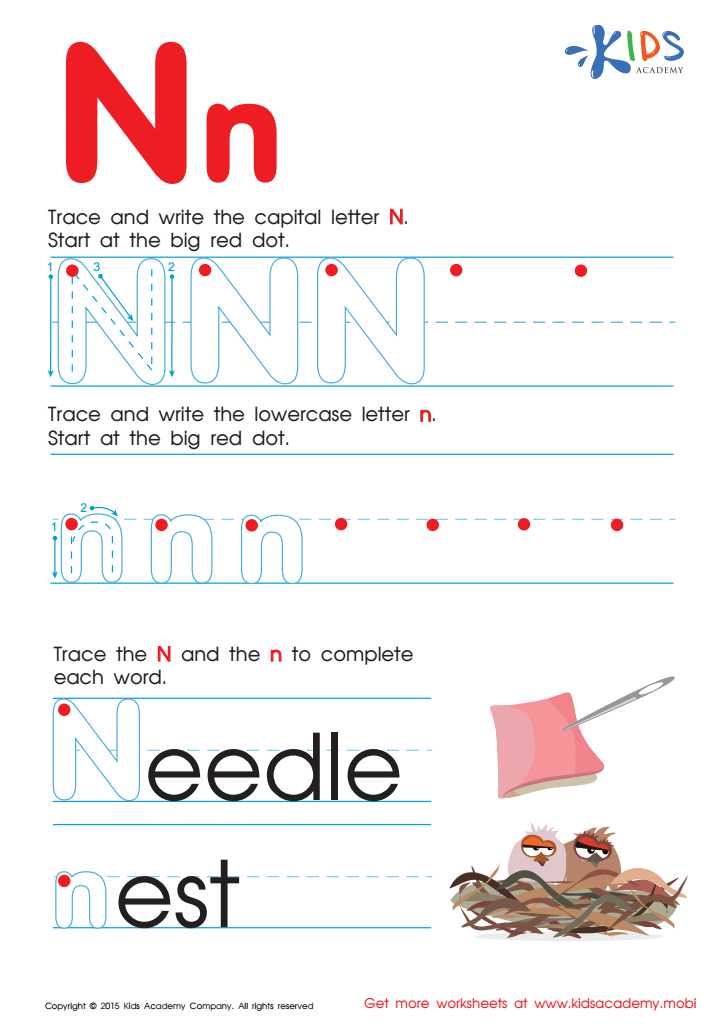
Letter N Tracing Page

Letter B Tracing Page
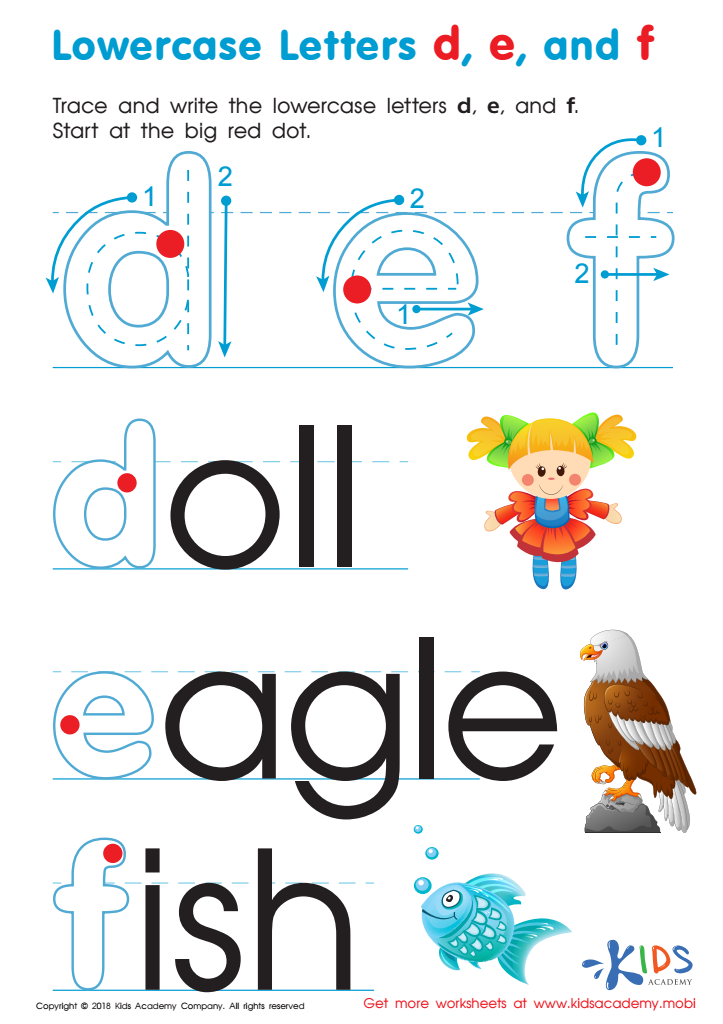
Lowercase Letters d e f Worksheet
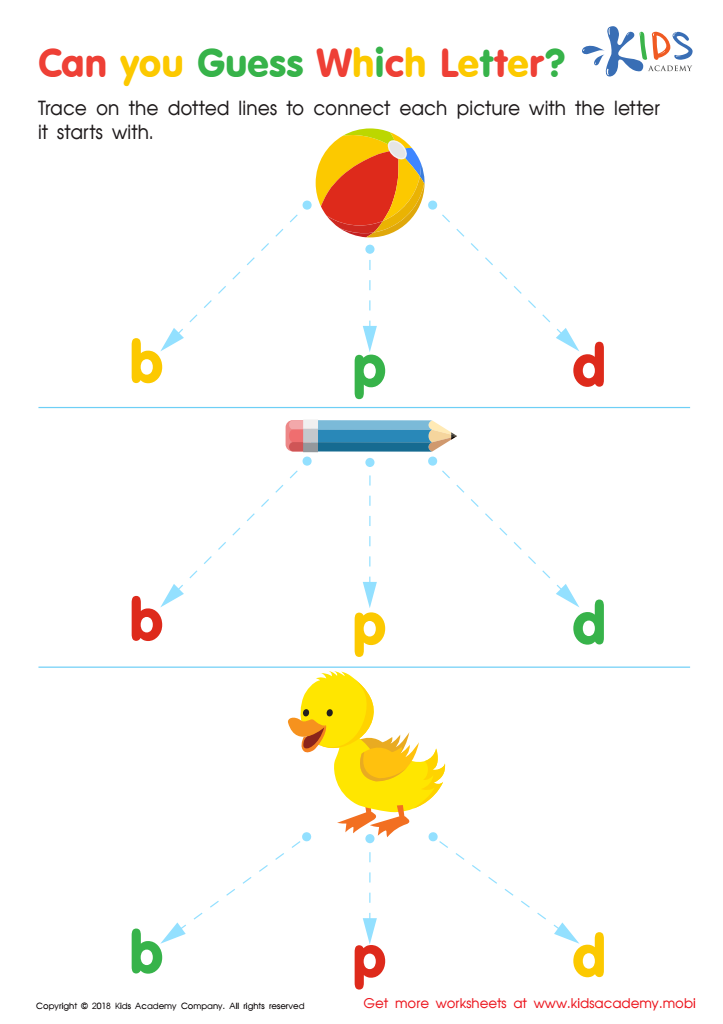
Can you Guess Which Letter? Worksheet
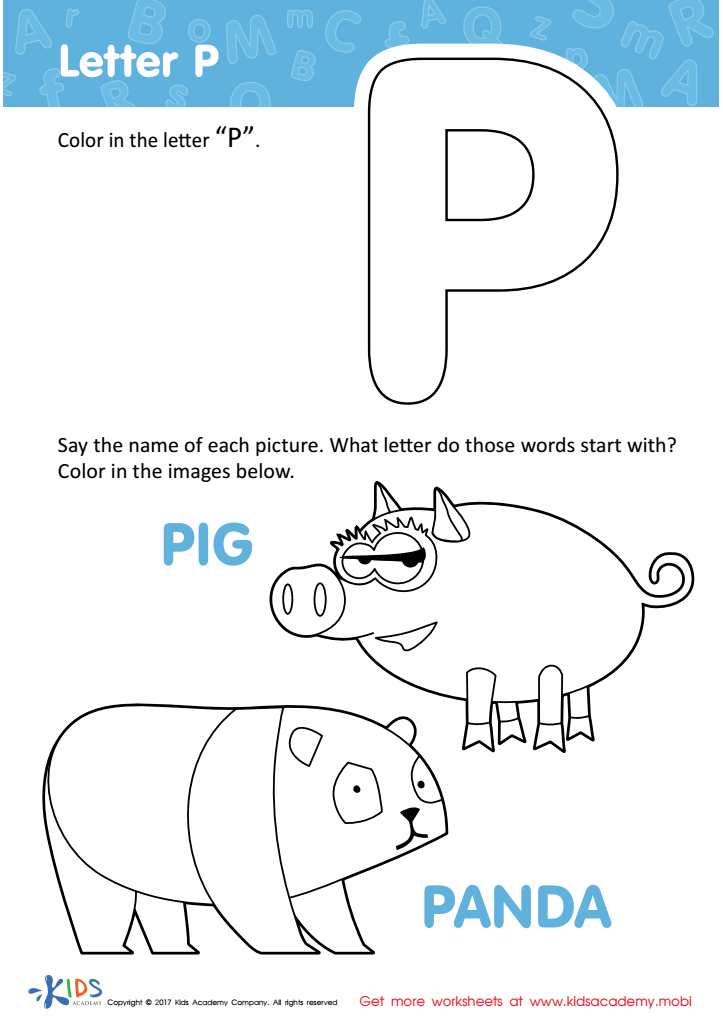
Letter P Coloring Sheet
Assign to My Students

Letter E Tracing Page
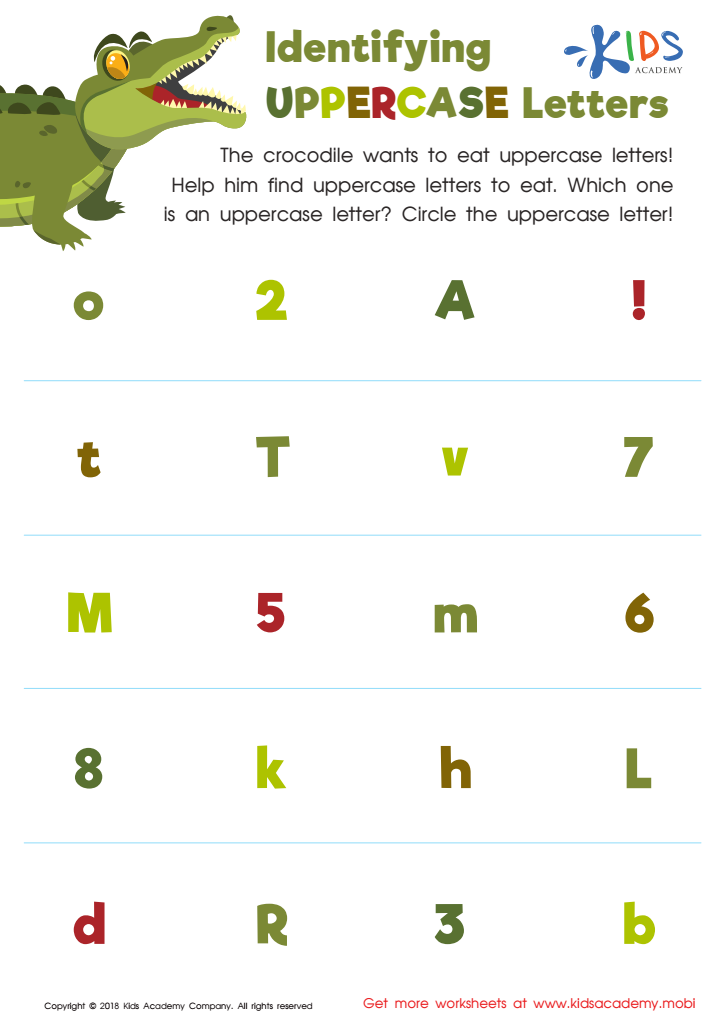
Identifying Uppercase Letters Worksheet
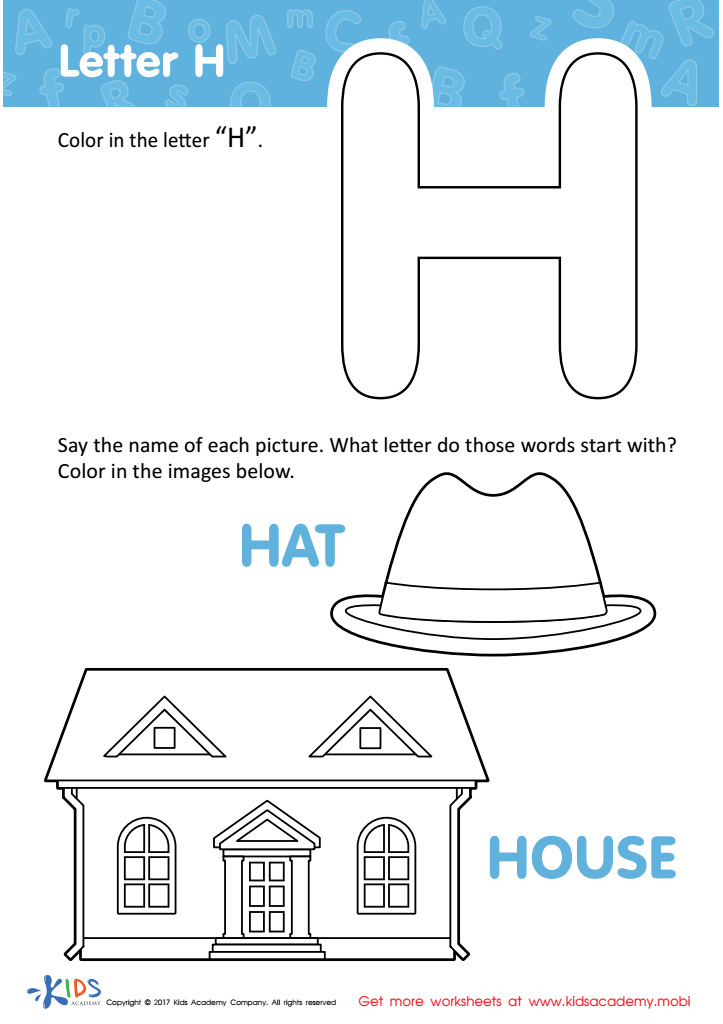
Letter H Coloring Sheet
Assign to My Students
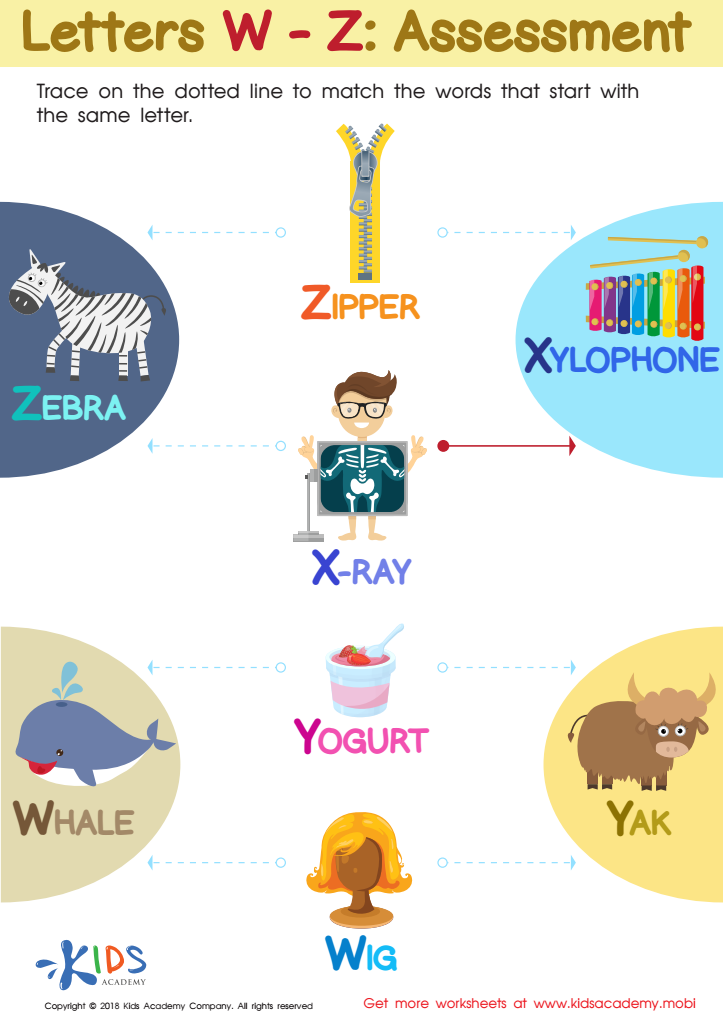
Letters W–Z Tracing Worksheet
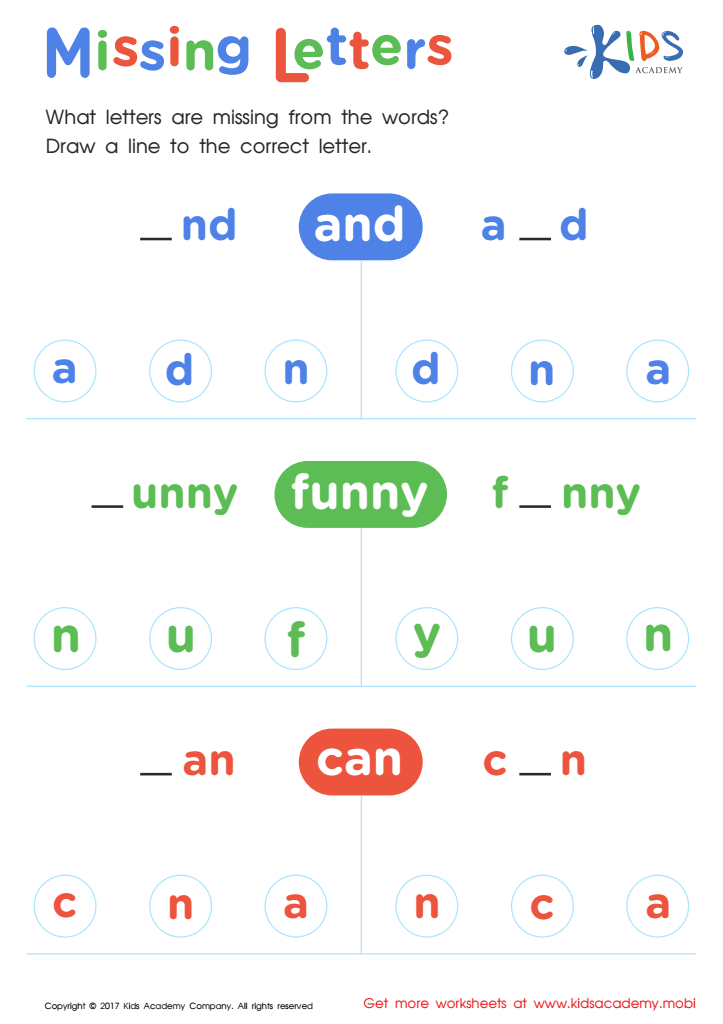
Missing Letters Worksheet
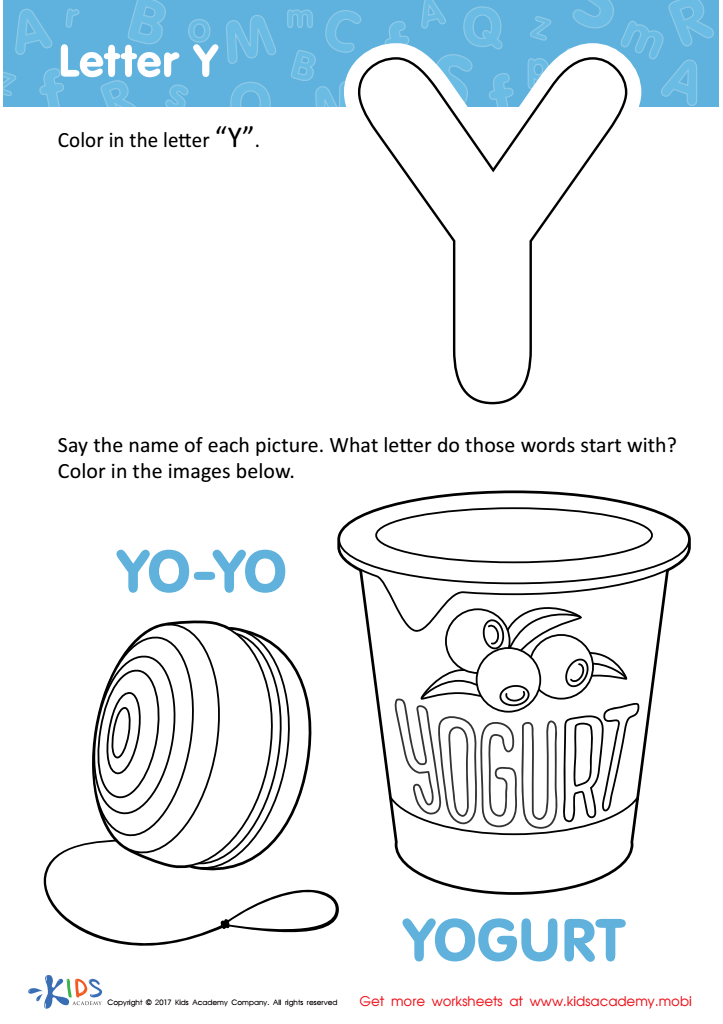
Letter Y Coloring Sheet
Assign to My Students
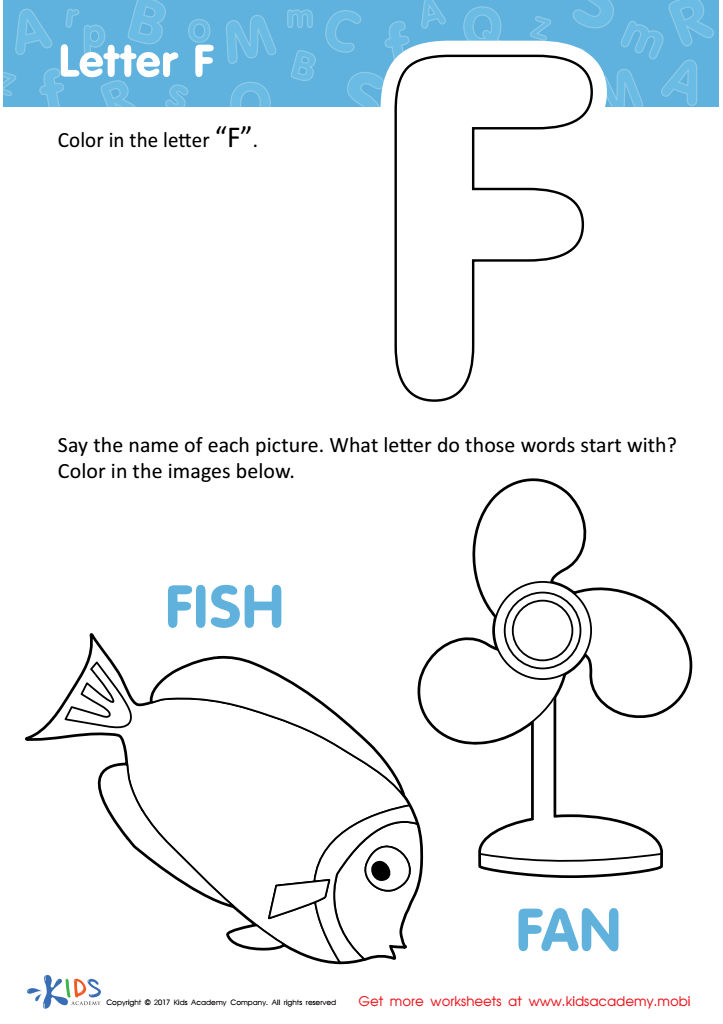
Letter F Coloring Sheet
Assign to My Students
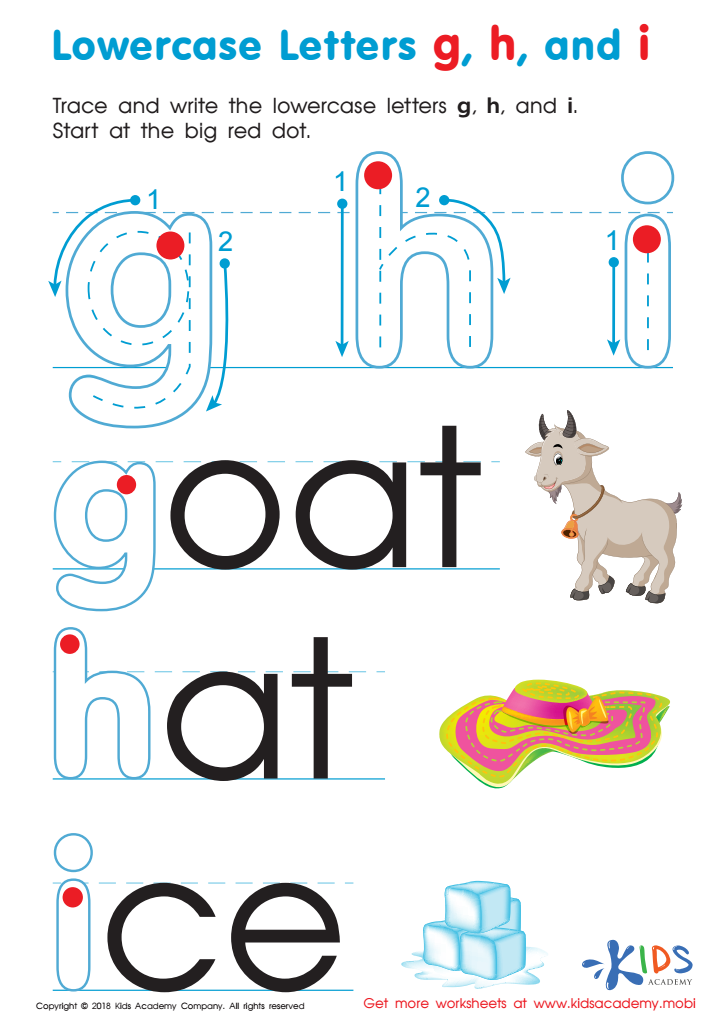
Lowercase Letters g h i Worksheet
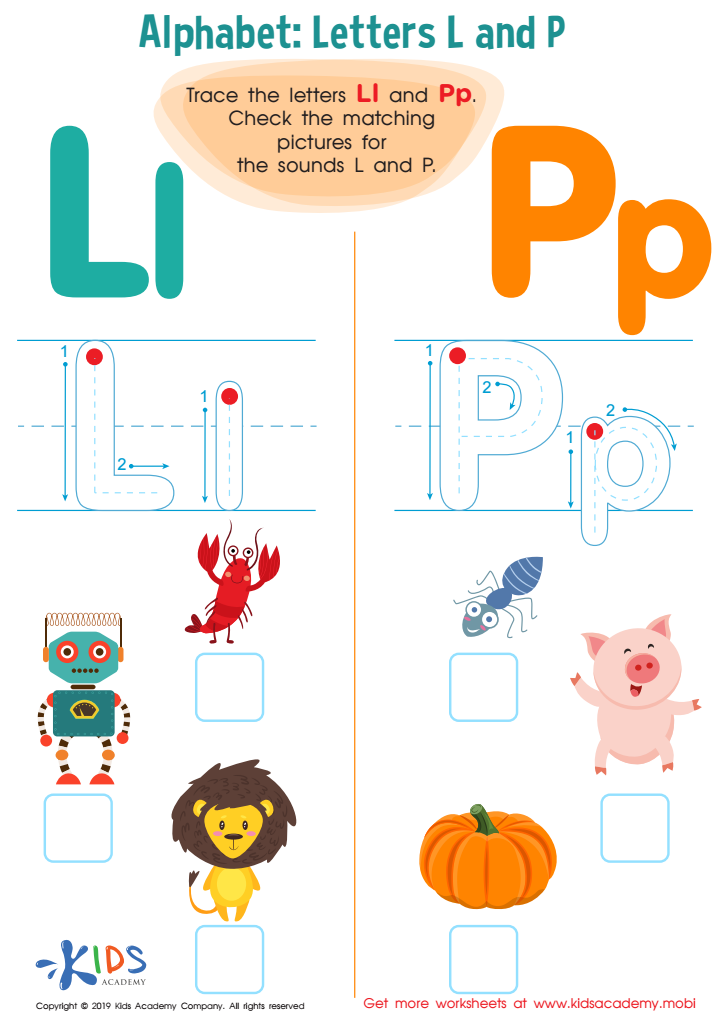
Letter L and P Tracing Worksheet
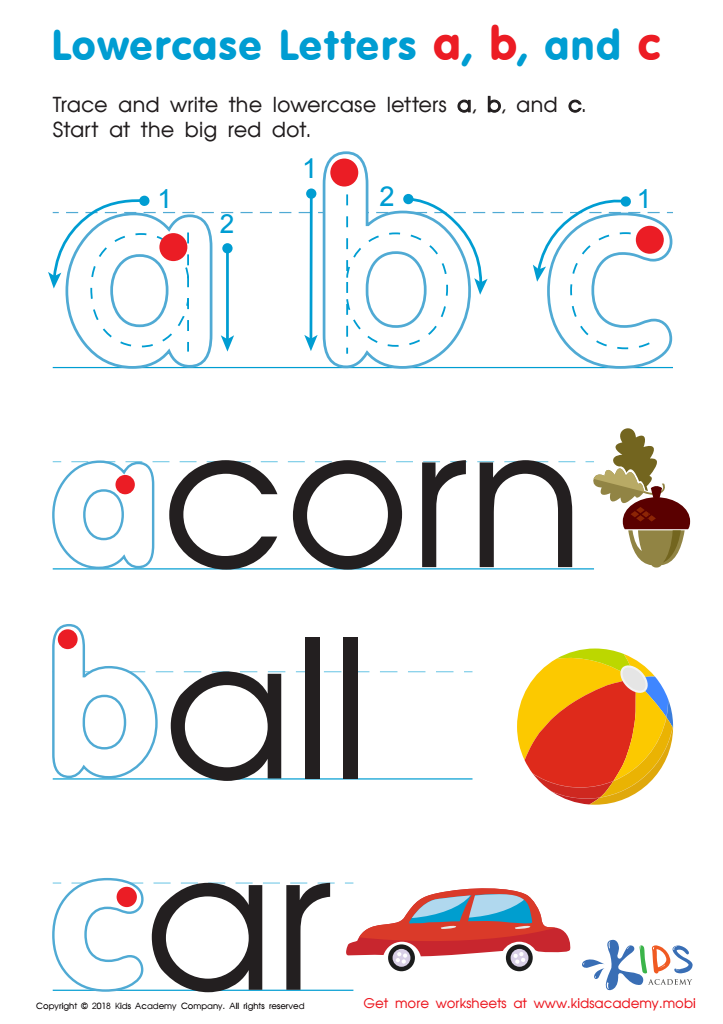
Lowercase Letters a b c Worksheet
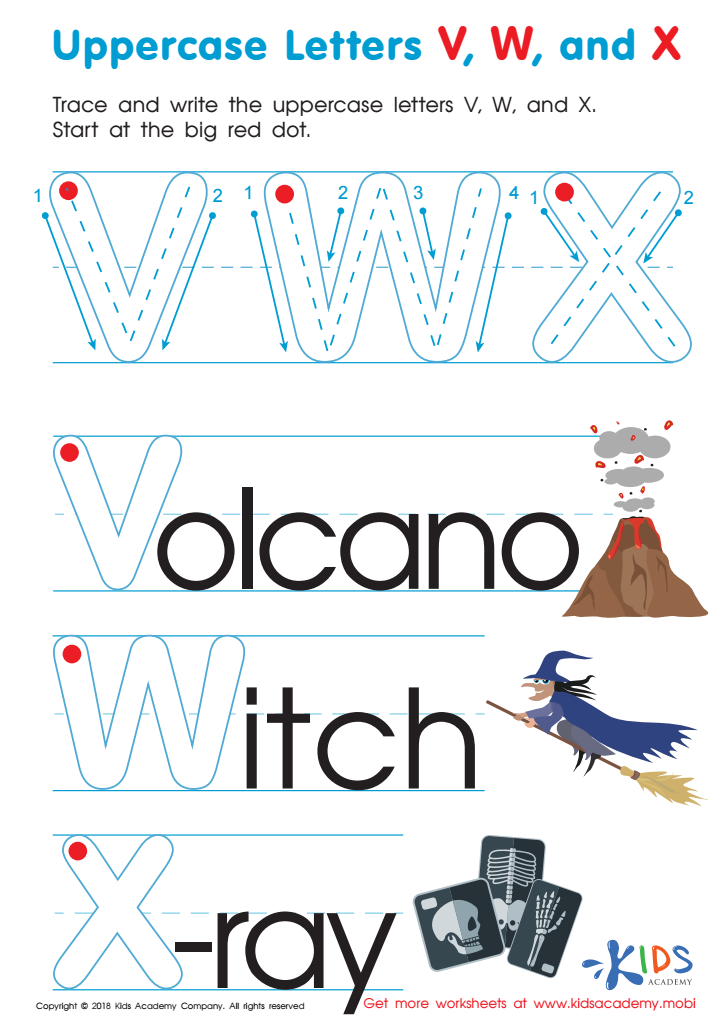
Uppercase Letters V, W, and X Worksheet








Alphabet recognition is a crucial milestone in early childhood education, fundamentally impacting a child's ability to read and write. At ages 4-5, children's brains are incredibly receptive to learning new concepts, making this the perfect time to introduce them to the alphabet.
Firstly, knowing their letters provides children with the foundational blocks they need for language acquisition. Recognizing each letter enables them to understand that letters represent sounds and that these sounds combine to form words. This phonemic awareness is critical for both reading and spelling.
Moreover, early alphabet recognition sets the stage for more complex literacy skills. Children who can identify letters are better prepared to grasp word structures, eventually leading to fluent reading. This sets a positive trajectory for academic success, as literacy is often correlated with broader learning capabilities.
Additionally, familiarity with letters fosters confidence. As children master the alphabet, their self-esteem boosts, encouraging a love for learning and reading. This positive experience at an early age can cultivate lifelong learning habits.
Lastly, in today’s interconnected world, literacy is not just an academic requirement but a vital life skill. By ensuring that children aged 4-5 achieve alphabet recognition, parents and teachers are equipping them with the necessary tools for effective communication and learning in future educational endeavors.







