Alphabet tracing Letter Recognition Worksheets for Ages 4-5
8 filtered results
-
From - To
Introduce your child to the world of letters with our Alphabet Tracing Letter Recognition Worksheets, designed specially for ages 4-5. These fun and engaging worksheets help young learners identify and trace letters, boosting their early literacy skills. Perfect for preschoolers, each sheet features both uppercase and lowercase letters, ensuring comprehensive letter recognition. With colorful illustrations and simple instructions, kids stay motivated while enhancing fine motor skills and hand-eye coordination. Ideal for classroom activities or at-home learning, these worksheets are an excellent foundation for your child's reading and writing journey. Unlock the joy of learning alphabets today!
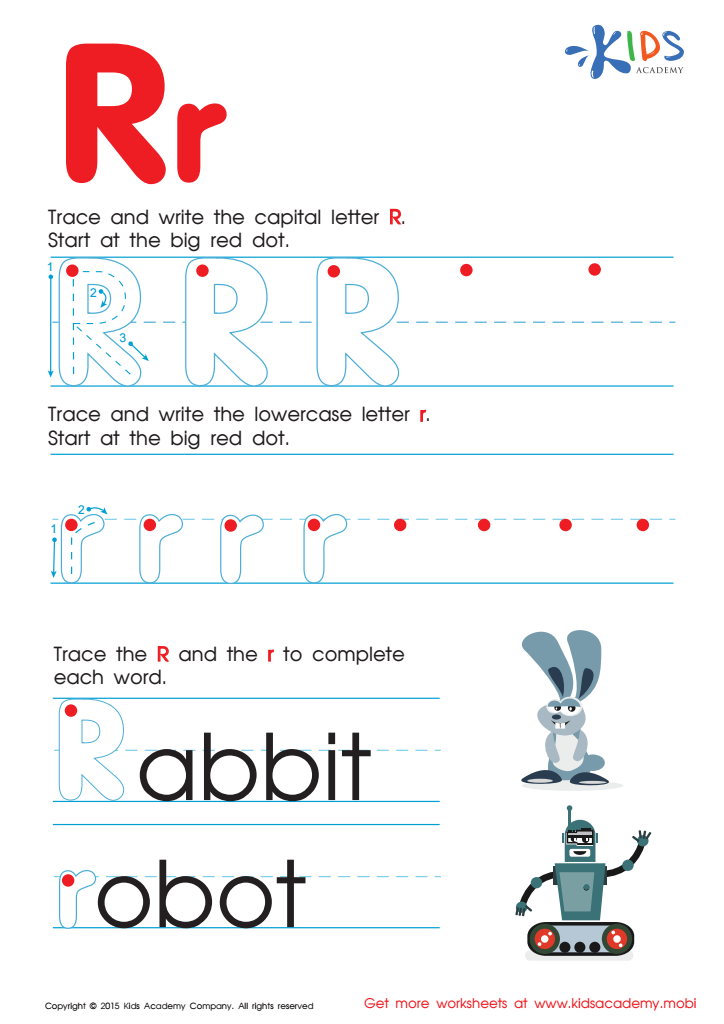
Letter R Tracing Page
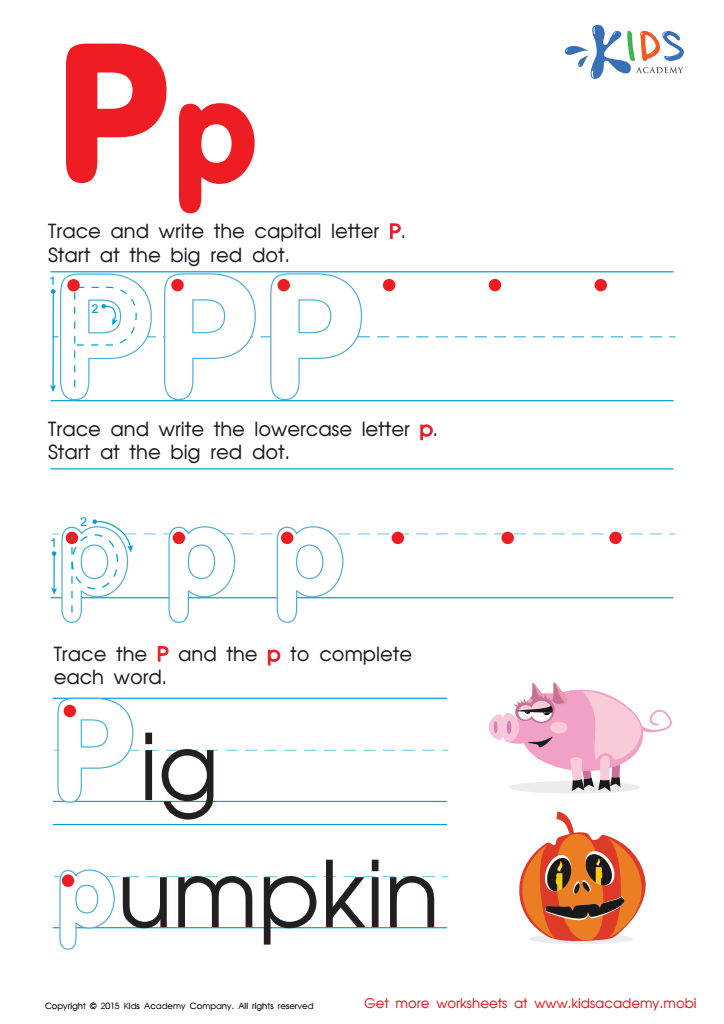
Letter P Tracing Page
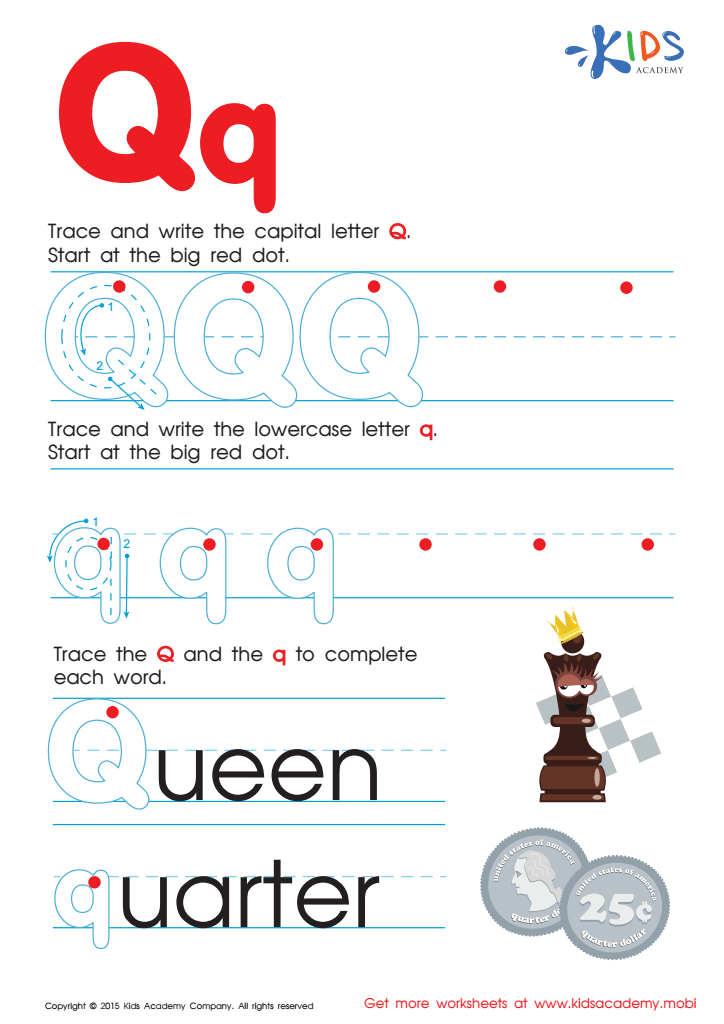
Letter Q Tracing Page

Letter H Tracing Page

Letter A Tracing Worksheet
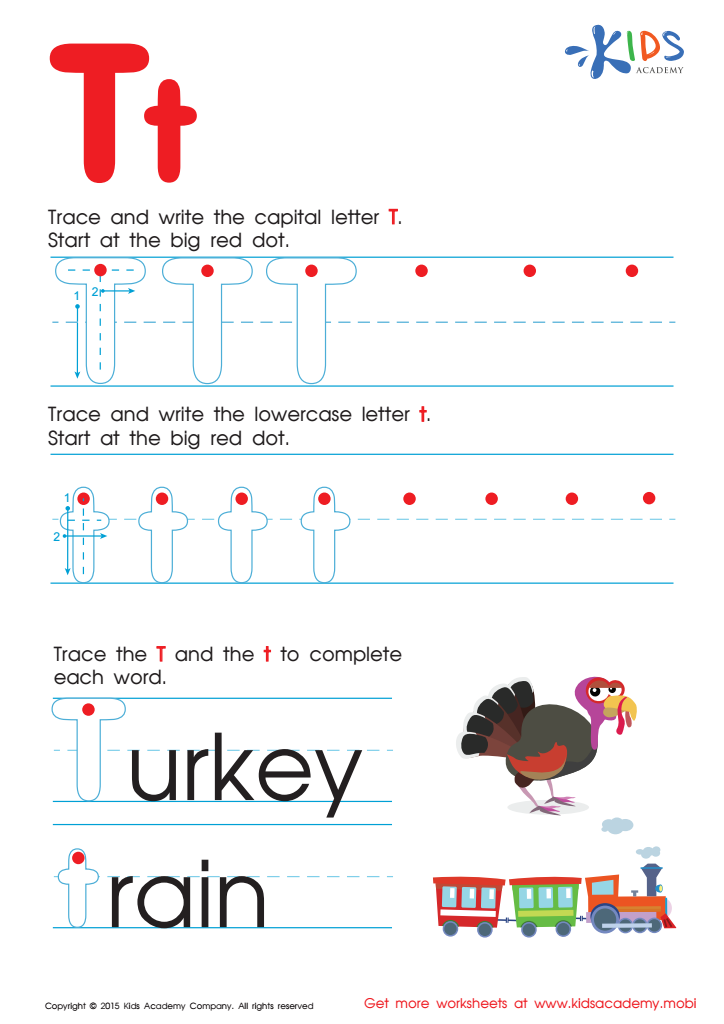
Letter T Tracing Page
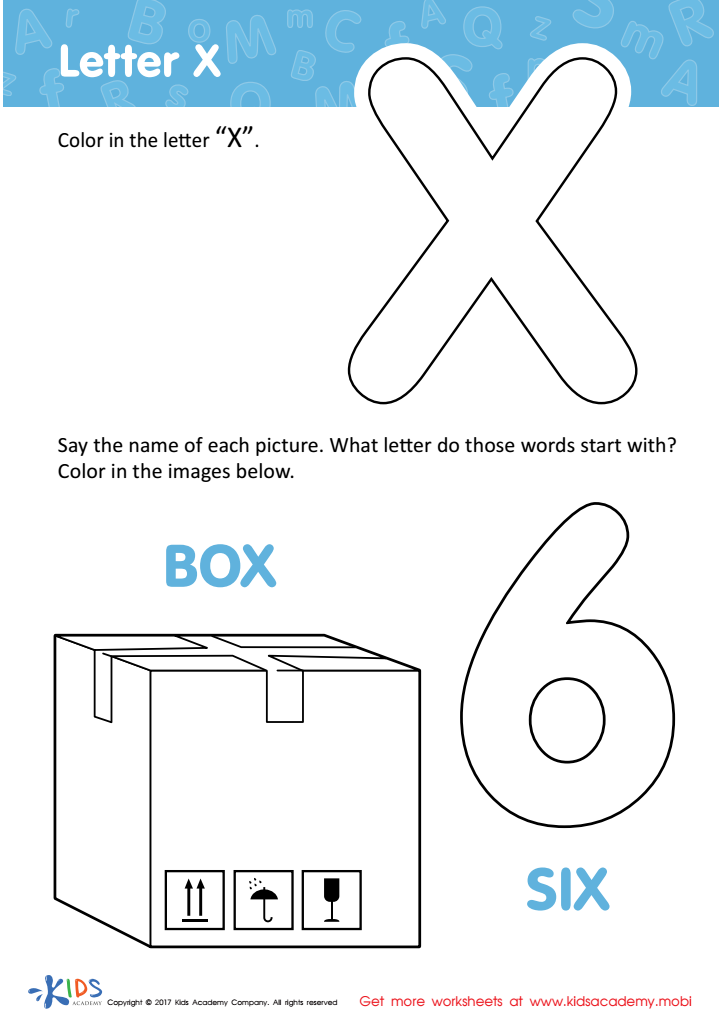
Letter X Coloring Sheet
 Assign to My Students

Letter D Tracing Page








Alphabet tracing and letter recognition for 4-5-year-olds are essential foundations for early literacy skills, and parents and teachers should prioritize them. During these formative years, children's brains are exceptionally receptive to learning language and symbolic representation. Tracing enables young learners to develop fine motor skills which are crucial for writing. By guiding their hands to follow alphabet shapes, children improve their hand-eye coordination and muscle memory.
Letter recognition is equally important; it’s the gateway to reading and phonetic awareness. Recognizing both upper and lower case letters, and associating them with their corresponding sounds, builds a strong pre-reading skill set. This early familiarity assists children in recognizing letters in their environment, thus fostering an interest in learning and reading.
Moreover, alphabet tracing and letter recognition activities often incorporate multisensory learning involving sight, touch, and sometimes sound, making the lessons more engaging and effective. When children experience success in such tasks, it boosts their confidence and excitement about reading and writing.
Supporting alphabet tracing and letter recognition not only facilitates academic success but also enhances overall cognitive development, prepares children for school curricula, and enables them to be more independent in their learning journey. Therefore, investing time in these foundational activities is invaluable.







