Handwriting practice Letter Recognition Worksheets for Ages 4-5 - Page 2
40 filtered results
-
From - To
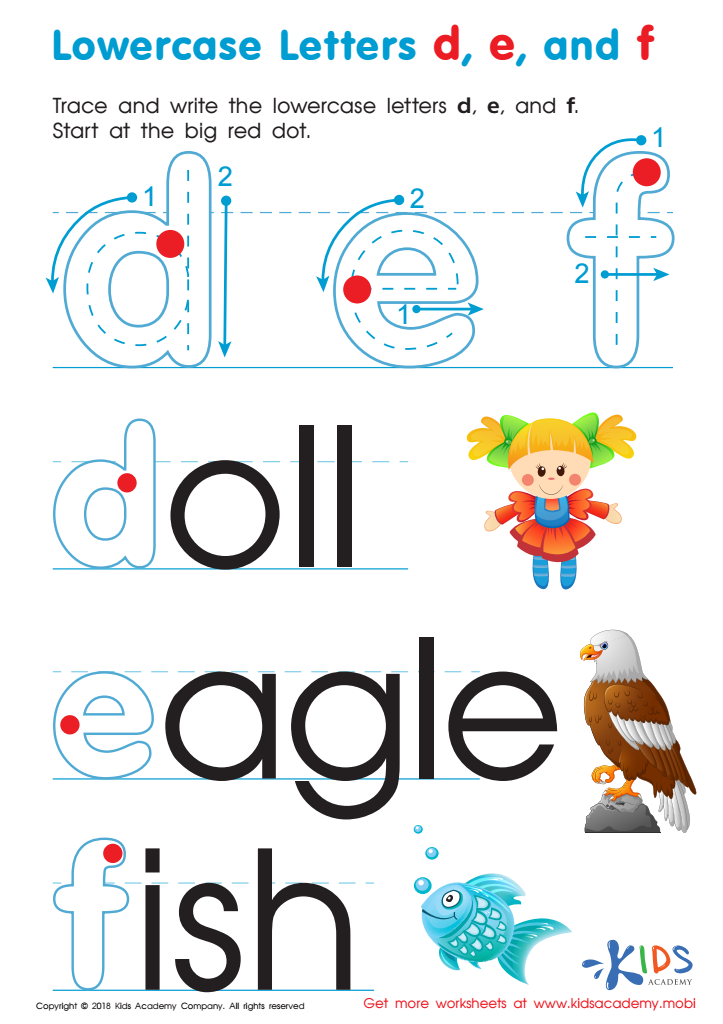
Lowercase Letters d e f Worksheet
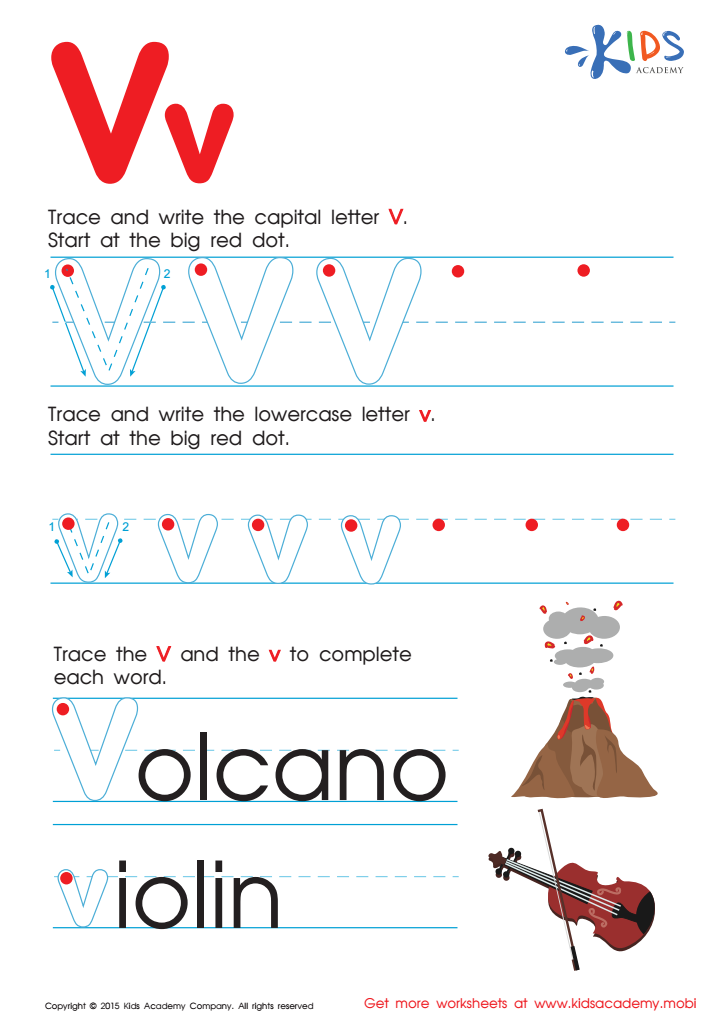
Letter V Tracing Page
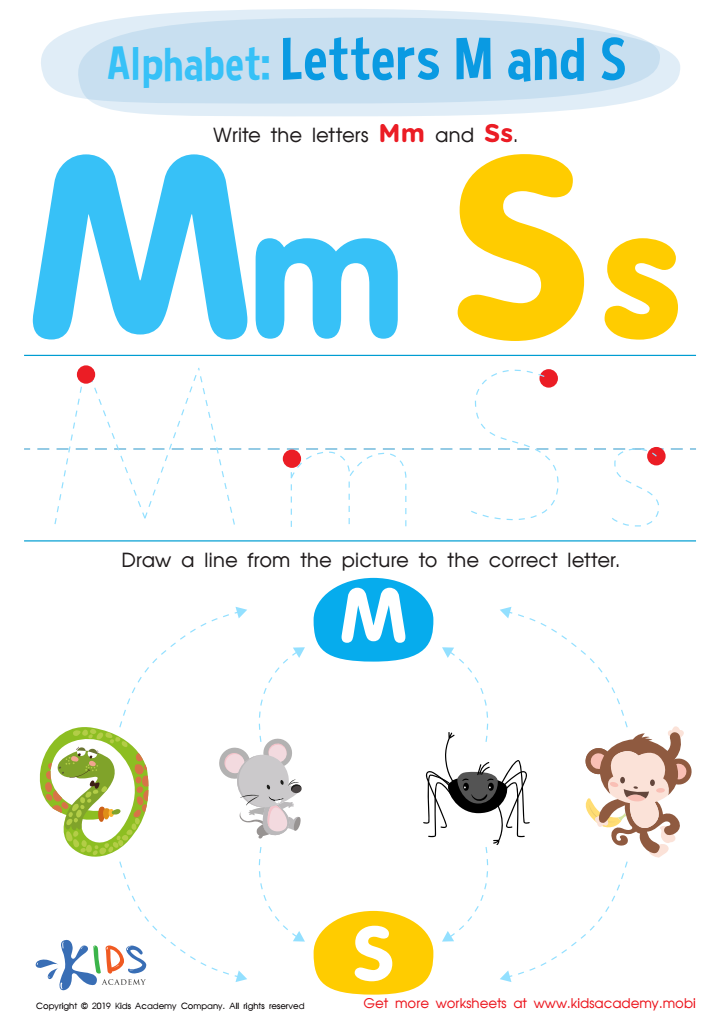
Letters M and S Tracing Worksheet
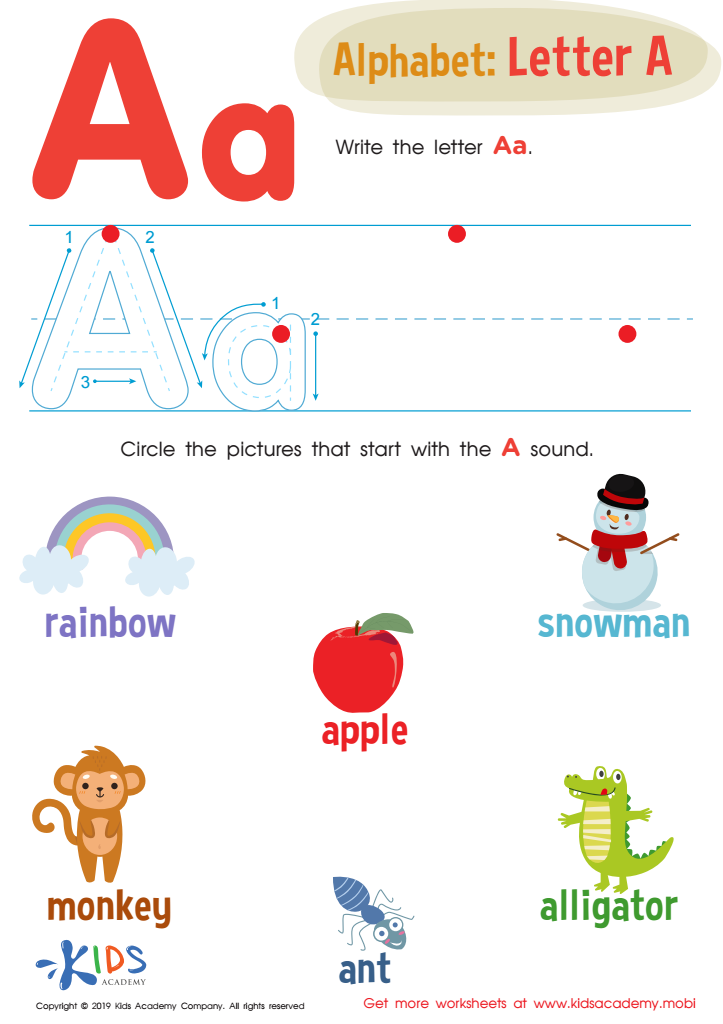
Letter A Tracing Worksheet
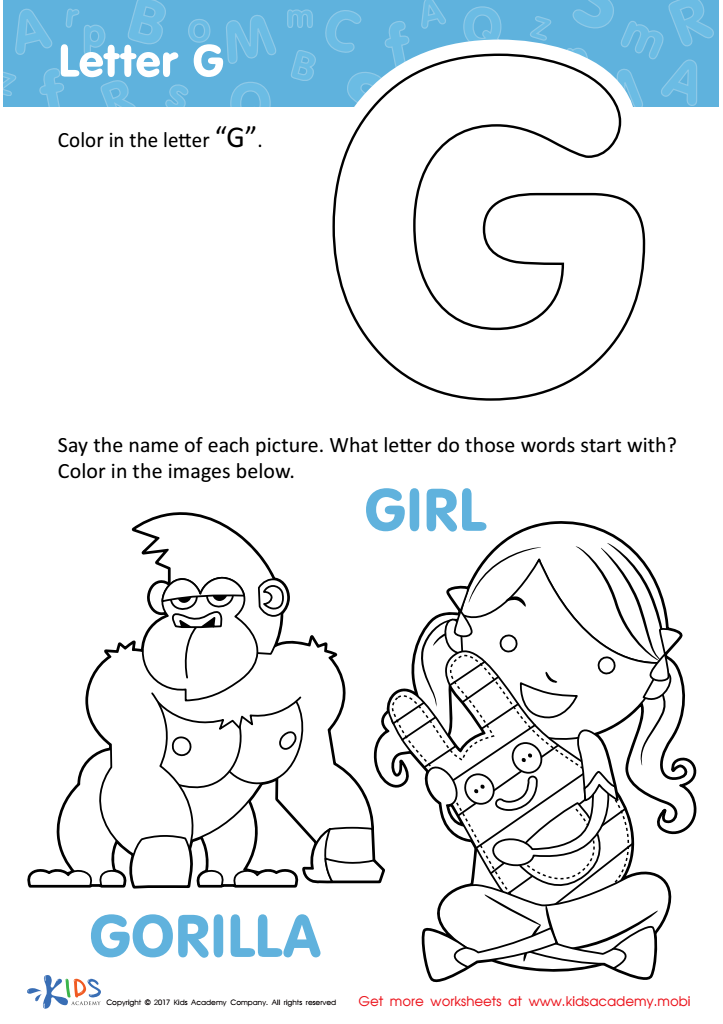
Letter G Coloring Sheet
 Assign to My Students
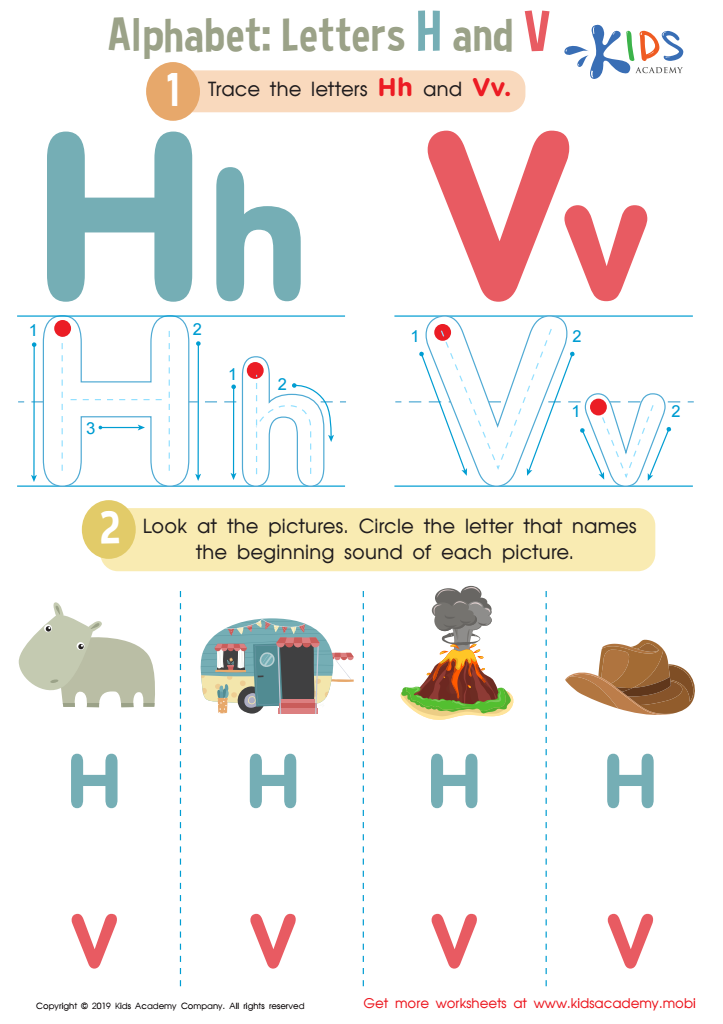
Letters H and V Tracing Worksheet
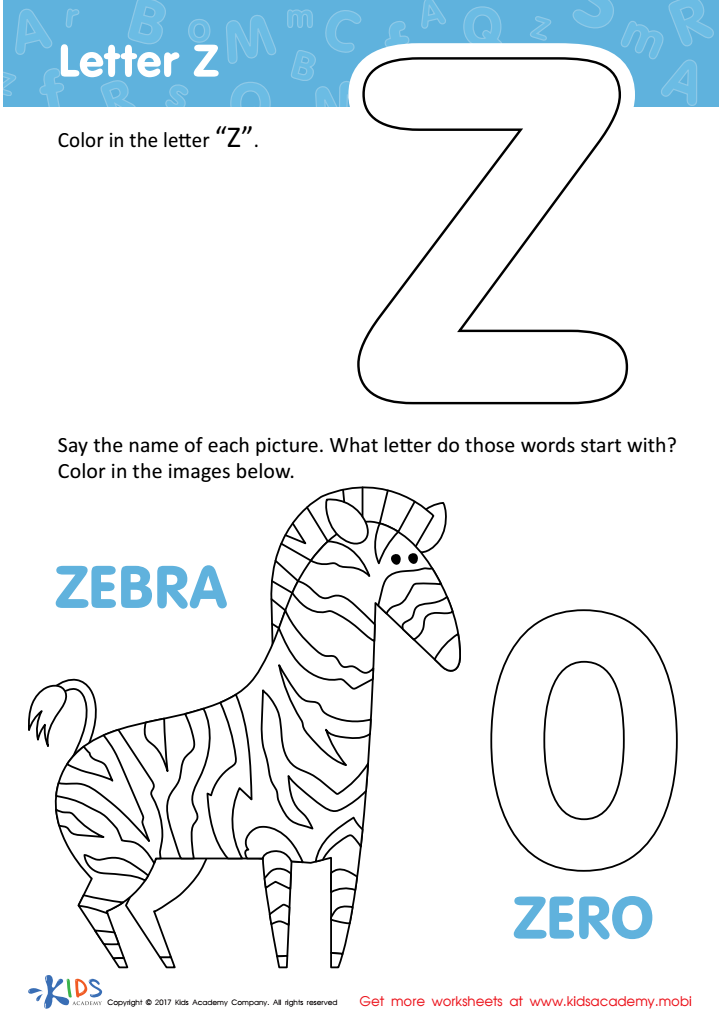
Letter Z Coloring Sheet
Assign to My Students
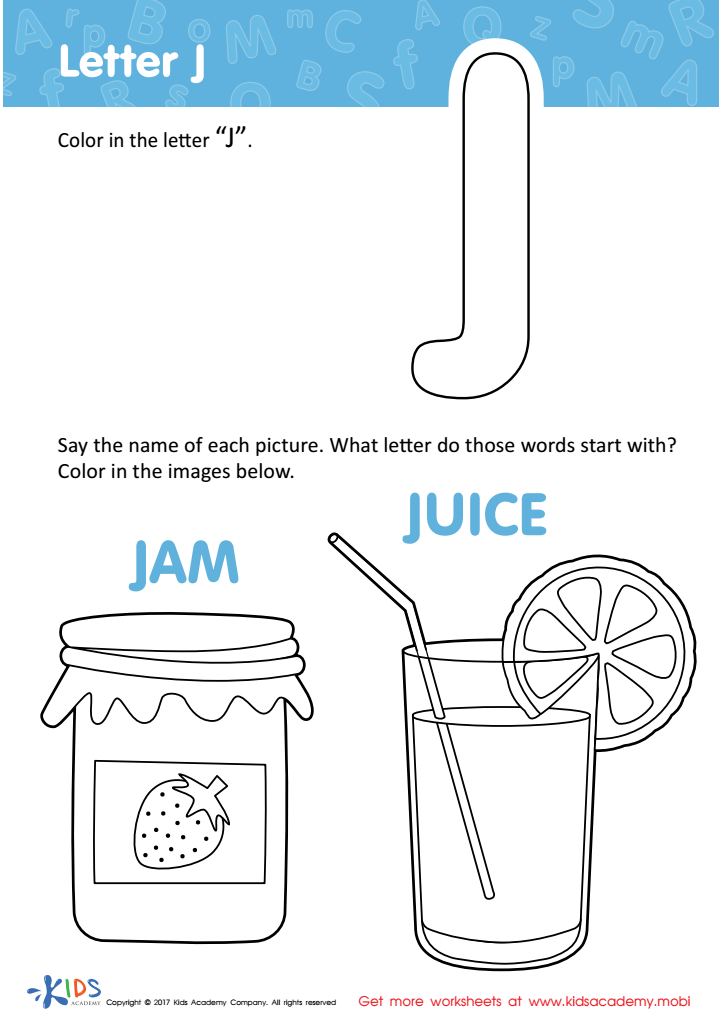
Letter J Coloring Sheet
Assign to My Students
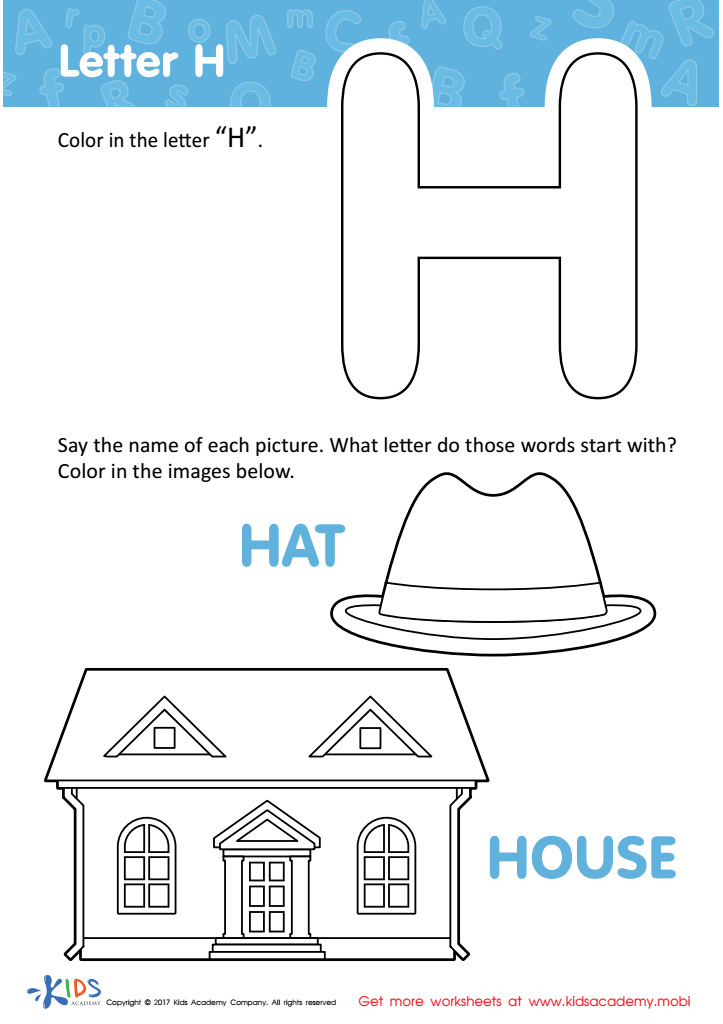
Letter H Coloring Sheet
Assign to My Students
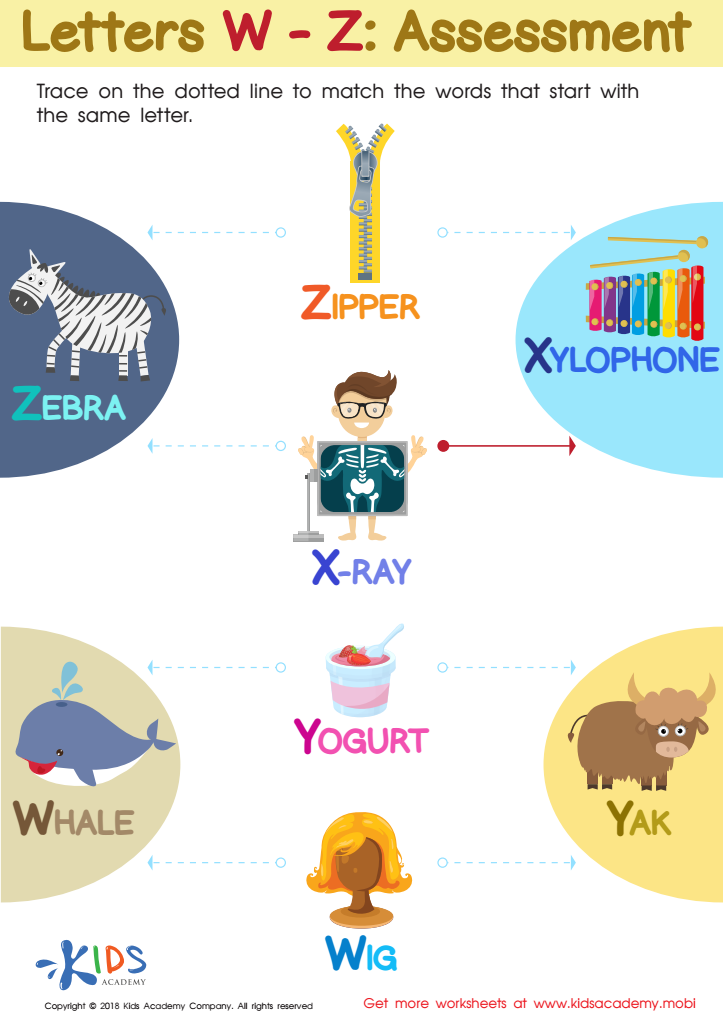
Letters W–Z Tracing Worksheet
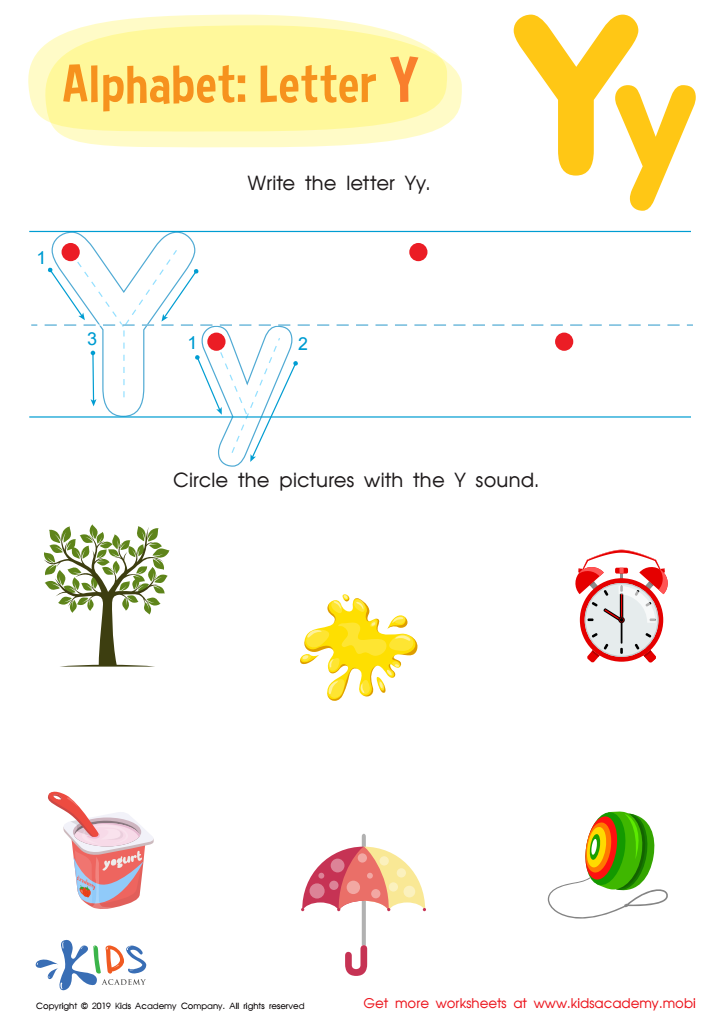
Letter Y Tracing Worksheet
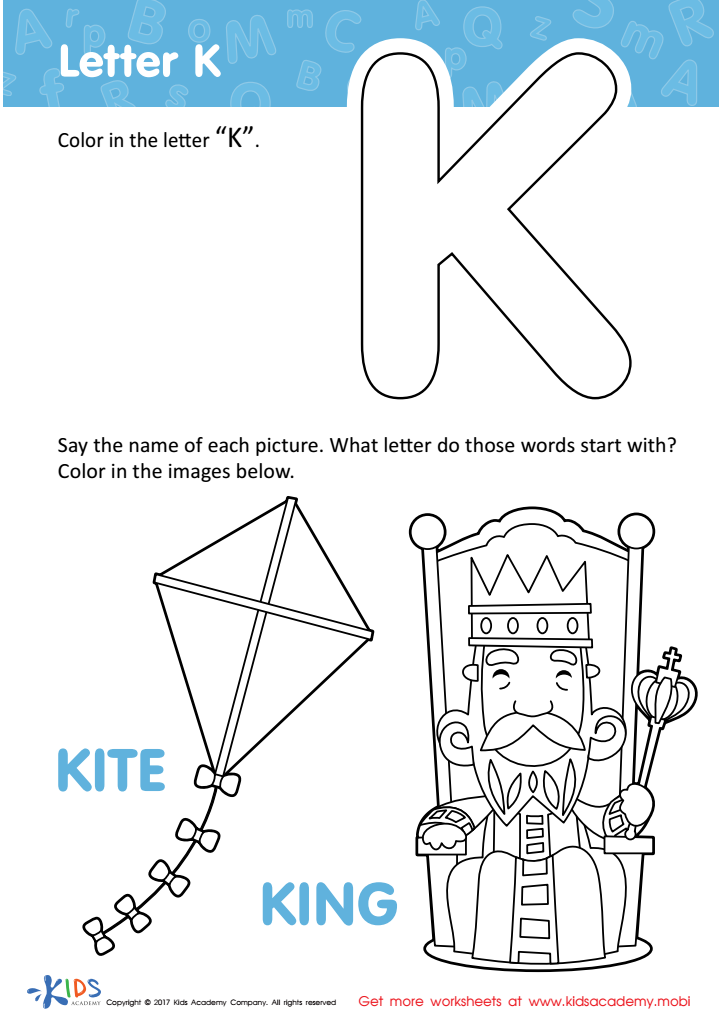
Letter K Coloring Sheet
Assign to My Students
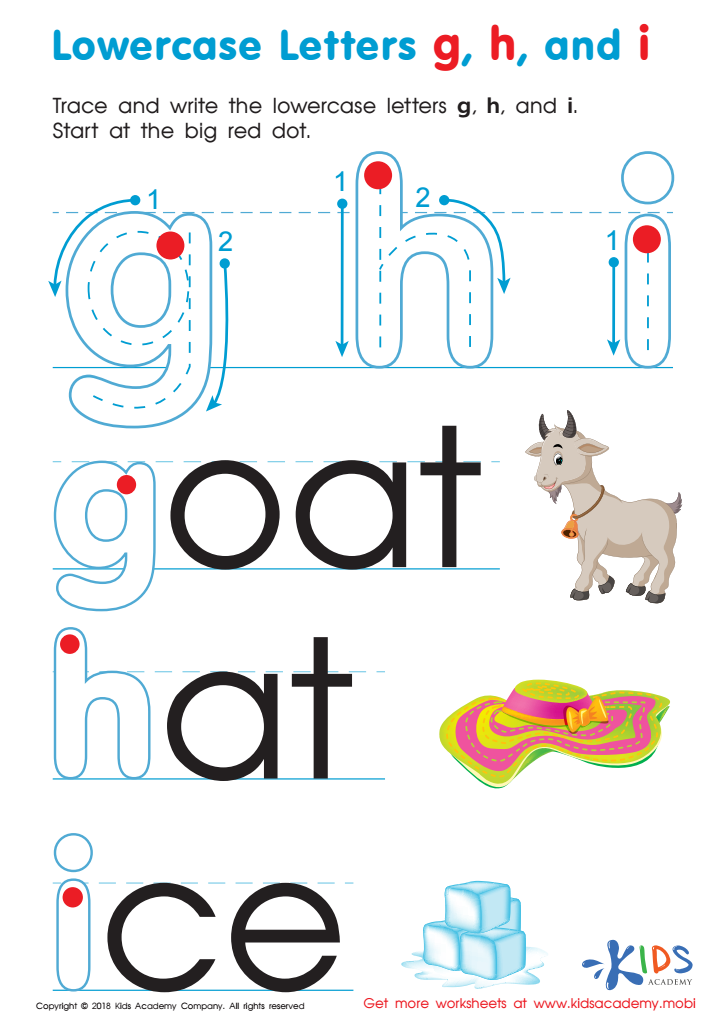
Lowercase Letters g h i Worksheet
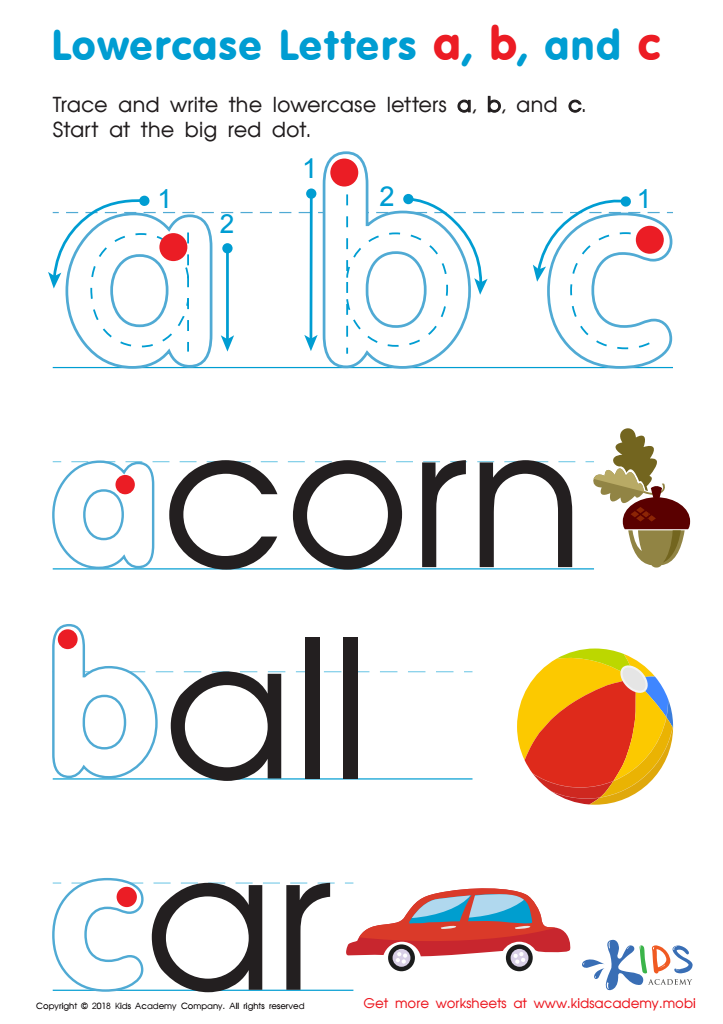
Lowercase Letters a b c Worksheet
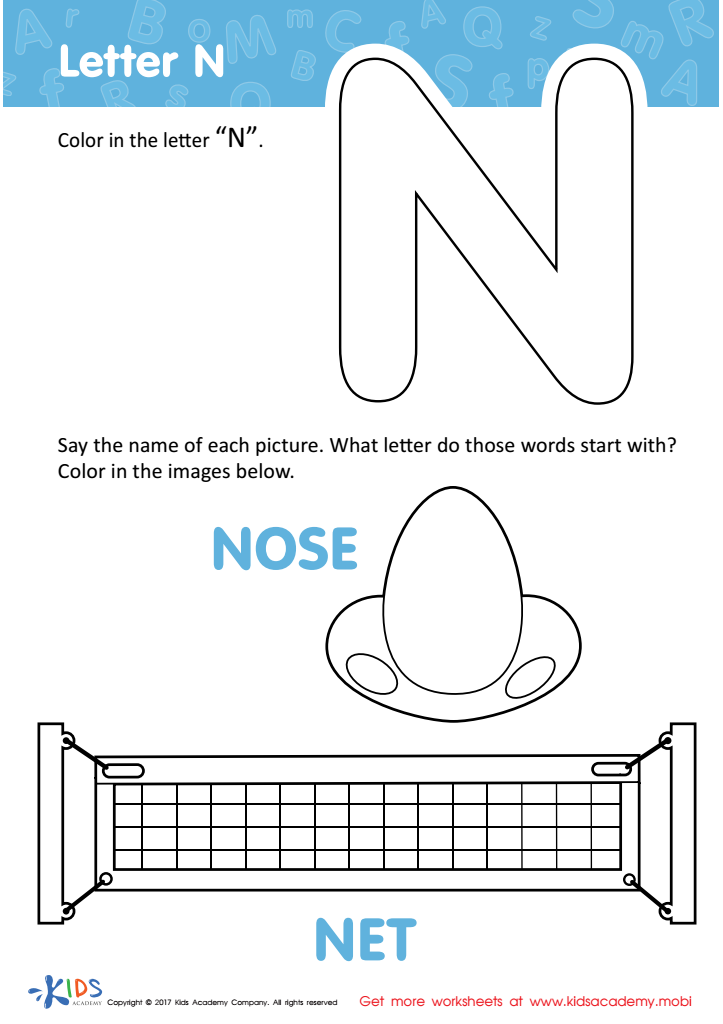
Letter N Coloring Sheet
Assign to My Students
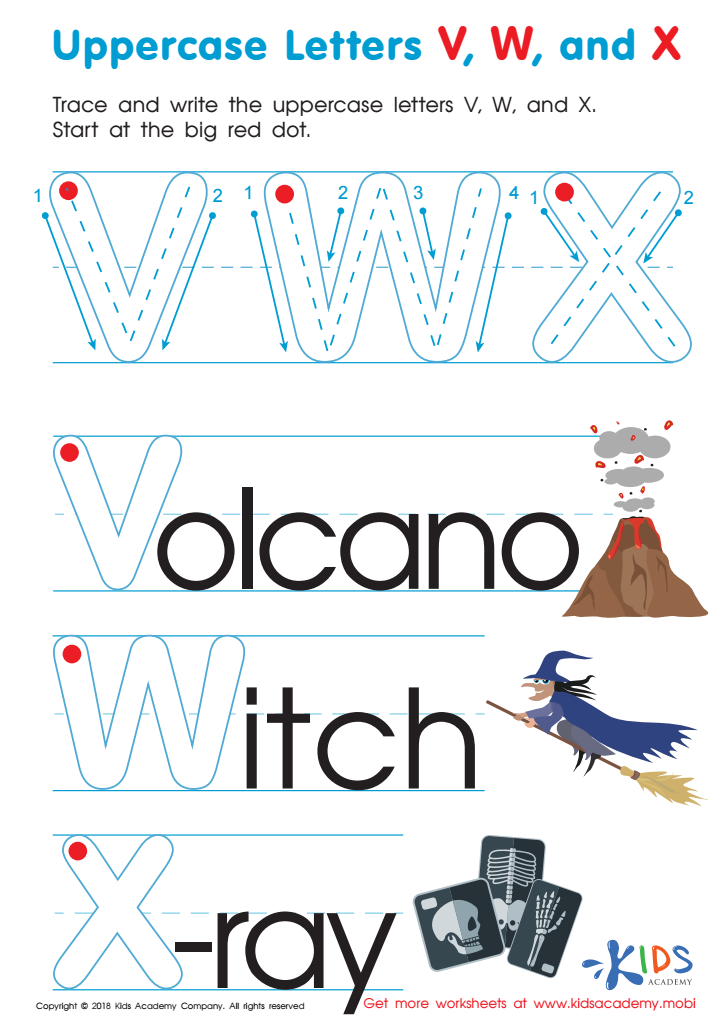
Uppercase Letters V, W, and X Worksheet








Handwriting practice and letter recognition are foundational skills for children aged 4-5, as they significantly contribute to early literacy development. Establishing proficiency in these areas helps young learners decode language more effectively, fostering their ability to read and write. As children engage in handwriting practice, they develop fine motor skills and hand-eye coordination, crucial for executing both handwriting and other academic tasks.
Furthermore, letter recognition promotes phonemic awareness, the understanding of sound-letter relationships, essential for reading fluency. It paves the way for successful communication, allowing children to express themselves confidently through writing. Early mastery of these skills can inspire a love for learning, instilling positive attitudes about education that can carry into later grades.
In addition, handwriting practice encourages focus and persistence, helping children develop discipline and patience. Moreover, it allows for creativity as young learners explore letter formations and experiment with writing styles. For parents and teachers, prioritizing handwriting and letter recognition is vital to empower children with essential learning tools that set a strong foundation for academic success and lifelong learning. By nurturing these early skills, adults play an integral role in shaping eager, confident, and capable learners.







