Letter Tracing Letter Recognition Worksheets for Ages 4-5
6 filtered results
-
From - To
Discover our engaging Letter Tracing and Letter Recognition Worksheets, specially designed for children ages 4-5. These fun and interactive activities help young learners develop essential handwriting skills while reinforcing their understanding of the alphabet. Each worksheet features colorful illustrations and structured tracing lines, making it easy for kids to practice forming letters correctly. This foundational skill not only enhances writing ability but also supports early literacy by promoting letter recognition. Perfect for at-home learning or classroom activities, our worksheets motivate children to explore letters through play, making learning both enjoyable and effective. Start building a strong literacy foundation today!
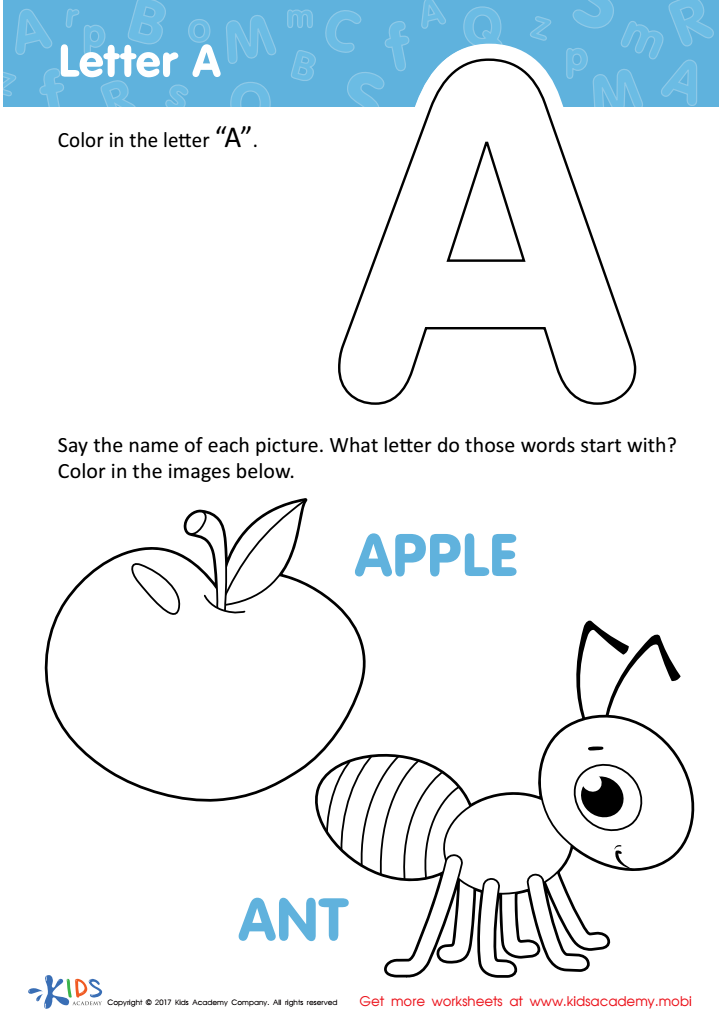
Letter A Coloring Sheet
 Assign to My Students
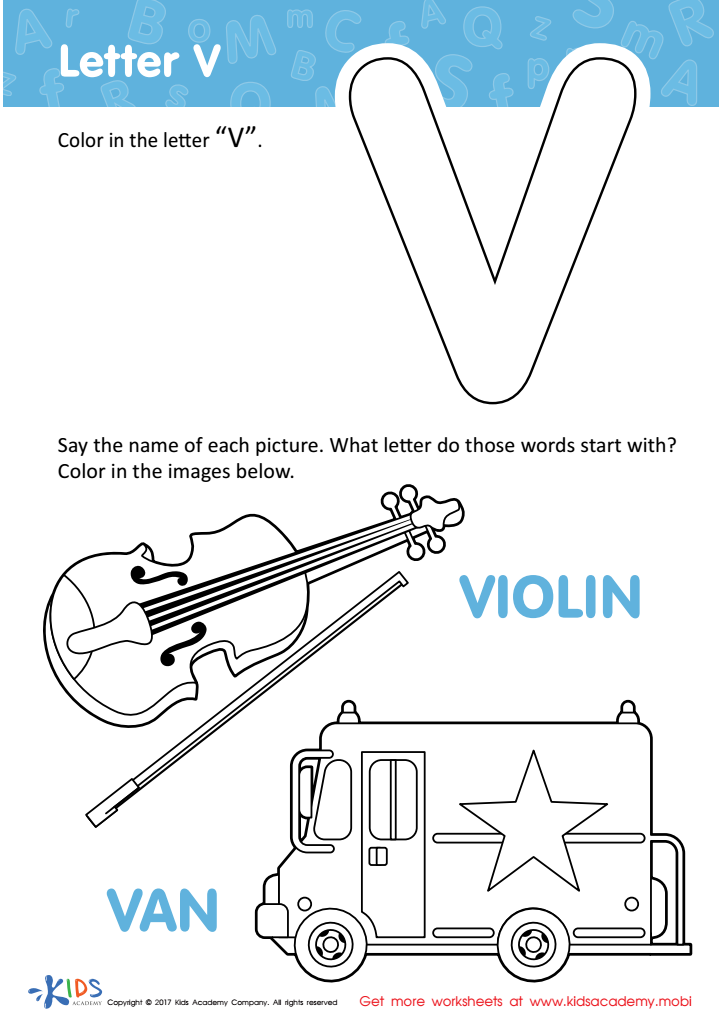
Letter V Coloring Sheet
Assign to My Students
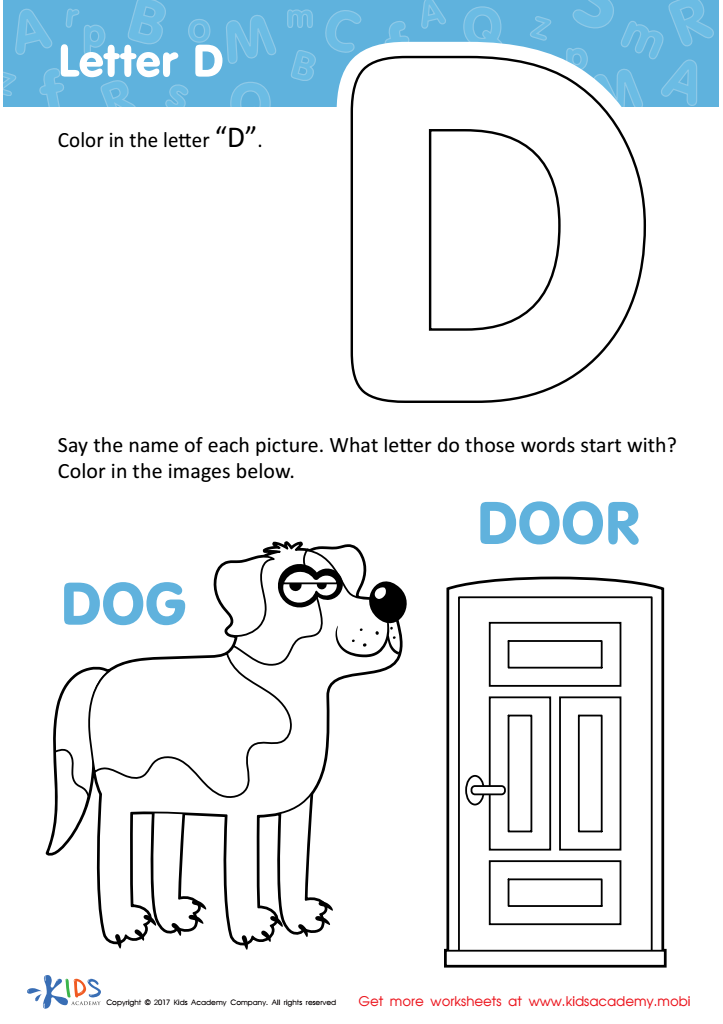
Letter D Coloring Sheet
Assign to My Students
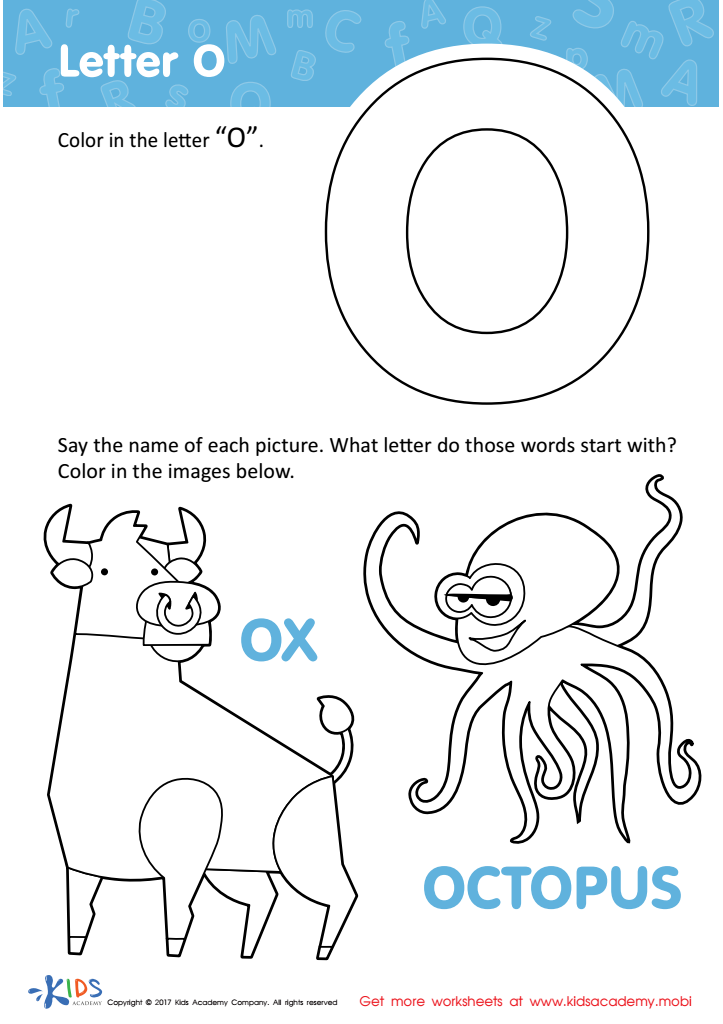
Letter O Coloring Sheet
Assign to My Students
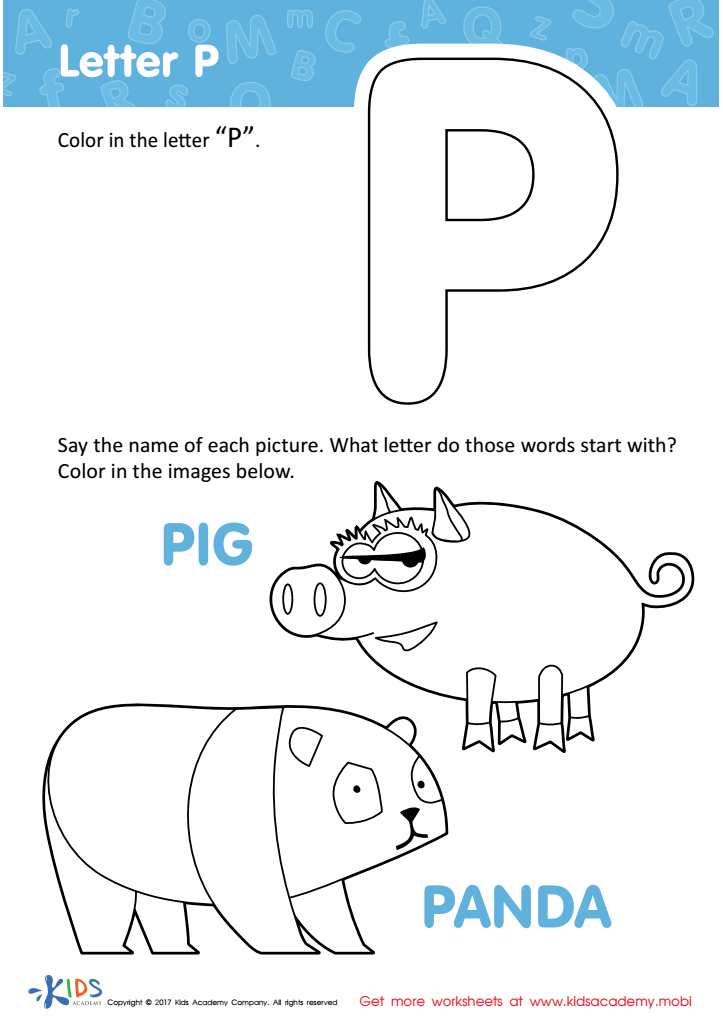
Letter P Coloring Sheet
Assign to My Students
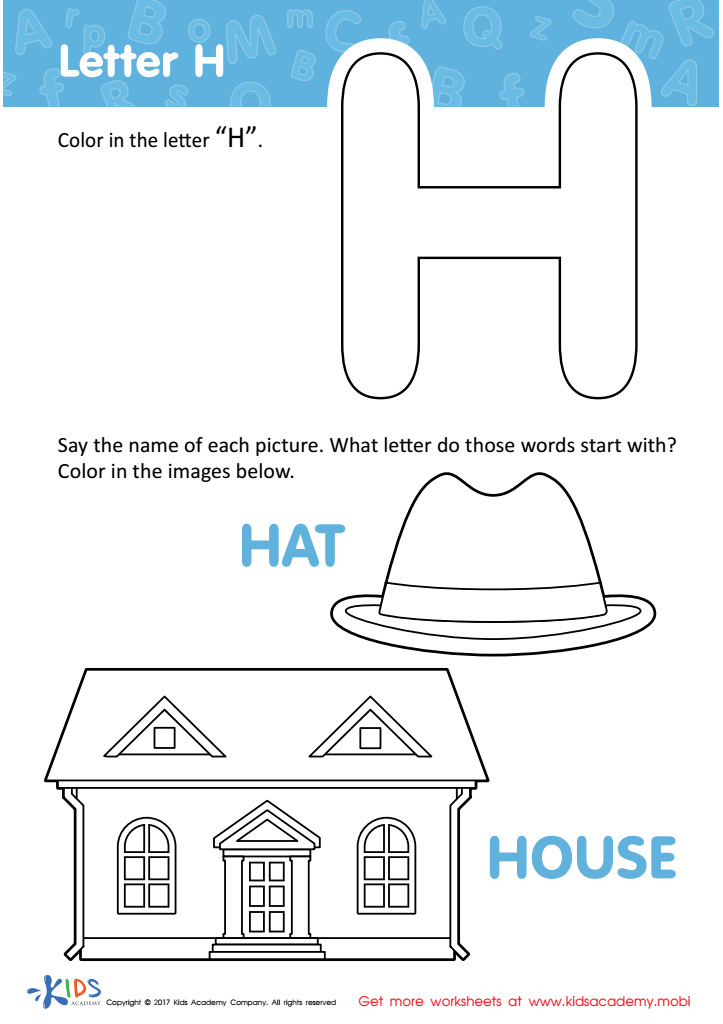
Letter H Coloring Sheet
Assign to My Students








Letter tracing and letter recognition are foundational activities for children aged 4-5, crucial for early literacy development. During this stage, children are building the essential skills that will serve as the backbone for reading and writing. Engaging in letter tracing not only aids in memorizing the shapes and sounds of letters but also enhances fine motor skills. As young learners trace letters, they develop hand-eye coordination and strength in their fingers, essential for effective writing later on.
Moreover, letter recognition plays a vital role in helping children understand the relationship between spoken and written language. This understanding facilitates phonemic awareness, which is the ability to hear and manipulate sounds in words—a critical skill for reading success. By recognizing letters, children begin to identify their names, popular words, and simple sentences, fostering a sense of achievement and confidence.
Parents and teachers should care about these activities because they lay the groundwork for stronger literacy skills, promoting academic success in future grades. Encouraging letter tracing and recognition can also make learning fun through creative activities, thus nurturing a positive attitude toward education as children see their progress and gain new abilities. Investing time in this early learning stage can lead to long-term educational benefits.







