Filters

6 filtered results

Clear all filters
Favorites
With answer key
Interactive

6 filtered results

Difficulty Level

Grade


Enhance your child's reading skills with our engaging Reading Comprehension Long and Short Vowel Worksheets, designed specifically for ages 4-5. These fun, educational worksheets help young learners differentiate between long and short vowel sounds while improving their reading comprehension abilities. Each activity is crafted to build essential early literacy skills, ensuring children grasp important concepts in an enjoyable and interactive way. With colorful illustrations and simple exercises, these worksheets make learning enjoyable and effective, setting a solid foundation for future reading success. Visit our page to download and print our free worksheets today!

Check out this FREE Trial Lesson on Long And Short Vowel for age 4-5!

The Short I Sound

Favorites
With answer key
Interactive
  • 4-5
  • Reading comprehension
  • Long And Short Vowel
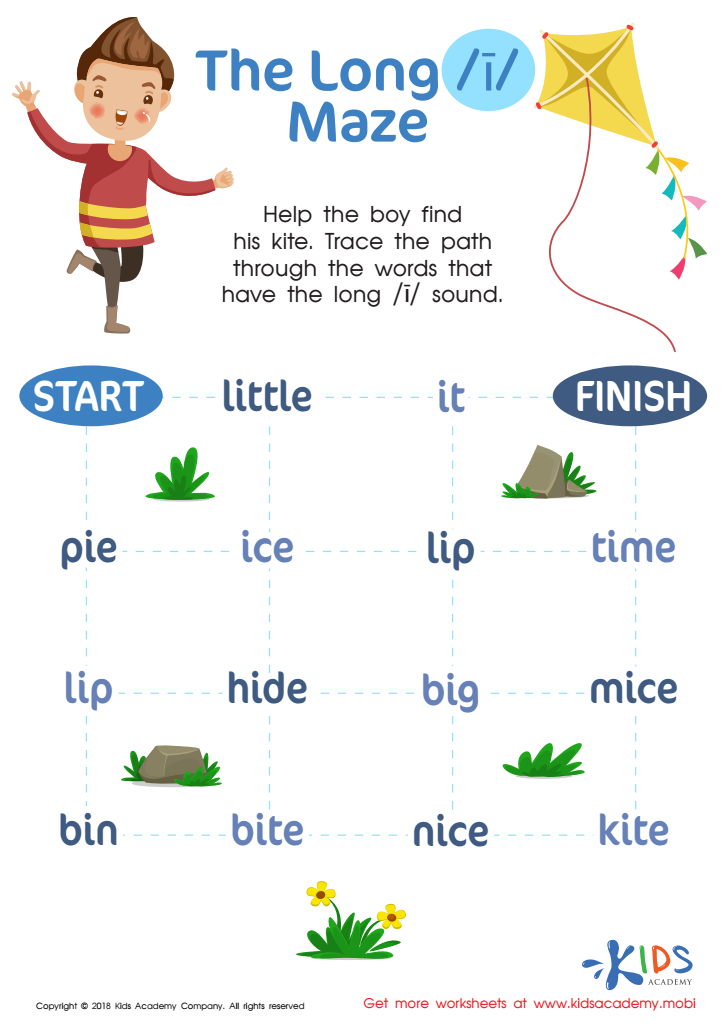
The Long I Maze Reading Worksheet

The Long I Maze Reading Worksheet

Help your child learn phonics to help them read. Show them the difference between long and short "i" sounds. Guide them as they use a pencil to trace words with the long "i:" sound in the "Help the Boy in the Picture" worksheet exercise. This will help them find the kite in the picture.
The Long I Maze Reading Worksheet
Worksheet
The Short I Words Reading Worksheet

The Short I Words Reading Worksheet

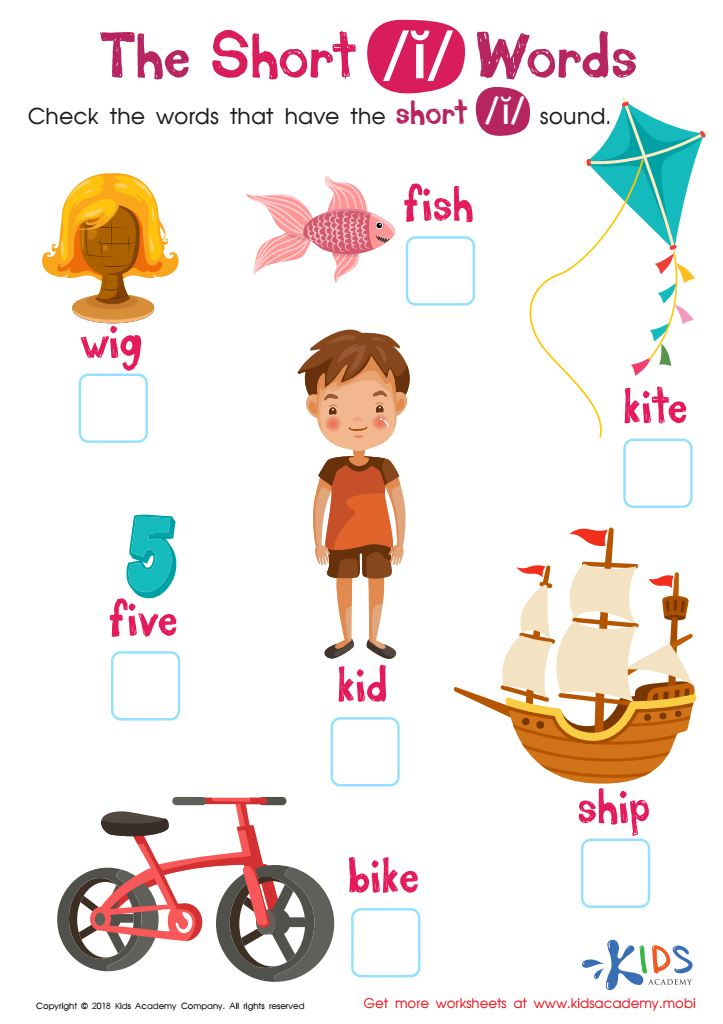
Teach your kindergartner phonics with this printout worksheet! It introduces the short «i» sound and helps them differentiate and articulate sounds and letters of the alphabet. With practice, your child will soon find it easy to classify sounds into long and short vowels.
The Short I Words Reading Worksheet
Worksheet
Phonics Long O Reading Worksheet

Phonics Long O Reading Worksheet

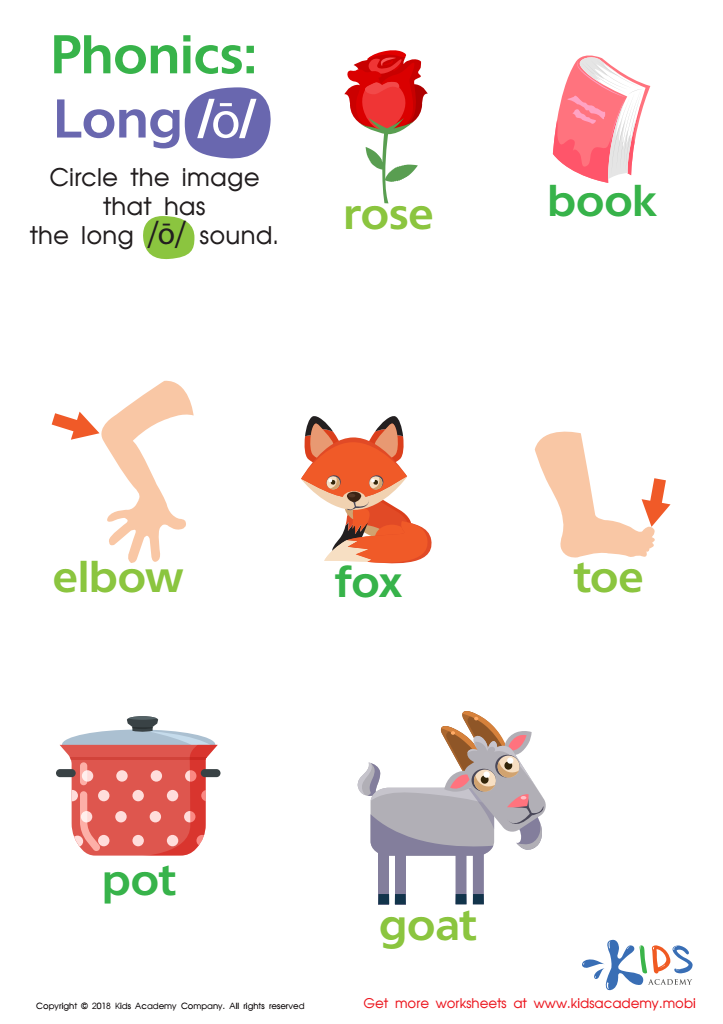
Are you ready to help your child learn the phonics long «o» sound? This worksheet is designed to aid them in getting familiar with the sound. After completing the exercise, your child should be able to differentiate letters, and recognize words with the long «o» sound. Encourage them to circle the images that have the sound.
Phonics Long O Reading Worksheet
Worksheet
short vowels Worksheet

short vowels Worksheet

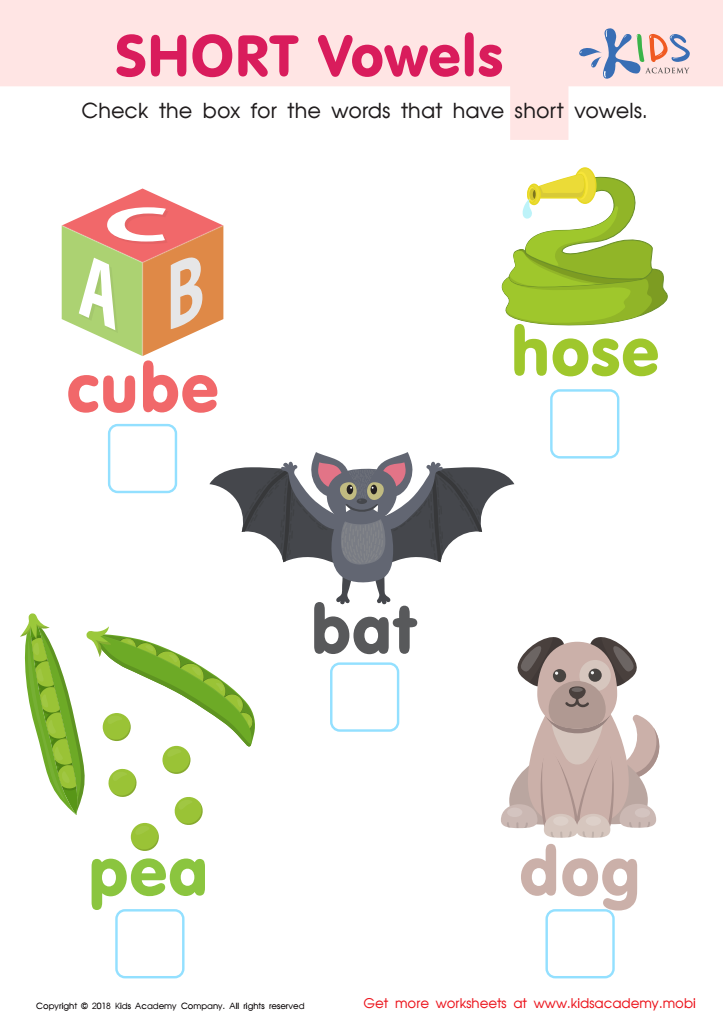
Say "dog" and notice how long it takes to pronounce the vowel. Is it short or long? Compare it to "pea" and use this worksheet to quickly assess your child's mastery. Have them name each picture and listen for the vowel sounds. Only check the boxes for words with short vowel sounds.
short vowels Worksheet
Worksheet
Why Vowels? Reading Worksheet

Why Vowels? Reading Worksheet

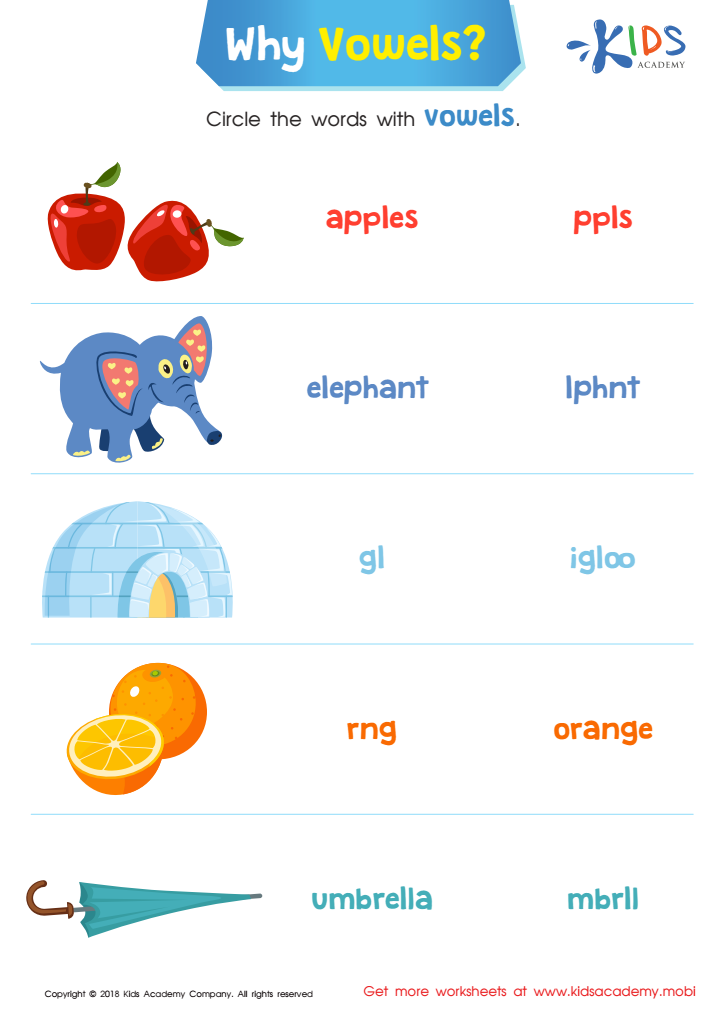
This worksheet teaches kids to spell words with vowels. It features familiar pics for them to recognize, and they practice fine motor skills by circling the correct spelling. It's an enjoyable way for kids to learn how to spell and promote reading skills.
Why Vowels? Reading Worksheet
Worksheet
Words with Long U Reading Worksheet


Words with Long U Reading Worksheet

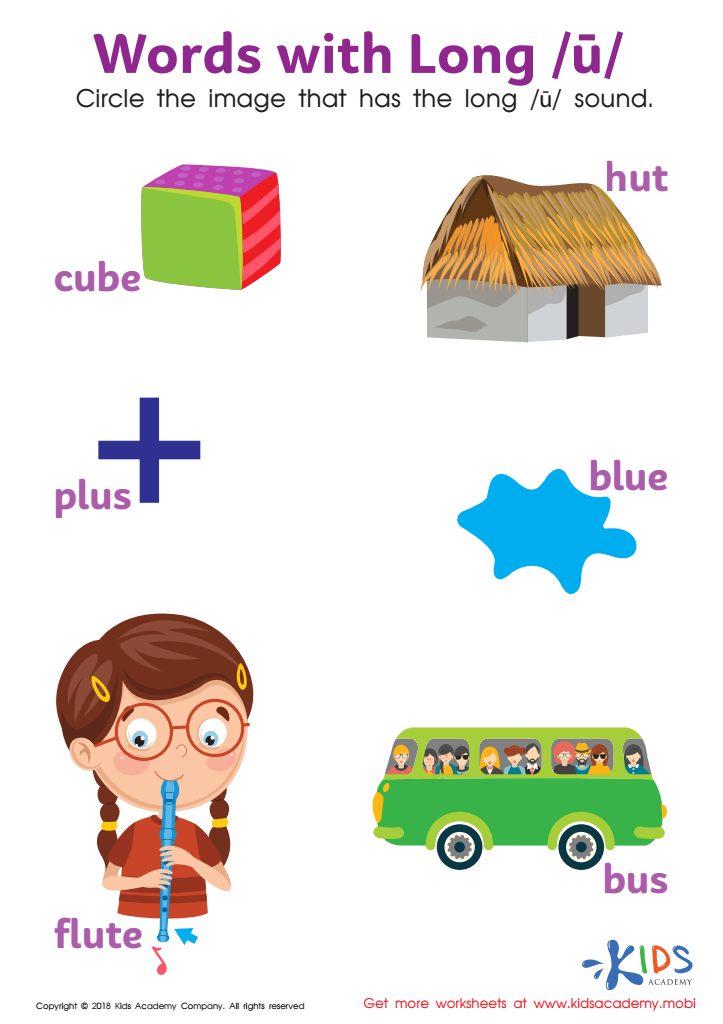
Help your new reader master vowel recognition with this fun worksheet. By using picture clues and practicing fine motor skills, they'll learn to differentiate between words with the long and short «u» sound. Your learner will also get to practice vowel discrimination in high-frequency words. It's a great way to learn the importance of vowels in reading!
Words with Long U Reading Worksheet

Worksheet


Reading comprehension is crucial for early childhood development, and understanding long and short vowels is a foundational component for 4-5-year-olds. At this age, children are in a critical period for language acquisition. Grasping the differences between long and short vowels significantly aids in decoding and spelling, vital skills for reading fluently and understanding text.

Parents and teachers who focus on this aspect help children recognize phonetic patterns, making it easier for them to decode unfamiliar words. Imagine reading without knowing the difference between "cat" (short vowel) and "cake" (long vowel); it's not just confusing, it affects comprehension. Proper vowel usage also lays the groundwork for more complex linguistic rules and contributes to clear verbal communication.

Moreover, studying these vowel sounds enhances listening and speaking abilities. When children can correctly identify and replicate vowel sounds, they become better at both expressing themselves and understanding others. This phonetic awareness is linked to improved academic performance later on because it nurtures a love for reading from an early age.

In essence, by investing time in teaching and reinforcing long and short vowels, parents and teachers create a robust scaffolding for literacy. This not only boosts a child's confidence but also sets them on a path to richer academic and personal development.