Vocabulary expansion Missing Vowels Worksheets for Ages 4-5
4 filtered results
-
From - To
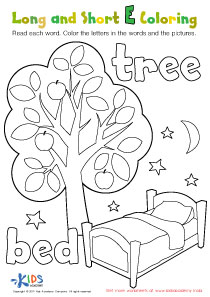
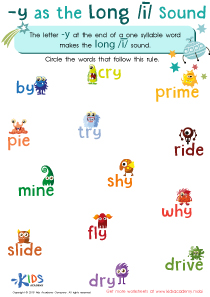
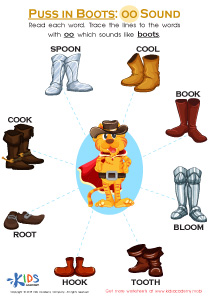
Expand your child's vocabulary with our engaging "Missing Vowels Worksheets for Ages 4-5"! Specially designed for young learners, these fun and educational worksheets help children identify and complete words by filling in the missing vowels. As they work through a variety of puzzles, kids will enhance their spelling skills and strengthen their understanding of word formation. Perfect for early grade reading and writing practice, each worksheet captures children's interest with colorful illustrations and simple instructions. Give your 4 to 5-year-olds the head start they need in vocabulary development with our effective and enjoyable missing vowels activities!
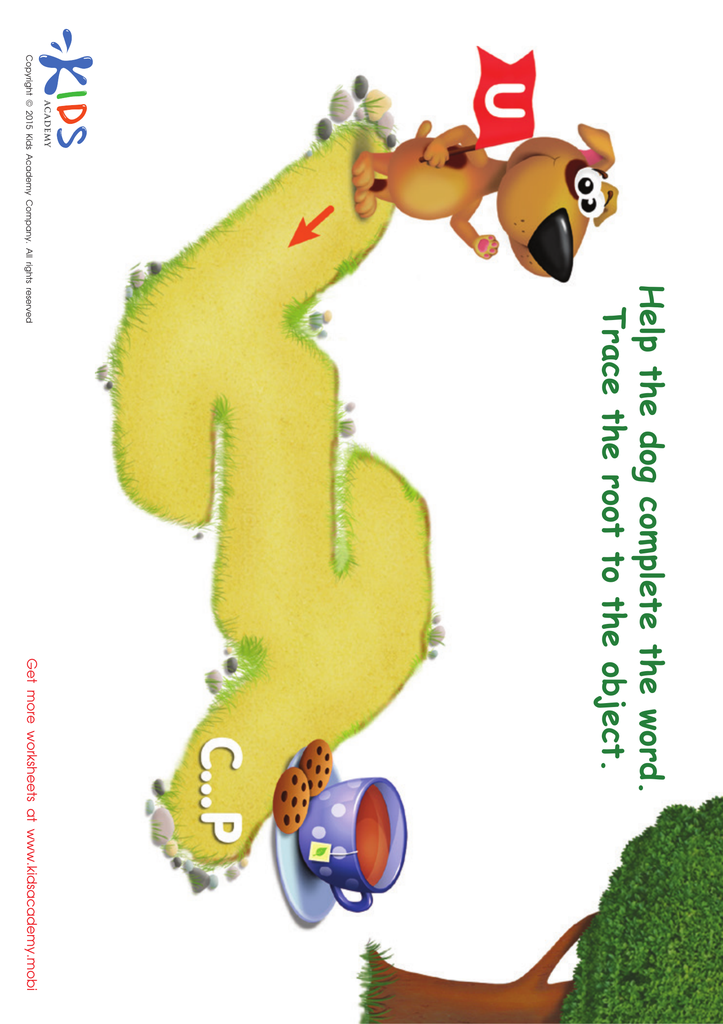
Short Vowel Sound U Worksheet Worksheet
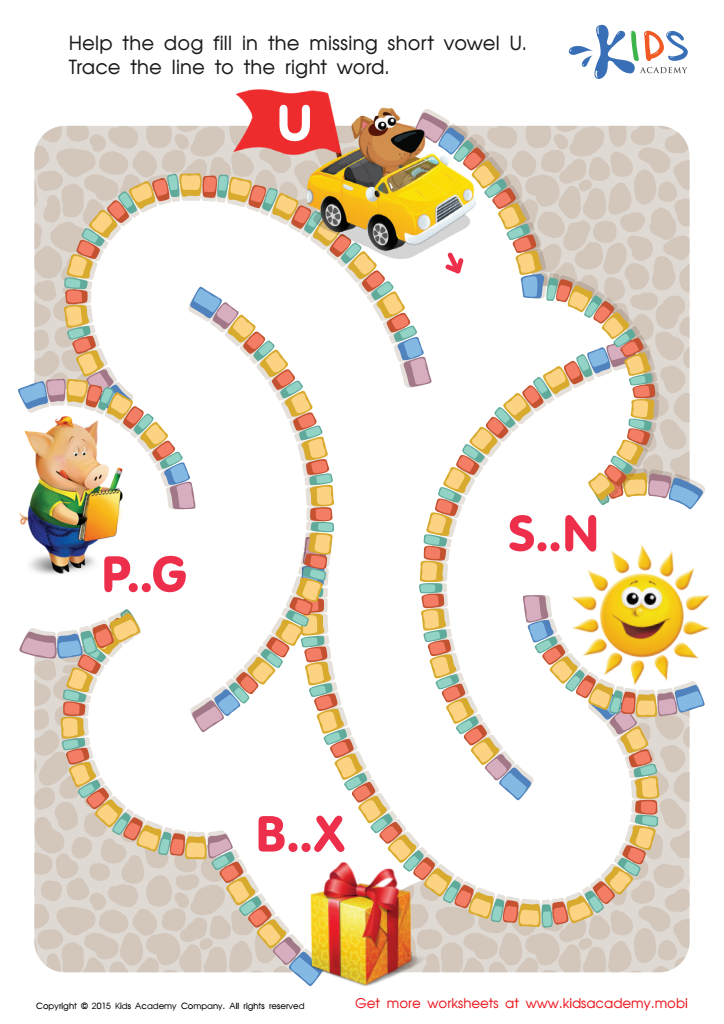
Short Vowel Sound U Worksheet
 Assign to My Students
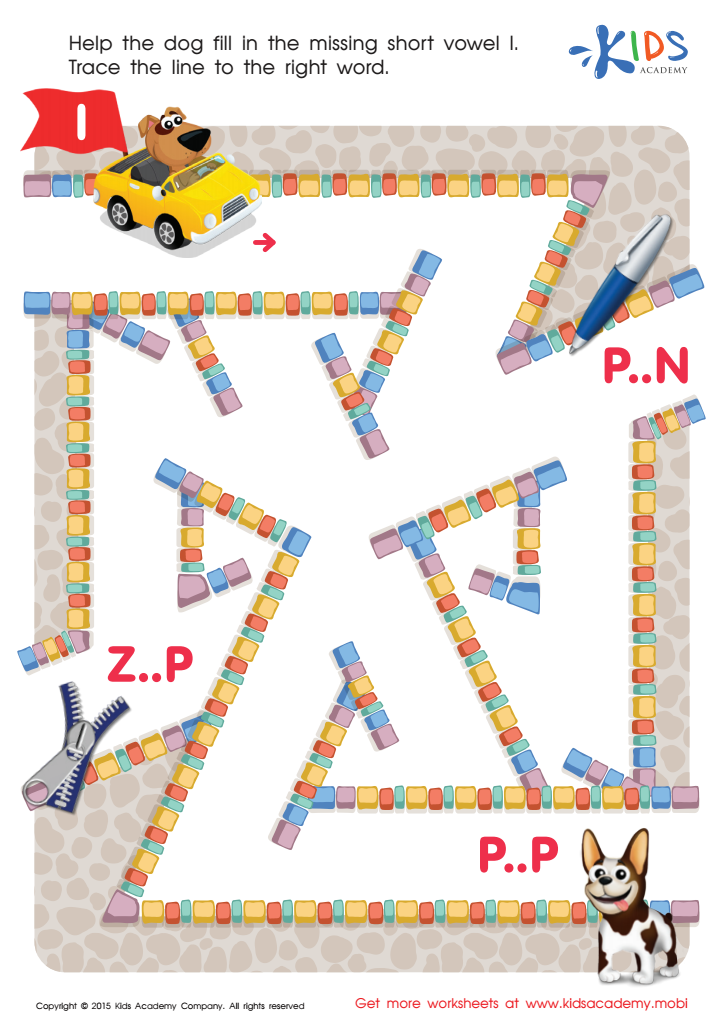
Short Vowel Sound I Worksheet
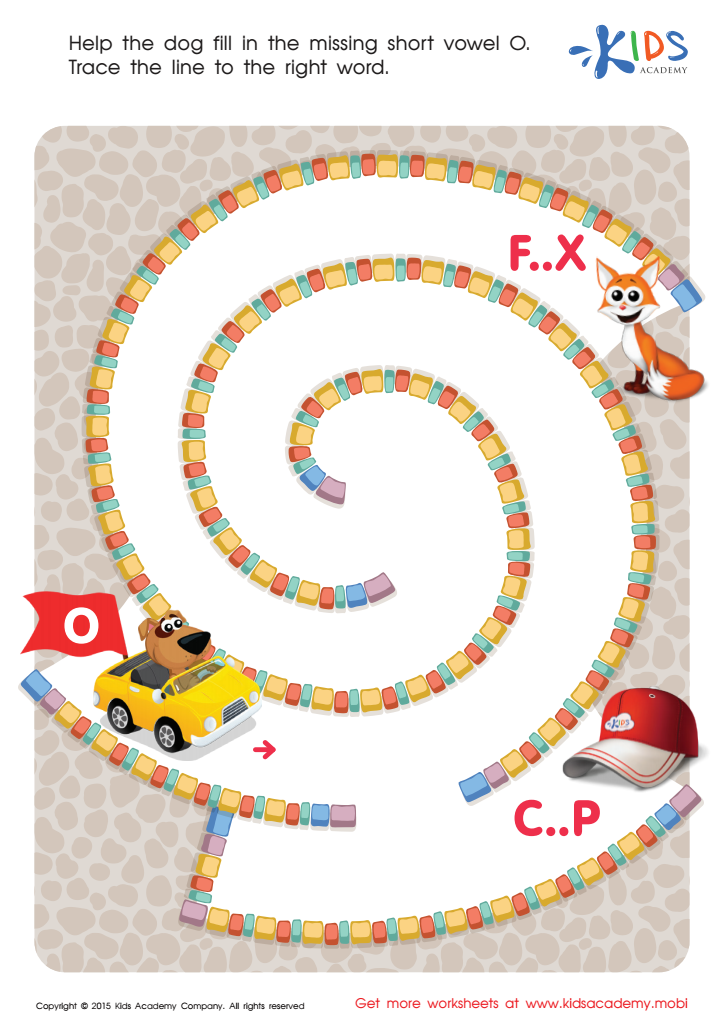
Short Vowel Sound O Worksheet


Parents and teachers should prioritize vocabulary expansion through activities like "Missing Vowels" for children aged 4-5 because this period is pivotal for language development. At this age, kids' brains are highly receptive to new information, and a rich vocabulary lays the foundation for effective communication, comprehension, and academic success.
Missing Vowels activities involve presenting words with omitted vowels (e.g., "c_t" for "cat"), encouraging children to think about the word’s structure and sound, and thereby enhancing their phonemic awareness. This interactive and playful approach makes learning engaging and enjoyable, which can foster a positive attitude towards education.
Moreover, a strong vocabulary is directly linked to reading proficiency. Understanding more words helps children decode words more easily and understand texts better, which is crucial for their future reading skills. It also supports their ability to express themselves clearly and accurately in both spoken and written language.
Additionally, these activities may enhance cognitive skills such as pattern recognition, problem-solving, and critical thinking. By focusing on vowel sounds and word construction, children become better equipped to tackle more complex linguistic tasks as they grow older.
In summary, vocabulary expansion through Missing Vowels activities can significantly impact a child's language development, reading readiness, and overall cognitive development in formative years.