Handwriting practice Phonics Worksheets for Ages 4-5
5 filtered results
-
From - To
Discover our Handwriting Practice Phonics Worksheets designed specifically for children aged 4-5! These interactive resources blend phonics with handwriting exercises, fostering essential literacy skills in young learners. Our worksheets focus on letter formation and encourage the development of fine motor skills while reinforcing phonetic understanding. Kids will enjoy engaging activities that make learning to write both fun and effective. Perfect for at-home learning or classroom enhancement, these worksheets help emergent readers build confidence as they master the alphabet. Boost your child's literacy journey today with our thoughtfully crafted handwriting practice materials, setting a solid foundation for future learning.
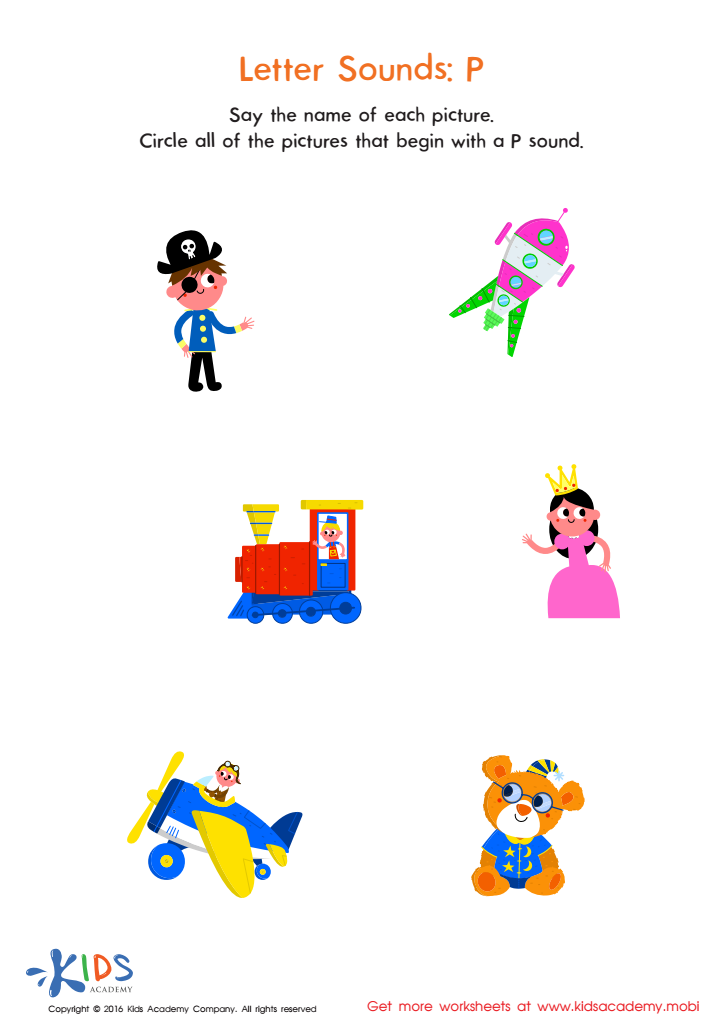
Letter P Sound Worksheet
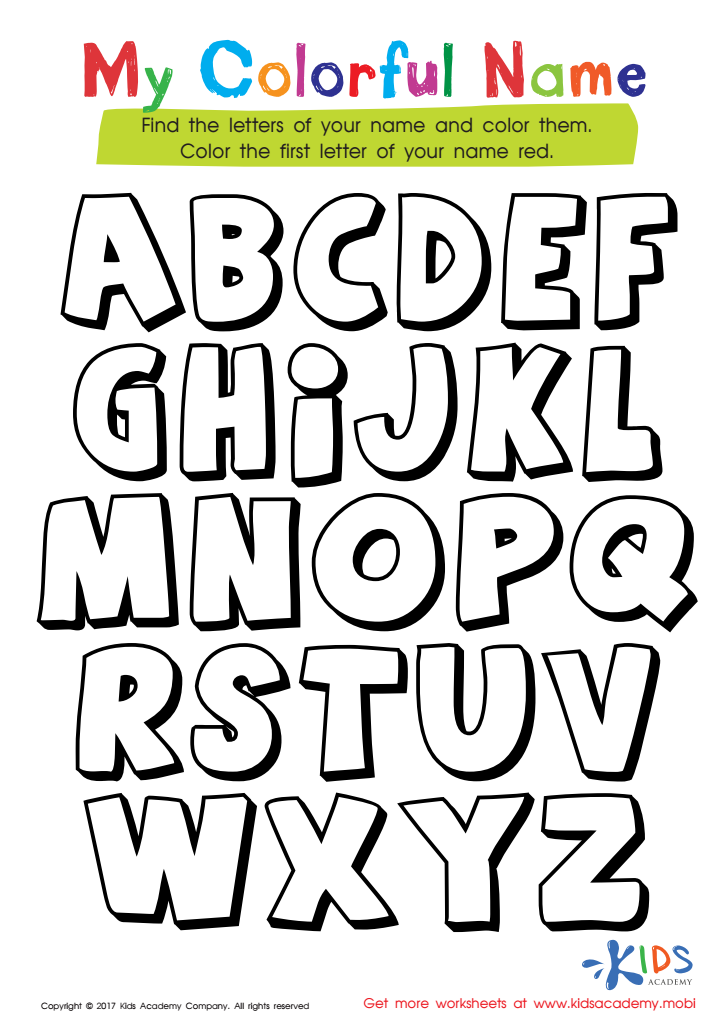
My Colorful Name Worksheet
 Assign to My Students
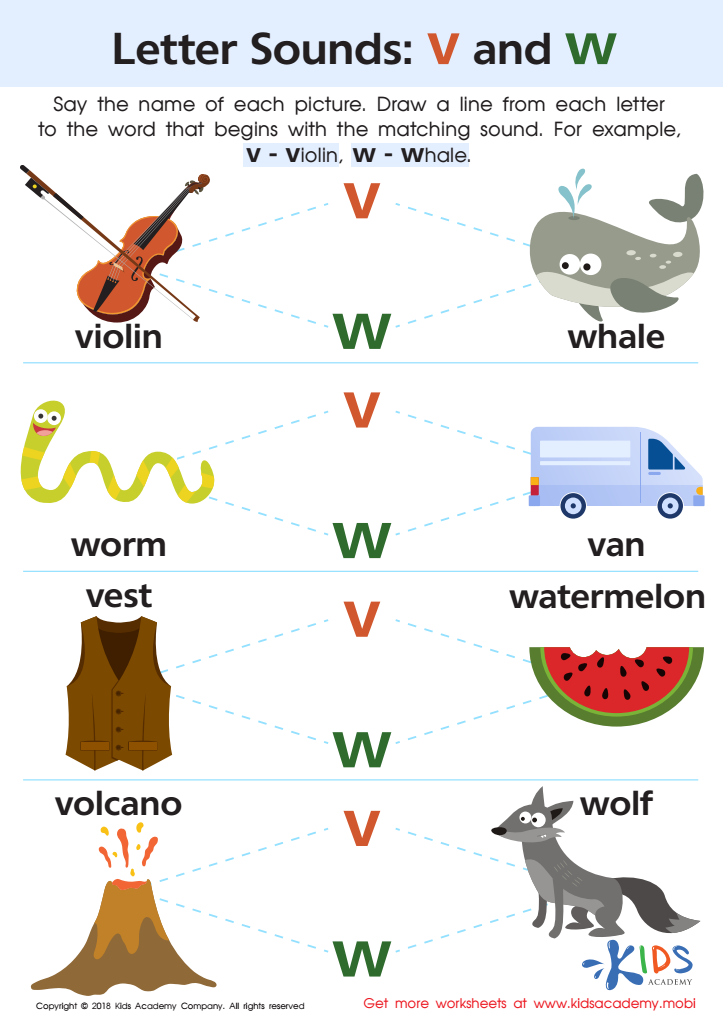
Letter V and W Sounds Worksheet
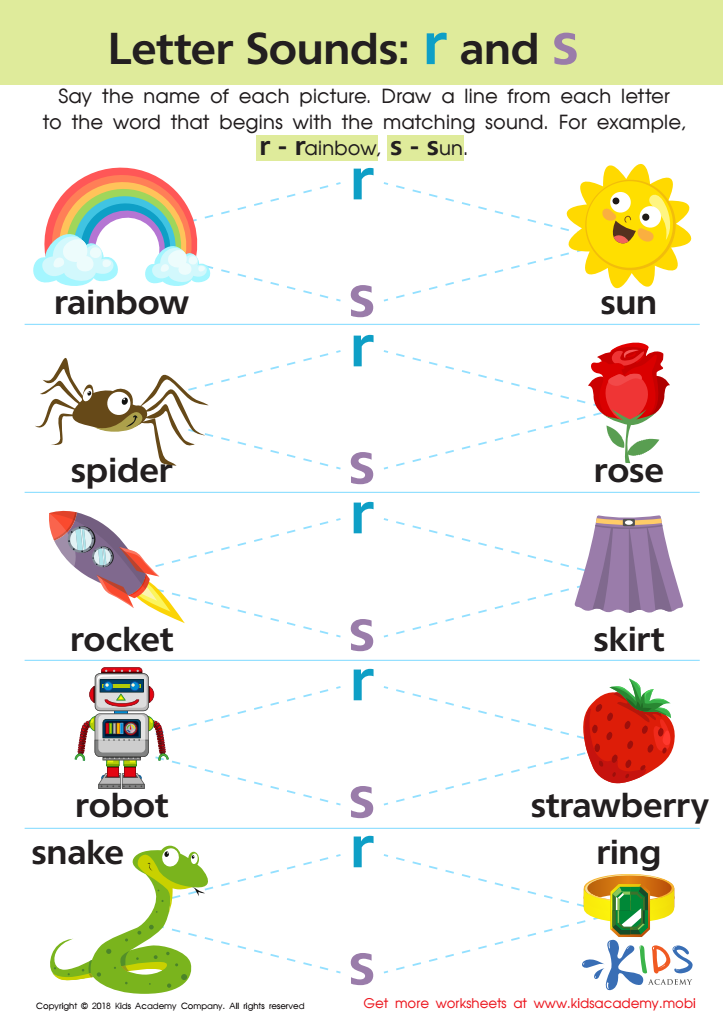
Letter R and S Sounds Worksheet
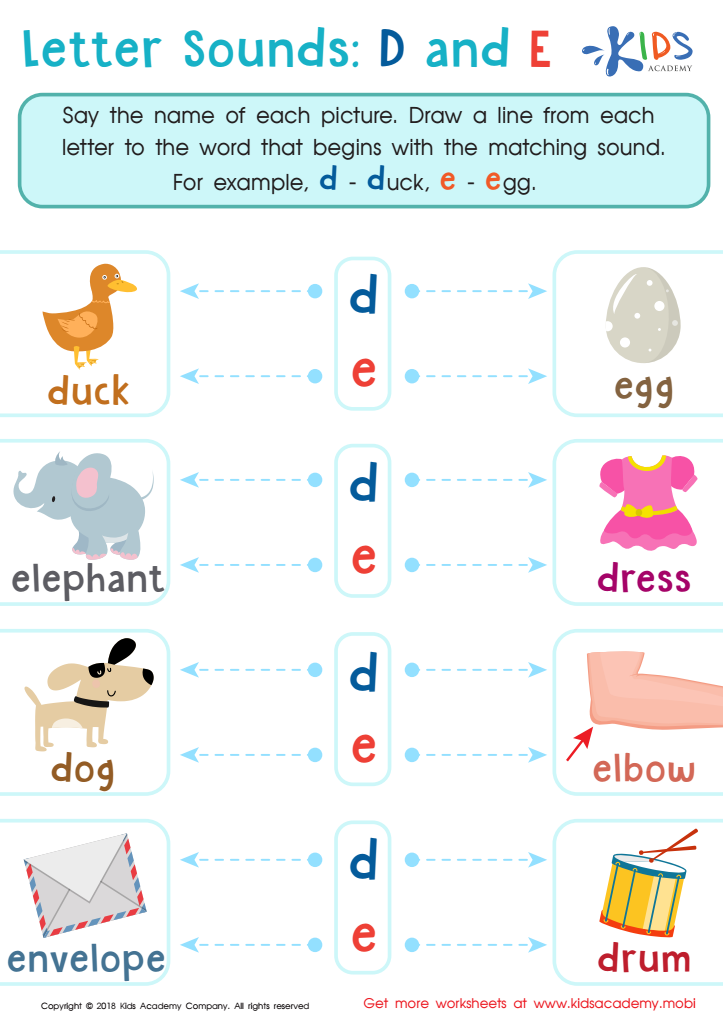
Letter D and E Sounds Worksheet








Handwriting practice and phonics are fundamental components of early literacy development for children aged 4-5. At this age, children are not only developing fine motor skills through writing but are also beginning to understand the connection between letters and sounds, essential for reading. Engaging in handwriting practice helps improve hand strength and coordination, which are vital for successful writing later on.
Additionally, when young learners practice handwriting, they reinforce their understanding of phonics by connecting auditory sounds to their written forms. This dual exposure promotes greater retention of language concepts, essential for learning to read and write. Phonics enriches vocabulary and builds confidence, leading to effective literacy skills.
Moreover, early mastery of handwriting and phonics cultivates a sense of accomplishment in children. It sets the stage for future academic success, allowing them to explore literacy with greater enthusiasm. For parents and teachers, prioritizing handwriting and phonics at this stage fosters a lifelong love for learning, critical thinking, and effective communication skills, preparing children for the next steps in their educational journey. By investing time and resources in these areas, adults can create a supportive, rich learning environment that benefits children immensely.







