Reading comprehension Phonics Worksheets for Ages 4-5 - Page 2
40 filtered results
-
From - To
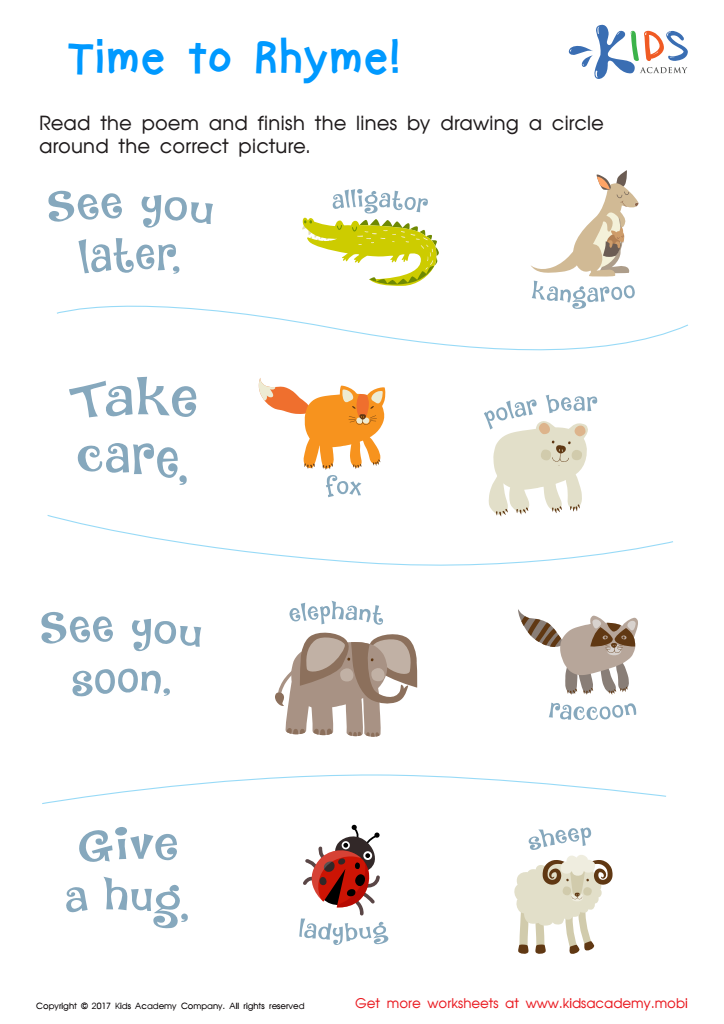
Time to Rhyme Rhyming Worksheet
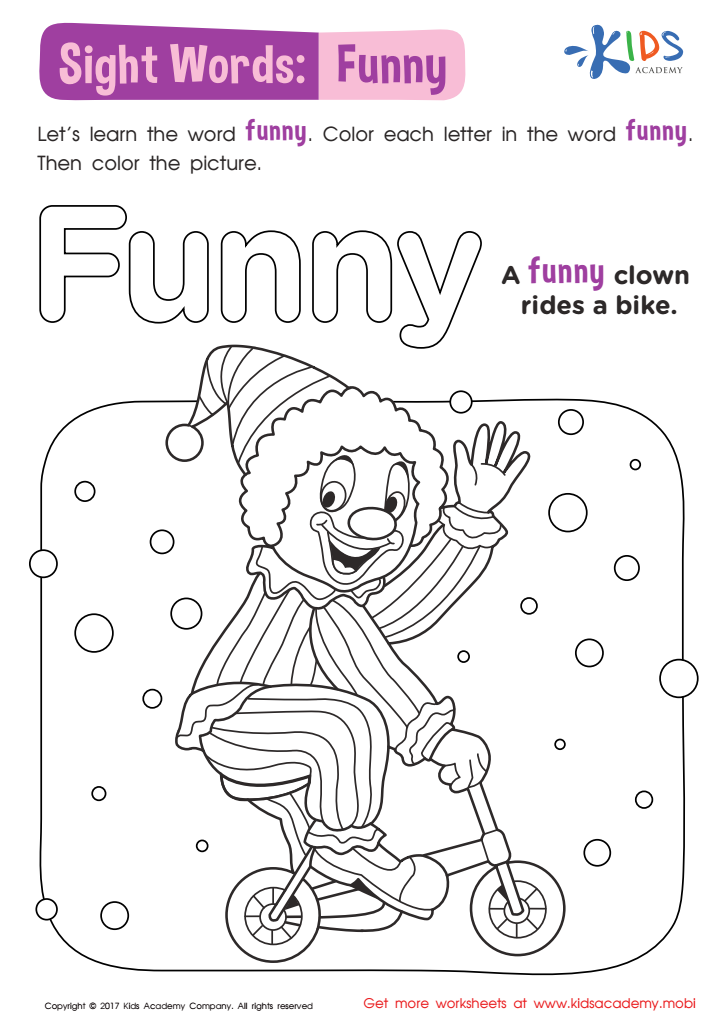
Funny Worksheet Sight Words Worksheet
 Assign to My Students
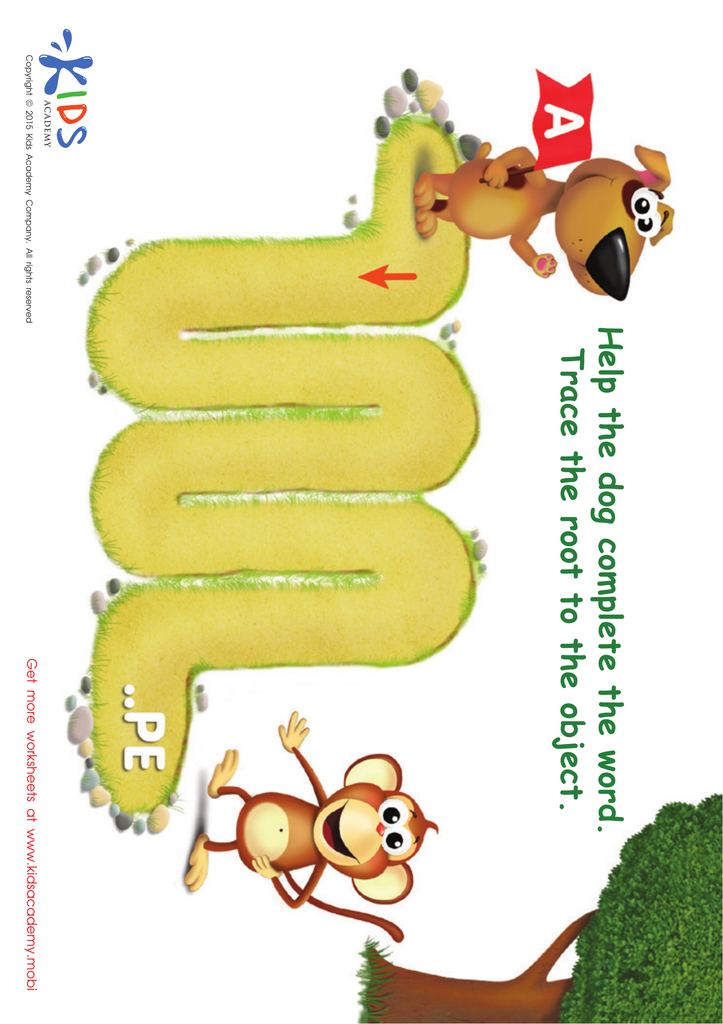
Long Vowel Sound A Worksheet Worksheet
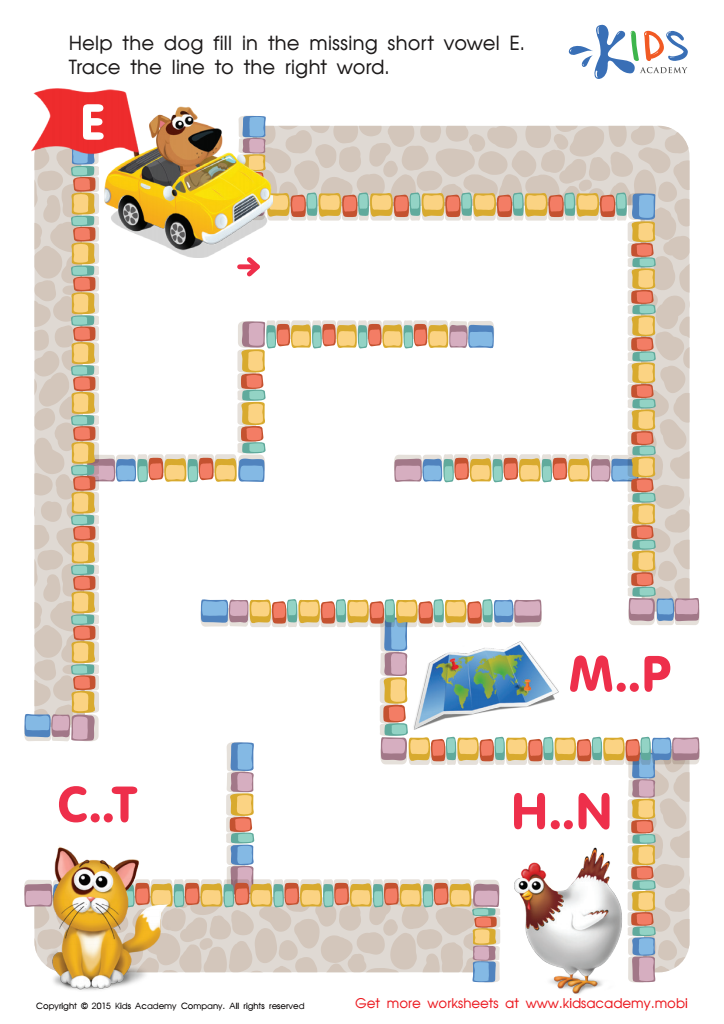
Short Vowel Sound E Worksheet
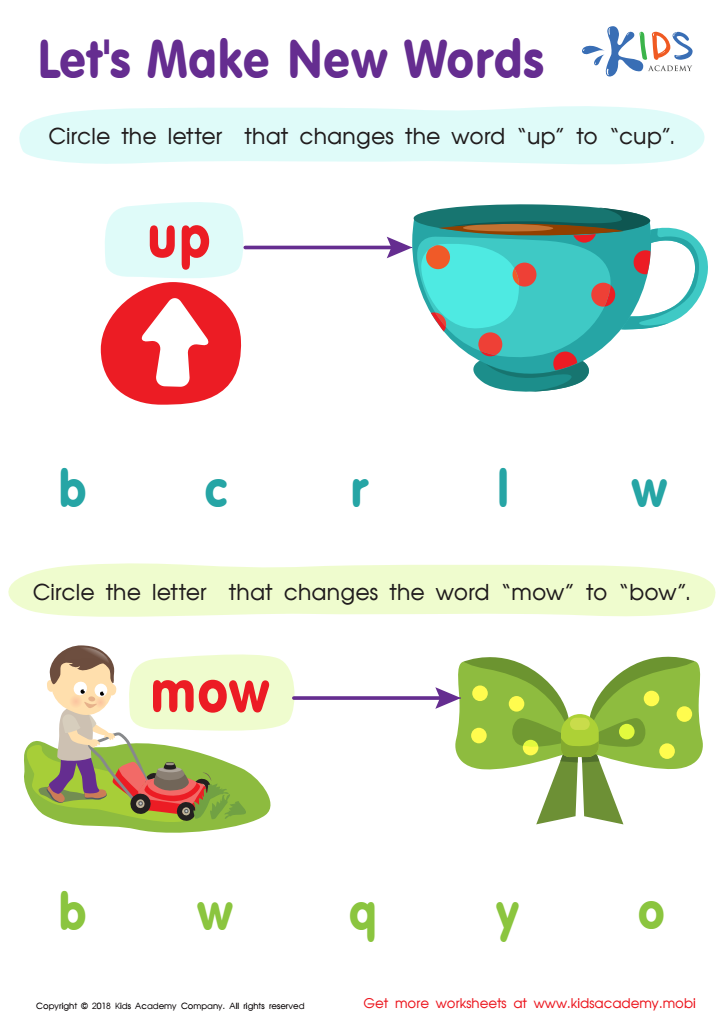
Let's Make New Words Worksheet
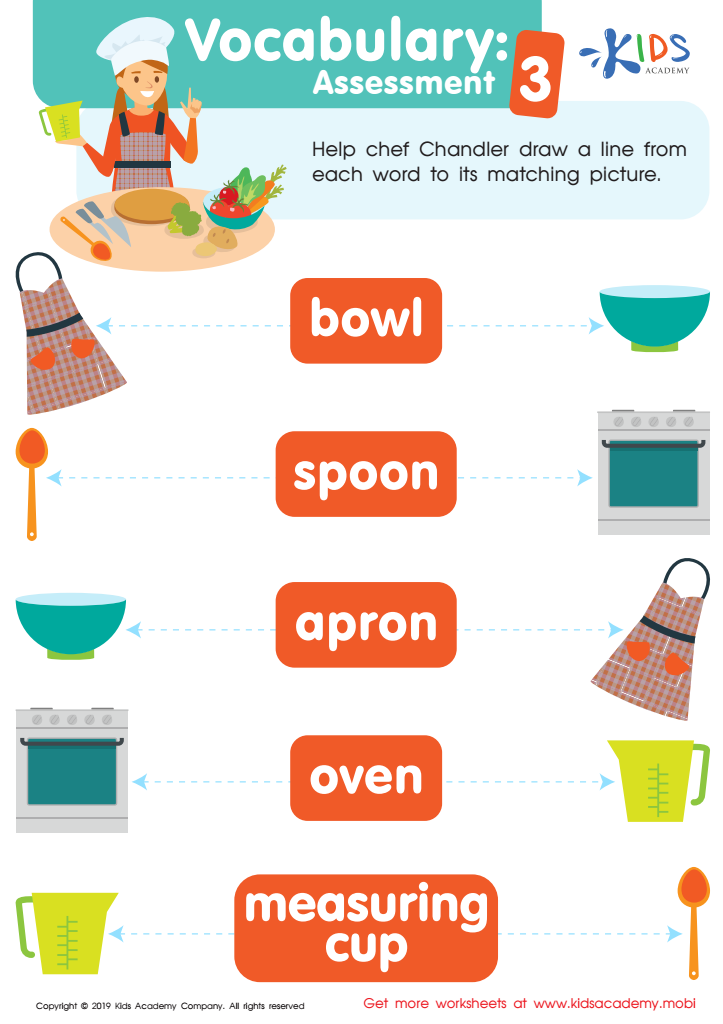
Vocabulary: Assessment 3 Worksheet
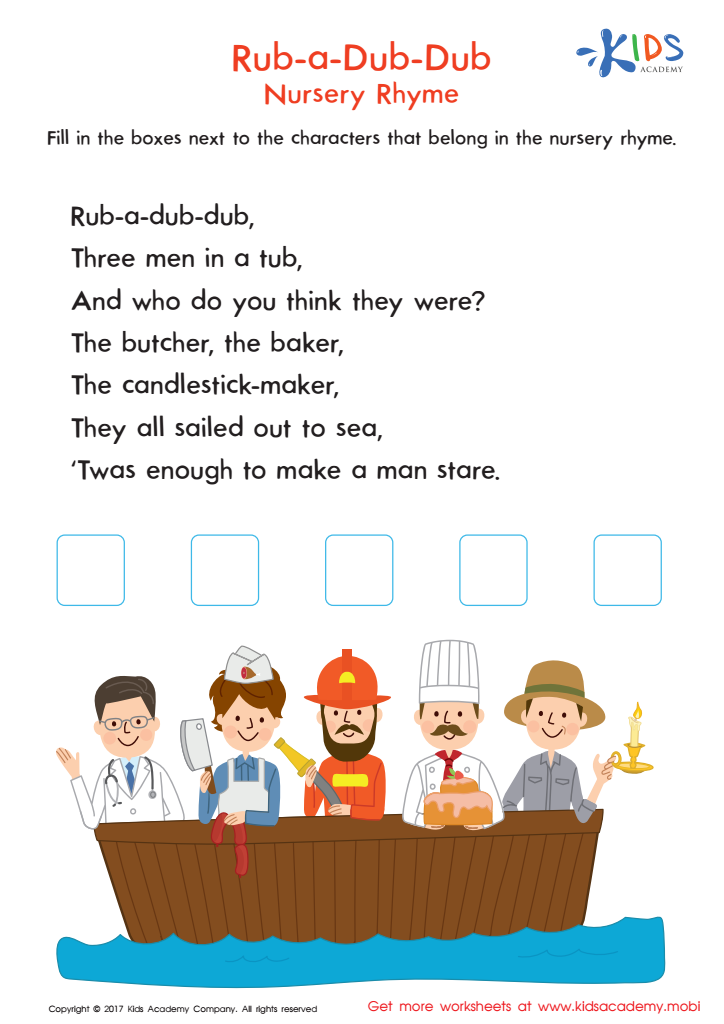
Rub a Dub Dub Printable
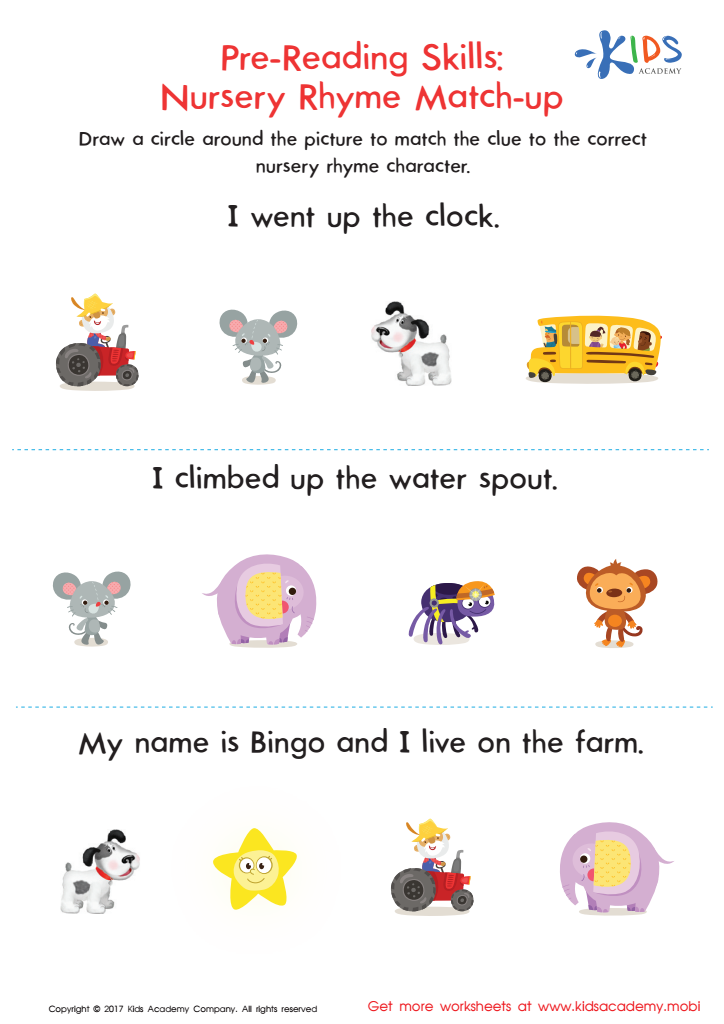
Nursery Rhyme Match–Up Worksheet
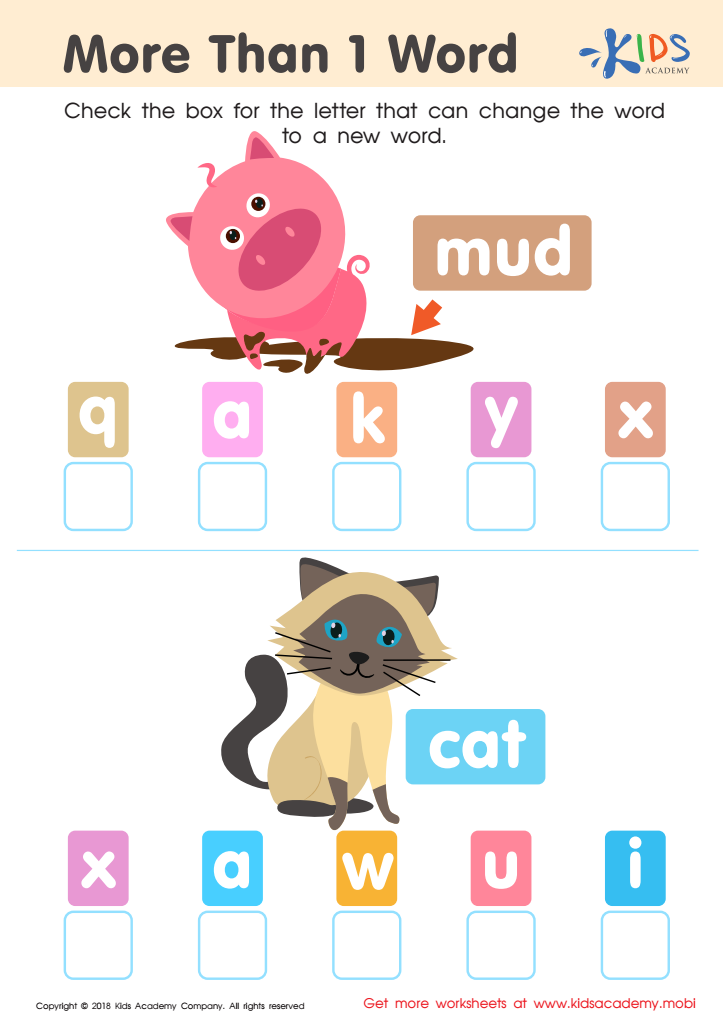
More than 1 word Worksheet
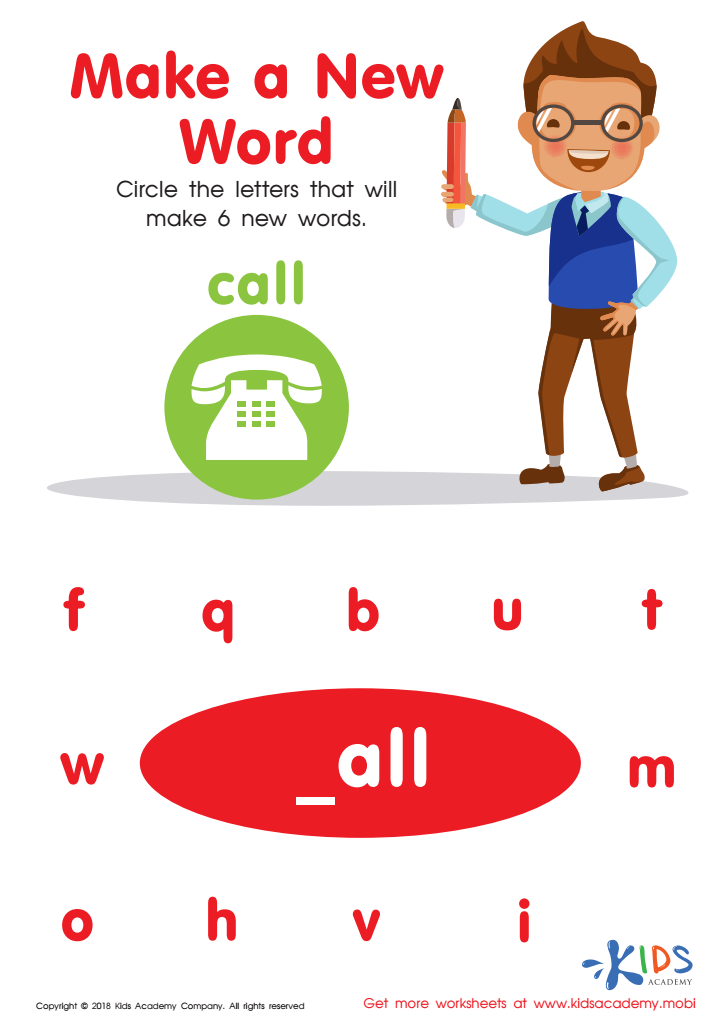
Make a New Word Worksheet

Long and Short E Worksheet
Assign to My Students
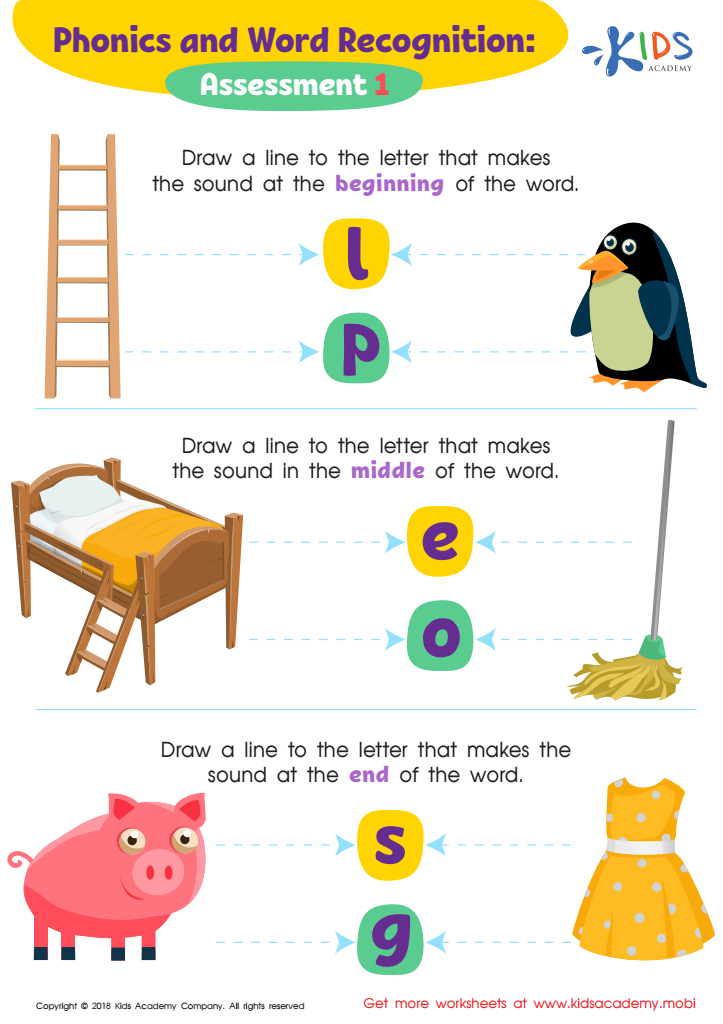
Phonics and Word Recognition: Assessment 1 ELA Worksheet
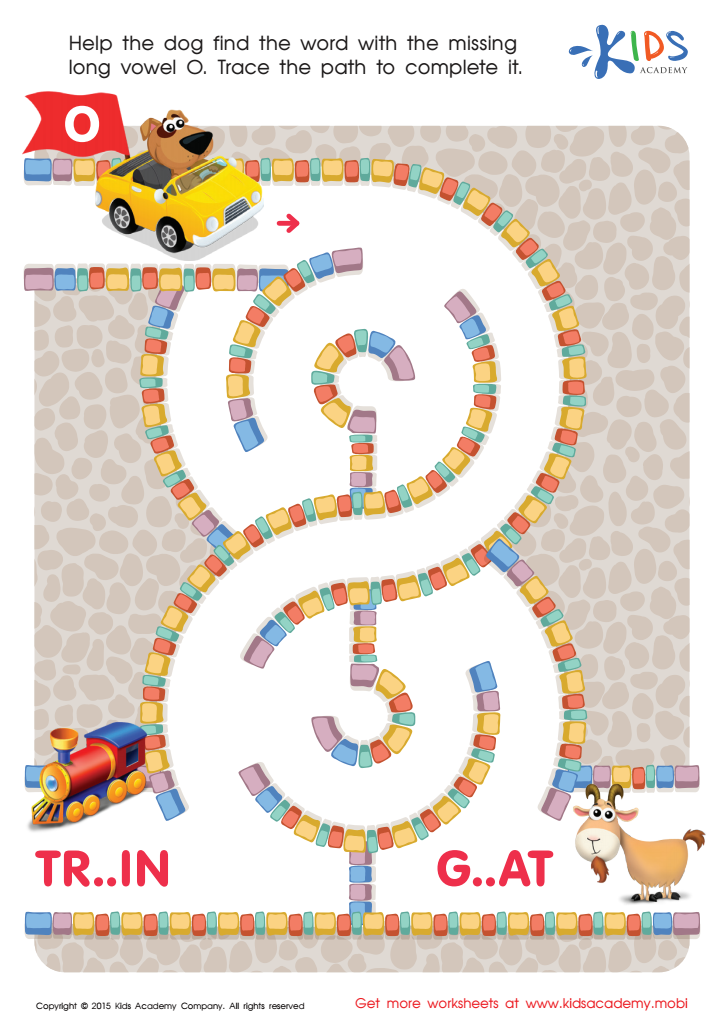
Long Vowel Sound O Worksheet
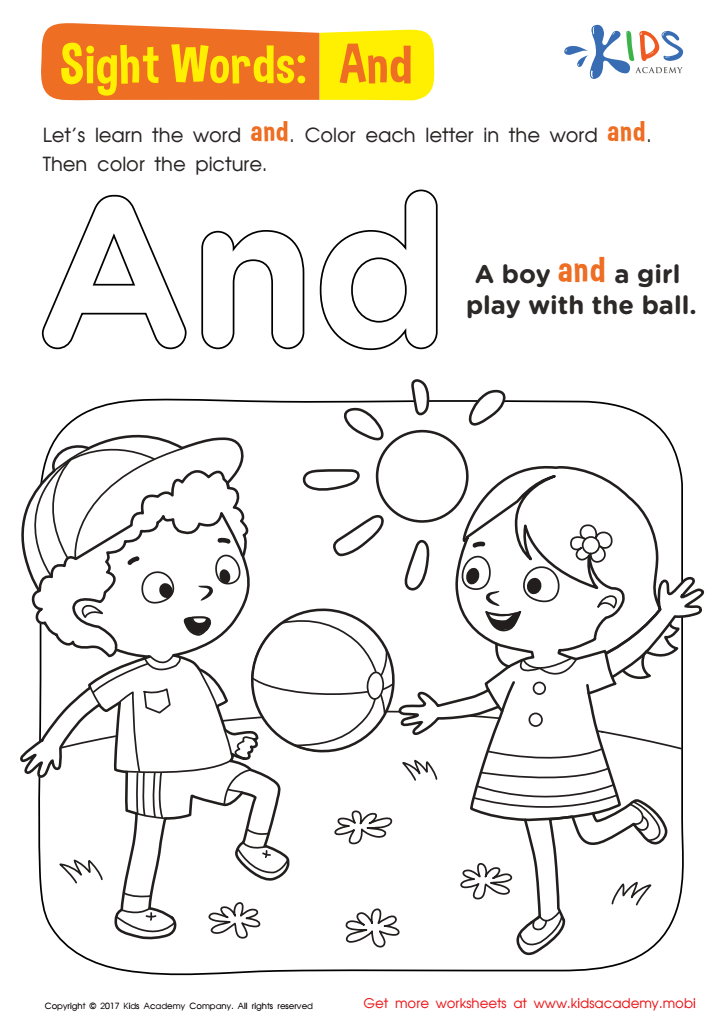
And Worksheet Sight Words Worksheet
Assign to My Students
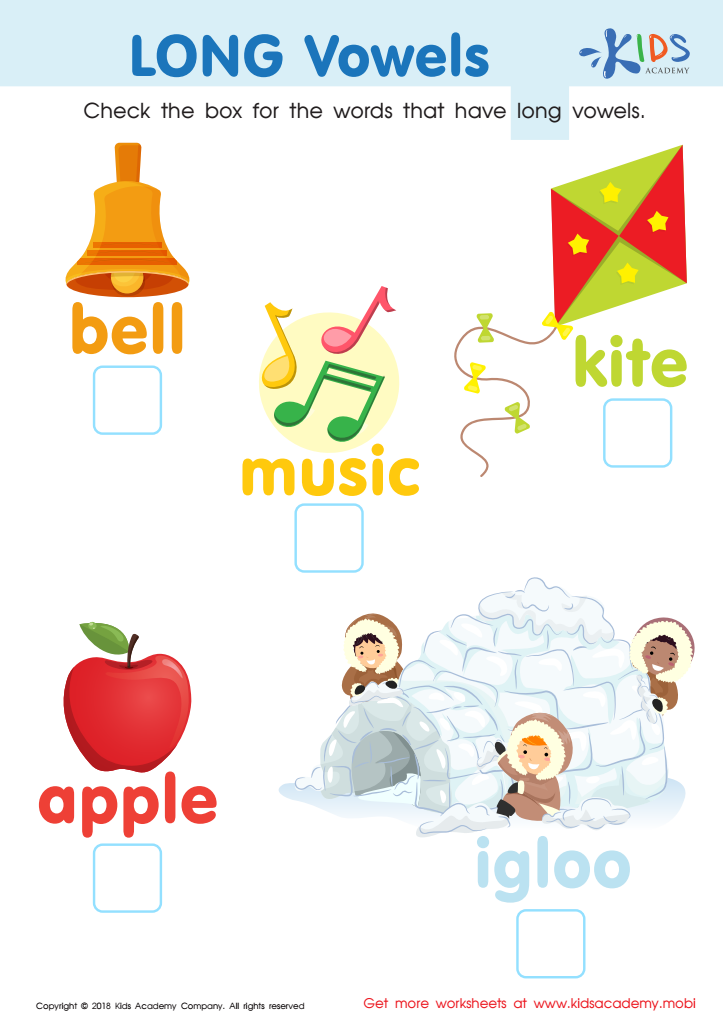
long vowels Worksheet
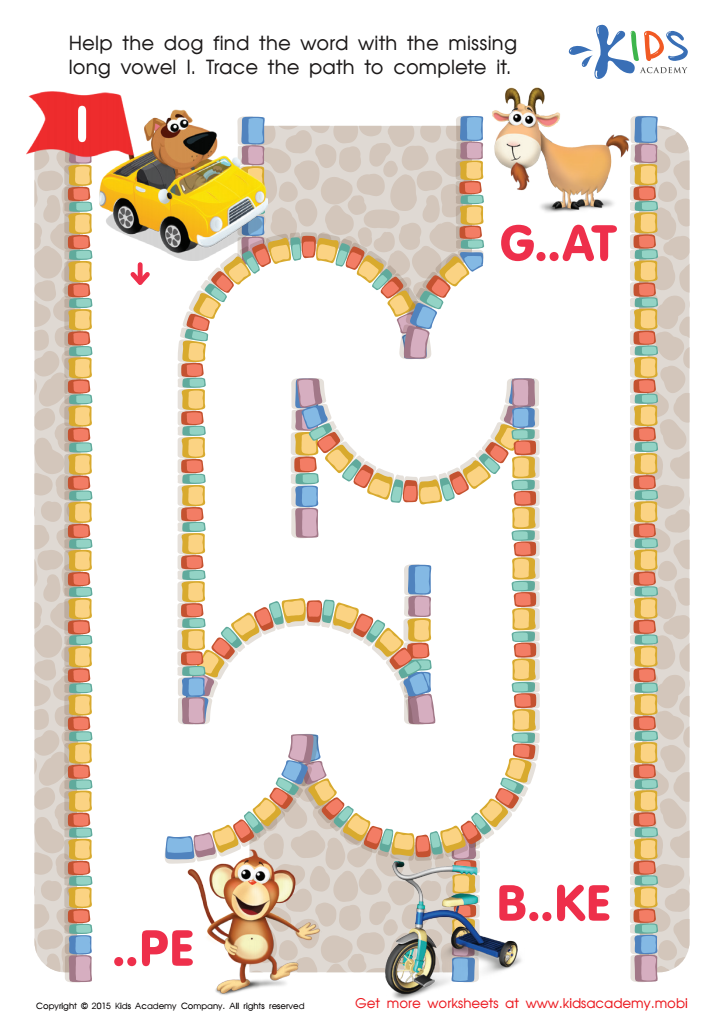
Long Vowel Sound I Worksheet








Reading comprehension and phonics are critical for children ages 4-5 because these early skills set the foundation for future academic success and lifelong learning. At this developmental stage, young brains are highly receptive to language acquisition, making it an ideal time to introduce phonics—the understanding of letter-sound relationships. Phonics instruction helps children decode words, which is a crucial step toward becoming a fluent reader.
Reading comprehension goes hand in hand with phonics and involves the ability to understand and interpret the meaning of text. When children grasp phonics, they can more easily read words and sentences, allowing them to focus on comprehension. Early comprehension skills include understanding story structure, recognizing main ideas, and developing a love for reading.
Parents and teachers should prioritize these areas because strong early literacy skills are predictors of later academic achievement. Children who excel in reading by the end of first grade are likely to maintain strong reading skills throughout their educational journey. Conversely, struggling readers often find it challenging to catch up. Beyond academics, skilled readers benefit socially and emotionally as reading enhances communication skills and provides an avenue for empathy and creativity. Investing time in teaching phonics and promoting reading comprehension at ages 4-5 creates confident, motivated, and successful learners.







