Vocabulary expansion Phonics Worksheets for Ages 4-5 - Page 2
29 filtered results
-
From - To
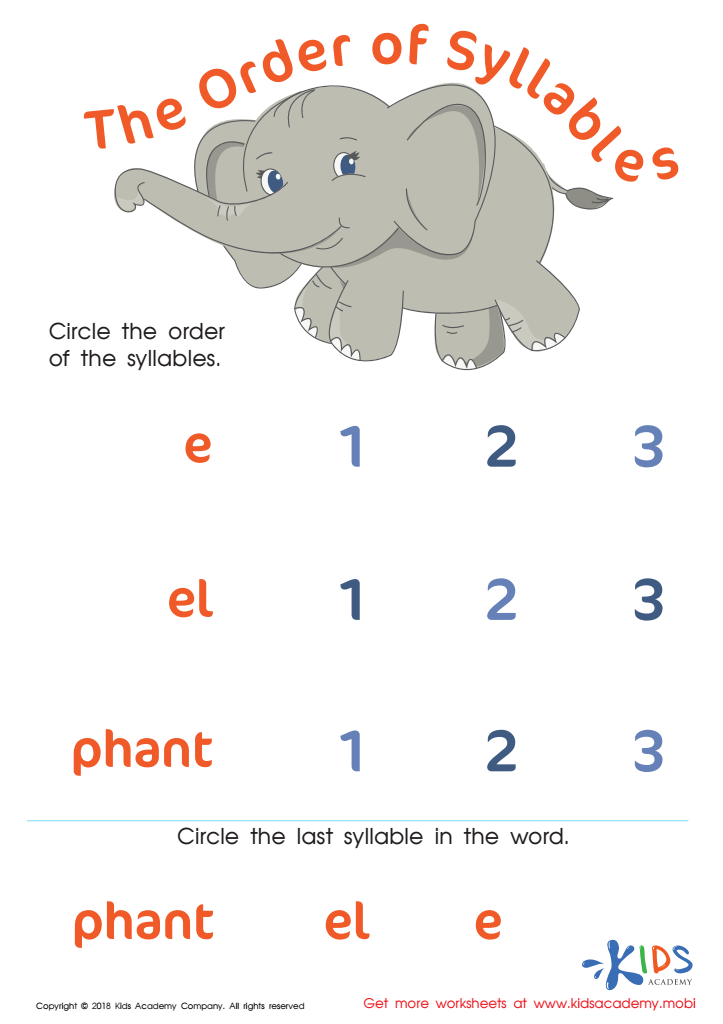
The Order of Syllables Worksheet
 Assign to My Students
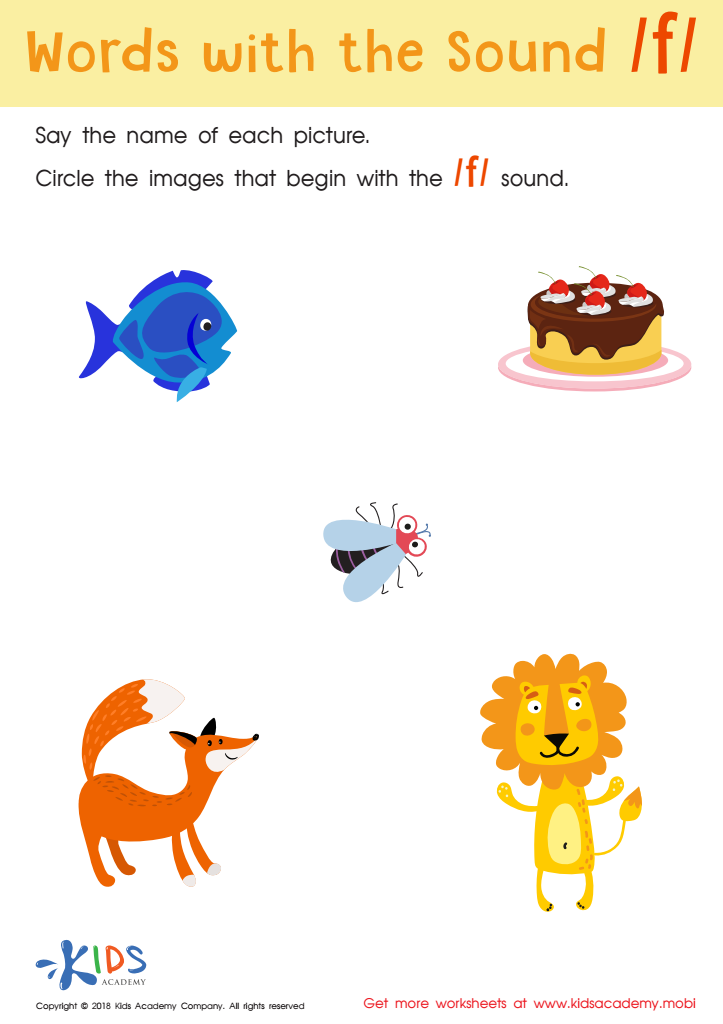
Words with sound f Reading Worksheet
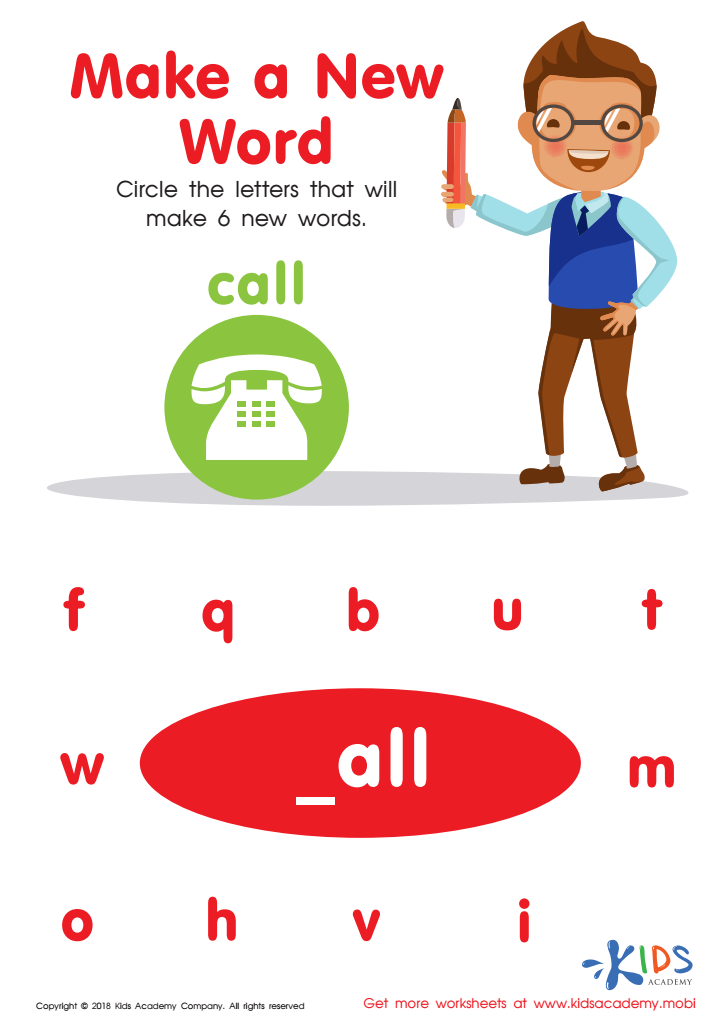
Make a New Word Worksheet
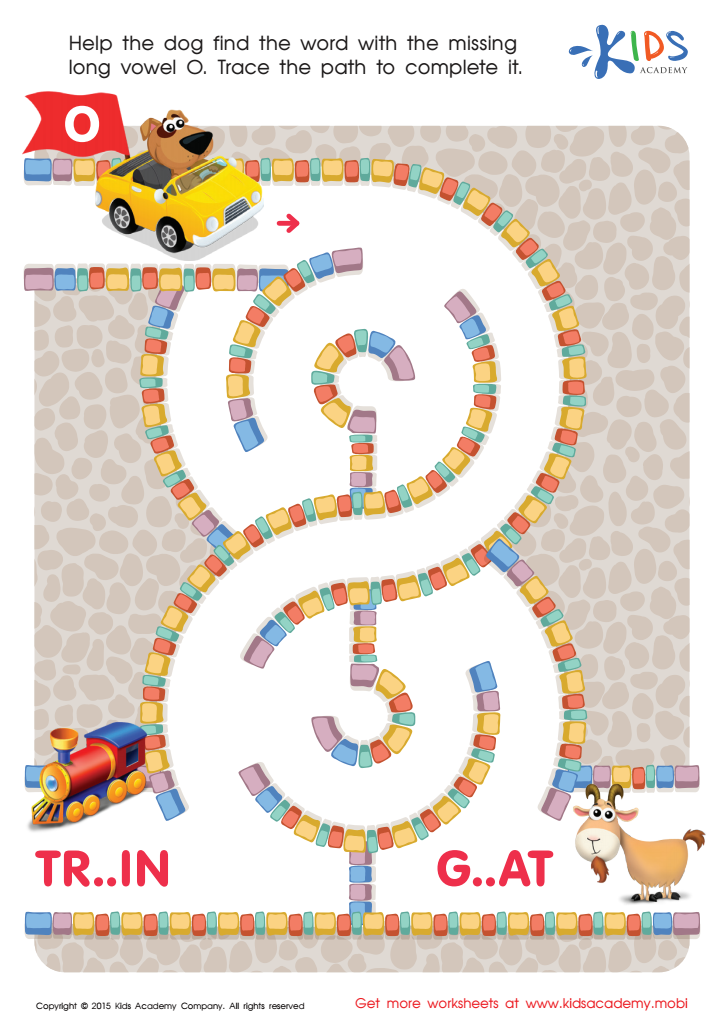
Long Vowel Sound O Worksheet
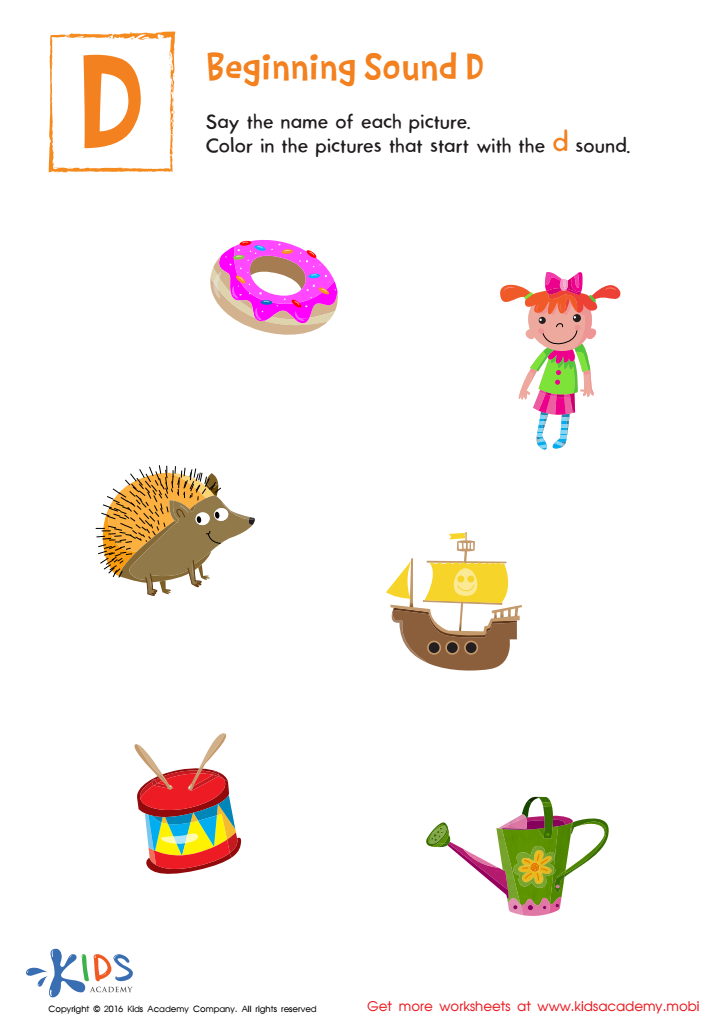
Beginning Sound D Worksheet








Vocabulary expansion and phonics foundational skills are crucial for children aged 4-5, laying the groundwork for future reading and writing success. At this developmental stage, children are highly receptive to language exposure. Engaging in vocabulary-building activities helps them understand word meanings, enhances their communication skills, and fosters a love for learning. Building a robust vocabulary at this age equips children with the tools necessary for effective self-expression, essential for social interactions and academic milestones.
Phonics is equally important, as it teaches children the relationship between letters and sounds. Mastering phonics enables young learners to decode words, facilitating the reading process. This skill directly correlates with their ability to recognize and understand new vocabulary in context. Phonemic awareness, a precursor to phonics, also helps children distinguish and manipulate sounds within words, fostering better pronunciation and spelling.
Parents and teachers should prioritize vocabulary and phonics development because a strong foundation in these areas supports overall literacy. Children with solid vocabulary and phonics skills are more likely to succeed academically and develop a lifelong love of reading. Investing time in these essential skills enhances classroom engagement and sets the stage for future educational achievements.







