Alphabet Recognition Tracing Letters Worksheets for Ages 4-5 - Page 2
28 filtered results
-
From - To
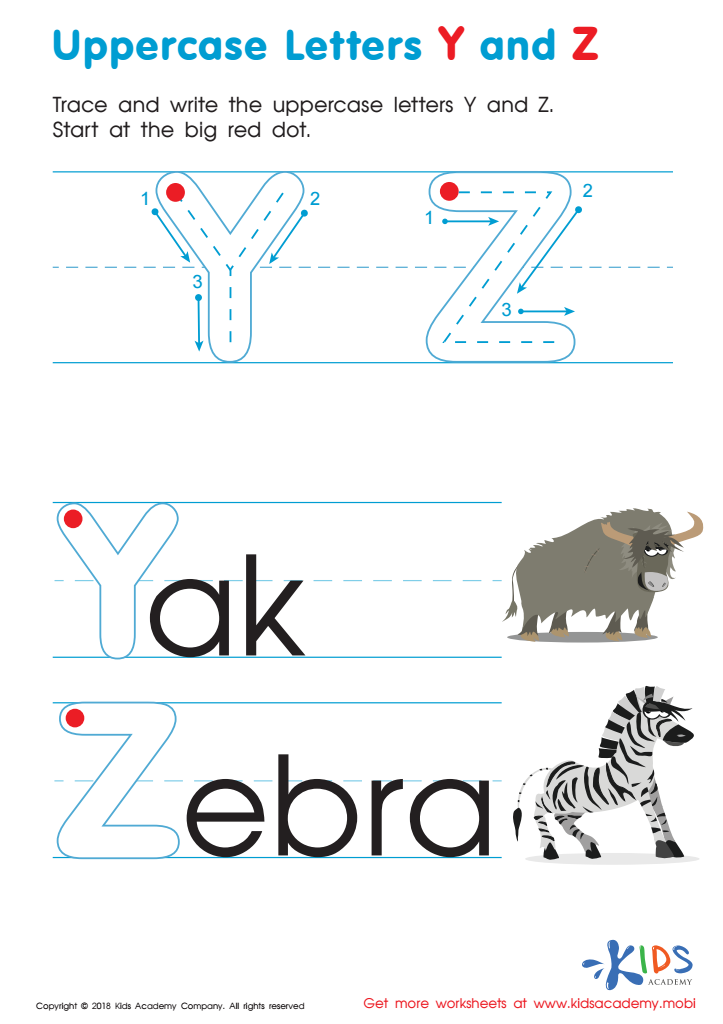
Uppercase Letters Y Z Worksheet
 Assign to My Students
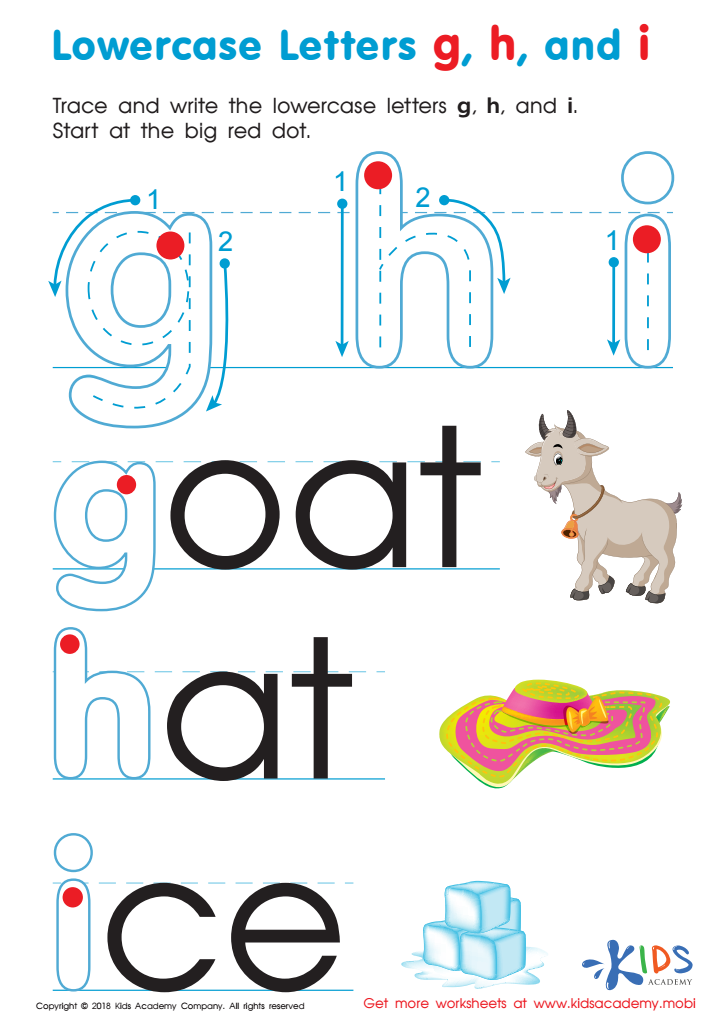
Lowercase Letters g h i Worksheet
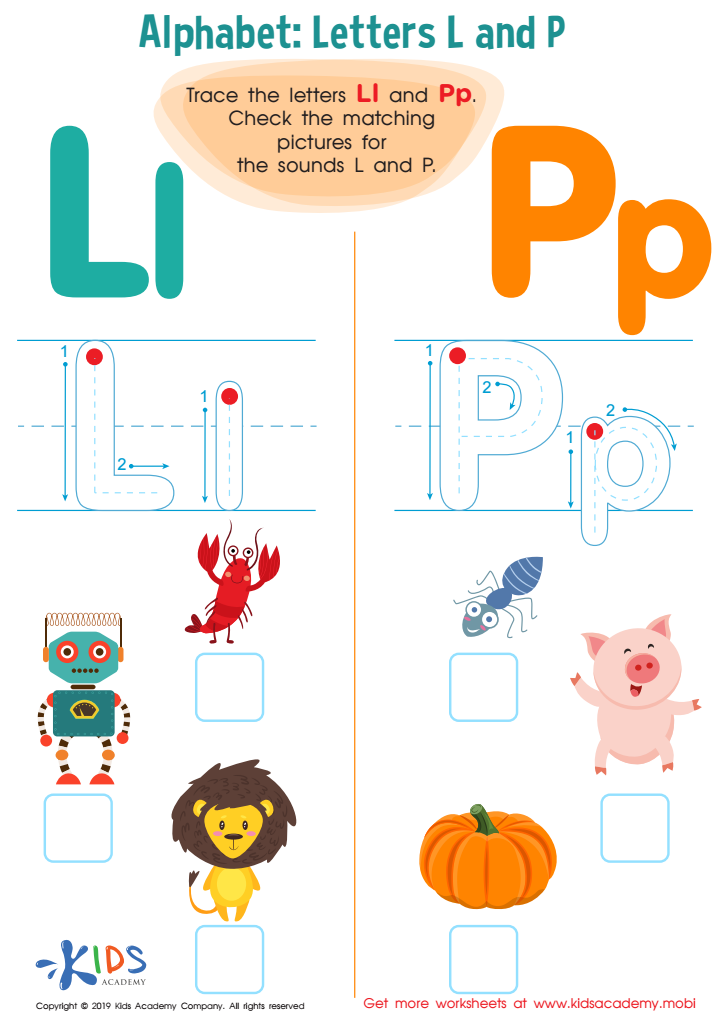
Letter L and P Tracing Worksheet
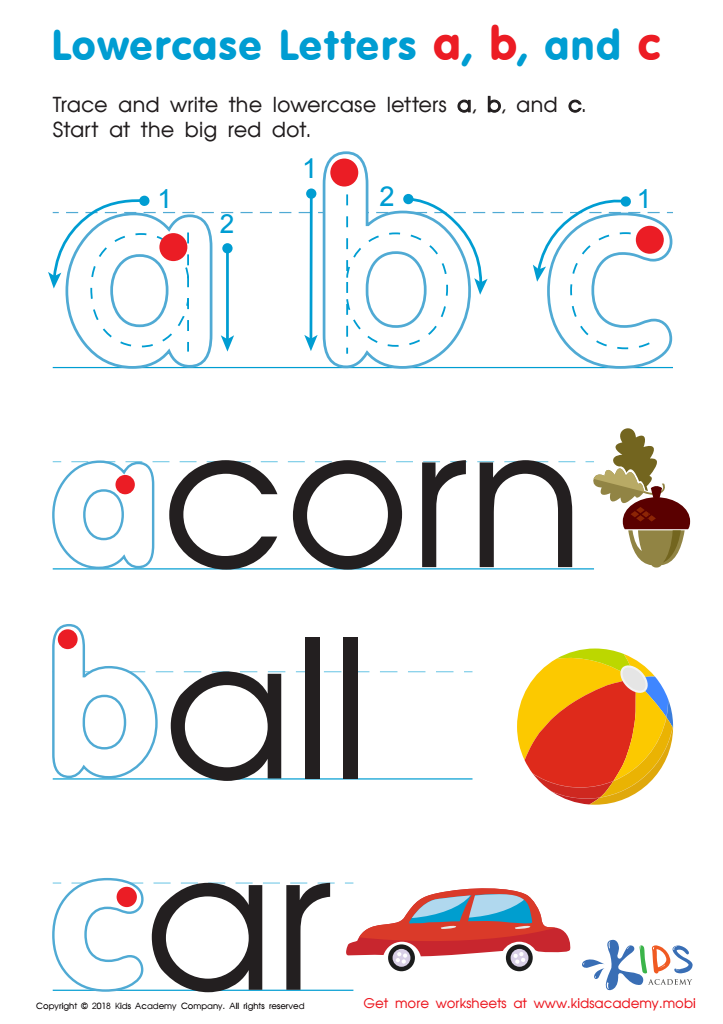
Lowercase Letters a b c Worksheet








Alphabet recognition and letter tracing are crucial skills for children aged 4-5 as they serve as the foundation for early literacy and future academic success. During this developmental stage, children are increasingly curious about letters and their sounds, which makes it an ideal time for learning.
Firstly, recognizing letters allows children to identify key components of written language, which fosters a love for reading. As they begin tracing letters, they fine-tune their motor skills, enhancing their ability to write and express themselves. This practice not only builds muscle memory for forming letters correctly but also boosts confidence as they see tangible progress in their handwriting.
Moreover, early exposure to letter recognition aids in vocabulary development. Children start connecting letters with their corresponding sounds, promoting phonetic awareness crucial for reading fluency. Engaging with letters through tracing activities can also make learning more interactive and enjoyable, encouraging a positive attitude towards education.
Additionally, this skill set lays the groundwork for future learning areas, including math and science, where understanding symbols and shapes is essential. When parents and teachers prioritize alphabet recognition and tracing, they set children on a path to becoming competent, enthusiastic learners ready to tackle more complex academic subjects later on.








