Hand-eye Coordination Tracing Letters Worksheets for Ages 4-5
6 filtered results
-
From - To
Boost your child's early writing skills with our Hand-eye Coordination Tracing Letters Worksheets, specially designed for ages 4-5. These fun, printable activities help develop crucial fine motor skills, improve hand-eye coordination, and prepare little learners for successful writing. Through engaging letter tracing exercises, children will practice controlling their hand movements while learning the alphabet. Our worksheets make learning interactive and stimulating, ensuring that your child stays motivated. Perfect for parents and teachers, these traceable sheets are an excellent resource to support early education and make handwriting practice enjoyable and effective. Start enhancing your child's skills today!
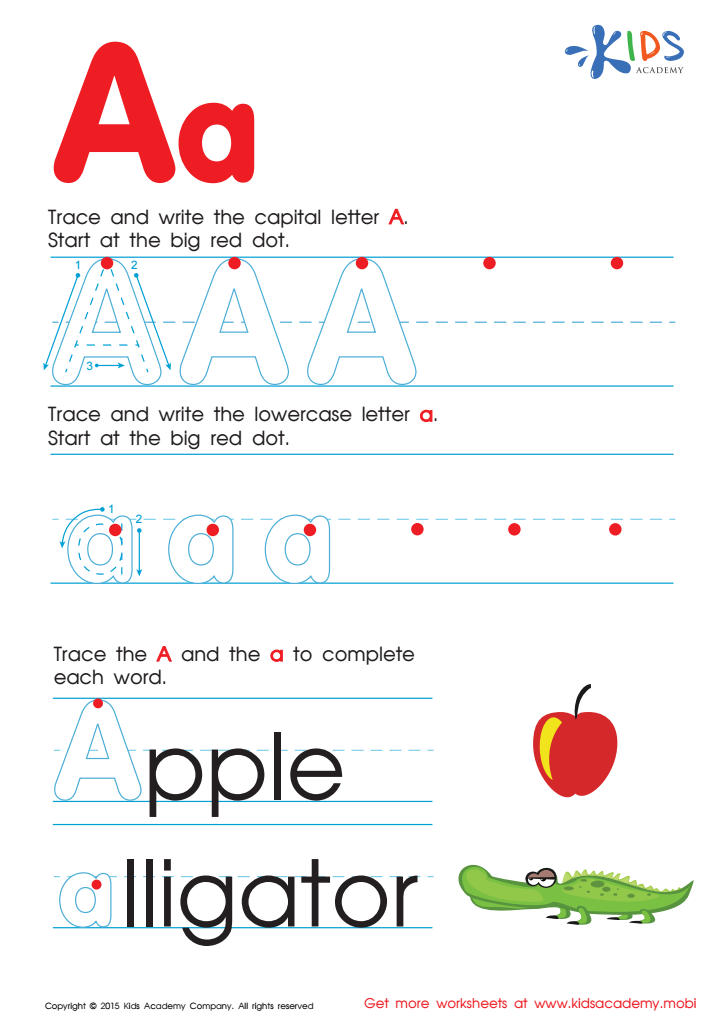
Letter A Tracing Page
 Assign to My Students
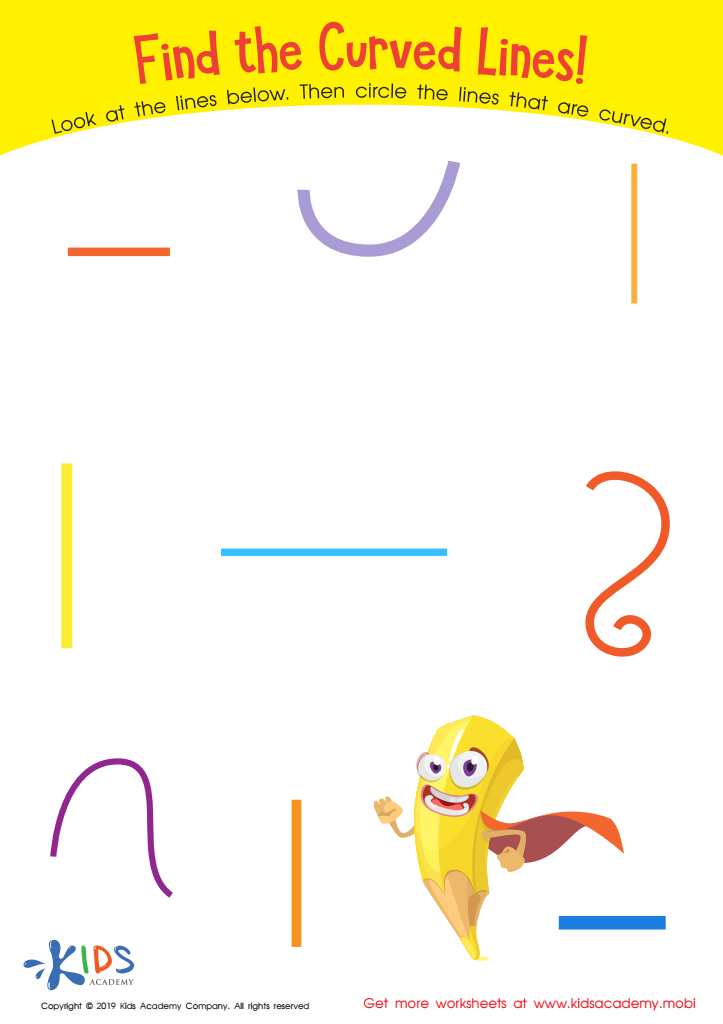
Find the Curved Lines! Worksheet
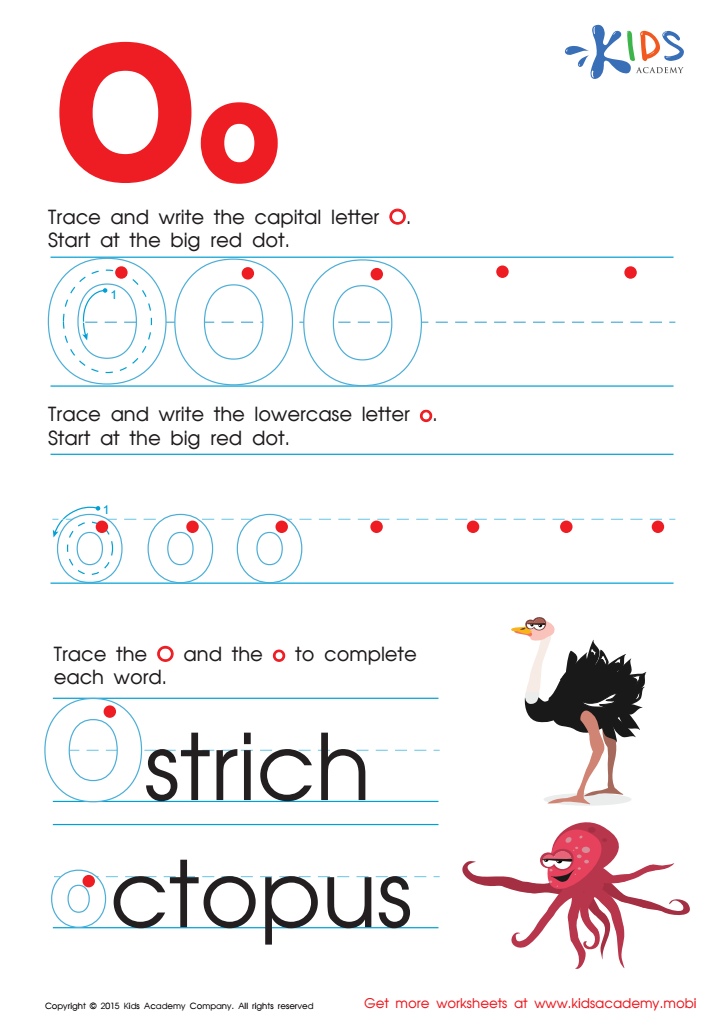
Letter O Tracing Page

Letter P Tracing Page

Letter H Tracing Page

Letter D Tracing Page








Hand-eye coordination is a foundational skill for young children, influencing many areas of development, including reading, writing, and overall academic success. For children ages 4-5, engaging in activities that promote hand-eye coordination, such as tracing letters, is especially crucial.
Firstly, tracing letters helps children develop fine motor skills, which are essential for performing tasks like holding a pencil, using scissors, and eventually, writing independently. By guiding their hands along the shapes and lines of letters, children refine their pencil grip and control, laying the groundwork for legible handwriting.
Secondly, letter tracing reinforces visual-motor integration. This process involves the brain working together with the eyes and hands, aiding children in interpreting visual information to guide precise hand movements. Strong visual-motor integration is vital for reading and other academic activities where accurate hand-eye coordination is required.
Furthermore, tracing letters fosters cognitive development by helping children recognize shapes, patterns, and the sequence of strokes needed to form letters. As they practice, they become familiar with the alphabet, enhancing their letter recognition and phonemic awareness.
Lastly, these tracing activities build patience, focus, and perseverance. Mastery of letter formation comes through sustained effort and repeated practice, qualities that translate to other learning areas.
In summary, hand-eye coordination tracing letters is a holistic developmental tool for young children, promoting physical, cognitive, and emotional growth, making it a priority for parents and teachers alike.








