Alphabet familiarity Upper & Lowercase Letters Worksheets for Ages 4-5
7 filtered results
-
From - To
Introduce your little learner to the world of letters with our "Alphabet Familiarity Upper & Lowercase Letters Worksheets for Ages 4-5". These engaging, educational worksheets are designed to help children recognize both upper and lowercase letters, enhancing their reading and writing skills. Each activity is tailored to build familiarity through fun exercises that encourage hands-on learning. Perfect for preschool and kindergarten kids, these resources support early literacy by seamlessly combining play with education. Give your child a head start with our creative and interactive alphabet worksheets, making the journey to literacy exciting and enjoyable.
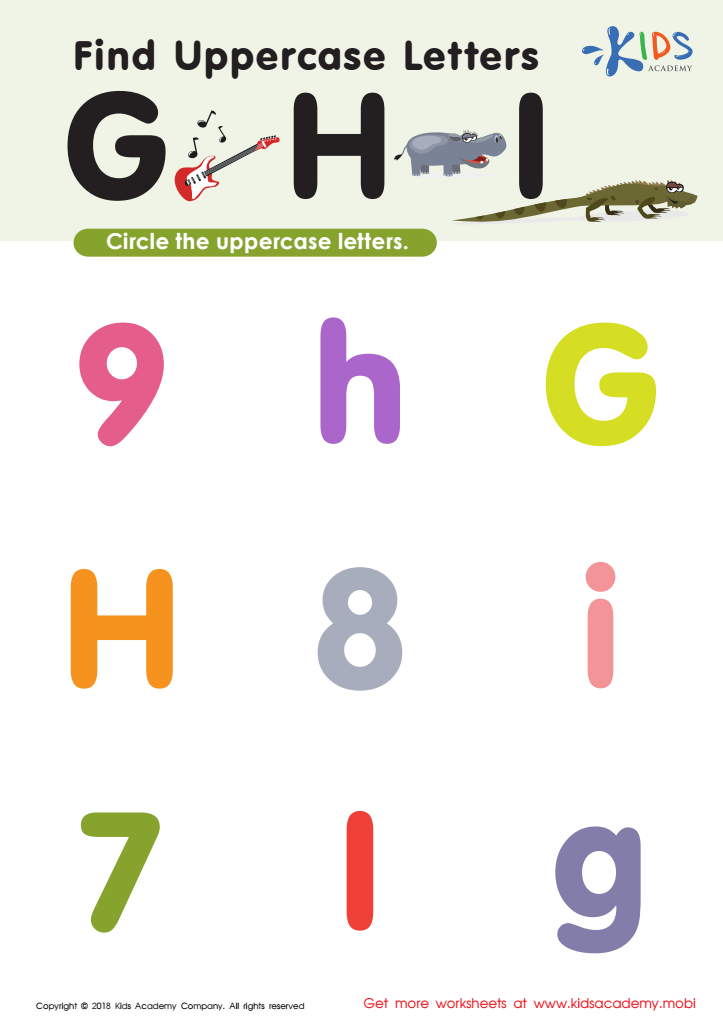
Find Uppercase Letters G, H, and I Worksheet
 Assign to My Students
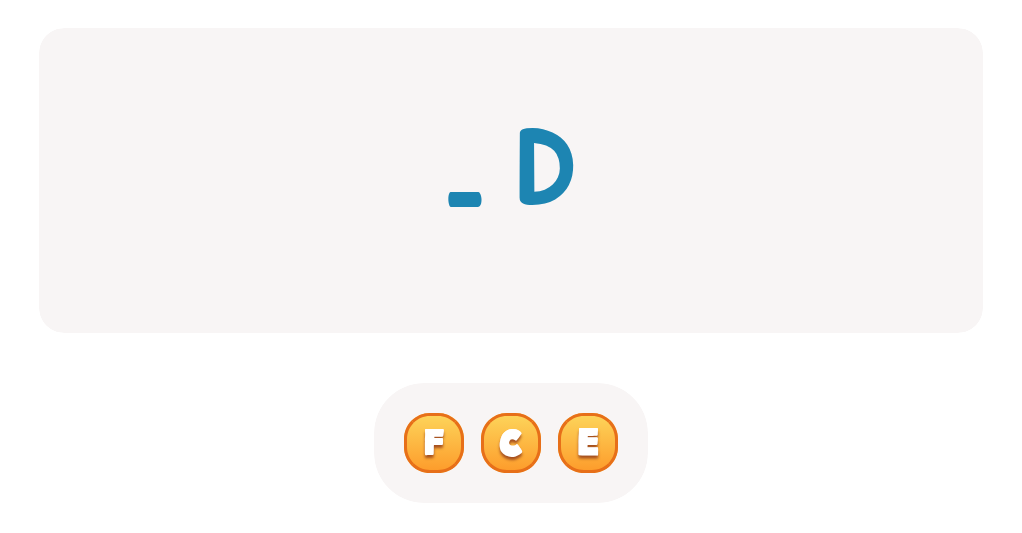

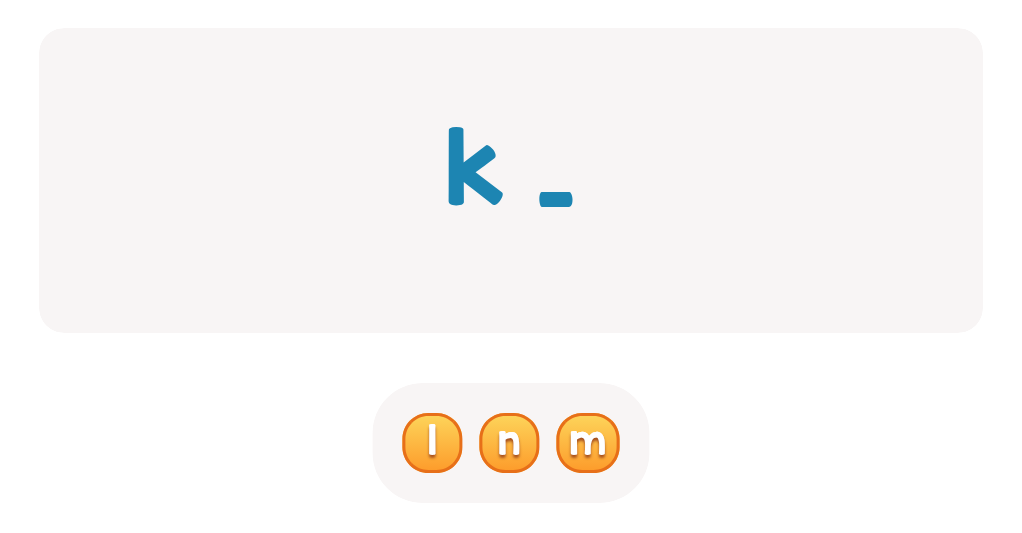
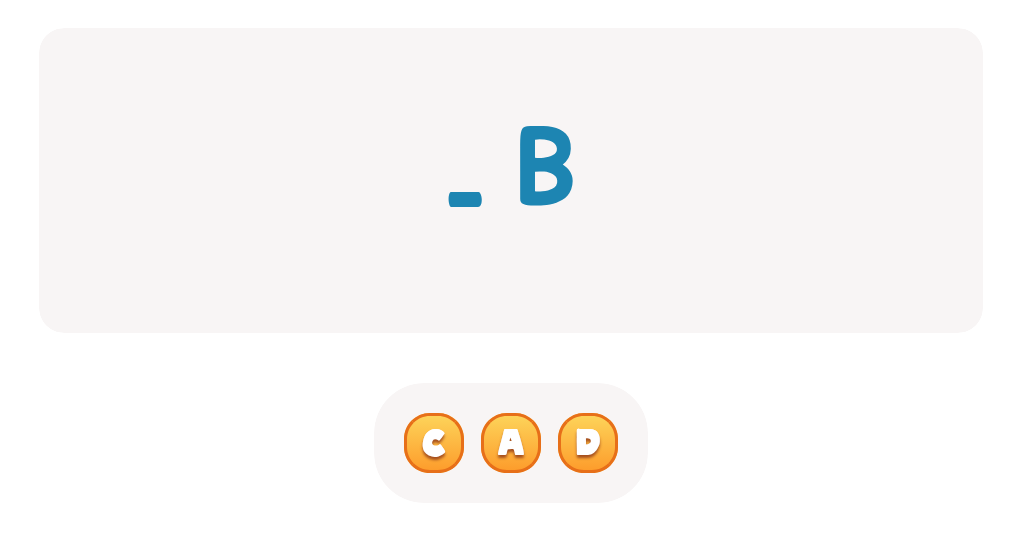

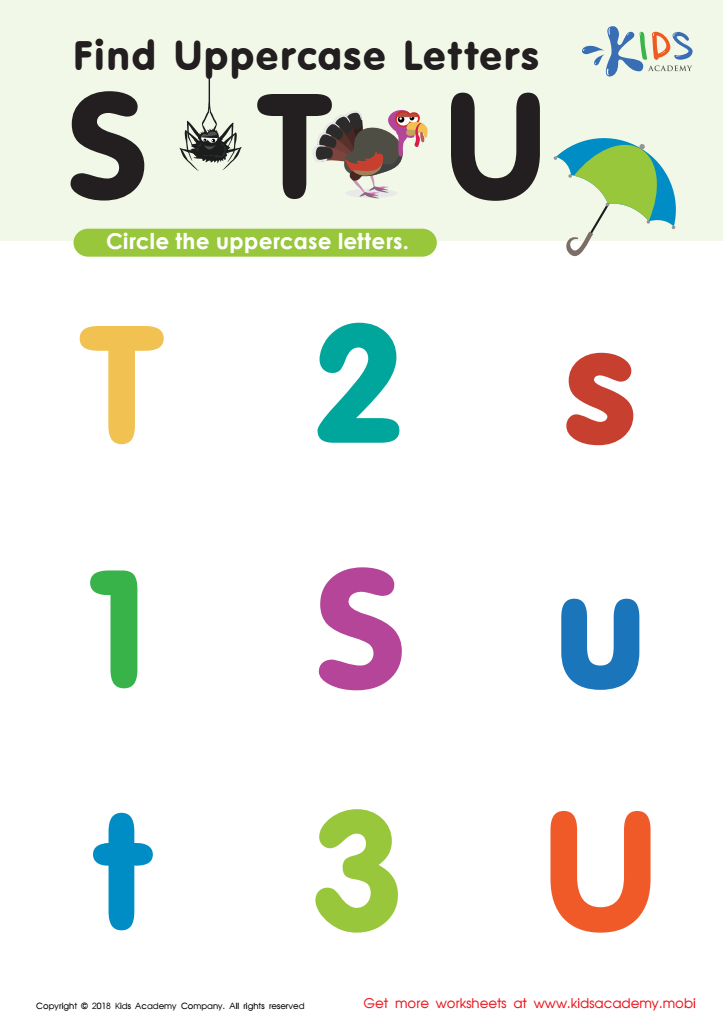
Find Uppercase Letters Worksheet
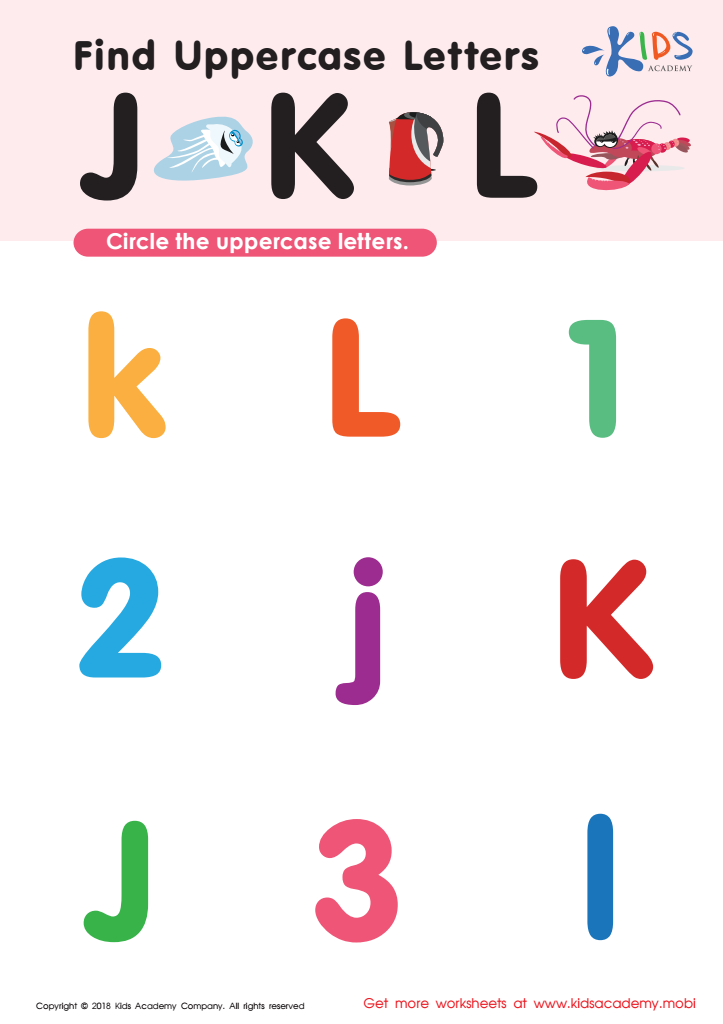
Find Uppercase Letters J, K, and L Worksheet
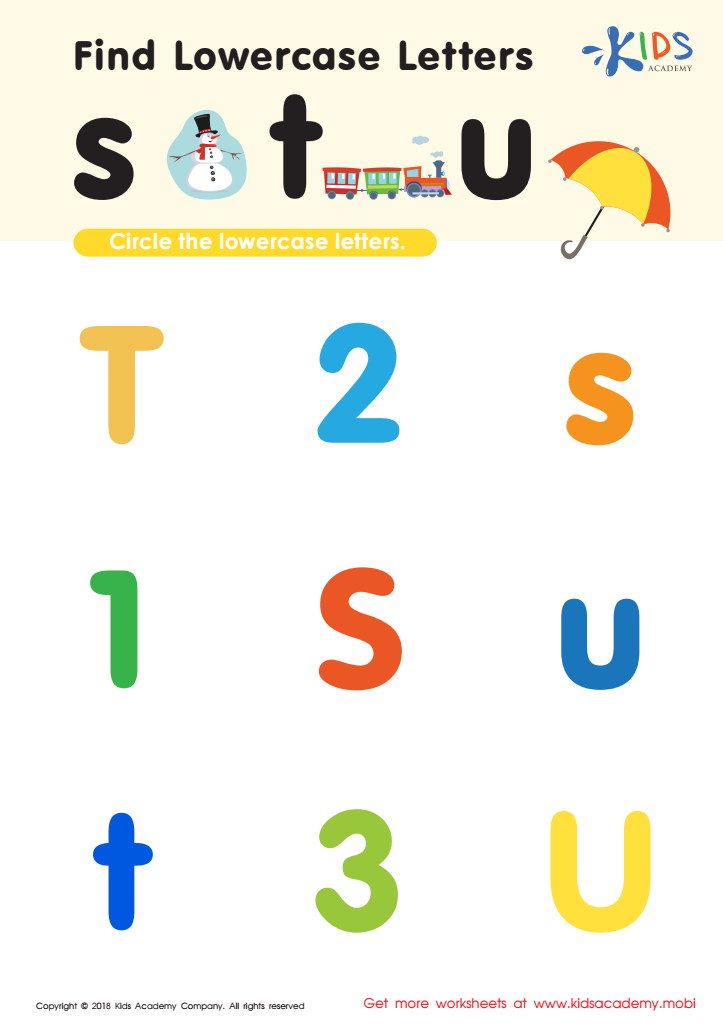
Find lowercase Letters s t u Worksheet
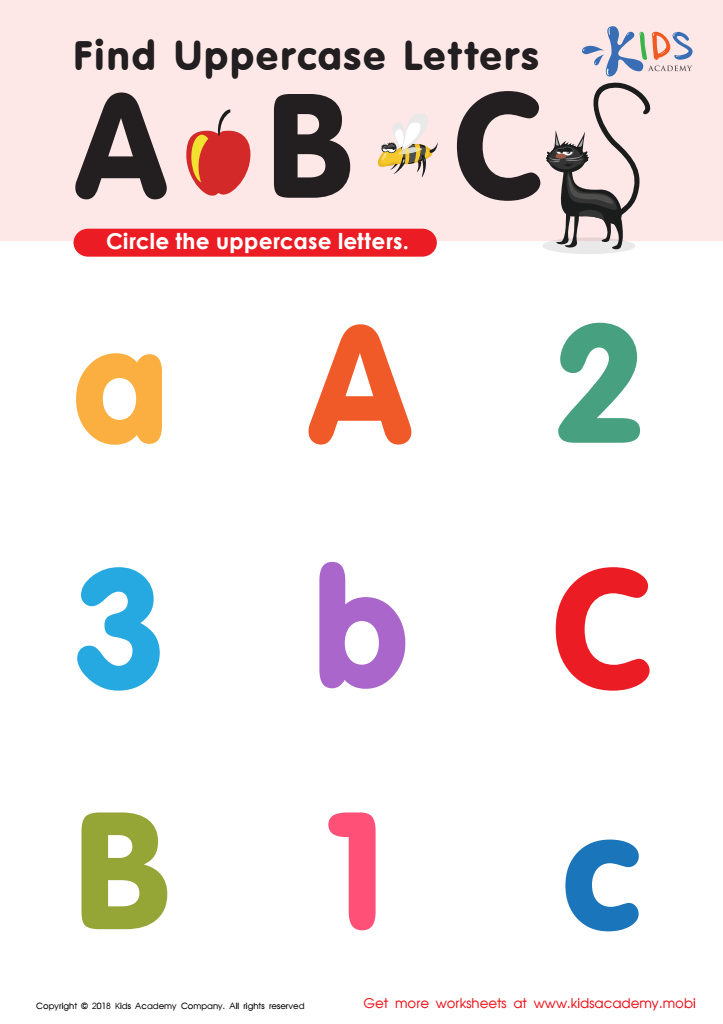
Find Uppercase Letters A, B, and C Worksheet
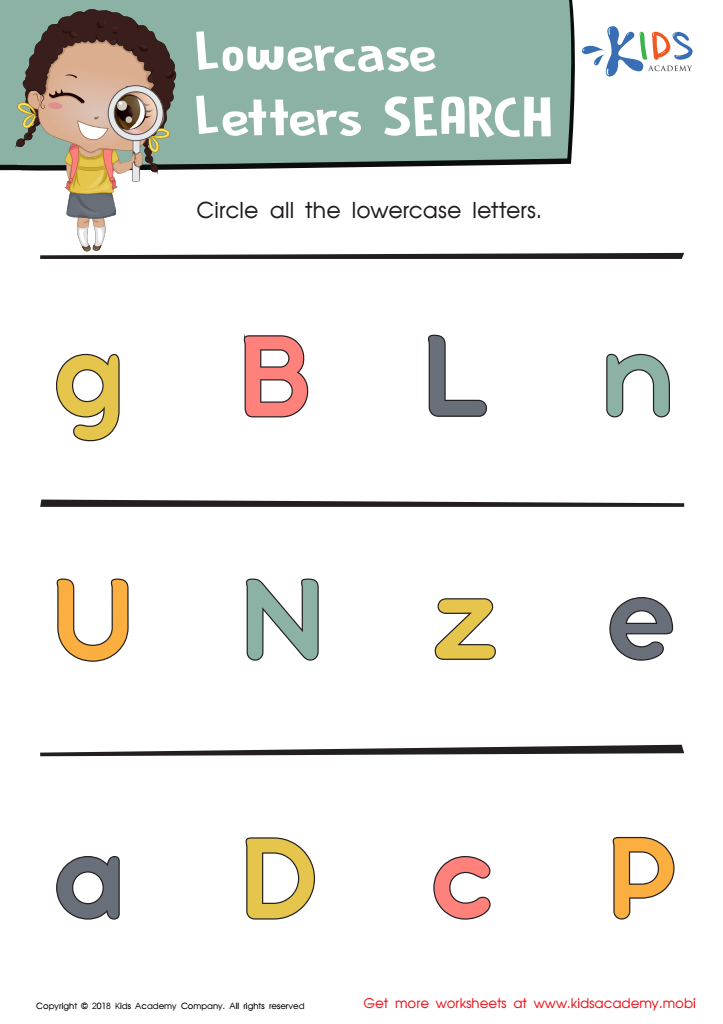
Lowercase Letters Search: Assessment Worksheet
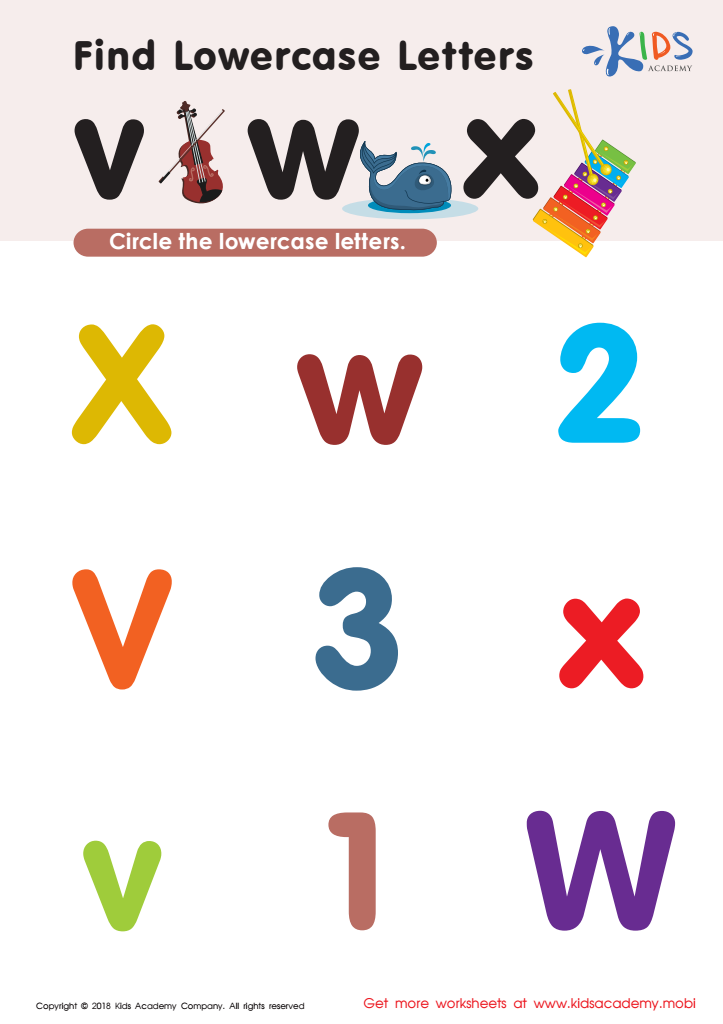
Find Lowercase Letters v w x Worksheet






Alphabet familiarity, covering both uppercase and lowercase letters, is fundamental for children aged 4-5 as it lays the cornerstone for reading and writing skills. Teachers and parents should prioritize this area of early education because it plays a crucial role in helping children recognize and understand the letters that compose the words they will soon read and write.
Mastering both forms of letters enhances children’s cognitive development and visual discrimination abilities. When a child can identify and differentiate between uppercase and lowercase letters, they become more adept at recognizing printed text in various contexts, such as books, signs, and labels. This familiarity boosts their confidence and motivation to engage with reading materials, sparking a lifelong love for literature.
Additionally, learning both uppercase and lowercase letters equips children with the skills necessary for writing. Many language activities in kindergarten and beyond require this dual recognition, supporting the child's ability to write their own name, form sentences, and spell words accurately.
Ignoring this dual-letter recognition could hinder a child's academic progress and make early literacy efforts more challenging. Therefore, ensuring children at ages 4-5 are familiar with both uppercase and lowercase letters puts them on a path to successful communication, literacy development, and a positive educational experience.







