Alphabet Recognition English for Beginners Worksheets for Ages 4-5 - Page 2
32 filtered results
-
From - To
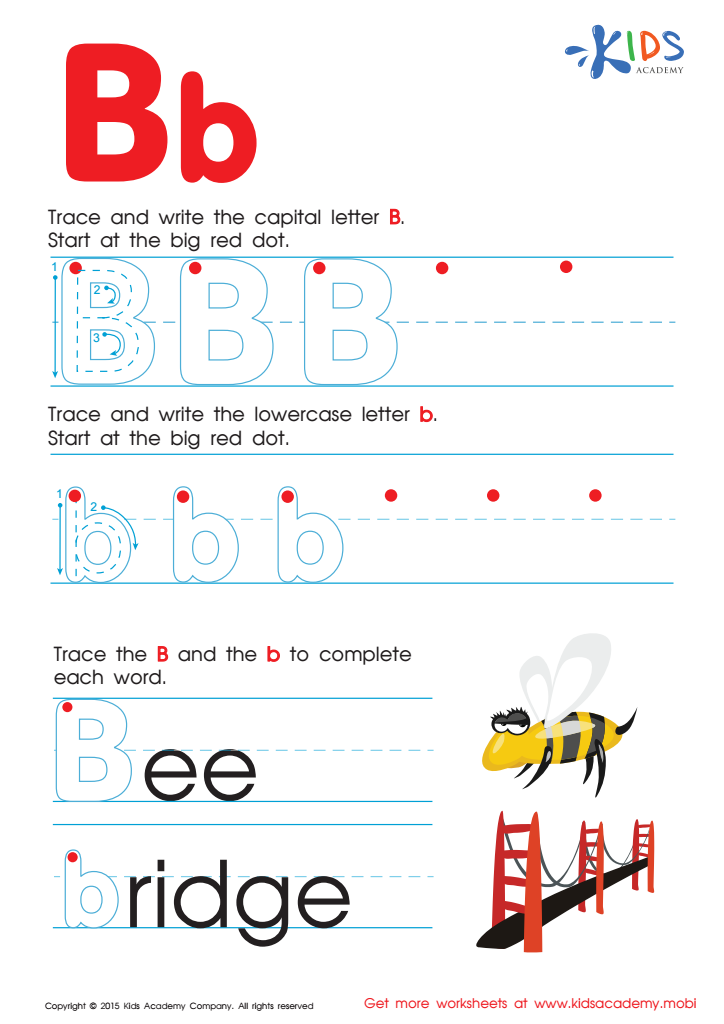
Letter B Tracing Page
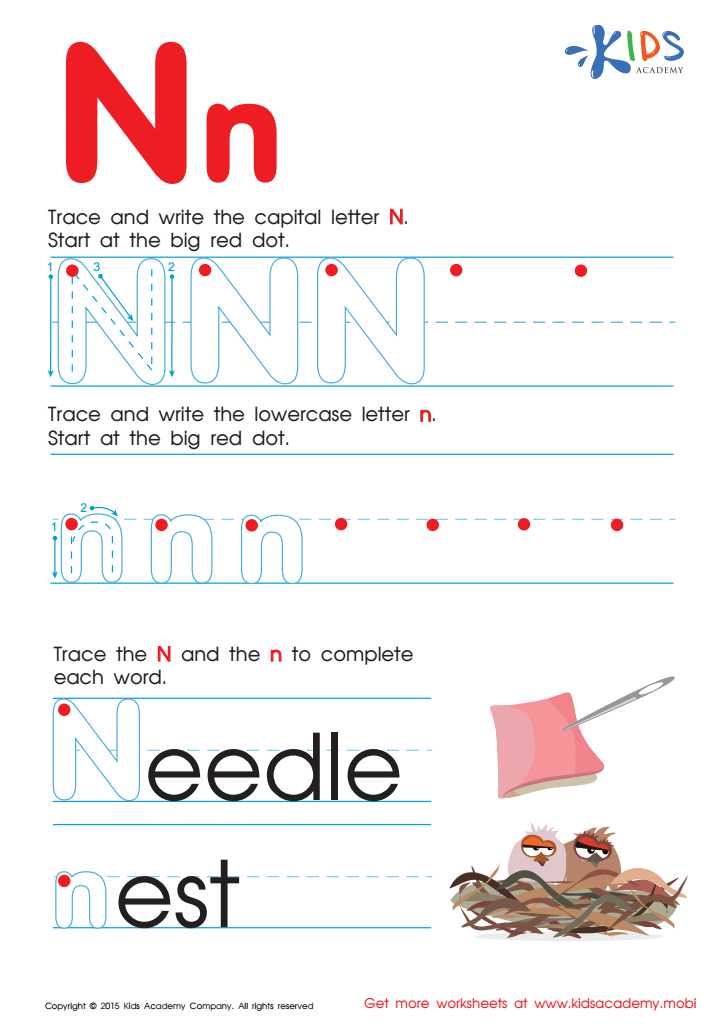
Letter N Tracing Page
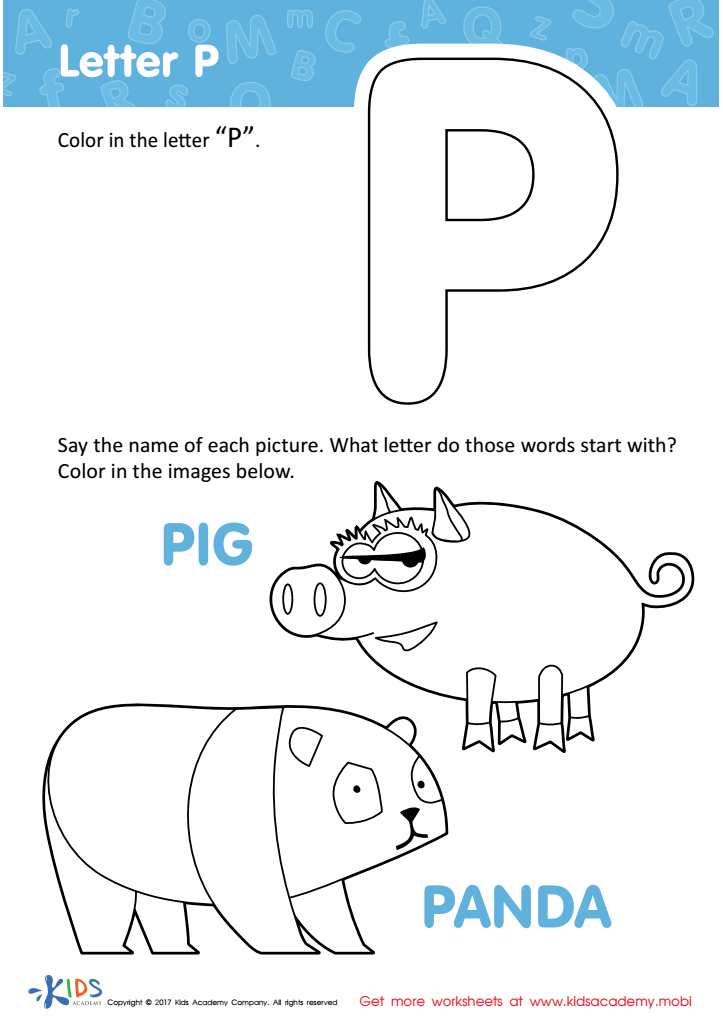
Letter P Coloring Sheet
 Assign to My Students
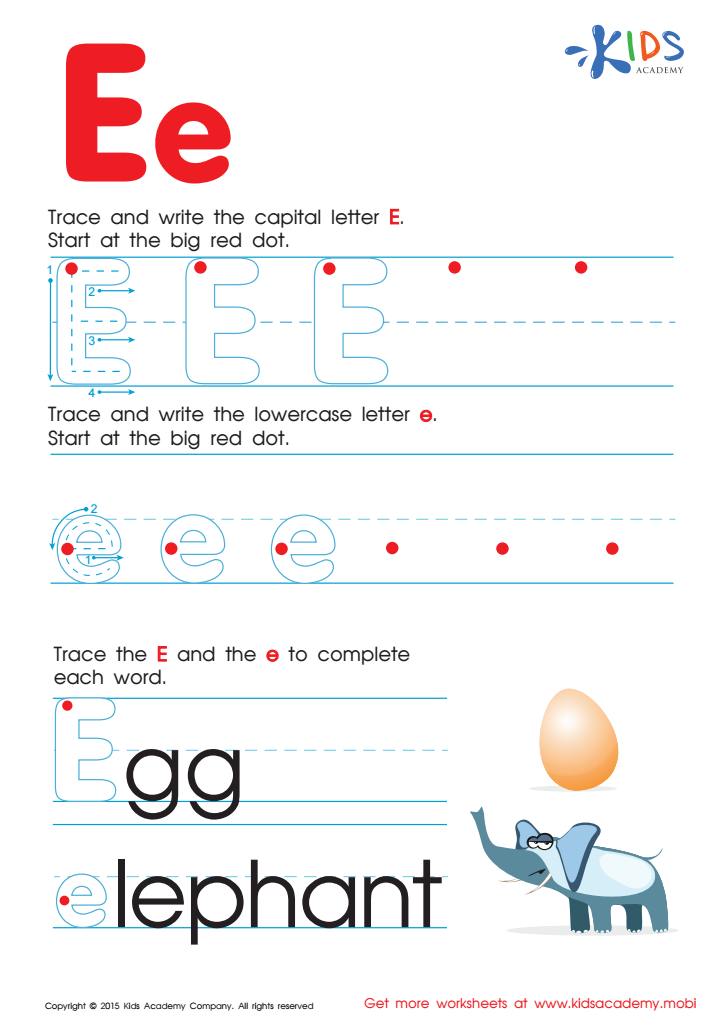
Letter E Tracing Page
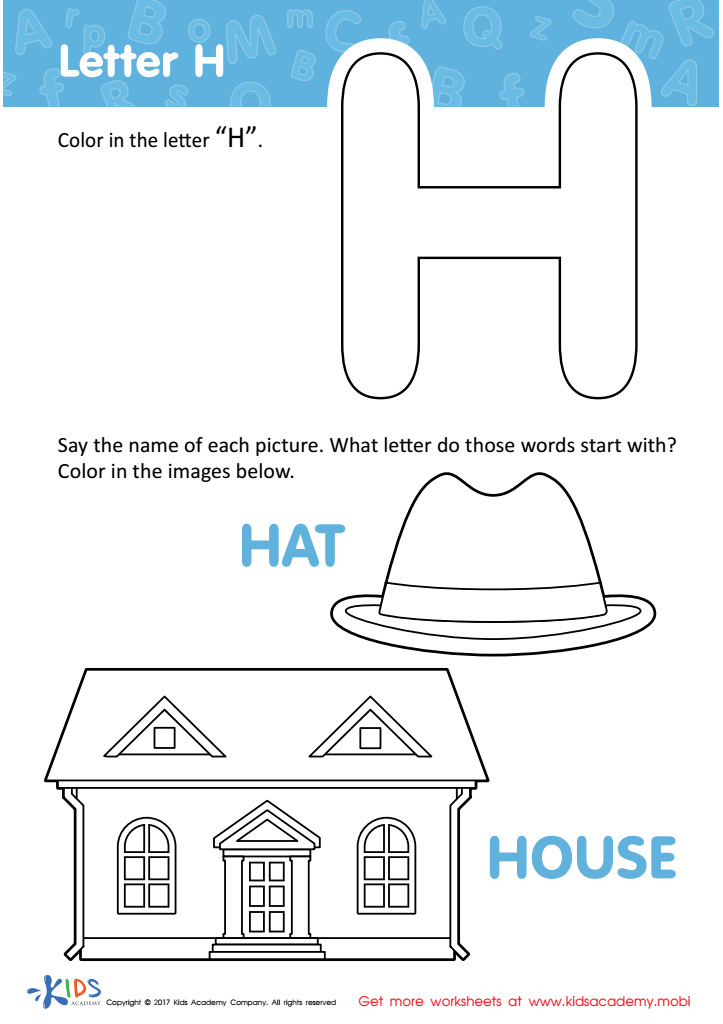
Letter H Coloring Sheet
Assign to My Students
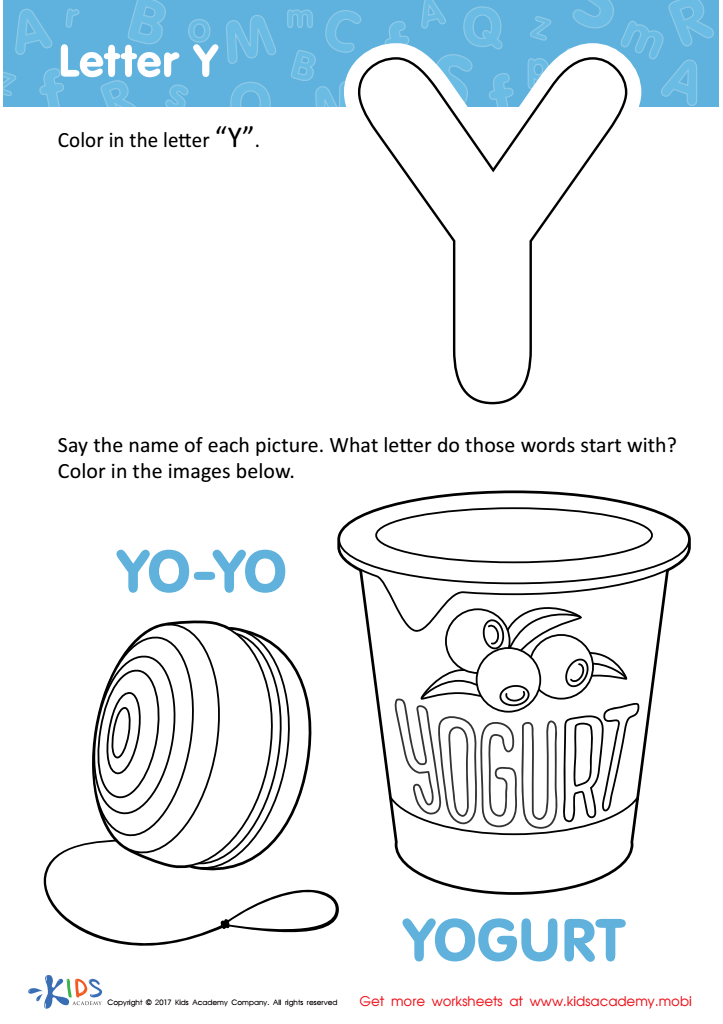
Letter Y Coloring Sheet
Assign to My Students
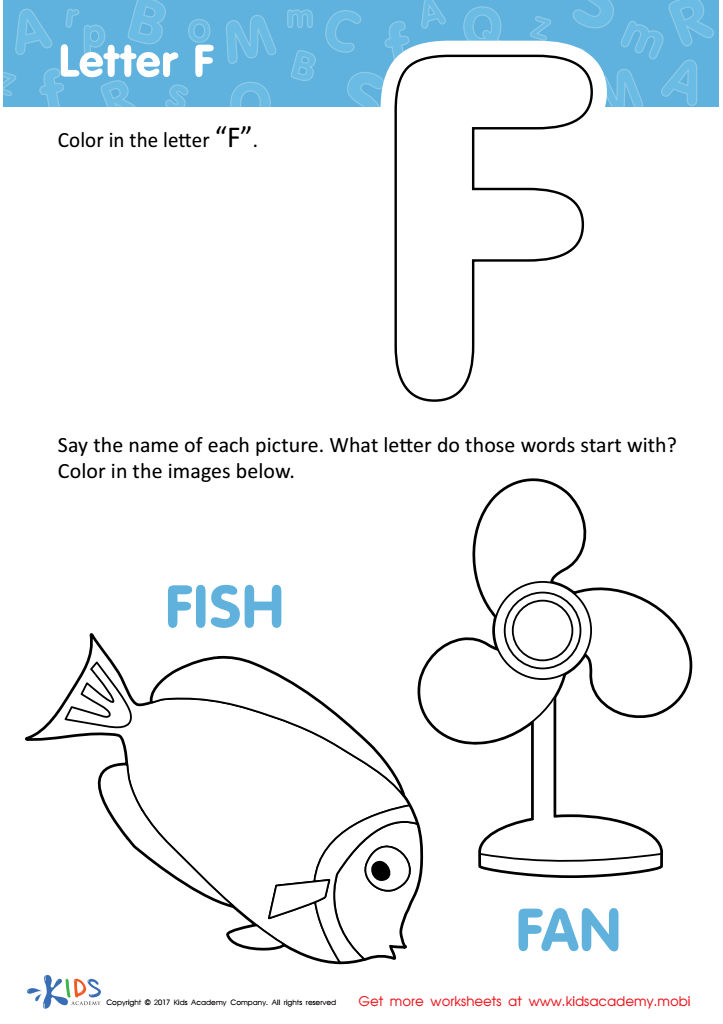
Letter F Coloring Sheet
Assign to My Students
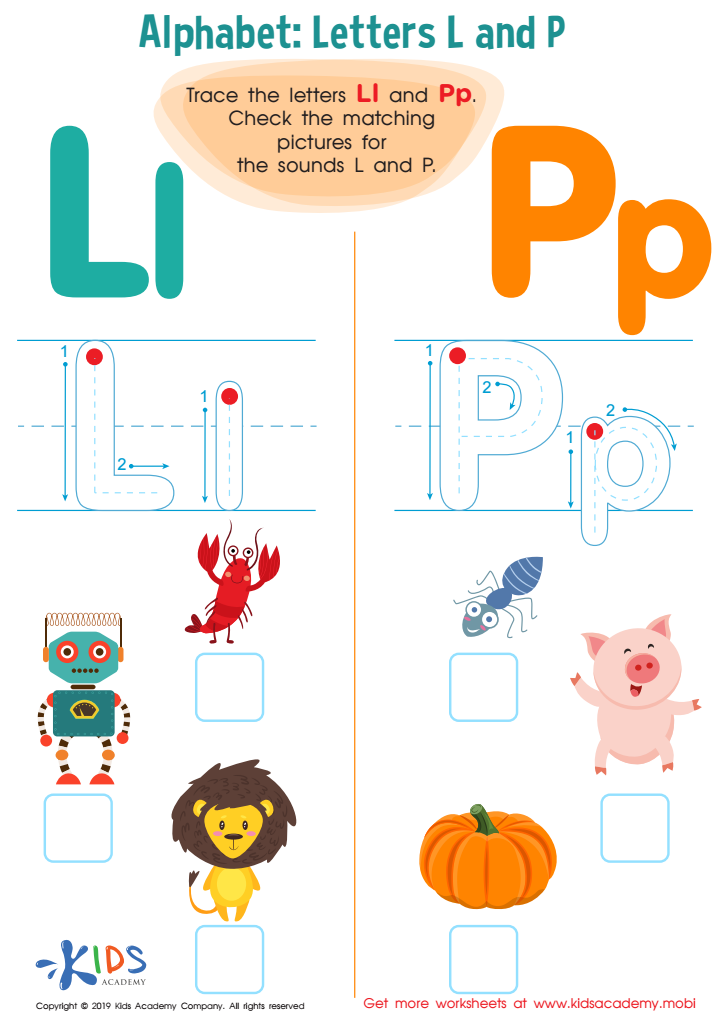
Letter L and P Tracing Worksheet





Alphabet recognition is a fundamental cornerstone in early childhood education, especially for children aged 4-5, because it lays the groundwork for reading and writing skills. Understanding and recognizing letters and their corresponding sounds catalyze a child’s ability to decode words and begin reading fluently. Early exposure to the alphabet boosts literacy development and builds confidence, aiding in smoother transitions to more complex language concepts.
Parents and teachers should prioritize alphabet recognition because it enhances phonemic awareness—understanding the sounds that make up words—which is a critical early reading skill. Learning the alphabet also improves fine motor skills as children practice writing letters, fostering hand-eye coordination. Recognizing letters and sounds supports vocabulary growth as children start associating words with objects, actions, and ideas around them.
Furthermore, developing these skills early helps detect and address any learning difficulties promptly, ensuring children are on a positive educational trajectory. Engaging children in playful and interactive activities around the alphabet, such as singing “The Alphabet Song," playing letter-based games, and reading alphabet books, makes learning enjoyable and effective. Early mastery of alphabet recognition sets a strong foundation for academic success and instills a lifelong love of reading and learning.