Alphabet tracing English for Beginners Worksheets for Ages 4-5
8 filtered results
-
From - To
Unlock the joy of learning with our "Alphabet Tracing English for Beginners Worksheets" designed for ages 4-5! These expertly crafted worksheets help young learners master letter formation and recognition with ease. Each page features engaging tracing exercises, lively illustrations, and interactive activities specifically tailored to keep preschoolers excited about learning the alphabet. Ideal for English as a Second Language (ESL) students, our worksheets support fundamental language skills while nurturing early literacy. Start your child's educational journey with fun and effective alphabet tracing worksheets. Download now and watch your little one flourish!
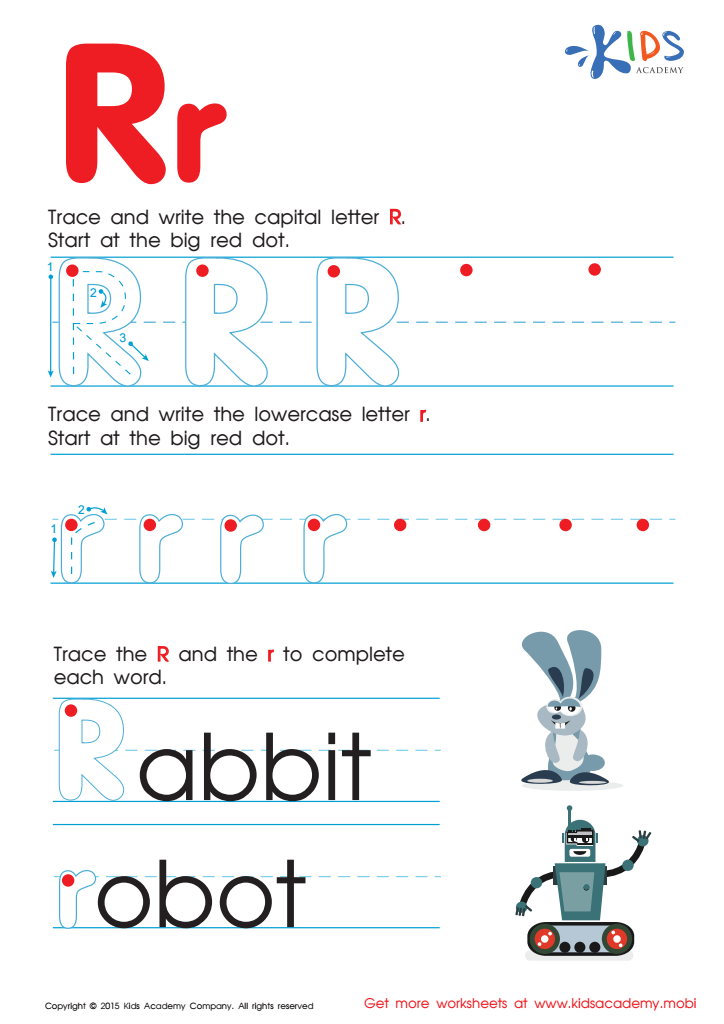
Letter R Tracing Page
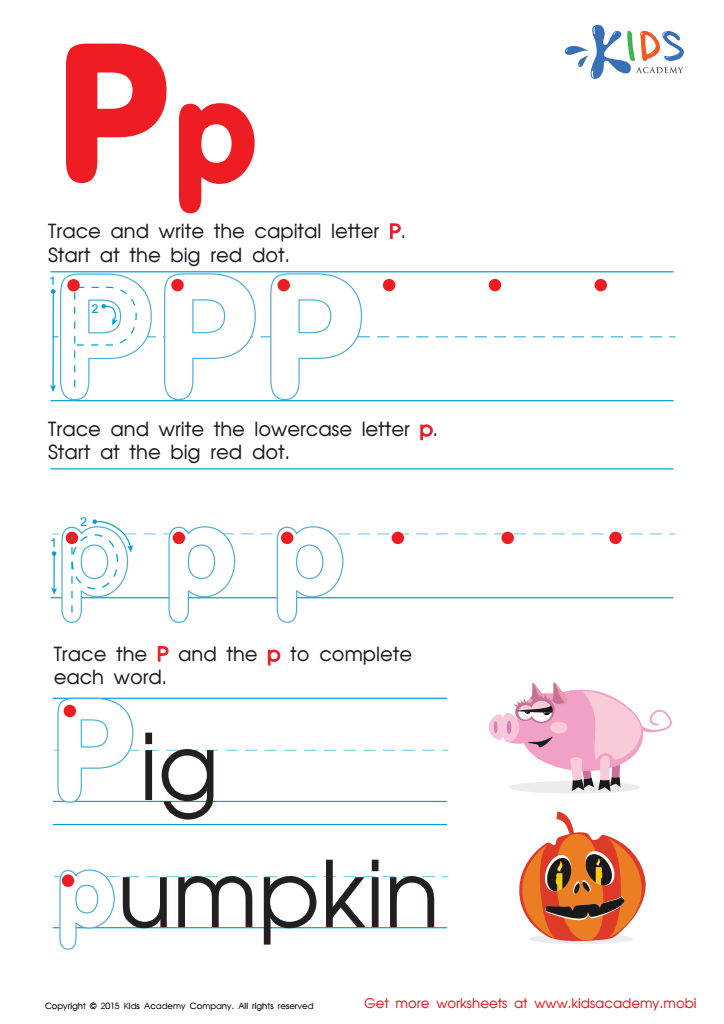
Letter P Tracing Page
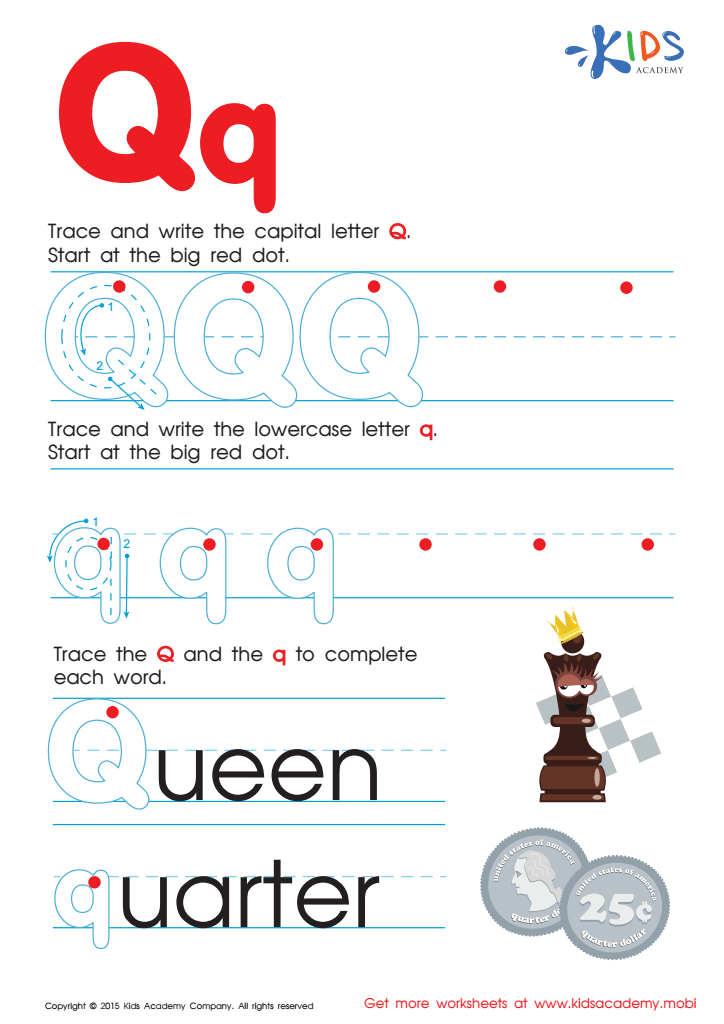
Letter Q Tracing Page

Letter H Tracing Page
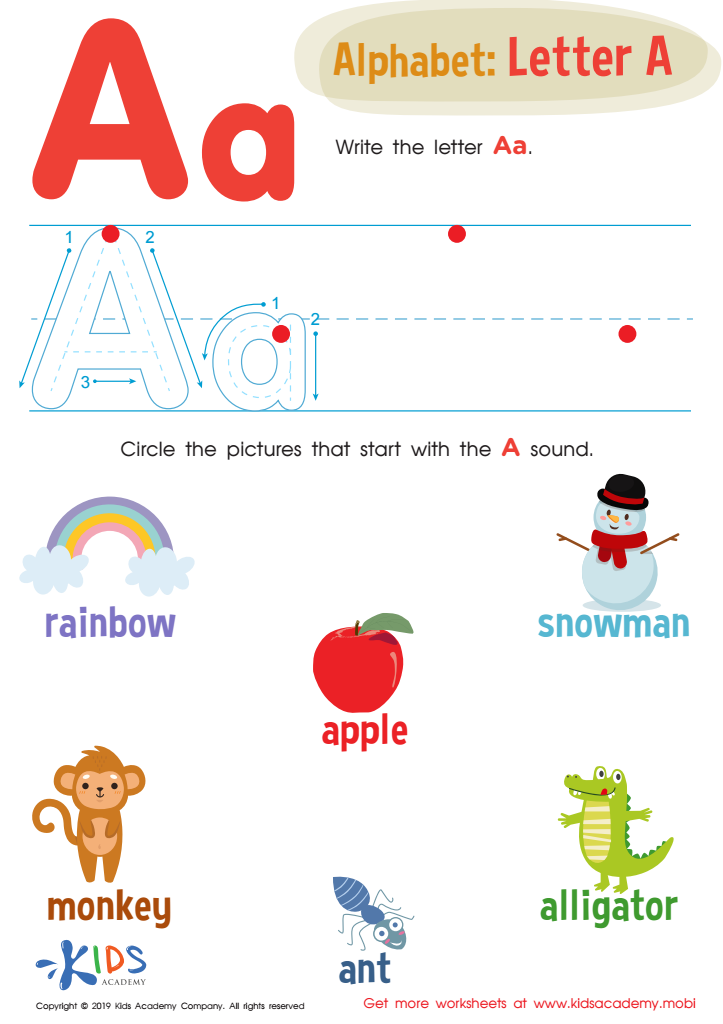
Letter A Tracing Worksheet
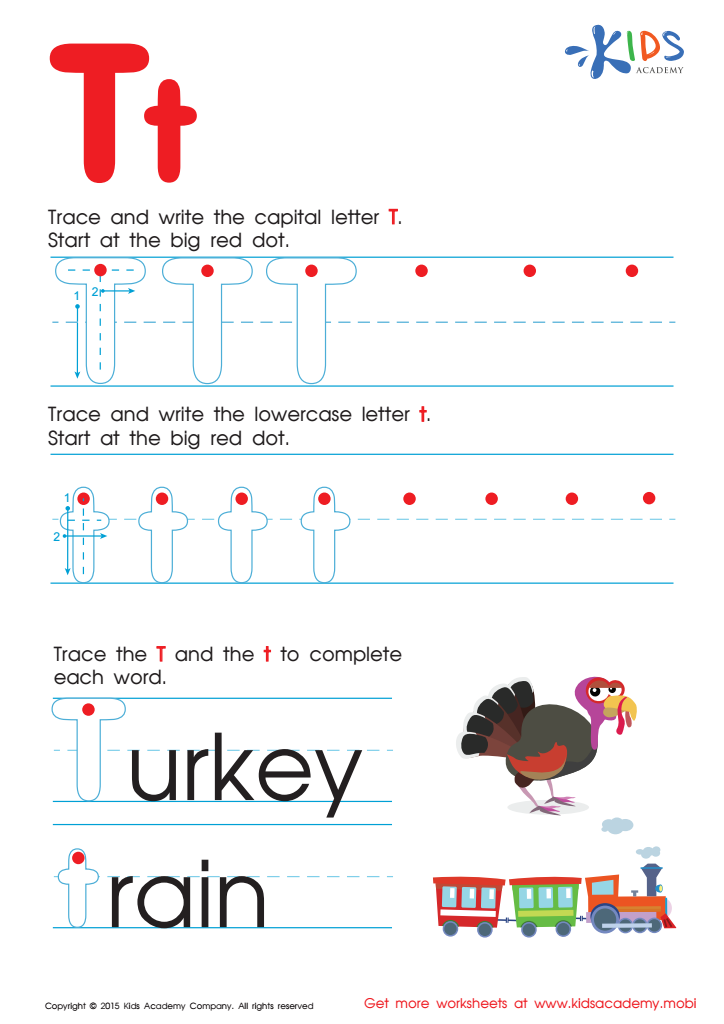
Letter T Tracing Page
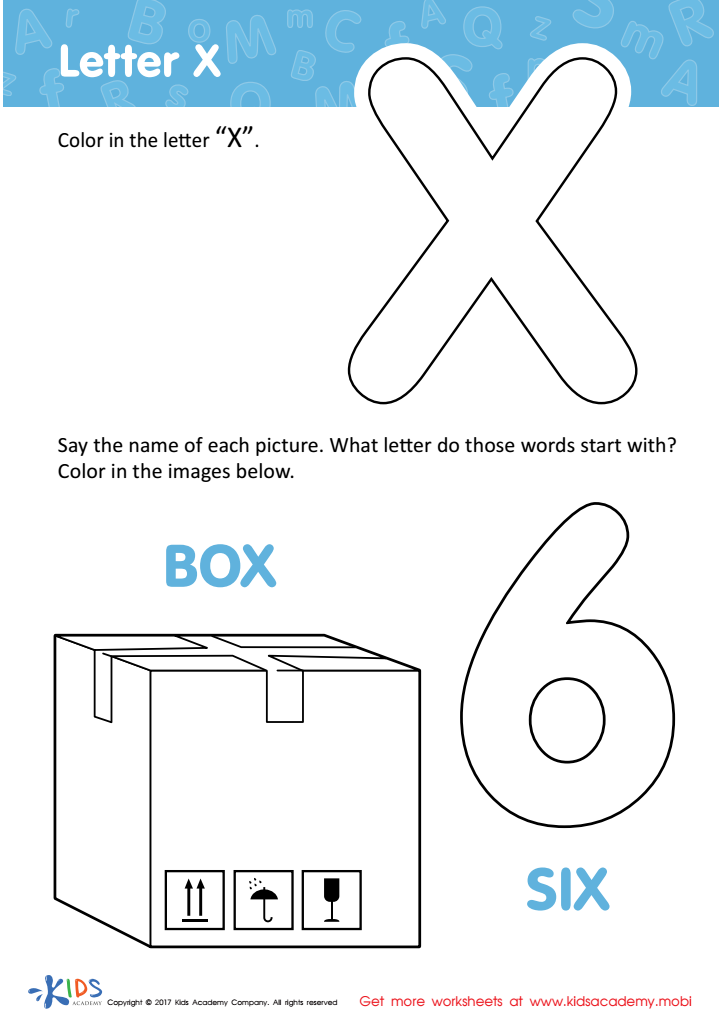
Letter X Coloring Sheet
 Assign to My Students

Letter D Tracing Page





Alphabet tracing activities are an essential foundational skill for young learners, especially for children aged 4-5. At this age, children are in a critical developmental stage where they begin to develop fine motor skills, which are crucial for writing. Alphabet tracing helps in honing these fine motor skills by teaching children to control their hand movements and develop muscle memory associated with forming letters.
Furthermore, alphabet tracing reinforces the recognition of letters and their corresponding sounds, which is key for early literacy development. When children trace, they also learn the correct way to form each letter, fostering the development of neat and legible handwriting as they progress. Tracing also aids in visual memory through repeated practice, making it easier for children to recall and write letters independently.
From a cognitive standpoint, these activities engage multiple areas of the brain, thereby facilitating learning through sensory feedback. Additionally, the repetitive nature of tracing helps to instill discipline, patience, and focus in young learners. This foundation in literacy and writing is not only crucial for academic success but also boosts children's confidence and sets the stage for continuous learning. Therefore, parents and teachers should prioritize and integrate alphabet tracing activities into their early education curriculums.