Basic Addition Worksheets for Ages 4-5 - Page 2
44 filtered results
-
From - To
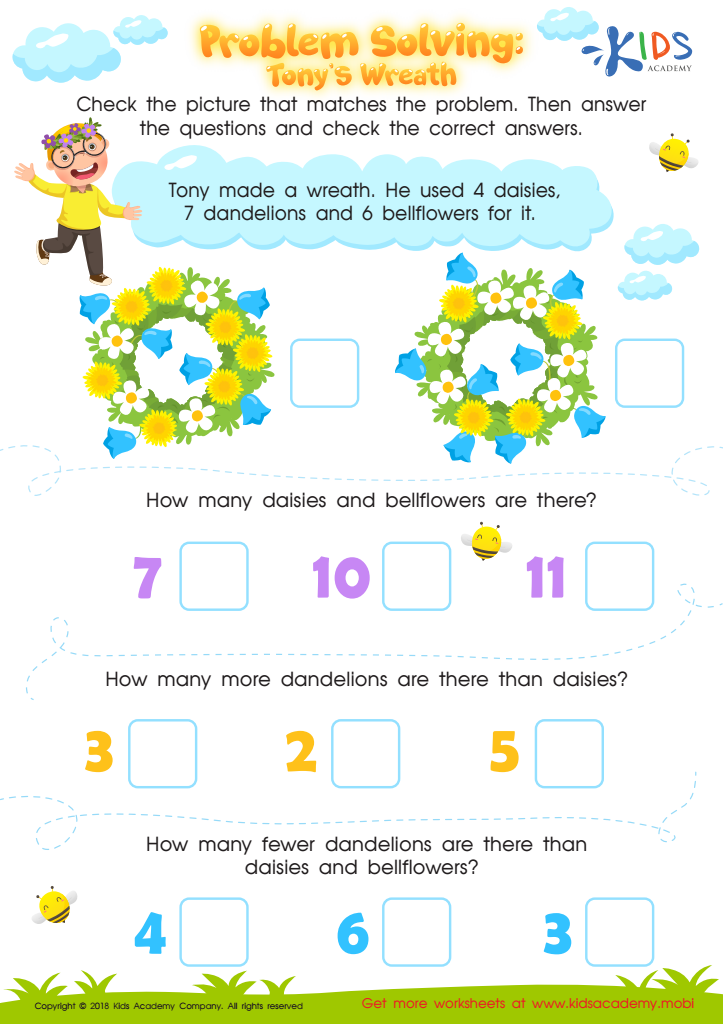
Problem Solving: Tony's Wreath Worksheet
 Assign to My Students
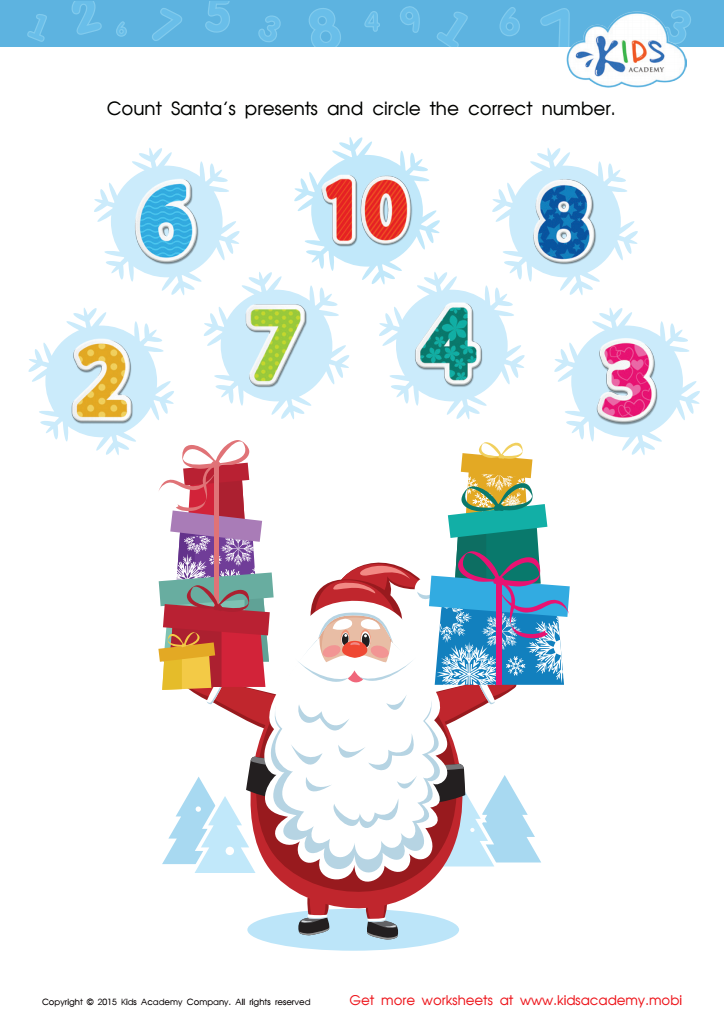
Count Santa's Presents Worksheet
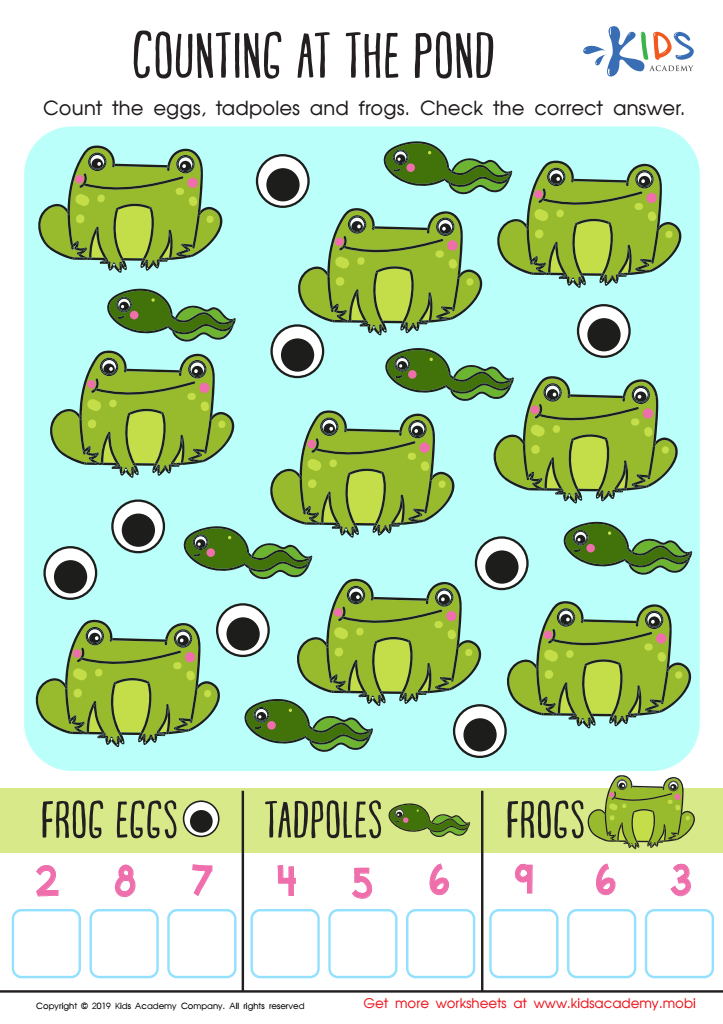
Counting at the Pond Worksheet
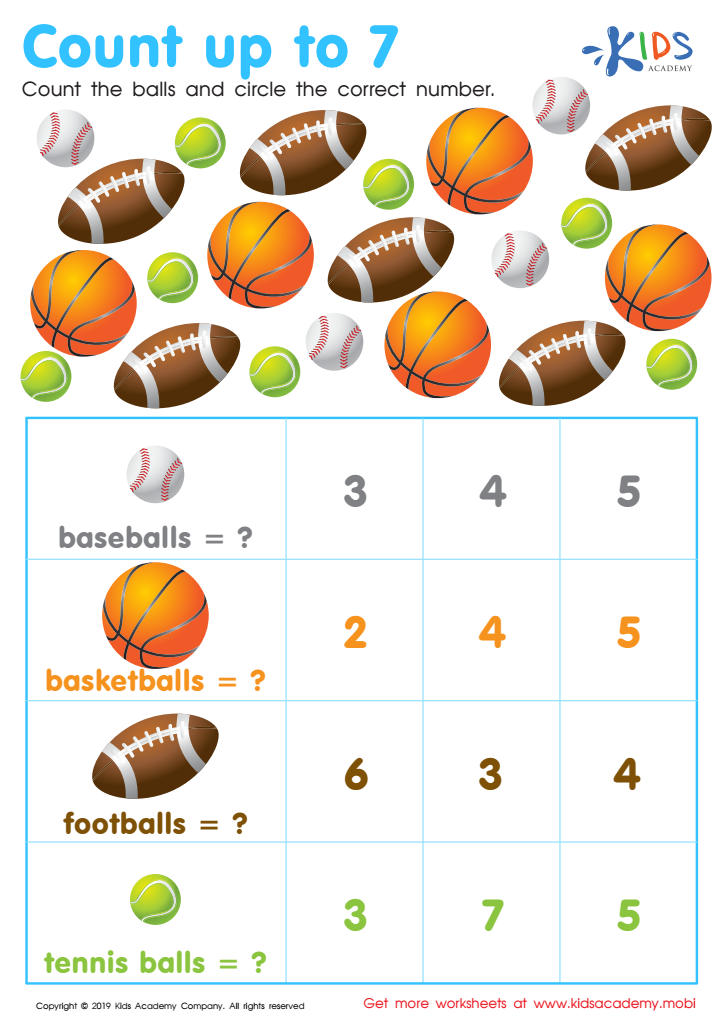
Count up to 7 Worksheet
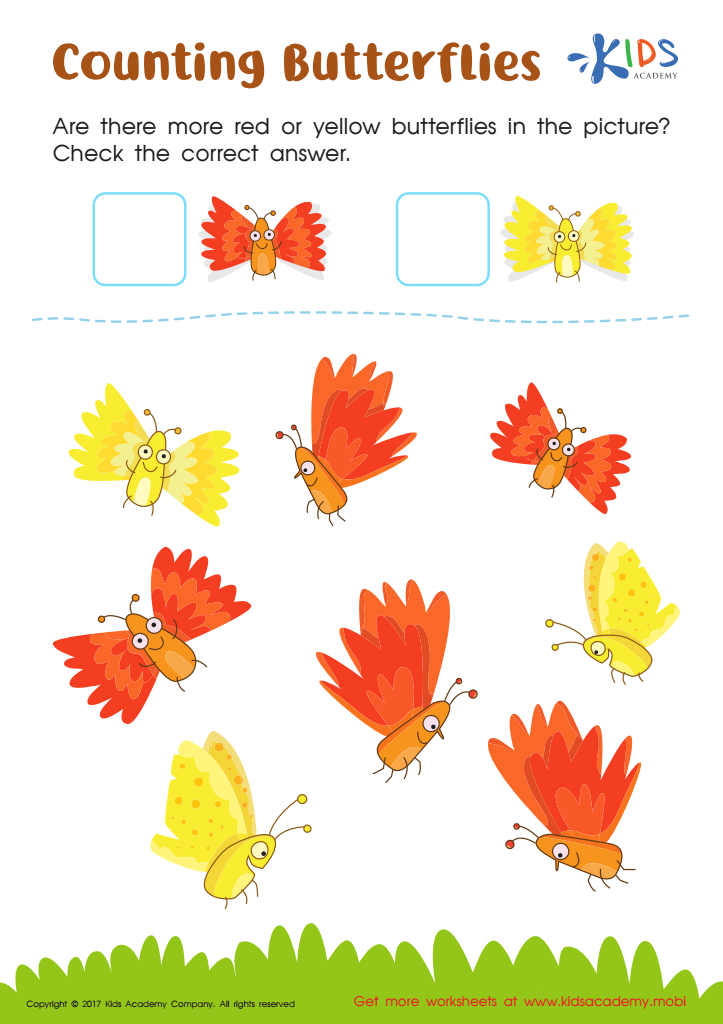
Counting Butterflies Worksheet
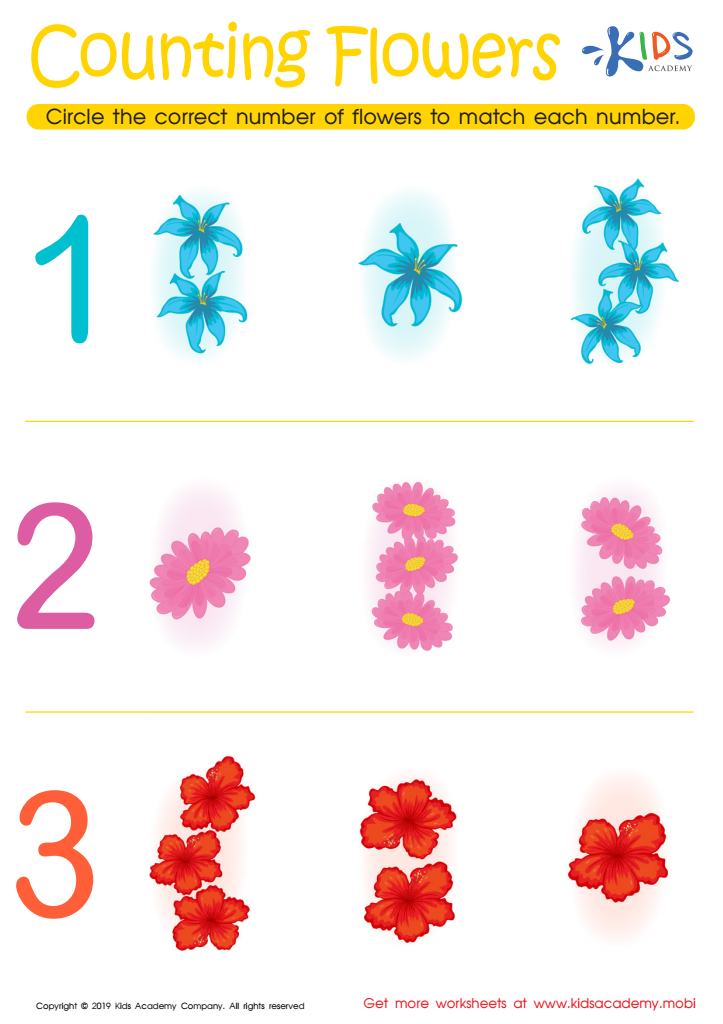
Counting Flowers Worksheet
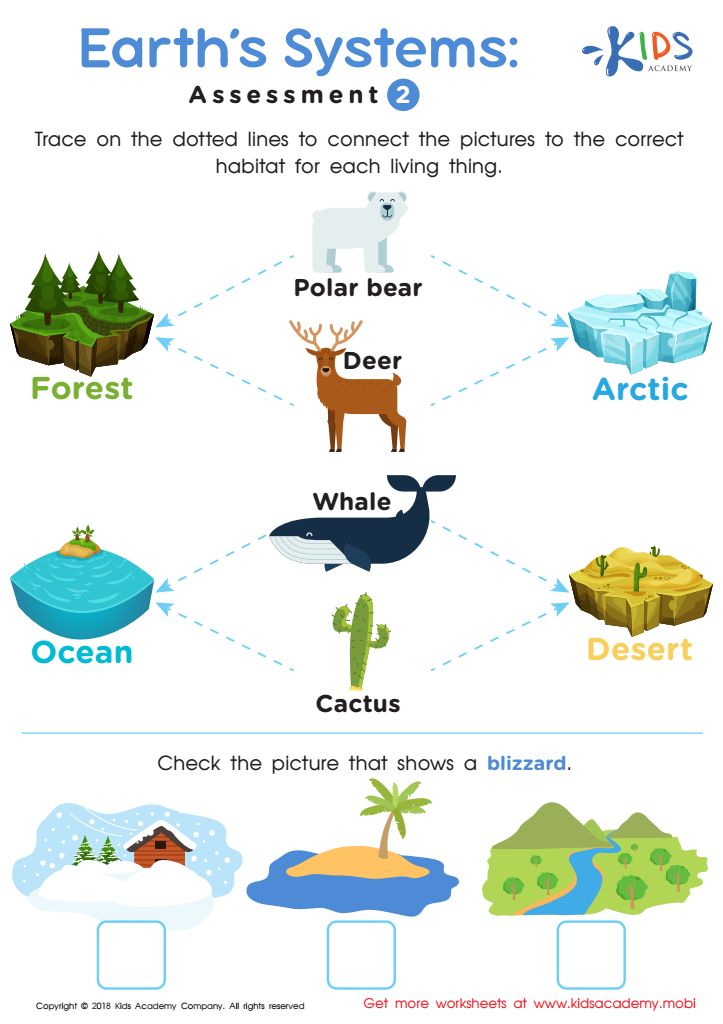
Earth's Systems: Assessment 2
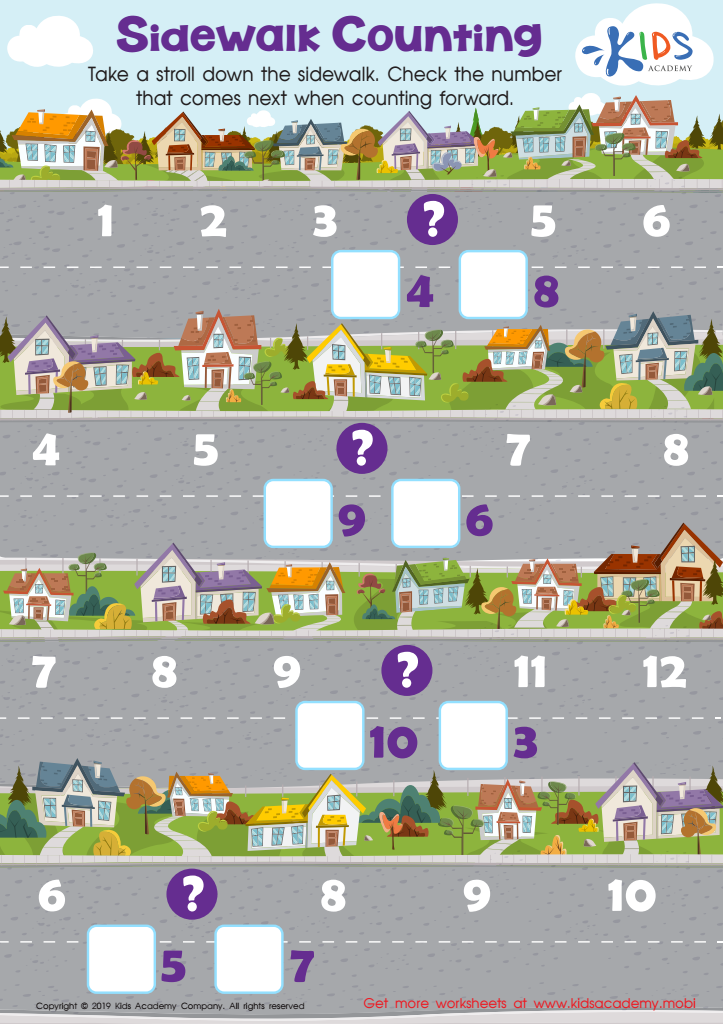
Sidewalk Counting Worksheet
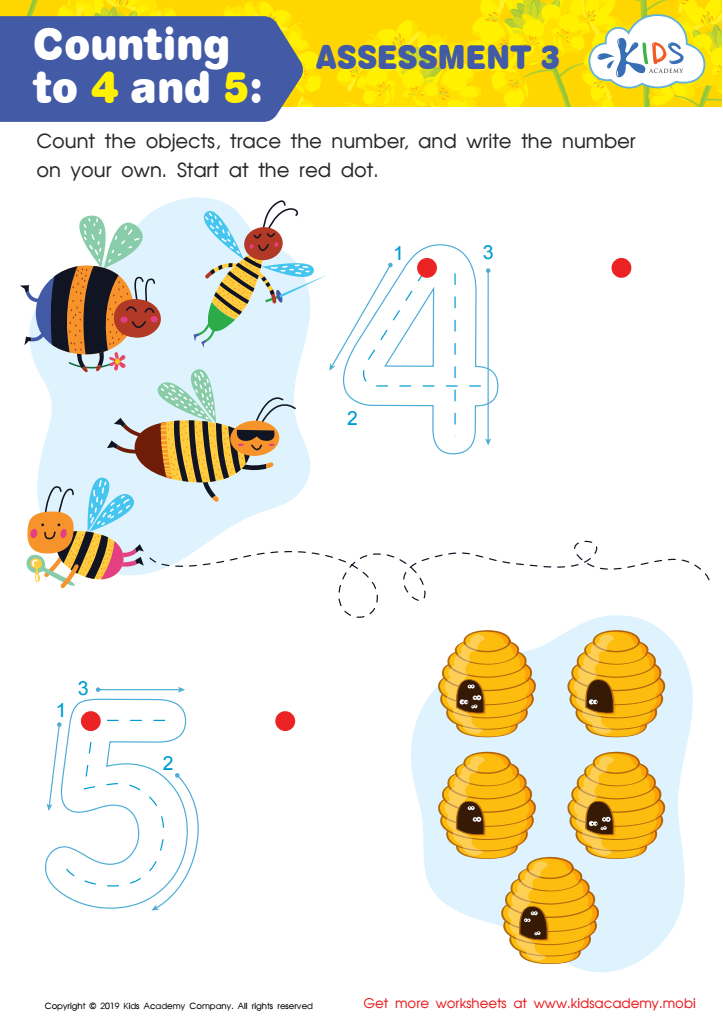
Counting to 4 and 5: Assessment 3 Worksheet
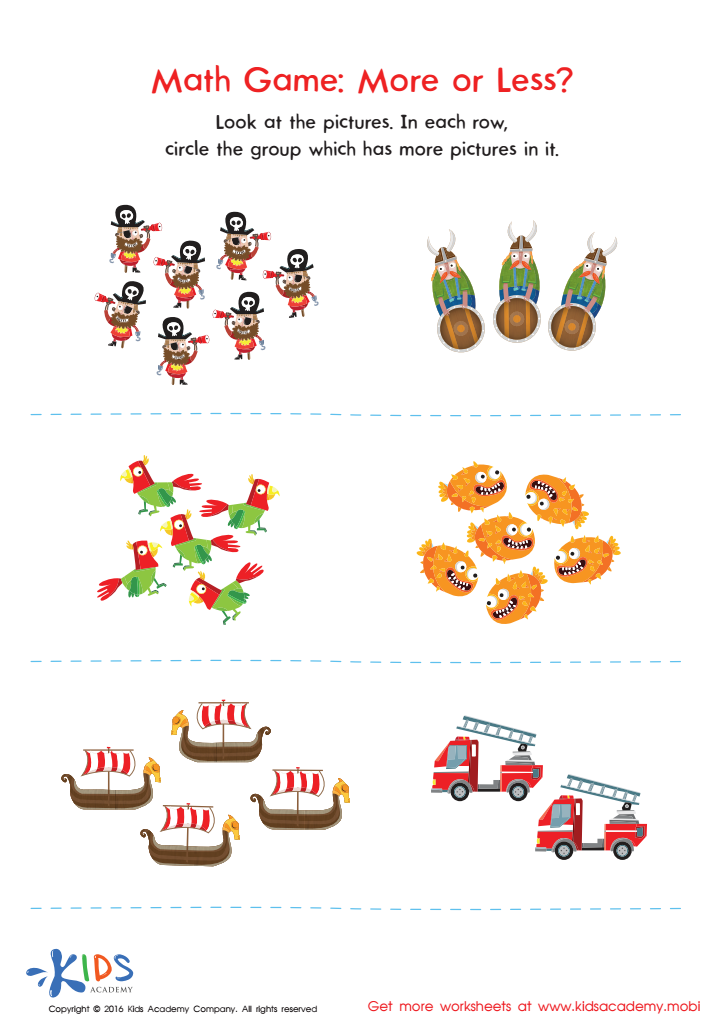
More or Less Worksheet
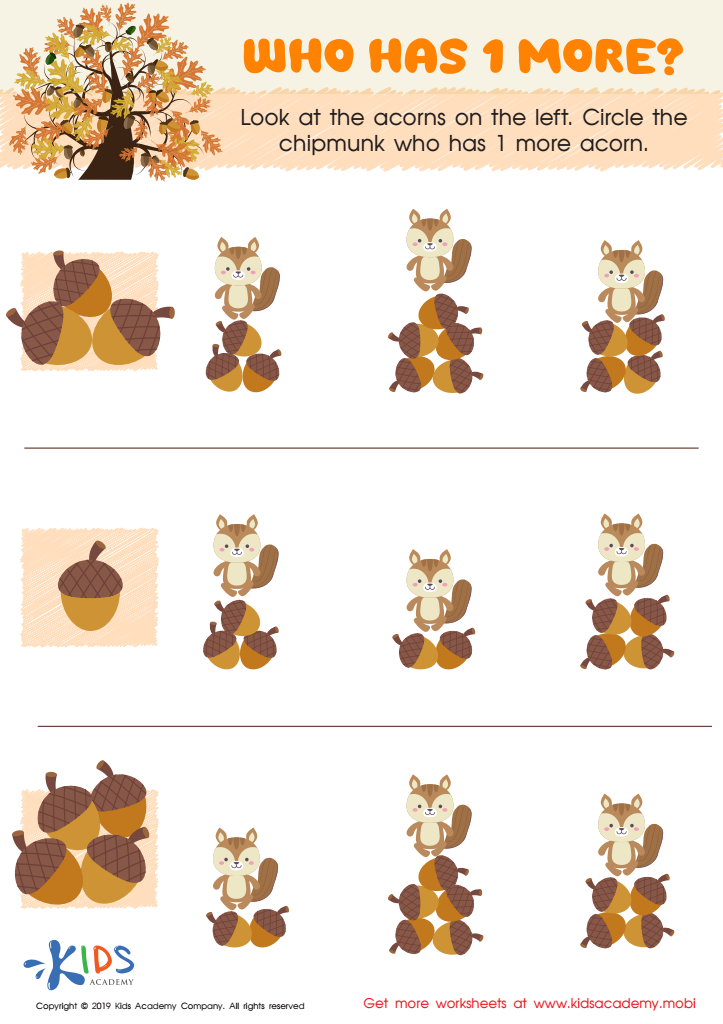
Who Has 1 More? Worksheet
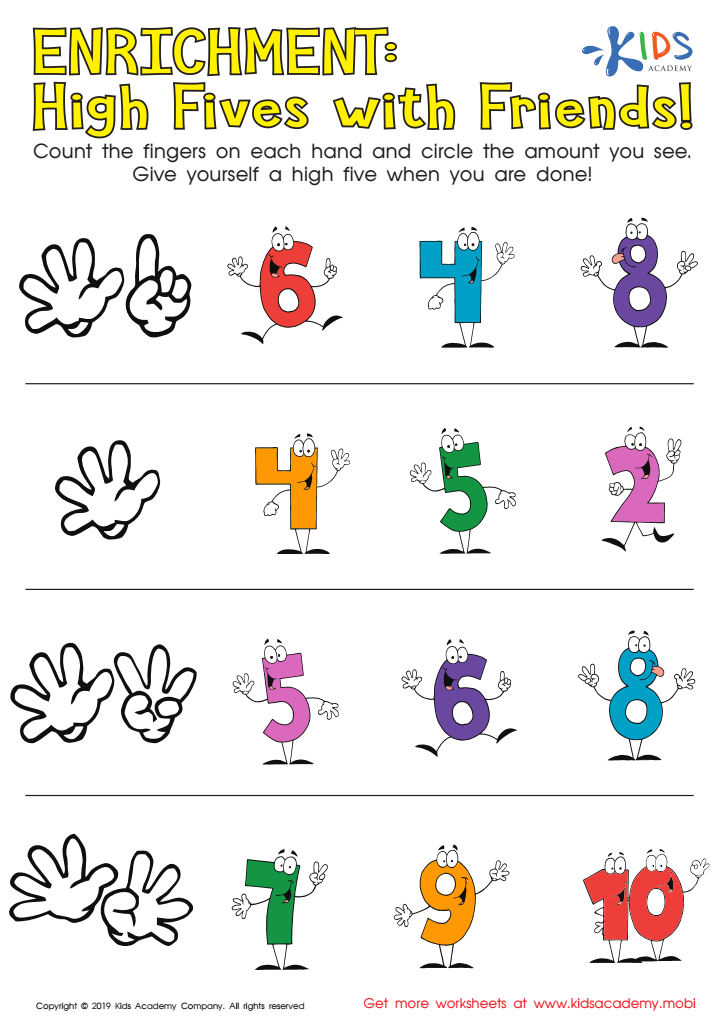
Enrichment: High Fives with Friends! Worksheet
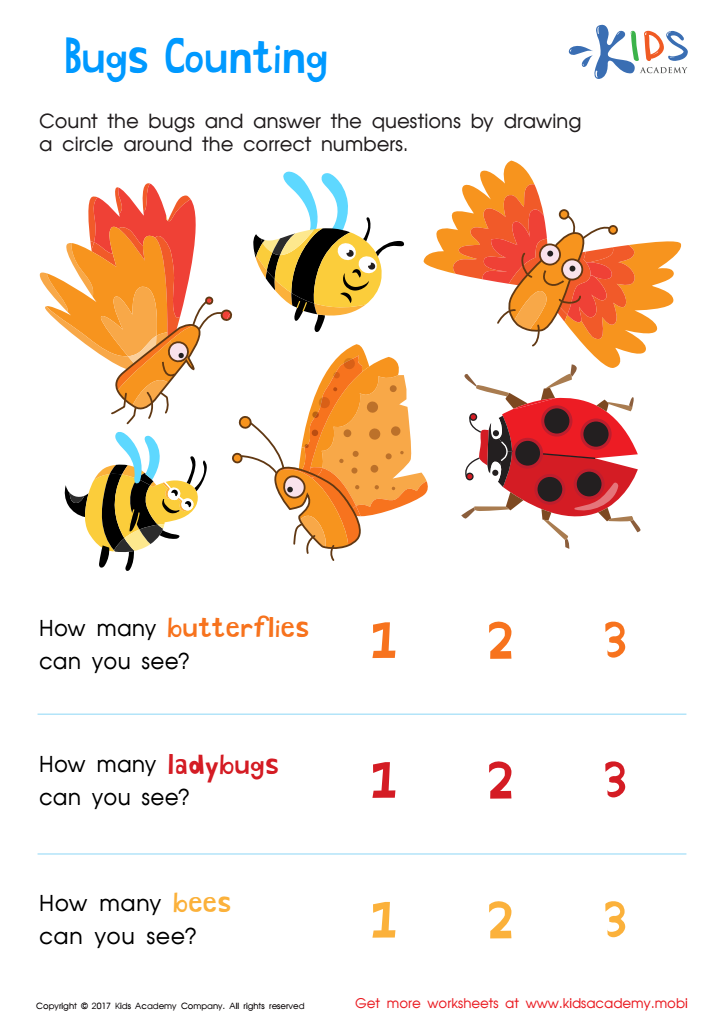
Bugs Counting Worksheet
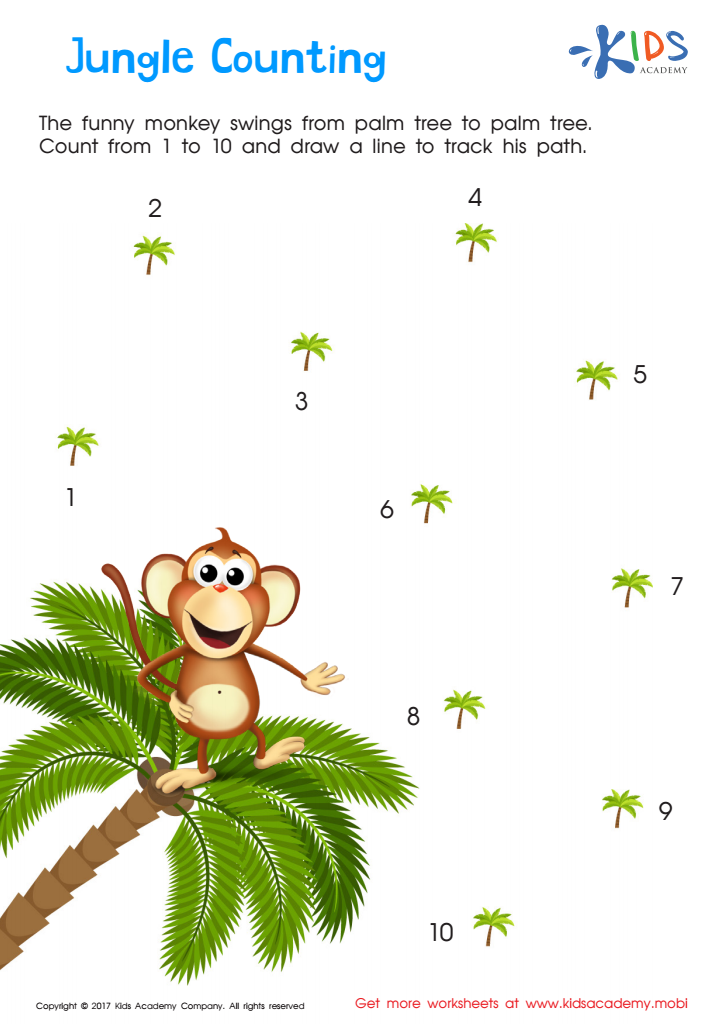
Jungle Counting Connect Dots Worksheet
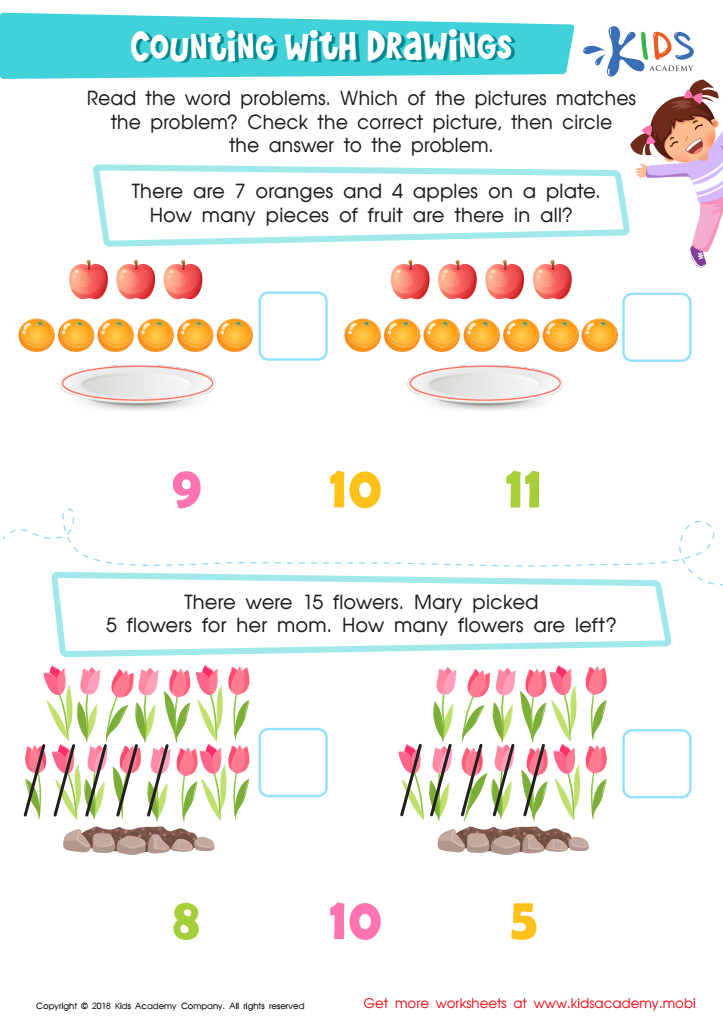
Counting with Drawings:Fruits & Flowers Worksheet
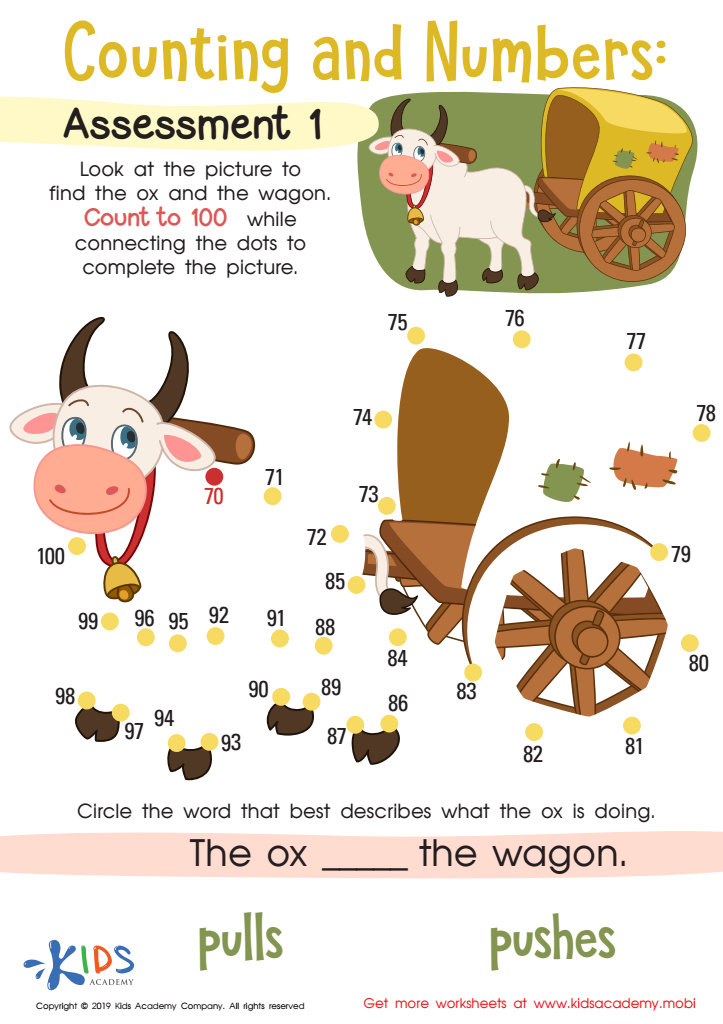
Counting and Numbers: Assessment 1 Worksheet
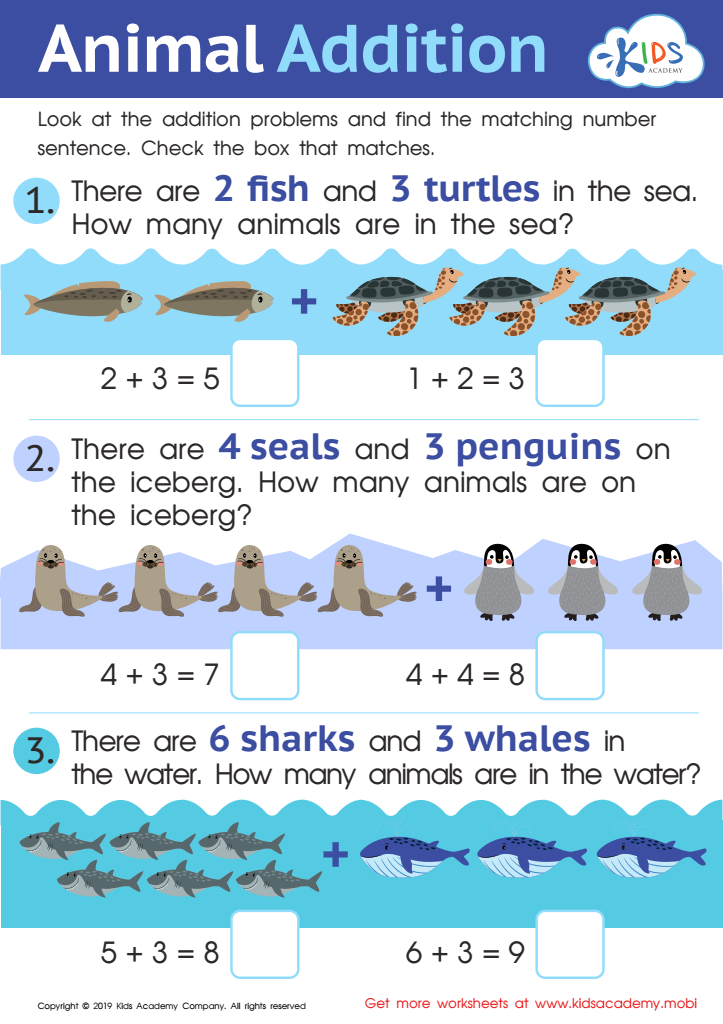
Animal Addition Worksheet
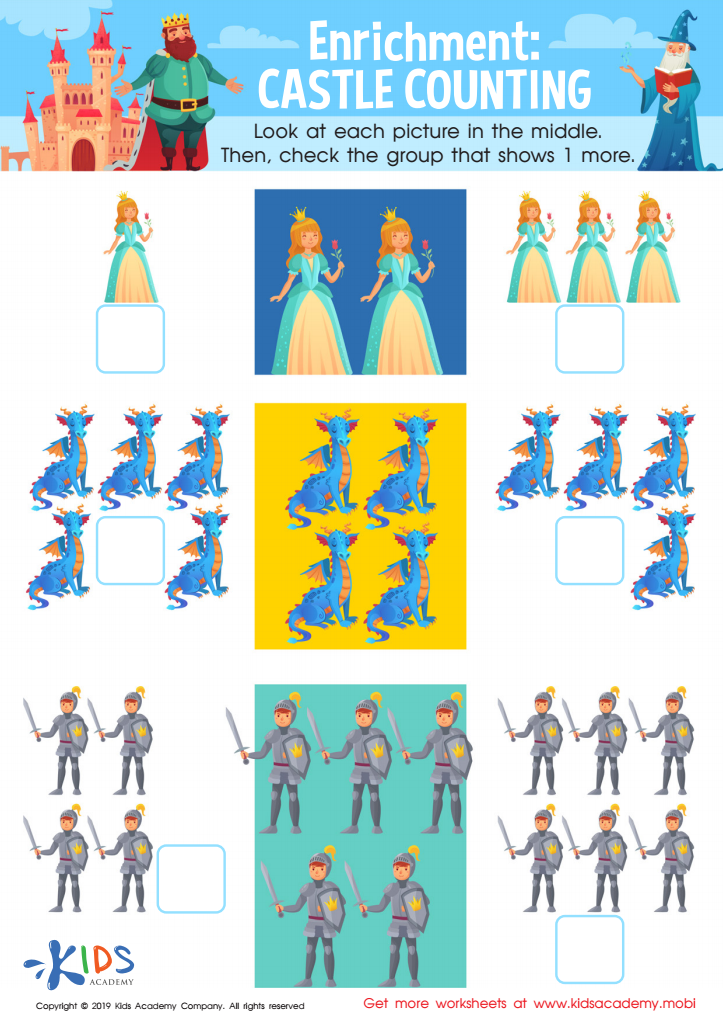
Enrichment: Castle Counting Worksheet
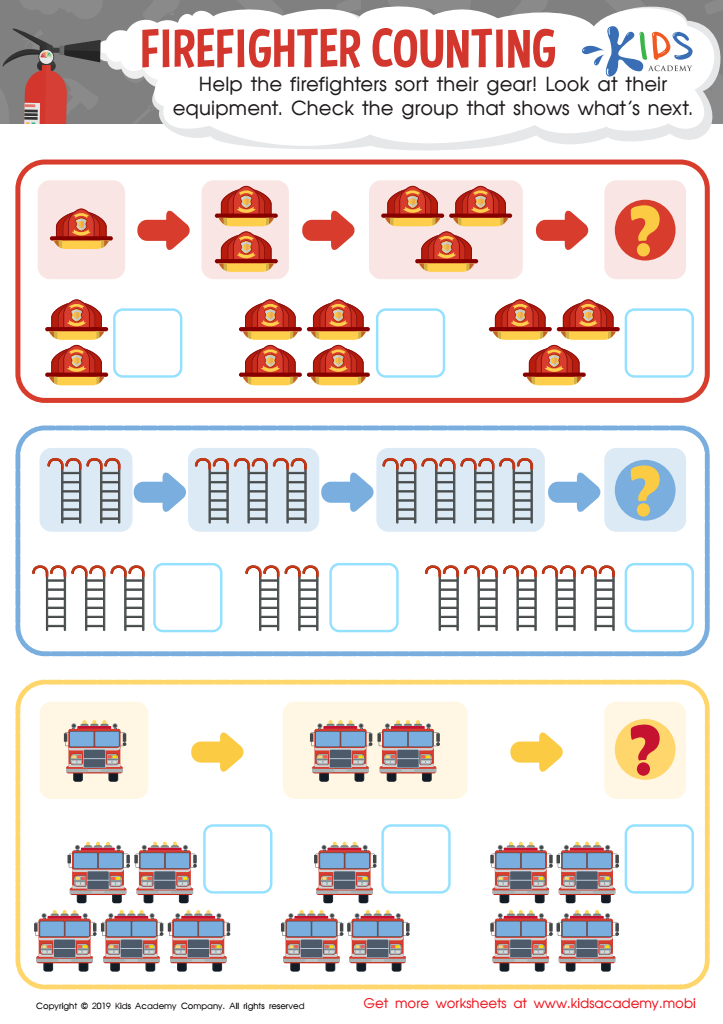
Firefighter Counting Worksheet
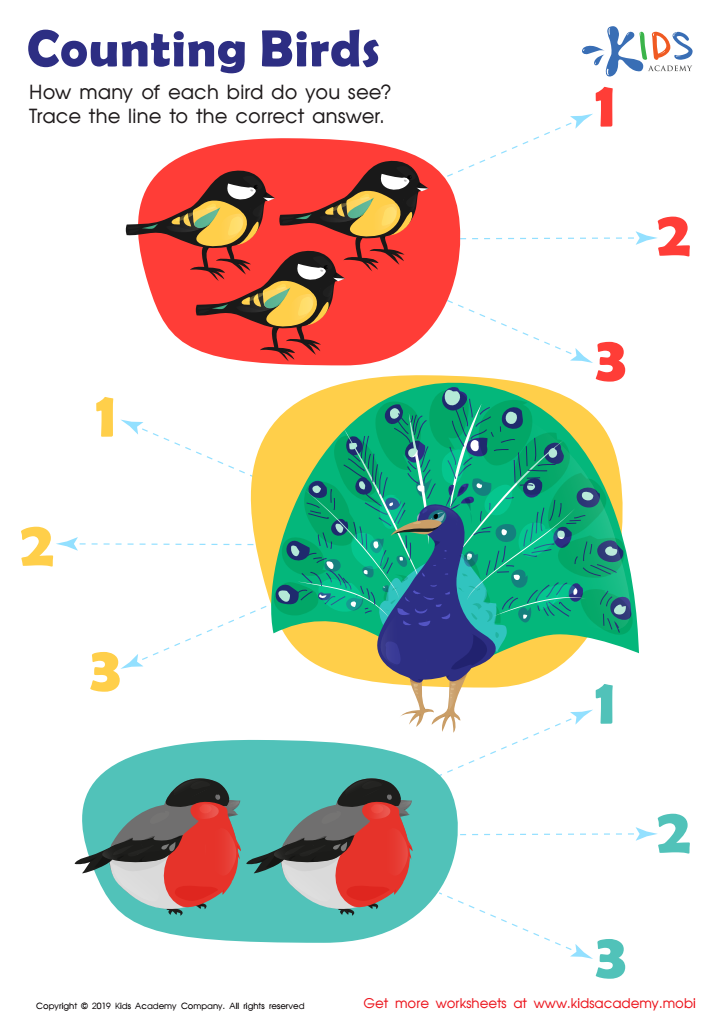
Counting Birds Worksheet






Basic addition is a fundamental math skill that serves as the building block for future learning. For children ages 4-5, mastering simple addition lays the groundwork for various cognitive and social competencies. Firstly, it helps develop critical thinking skills; children learn to analyze situations, solve problems, and make decisions through the process of calculating sums.
Moreover, early math skills are strongly linked to later academic success. Teaching basic addition promotes a positive attitude toward math, reducing anxiety around the subject as children progress through school. It also enhances their confidence, enabling them to tackle more complex mathematical concepts later on.
Socially, understanding basic addition builds relational skills. Children learn to collaborate during group activities, sharing and solving problems together, thereby enhancing their communication abilities. This cooperative learning fosters a sense of community in classrooms and at home.
Furthermore, parents and teachers play a crucial role in integrating math into everyday activities. Incorporating basic addition into daily routines, such as counting objects or sharing snacks, makes learning engaging and relevant. Overall, prioritizing basic addition for young learners sets them on a path toward a math-literate future, supporting their holistic development in numerous ways.








