Basic Arithmetic Worksheets for Ages 4-5
51 filtered results
-
From - To
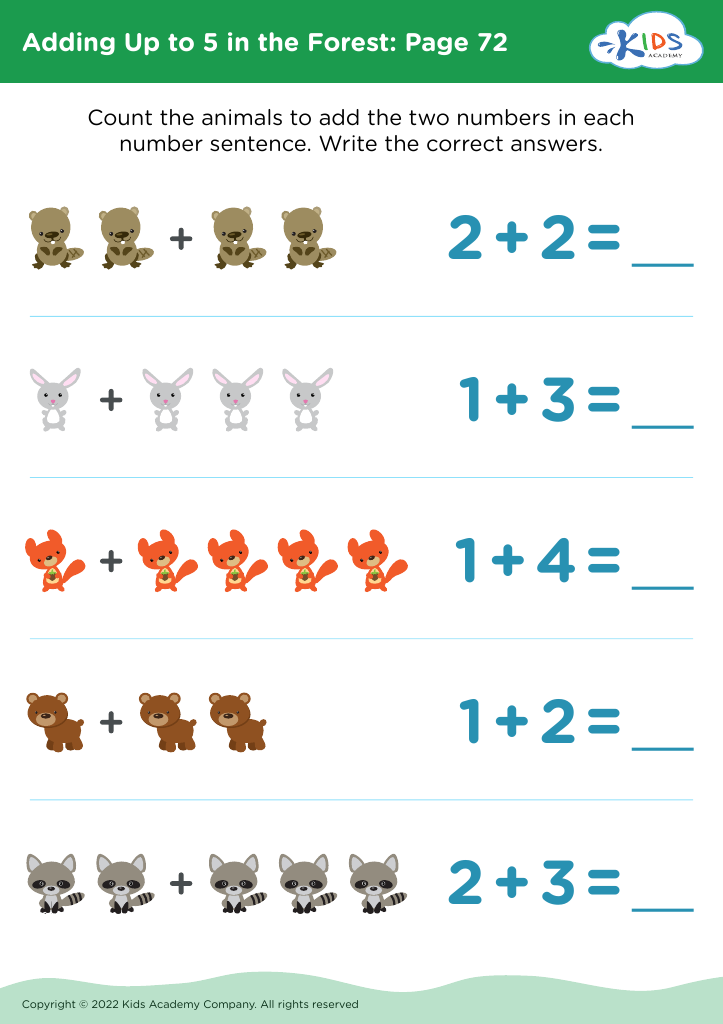
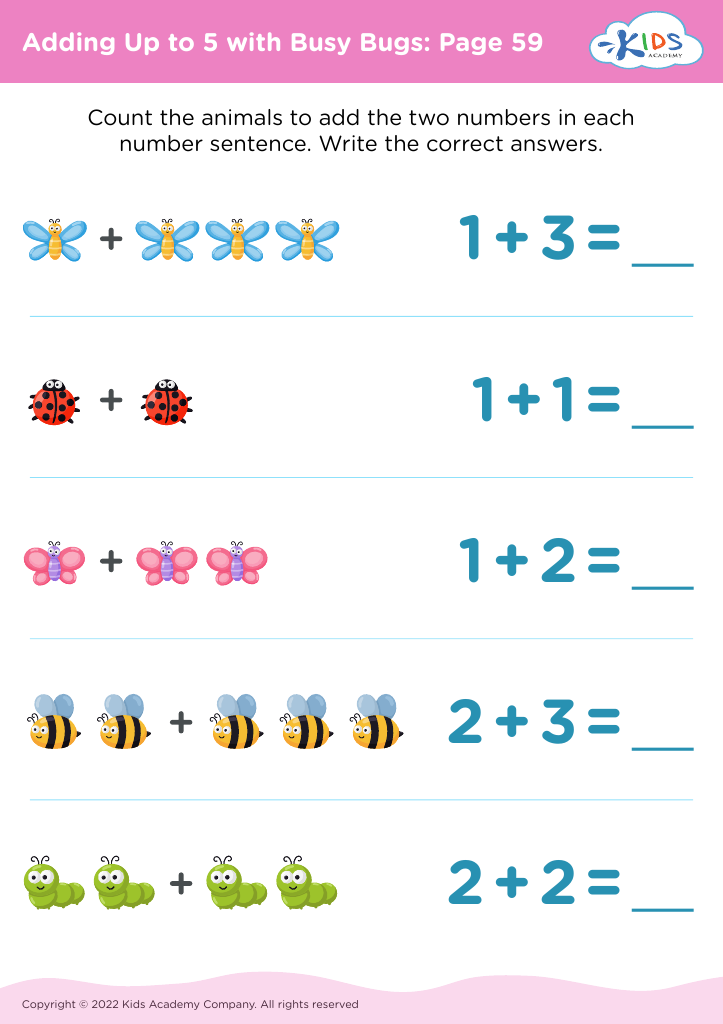
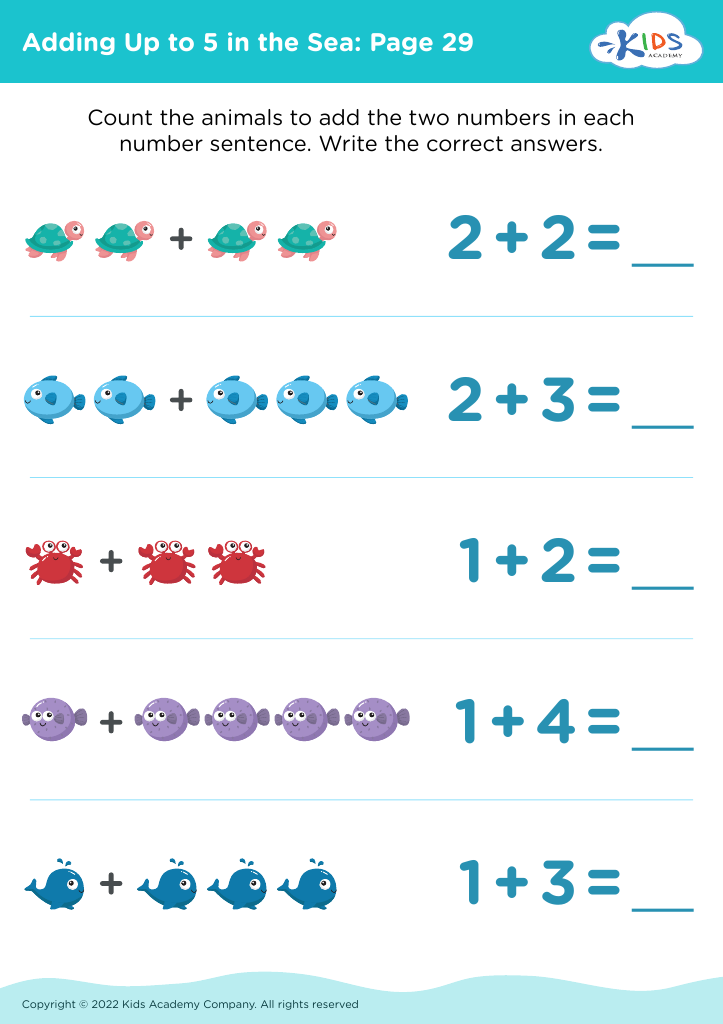
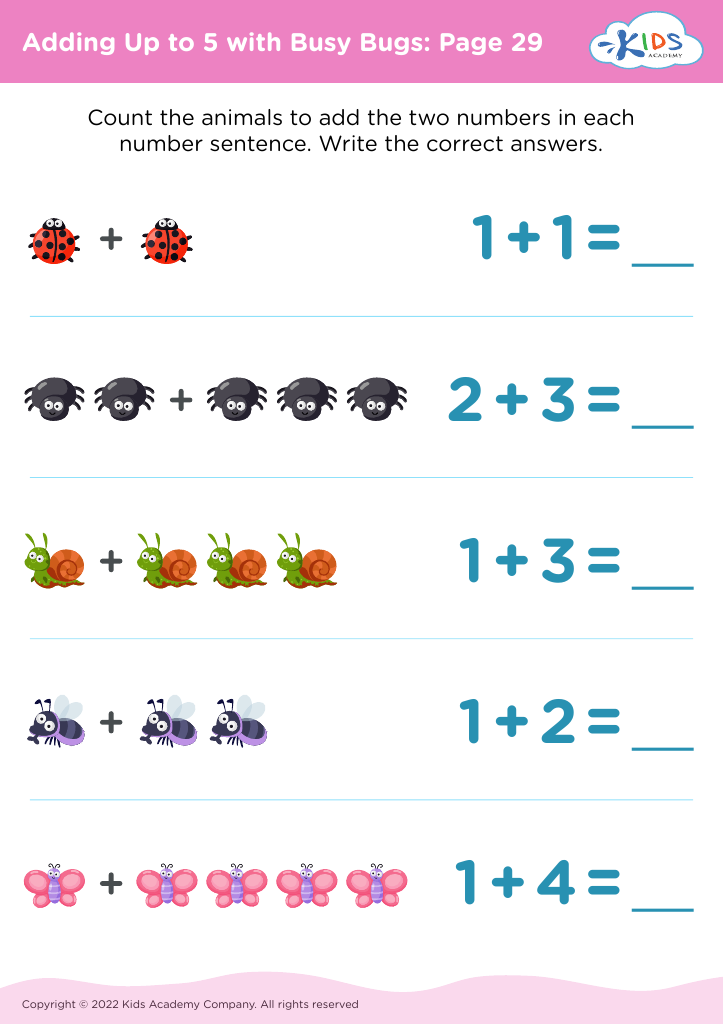
Discover engaging and educational Basic Arithmetic Worksheets designed specially for children aged 4-5! These printable resources help young learners develop essential math skills through fun activities. Our worksheets focus on introducing fundamental concepts such as counting, addition, and subtraction in a playful manner. With colorful illustrations and interactive exercises, kids will enhance their number recognition and basic problem-solving abilities. Perfect for homeschooling, classroom use, or independent learning, these worksheets make learning arithmetic enjoyable and accessible. Foster your child's love for math through engaging practice that lays the groundwork for their future academic success! Explore our collection today!
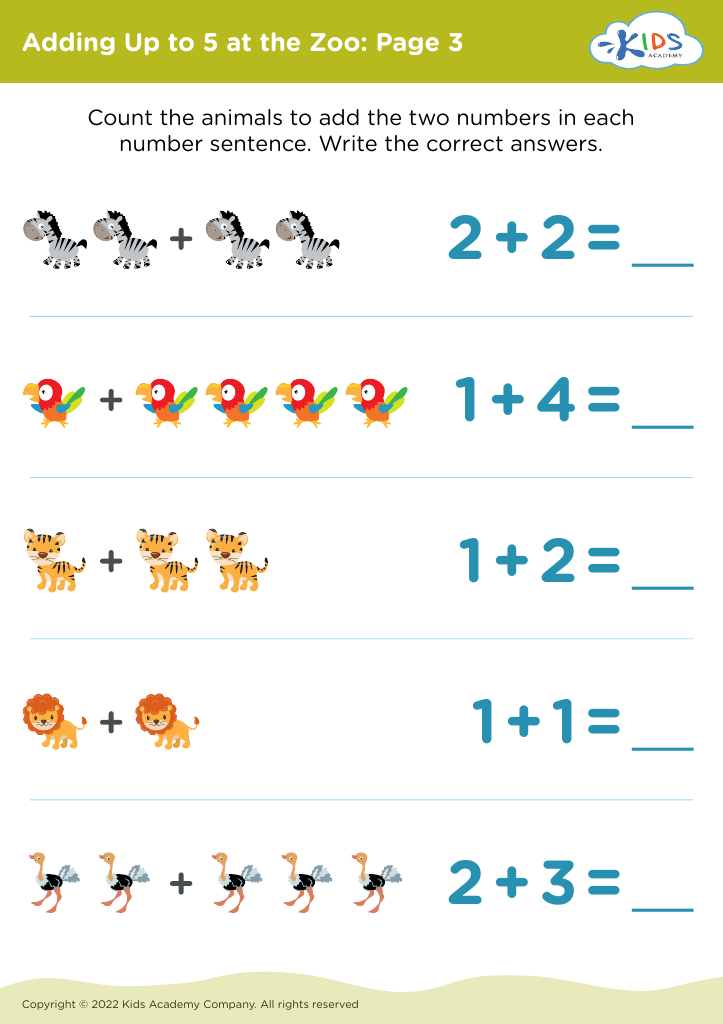
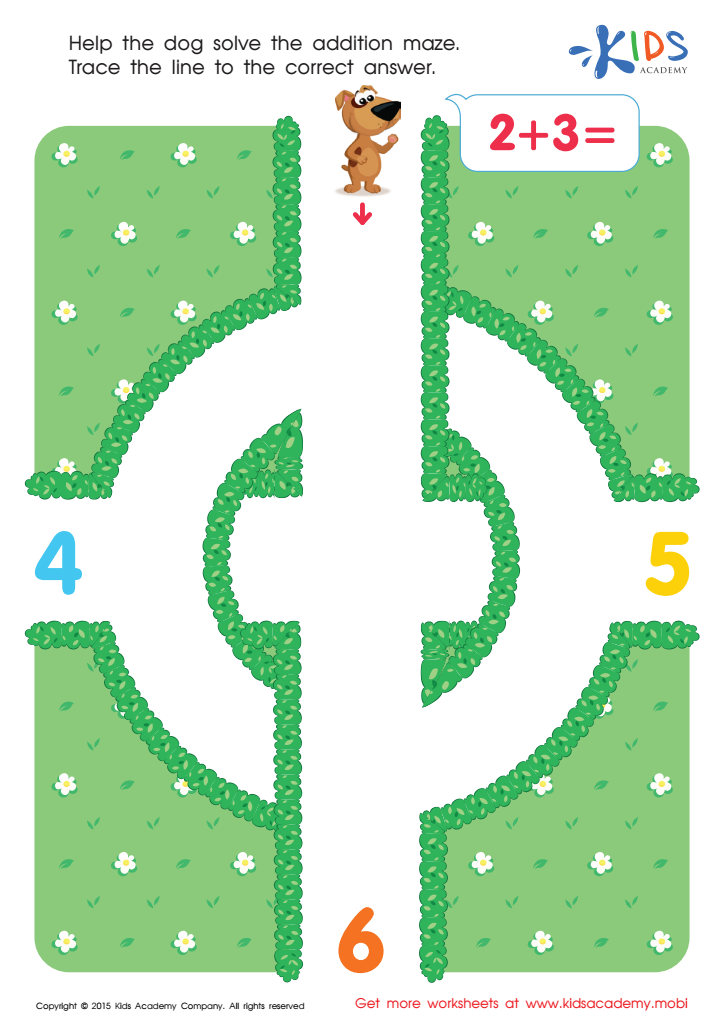
Two And Three Addition Worksheet
 Assign to My Students
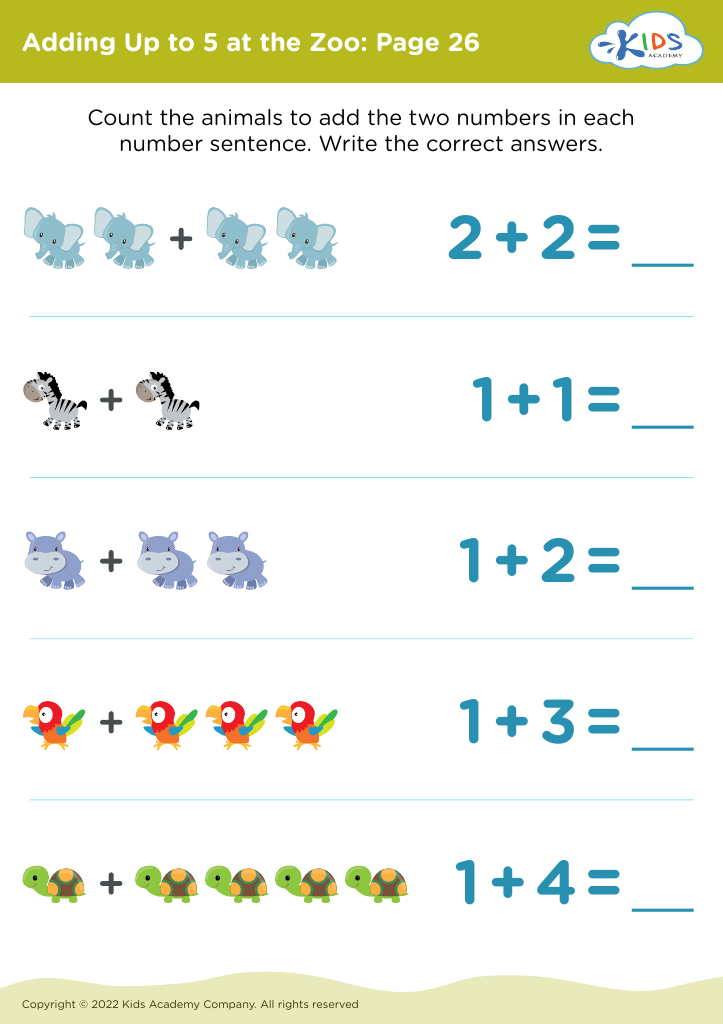
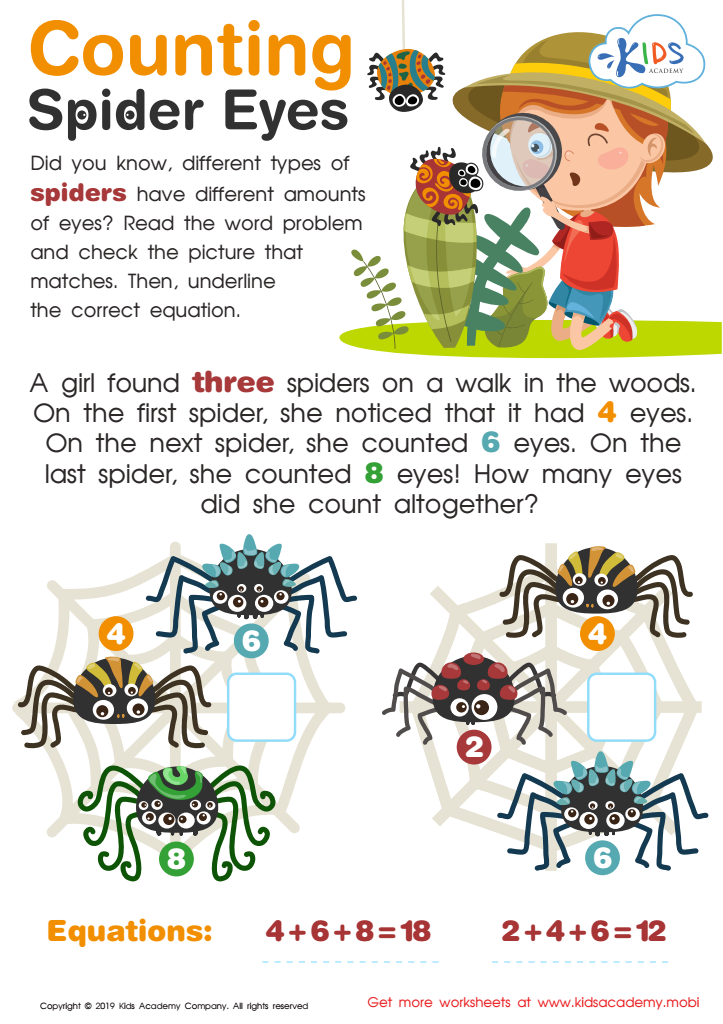
Counting Spider Eyes Worksheet
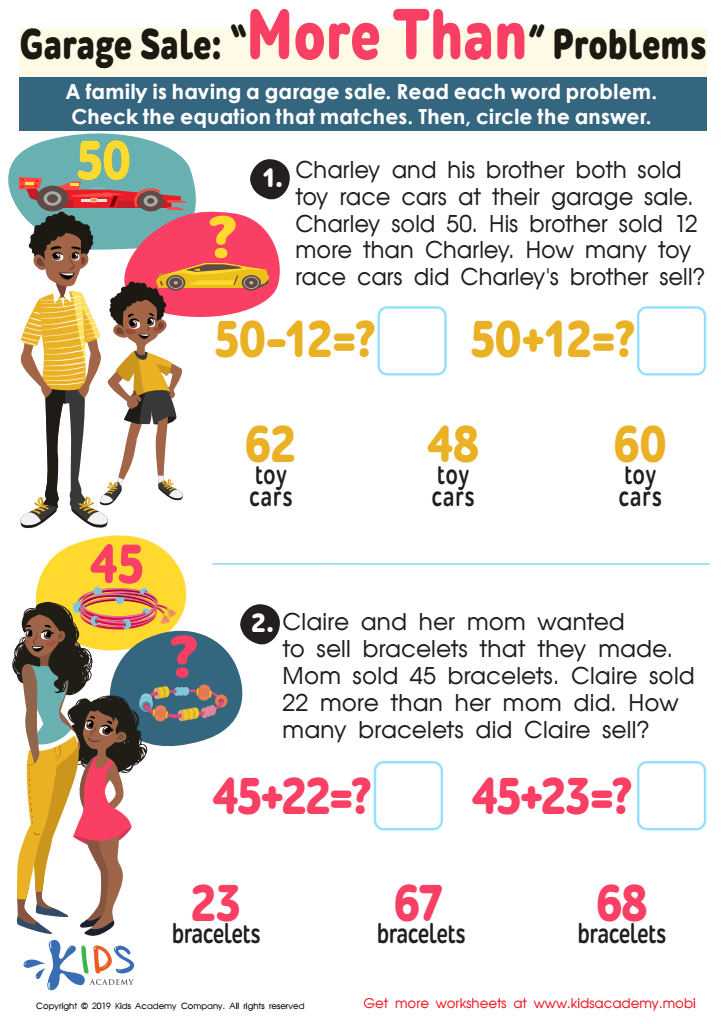
Garage Sale - More yhan Worksheet
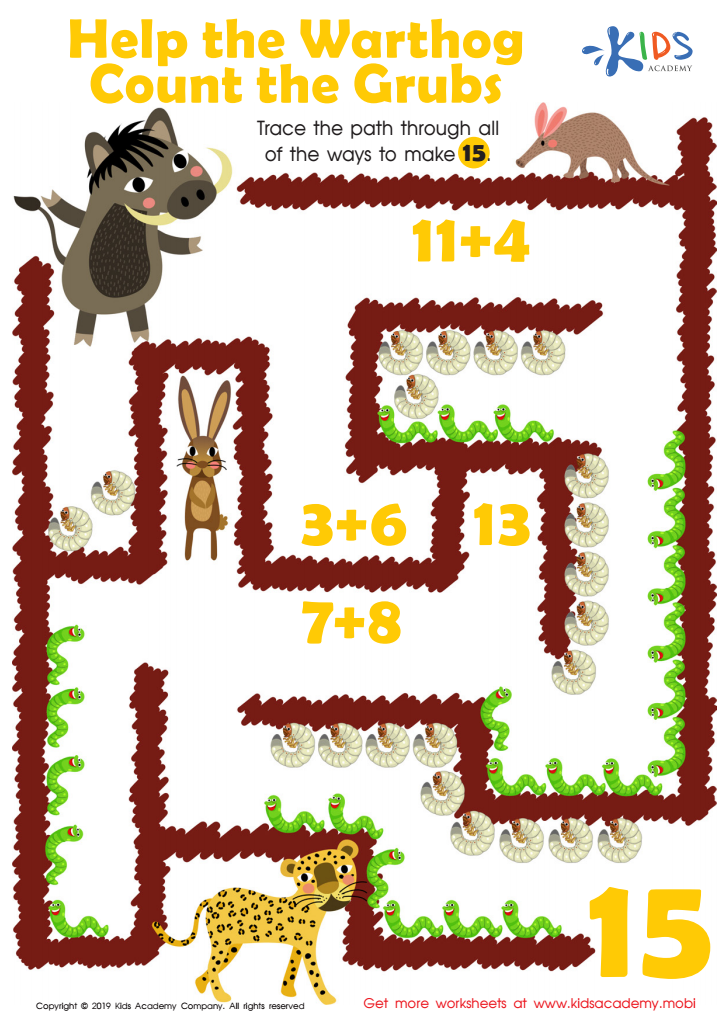
Help the Warthog Count the Grubs Worksheet
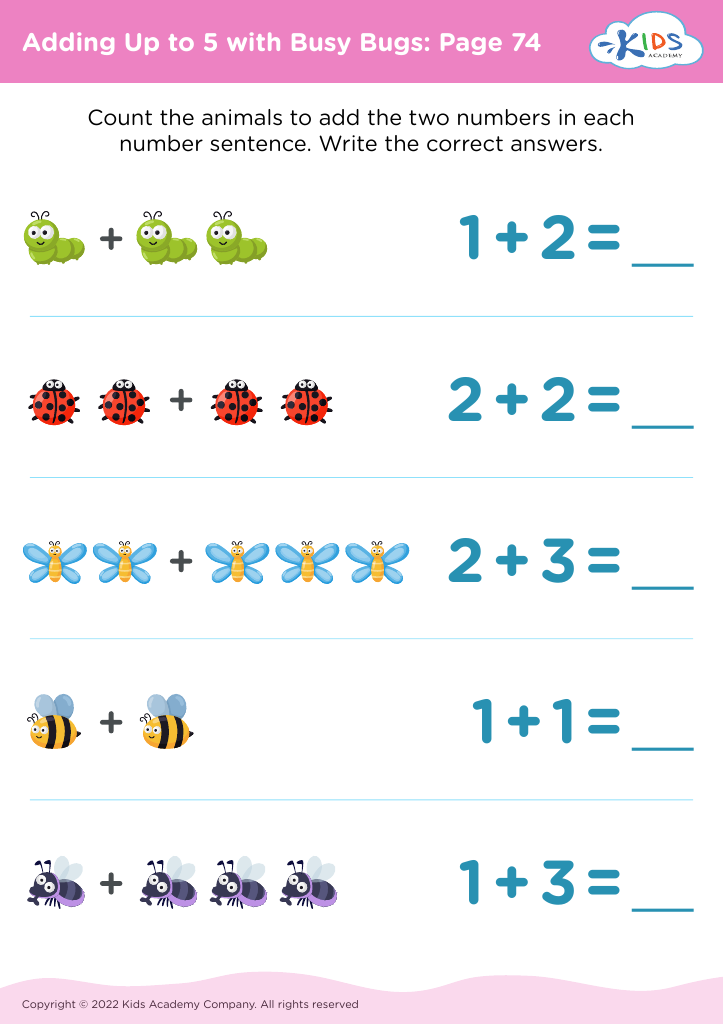
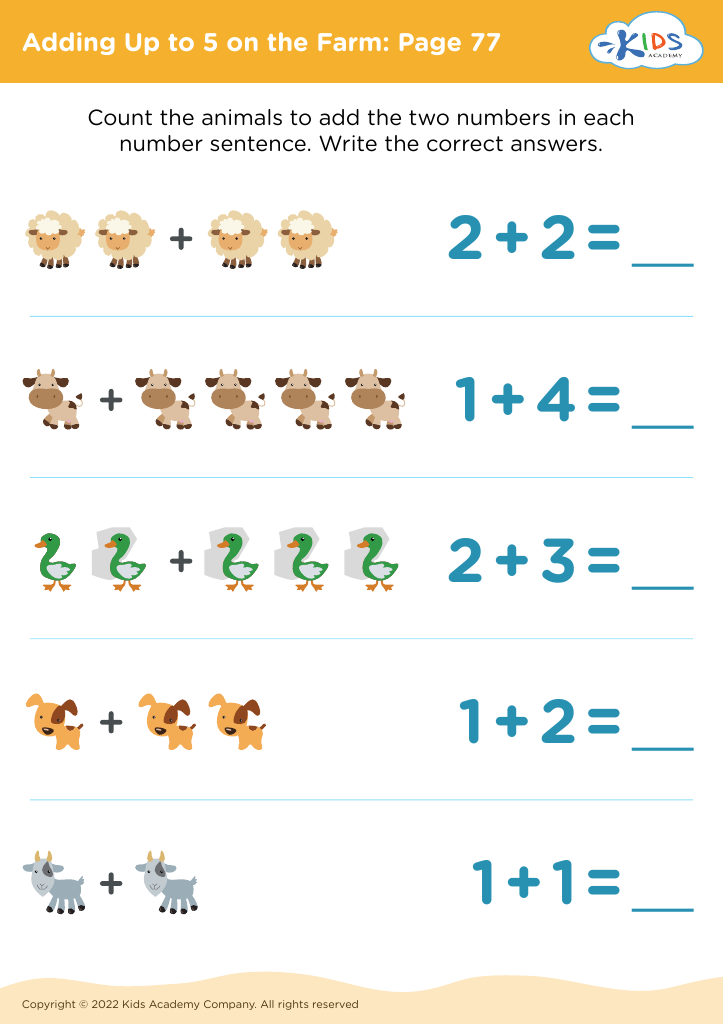
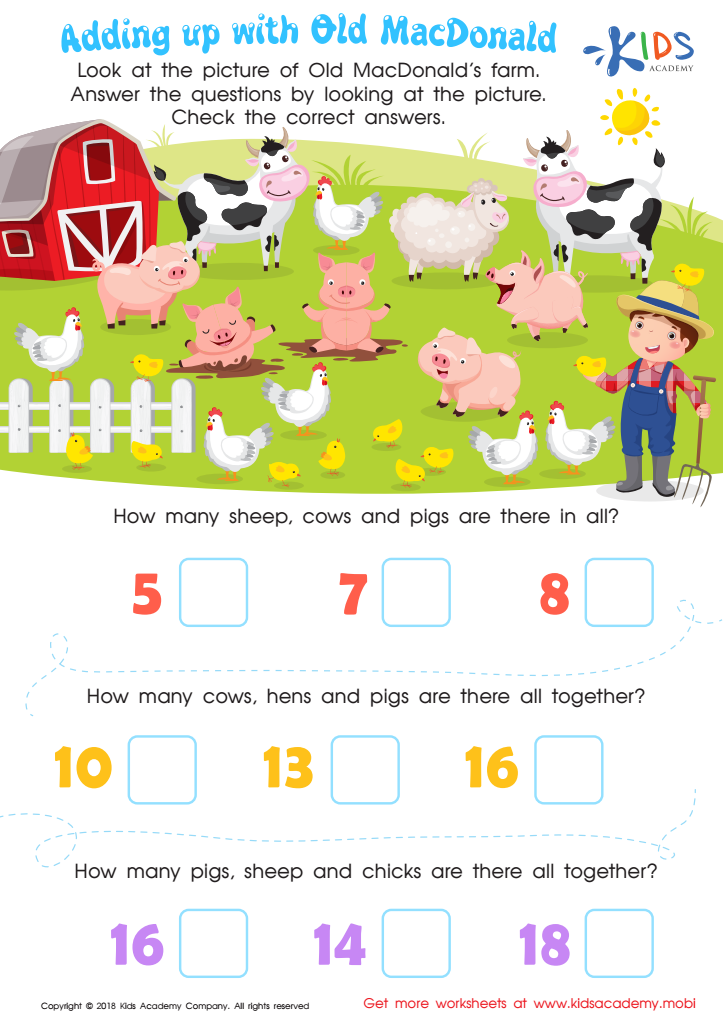
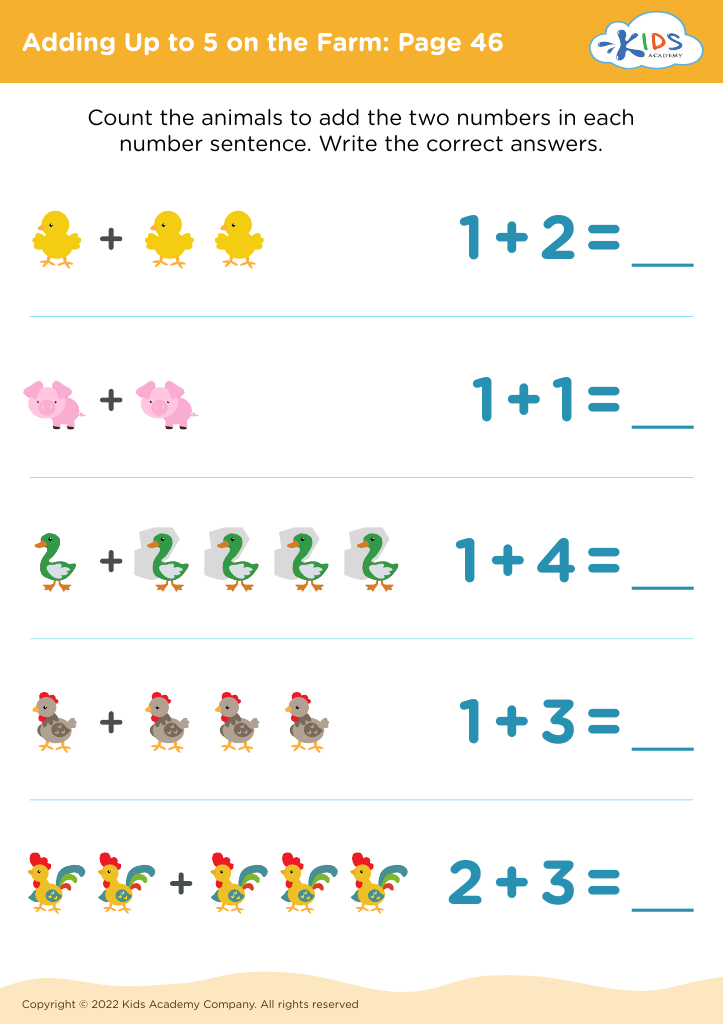
Adding Up with Old MacDonald Worksheet
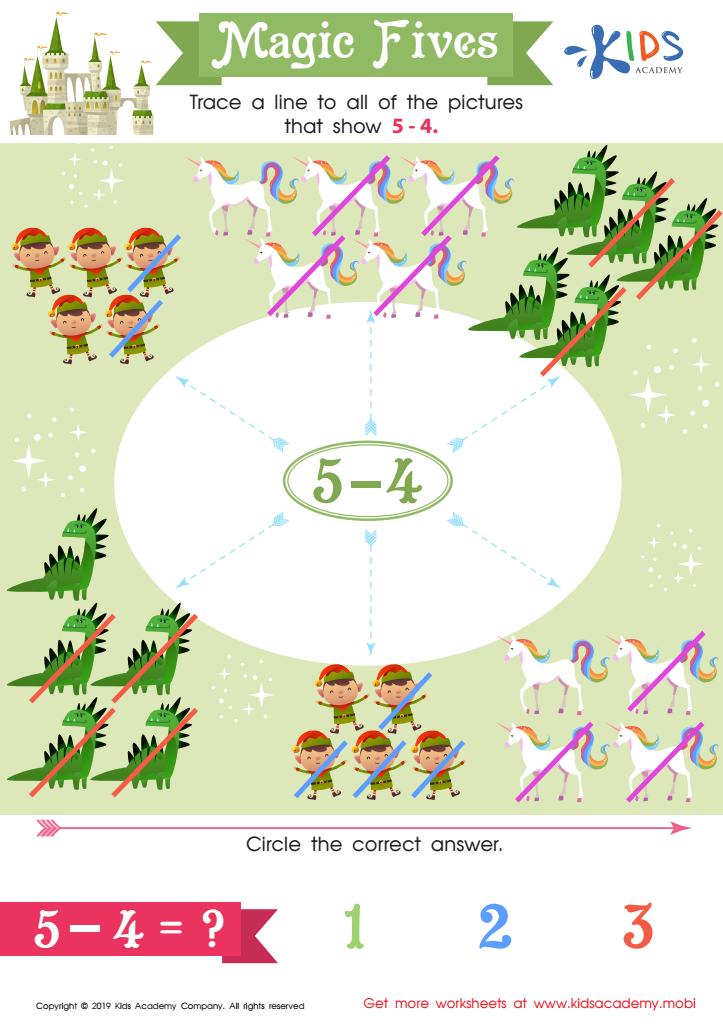
Magic Fives Worksheet
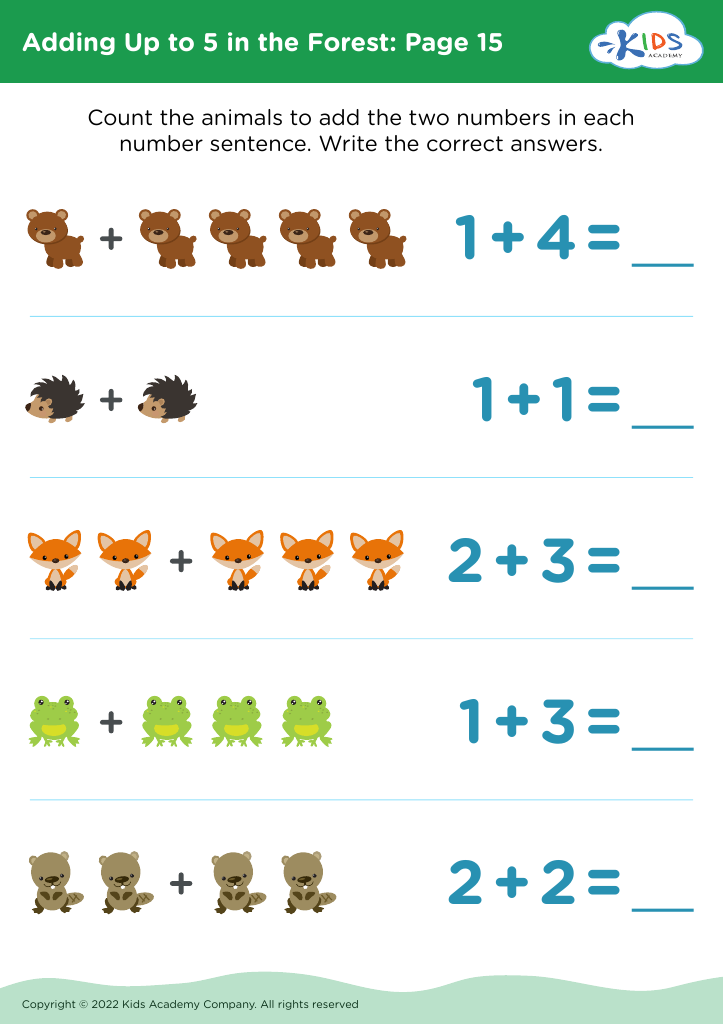
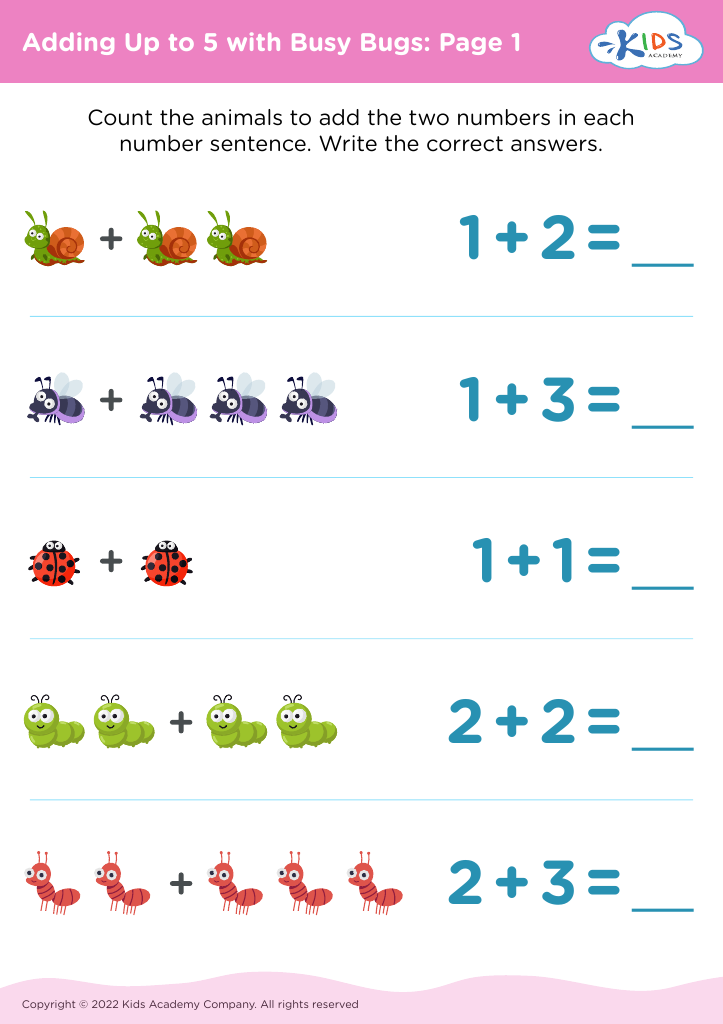
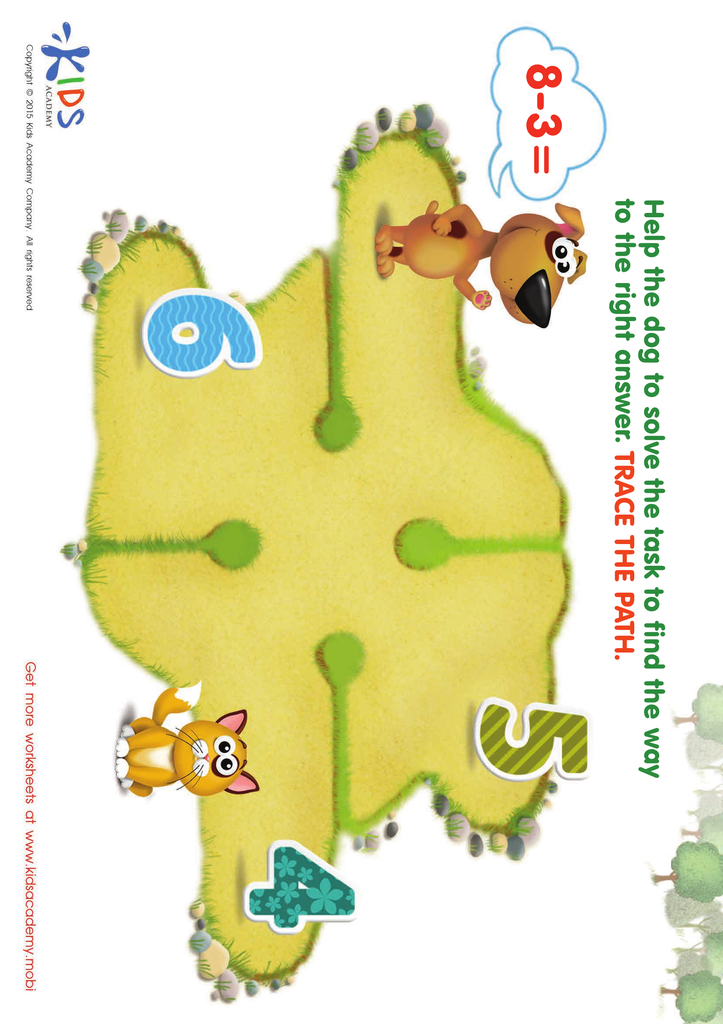
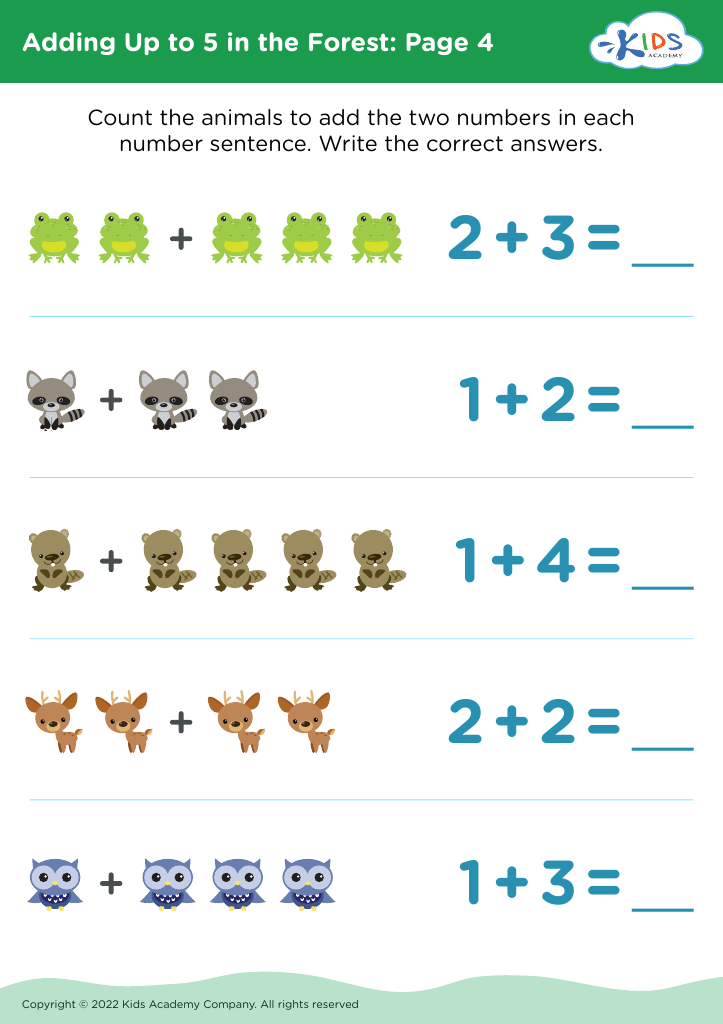
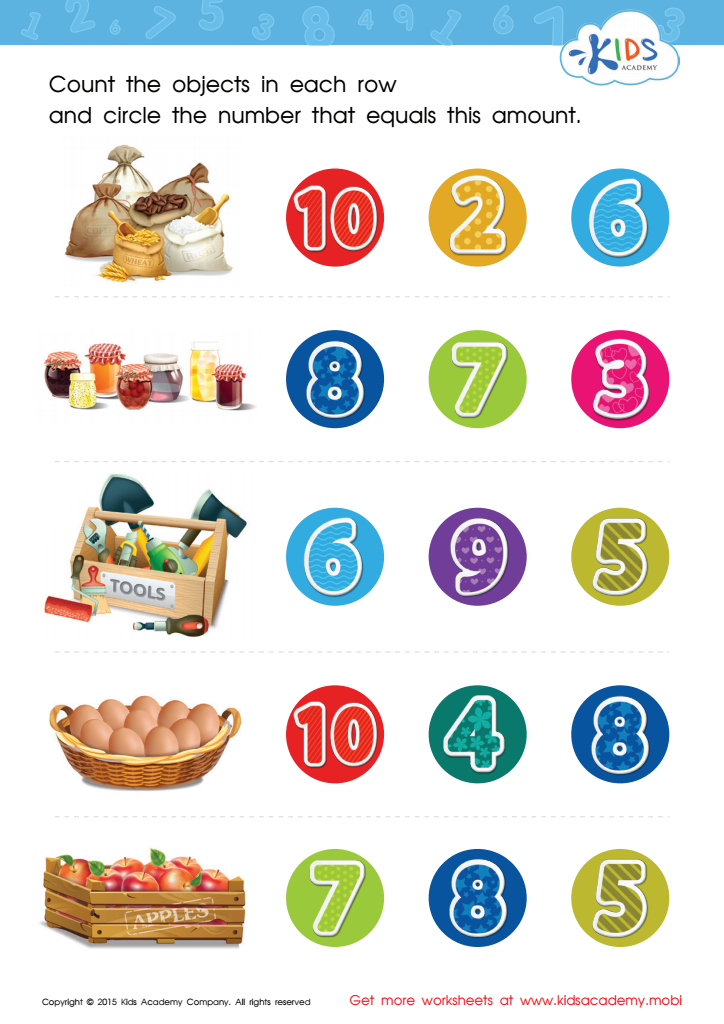
Count and Match 6 – 10 Math Worksheet
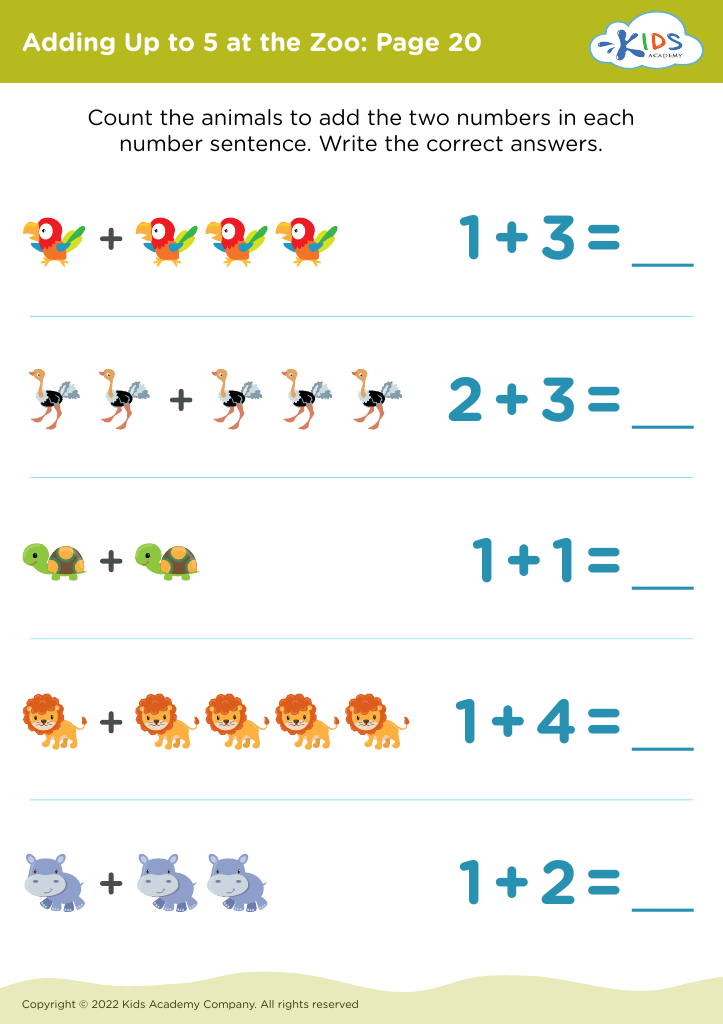
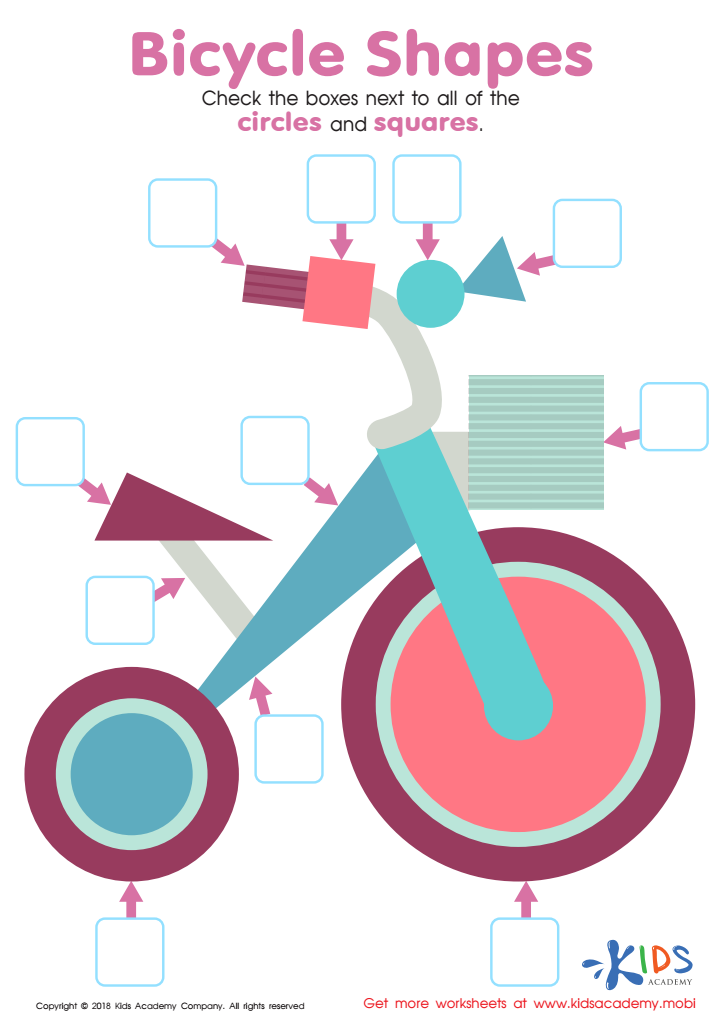
Bicycle Shapes Worksheet








Basic arithmetic serves as the foundation for future mathematical understanding and problem-solving skills, making it a critical focus for parents and teachers of children aged 4-5. At this early age, children are naturally curious and eager to learn, which provides a prime opportunity to introduce concepts such as counting, addition, and subtraction in a fun and engaging way.
Learning basic arithmetic helps children develop essential cognitive skills, improving their ability to think logically and make connections. It fosters their emotional development, bolstering confidence and a sense of achievement when they grasp new concepts. These early mathematical experiences also encourage critical social skills through games and collaborative activities, promoting teamwork and communication.
Moreover, early exposure to arithmetic nurtures a positive attitude towards math, which can counteract common anxieties associated with the subject later in life. Parents and teachers can use everyday situations—like counting toys, distributing snacks, or comparing weights—to shape arithmetic into a practical, relatable endeavor.
Investing time in basic arithmetic today equips children with not just mathematical skills, but also resilience, creativity, and perseverance essential for navigating the complexities of school and beyond. Ultimately, ensuring young children grasp these principles will foster a lifelong appreciation for learning math.








