
Basic Math understanding Worksheets for Ages 4-5
10 filtered results
Difficulty Level
Grade
Age
-
From - To
Subject
Activity
Standards
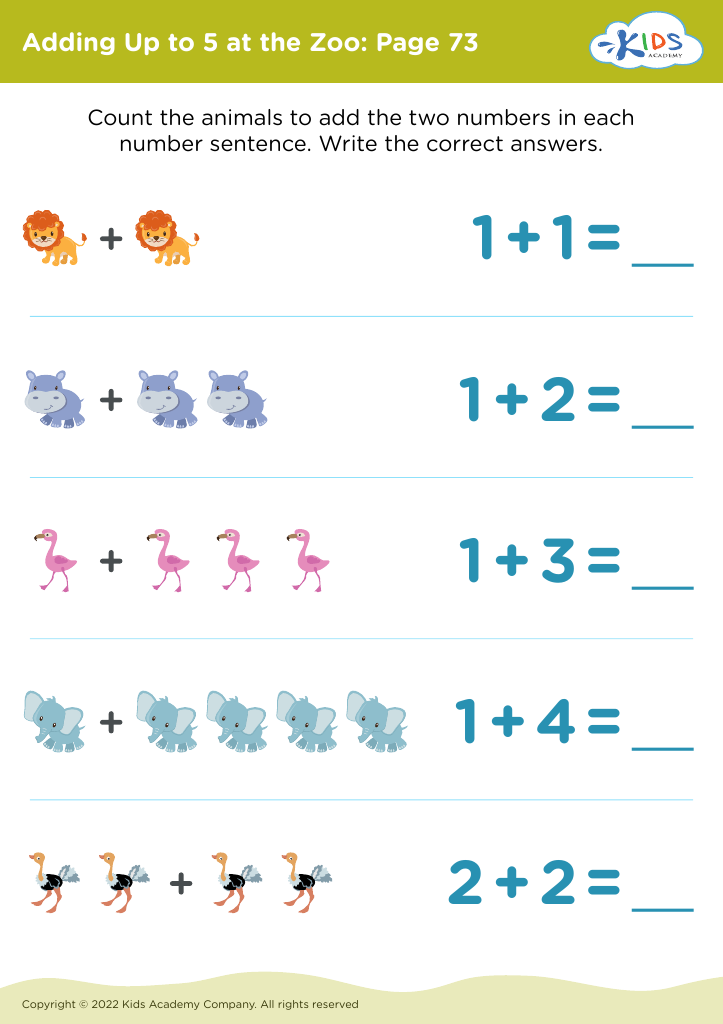
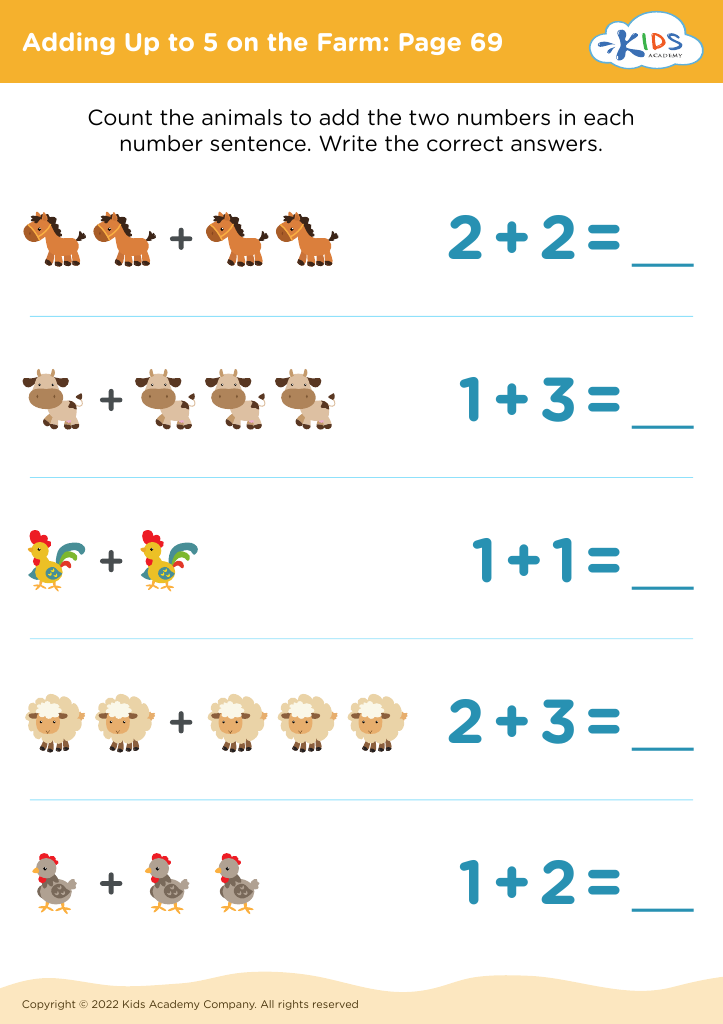
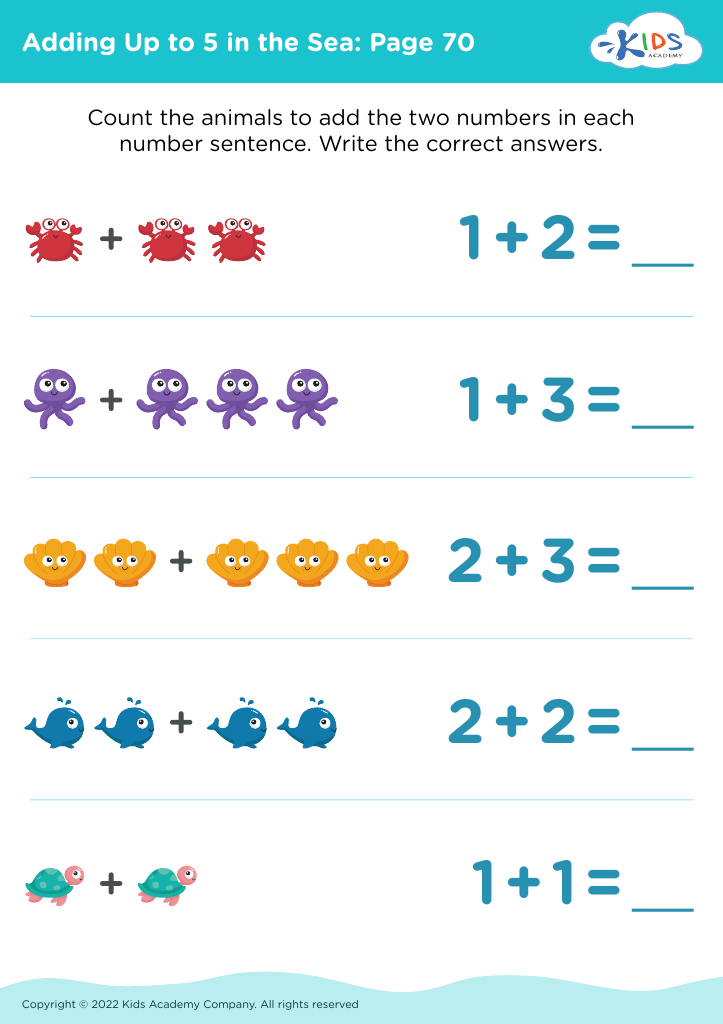
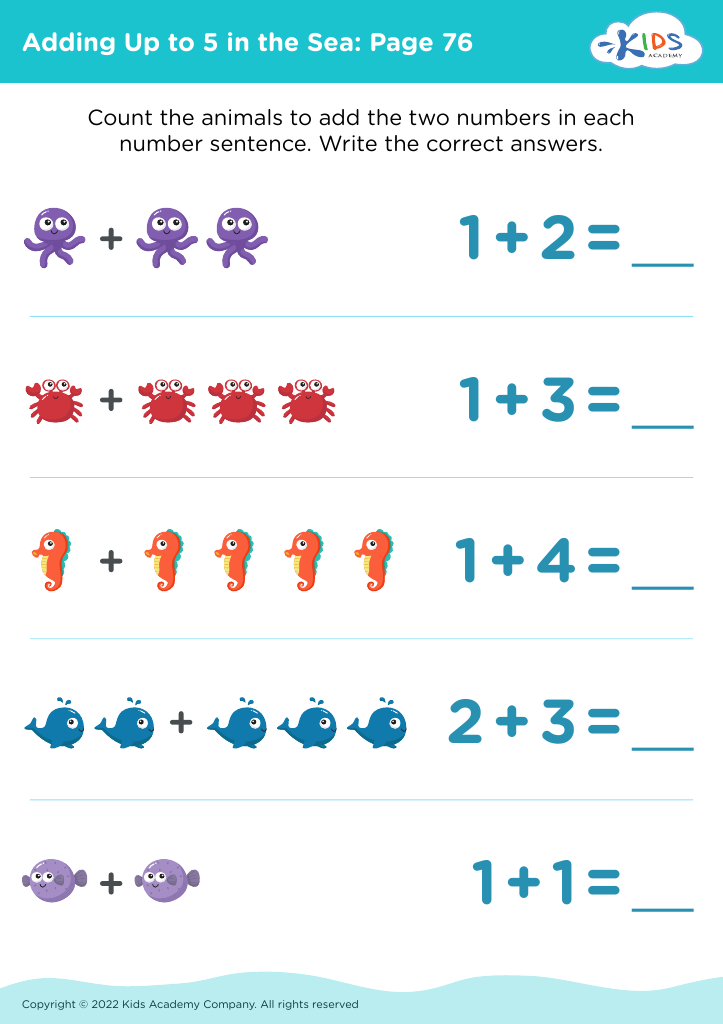
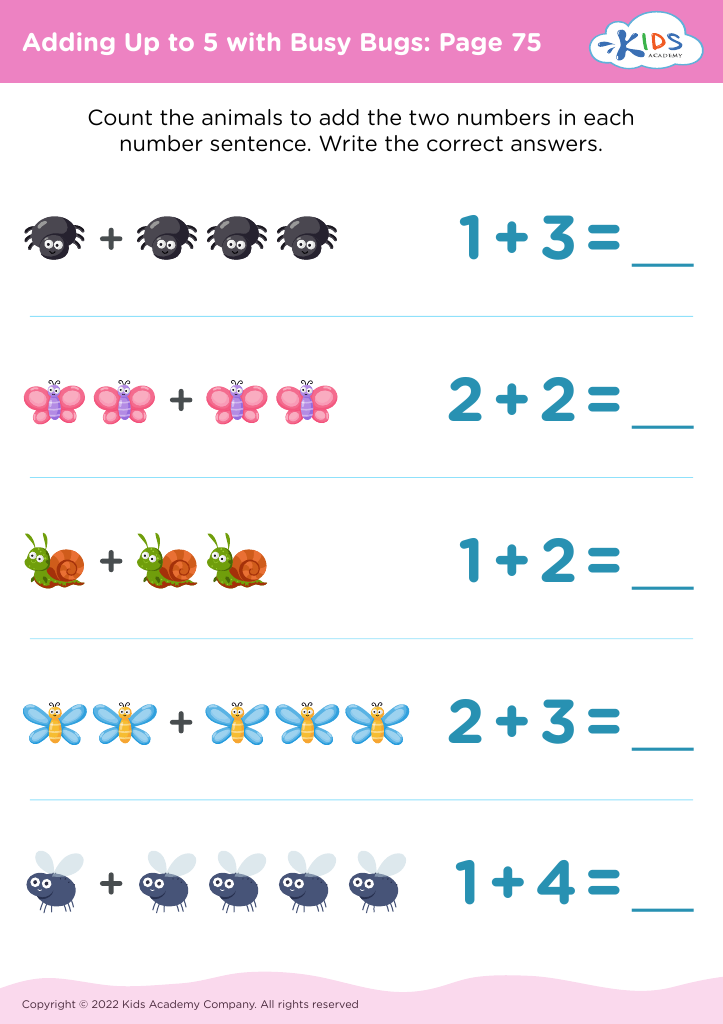
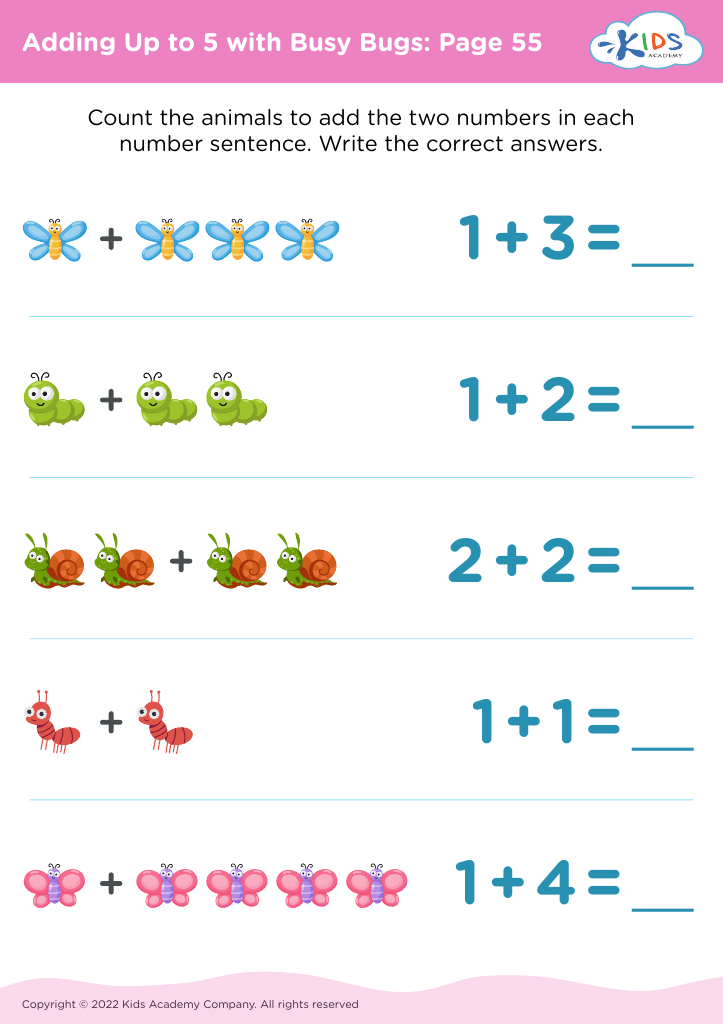
Discover our engaging Basic Math Understanding Worksheets tailored specifically for children aged 4-5. These worksheets are designed to introduce fundamental math concepts through fun and interactive activities. Your little learners will enhance their counting skills, recognize shapes, and practice simple addition and subtraction while enjoying colorful illustrations and playful themes. Perfect for homeschooling or supplementary learning at home, our worksheets encourage children to explore numbers in a supportive environment. Foster a love for math early on and help build a strong foundation for future learning with our comprehensive and developmentally appropriate resources. Start your math journey today and watch your child thrive!
Favorites
With answer key
Interactive
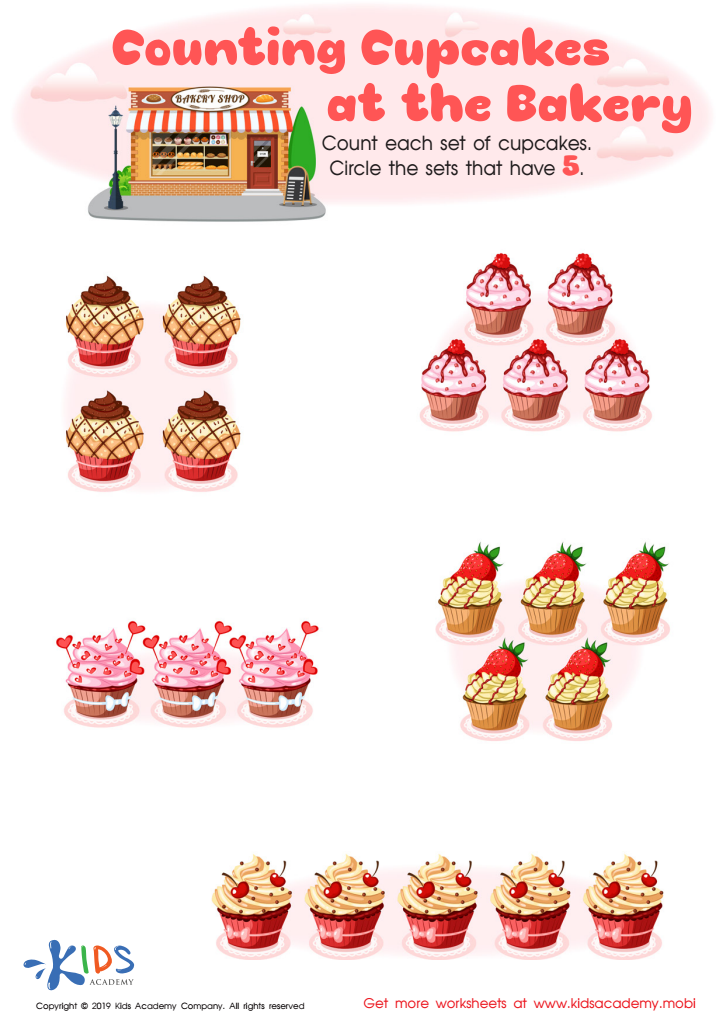
Counting Cupcakes Worksheet
This fun worksheet for preschoolers uses cupcakes to teach counting. Kids must circle the groups of cupcakes that add up to 5. The delicious treats make learning fun and engaging!
Counting Cupcakes Worksheet
Worksheet
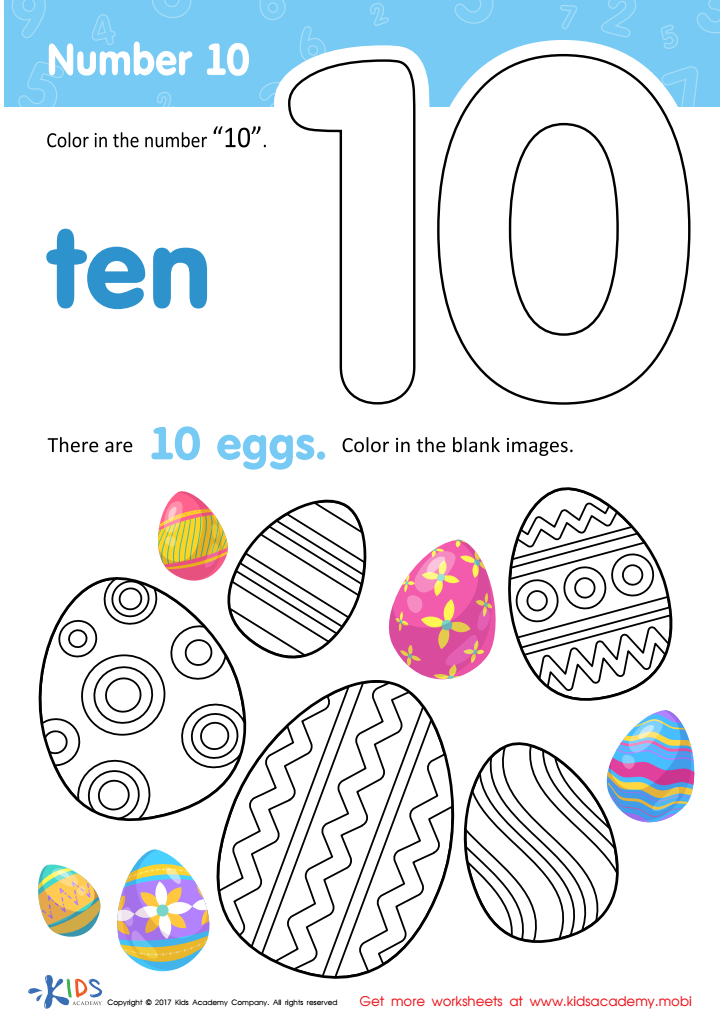
Number 10 Printable
Easter eggs are a great way to combine creativity and learning! Help your child explore the number 10 with our fun coloring page. The intricate designs will spark their imagination and fuel their artistic side, while they practice important numeracy basics. Get creative with eggs and enjoy the fun, no matter the time of year!
Download (PDF)
 Assign to My Students
Assign to My Students
Number 10 Printable
Worksheet
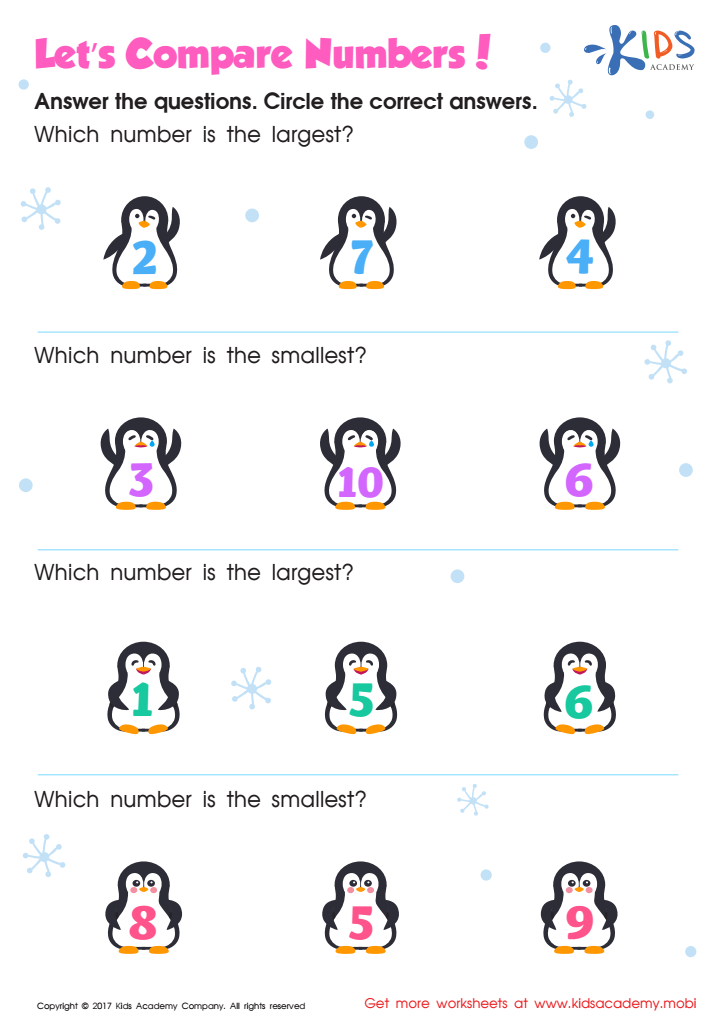
Comparing Numbers 1–10 Worksheet Kindergarten
Help your child sort out numbers 1-10 with this fun worksheet! They'll practice comparing numbers and boost their number sense. Plus, it features cute little penguins with numbers on their bellies - they make learning even more exciting!
Comparing Numbers 1–10 Worksheet Kindergarten
Worksheet
Join Kids Academy for Free
Who is primarily going to use this learning content?






Basic math understanding in early childhood, particularly for ages 4-5, is crucial for several reasons. First, it serves as the foundation for future academic success. Early mathematical skills, such as counting, recognizing patterns, and understanding basic concepts of addition and subtraction, help children develop strong problem-solving and analytical skills, which are essential across all subjects.
Second, basic math fosters cognitive development, facilitating critical thinking and logical reasoning. Engaging young children in mathematical activities encourages them to explore relationships, make connections, and learn how to approach challenges methodically.
Additionally, early math knowledge supports lifelong competence in everyday situations. Numbers and basic math operations are integral to daily life activities like shopping, cooking, and personal budgeting. When children grasp these concepts early on, they gain confidence in their ability to interact with the world around them and make informed decisions.
Finally, supporting children’s mathematical journey strengthens parents’ and teachers’ involvement and connection. It allows parents and educators to address learning needs early, promote a positive attitude toward math, and create opportunities for collaborative, enjoyable learning experiences. Ultimately, caring about basic math understanding ensures that children build a solid foundation for academic and personal success.








