Building vocabulary Worksheets for Ages 4-5
3 filtered results
-
From - To
Enhance your child's language skills with our engaging Building Vocabulary Worksheets designed specifically for ages 4-5! Our colorful, thoughtfully crafted worksheets encourage young learners to explore new words through fun activities, including picture associations, matching games, and fill-in-the-blanks. These resources promote early literacy by expanding vocabulary and improving comprehension in an enjoyable way. Ideal for home or classroom use, our printable worksheets make learning interactive and dynamic. Support your child's developmental journey and foster a love for words with activities that spark imagination and creativity. Discover the joy of building vocabulary today!
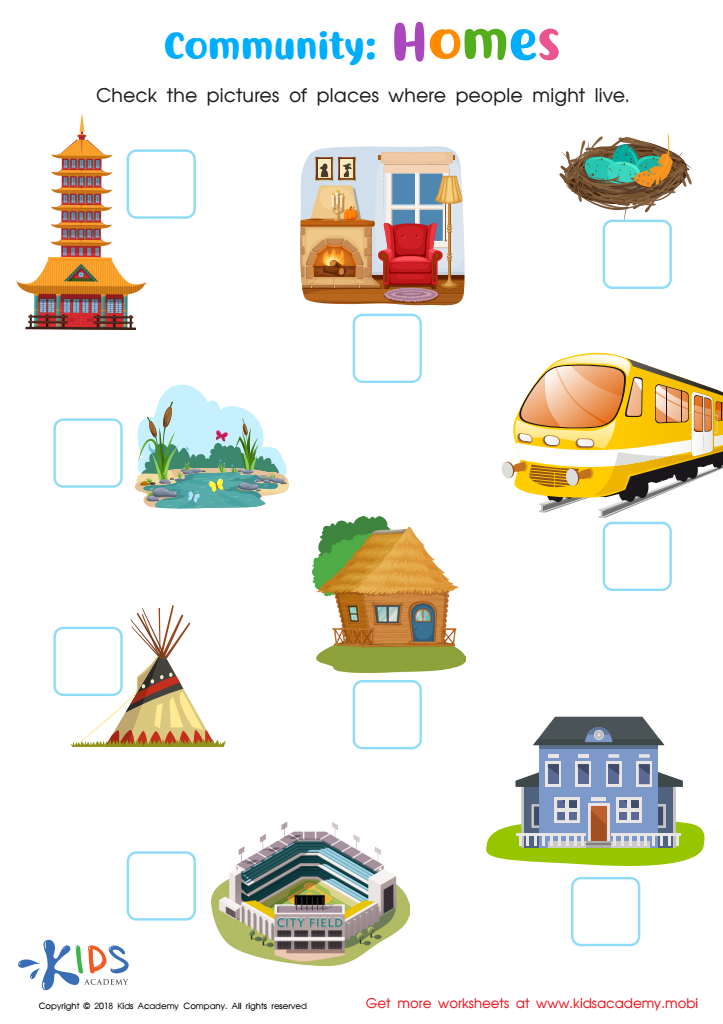
Community: Homes Worksheet
 Assign to My Students
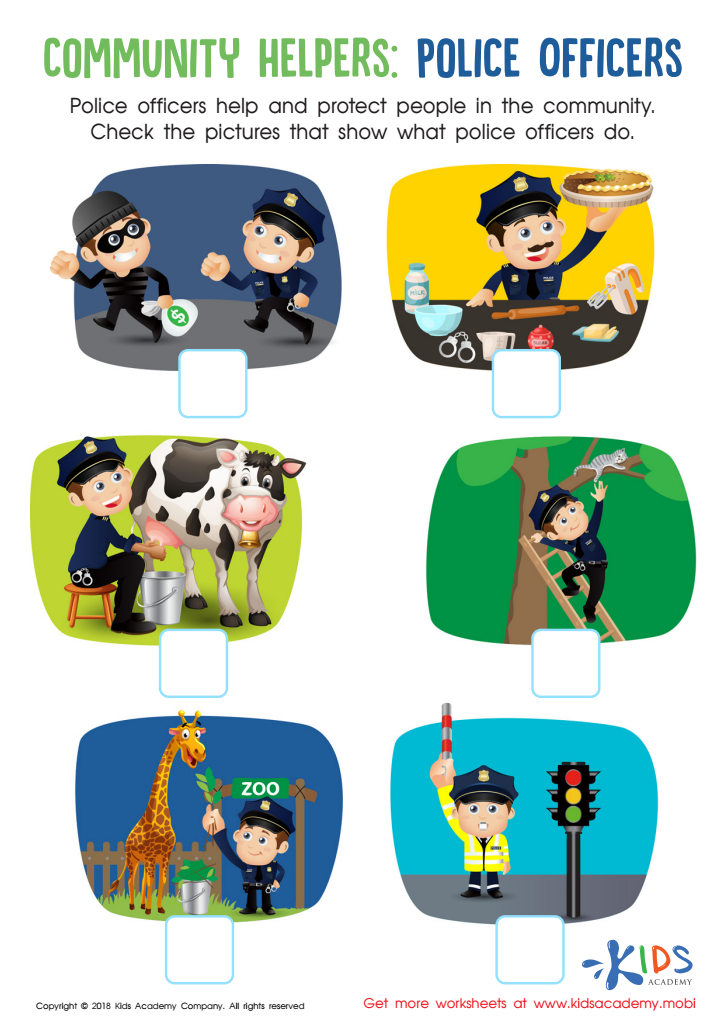
Police Officers Community Helpers Worksheet
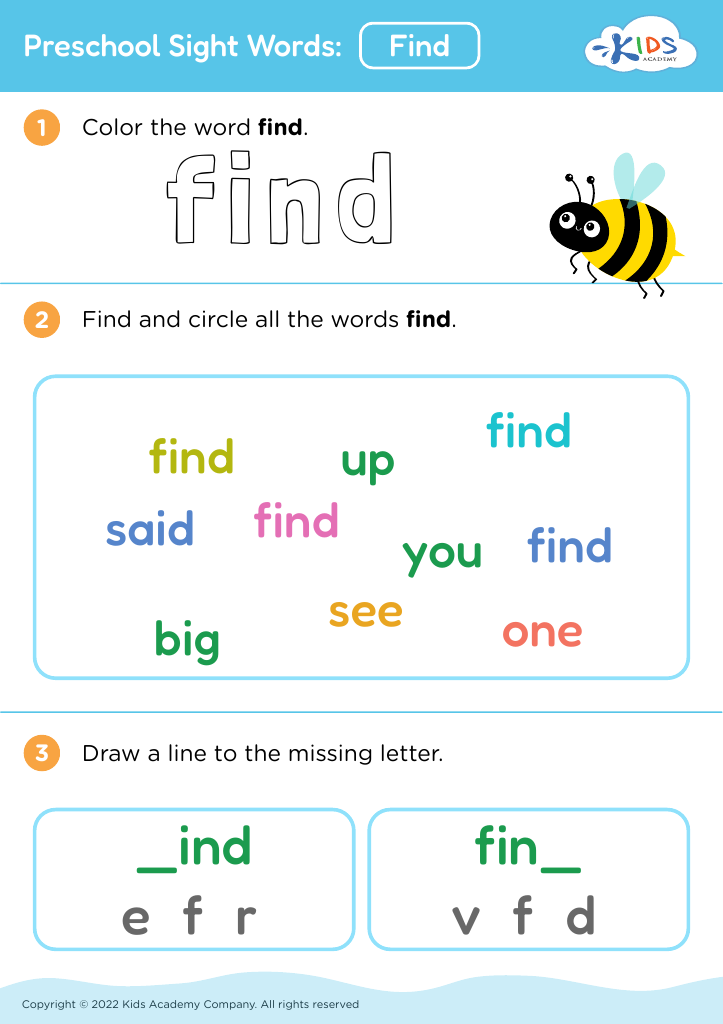







Building vocabulary for children aged 4-5 is crucial for several reasons. At this developmental stage, children experience rapid brain growth and linguistic development. A rich vocabulary lays the foundation for effective communication, allowing children to express their thoughts, needs, and emotions clearly. This skill is vital not only for personal connections but also for academic success as they begin their journey through formal education.
Moreover, a strong vocabulary enhances listening and reading comprehension. Children with a diverse range of words are better equipped to understand stories, instructions, and conversations. This fosters a love for reading and learning, leading to greater exploration of language and ideas.
Additionally, vocabulary development contributes to self-esteem. When children learn new words and can articulate their feelings or ideas, they build confidence in their abilities, encouraging participation in conversations and classroom activities.
For teachers and parents, prioritizing vocabulary-building activities ensures that children are prepared for future academic challenges. Engaging in discussions, reading aloud, and playing word games are effective strategies to enhance vocabulary. Ultimately, investing time in vocabulary development is an investment in a child's overall educational success and emotional intelligence, setting them on a path for lifelong learning.








