Color recognition Worksheets for Ages 4-5 - Page 2
97 filtered results
-
From - To
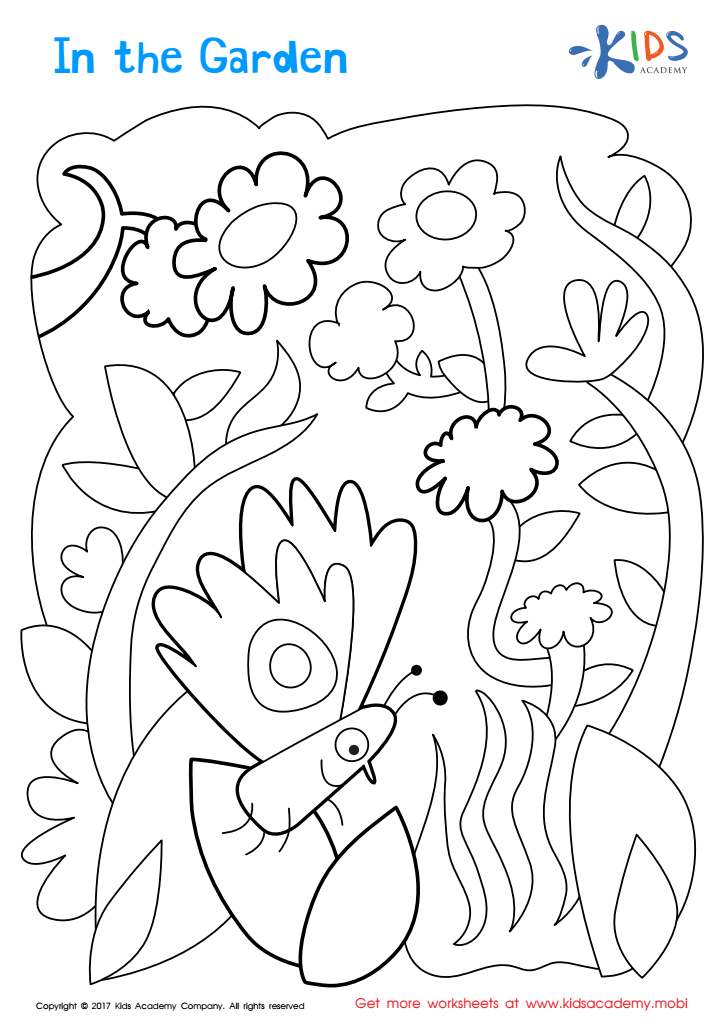
In The Garden Coloring Page
 Assign to My Students
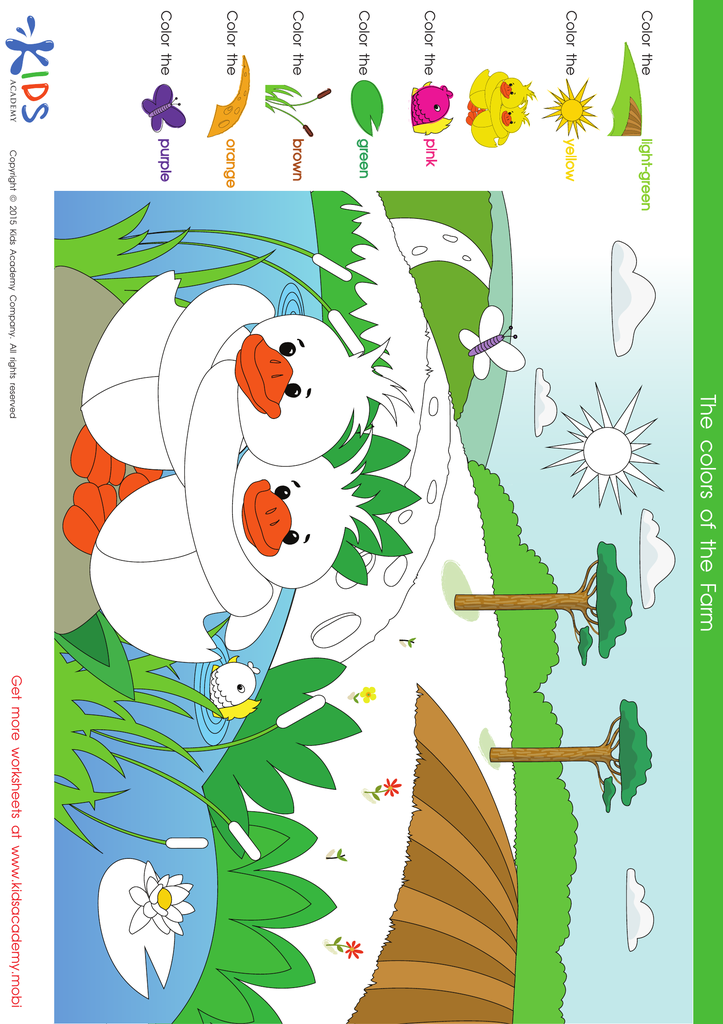
Color the Ducklings near the Pond Coloring Pages
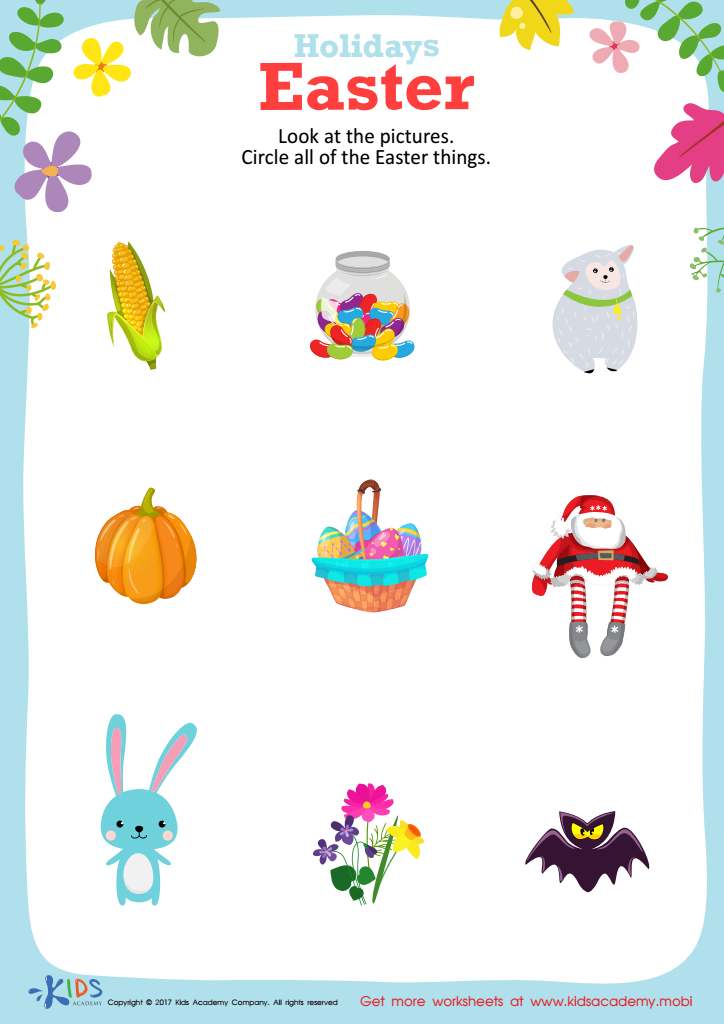
Easter Holiday Printable

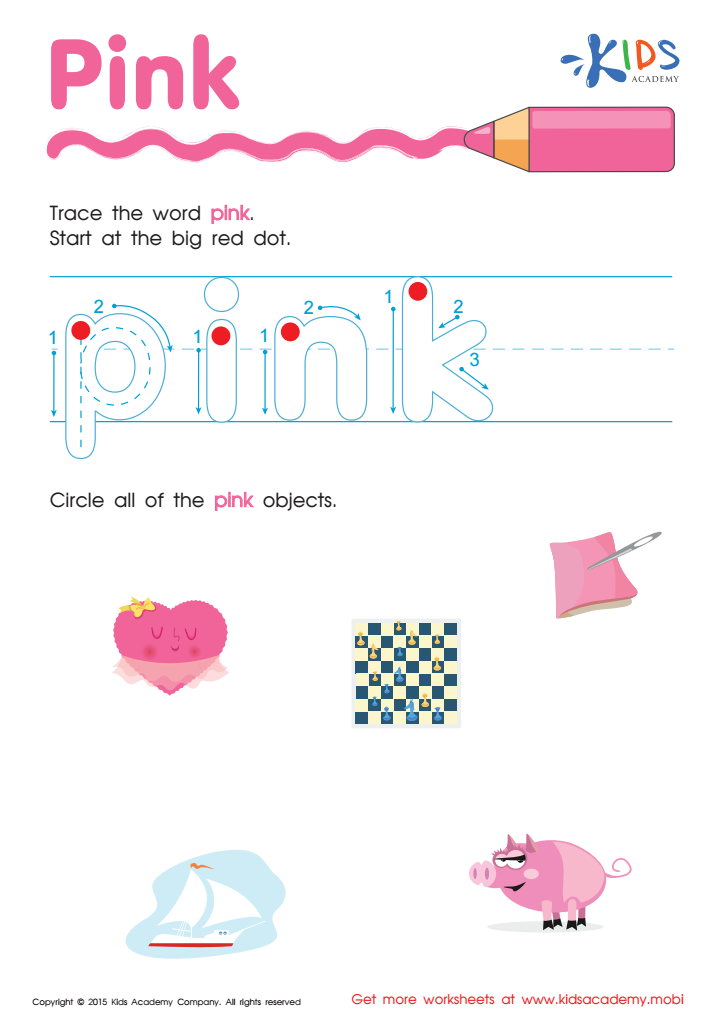
Pink Tracing Color Words Worksheet
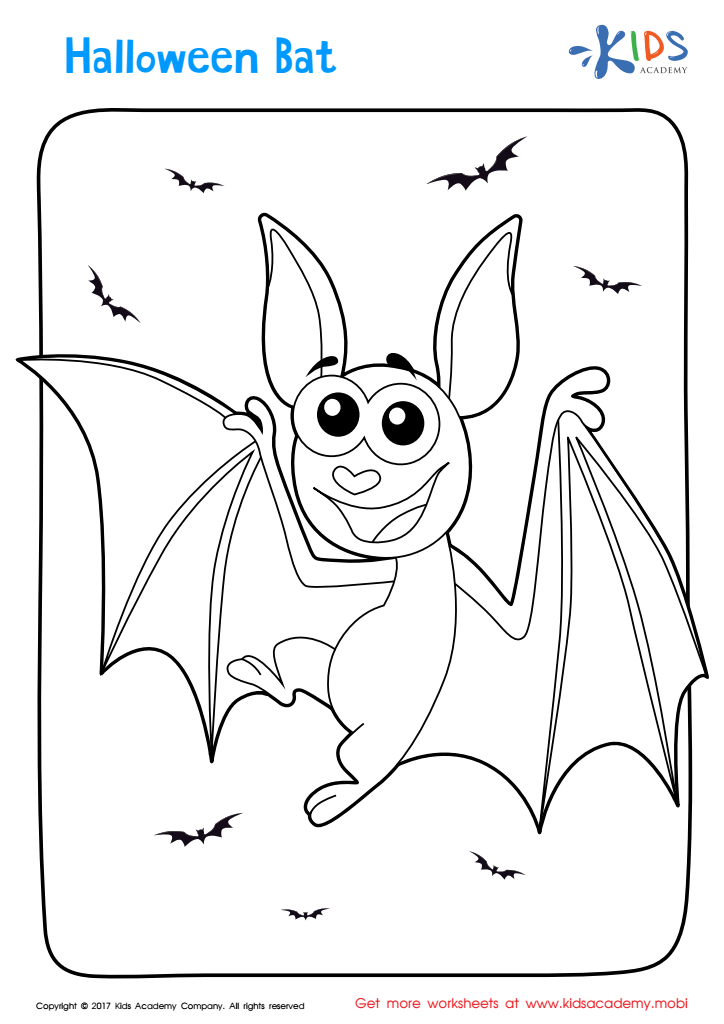
Halloween: A Bat Printable
Assign to My Students
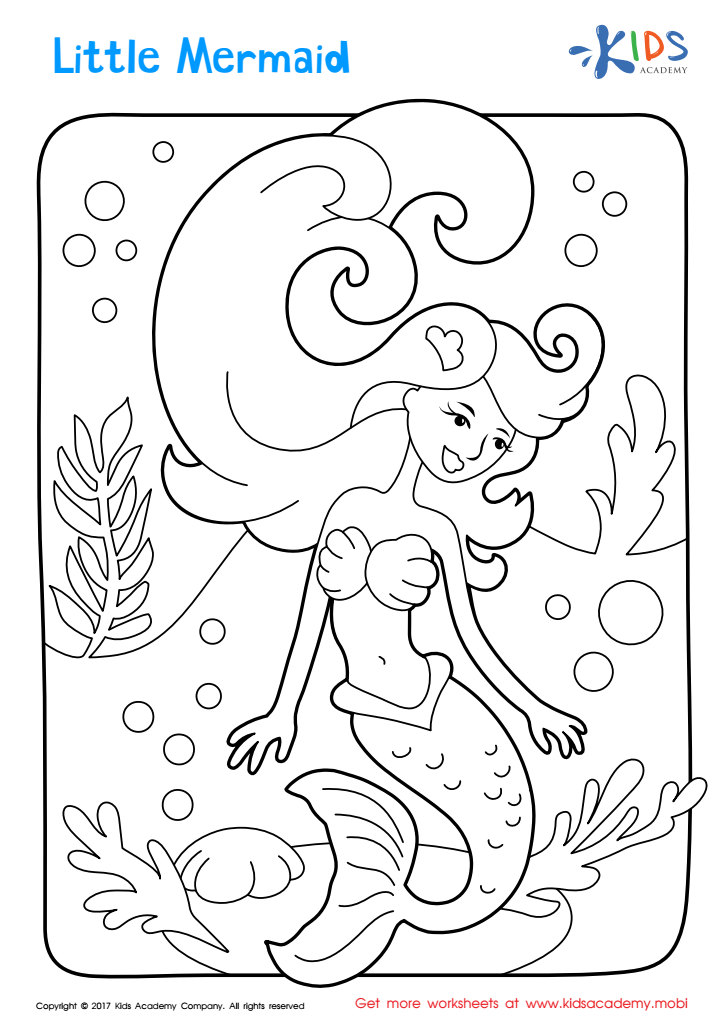
Little Mermaid Coloring Page
Assign to My Students
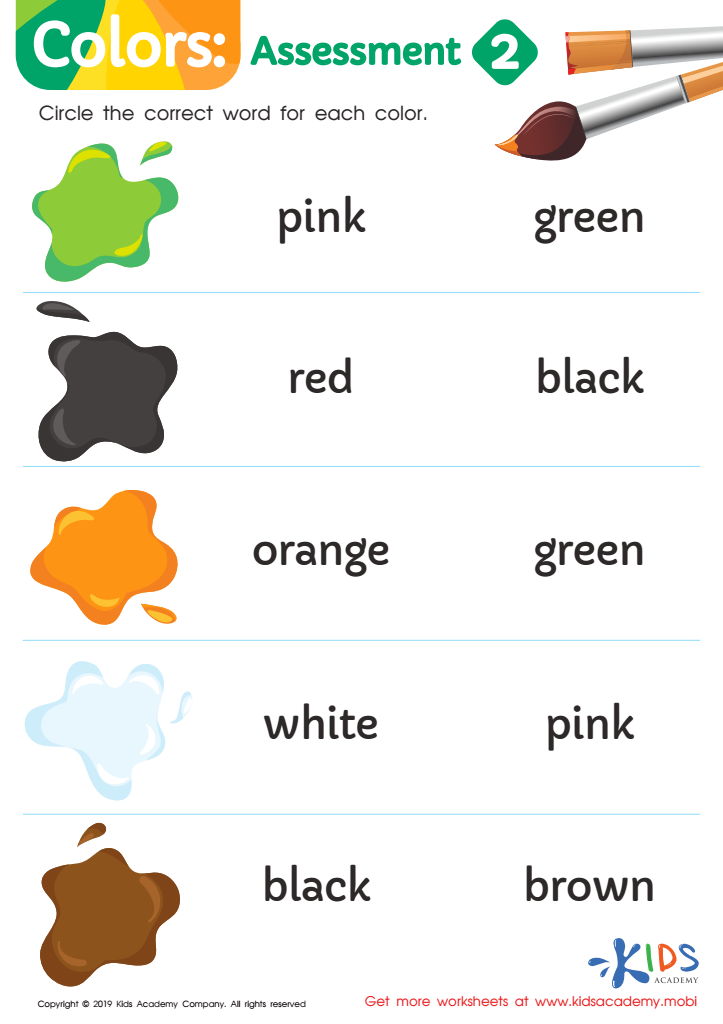
Colors: Assessment 2 Worksheet
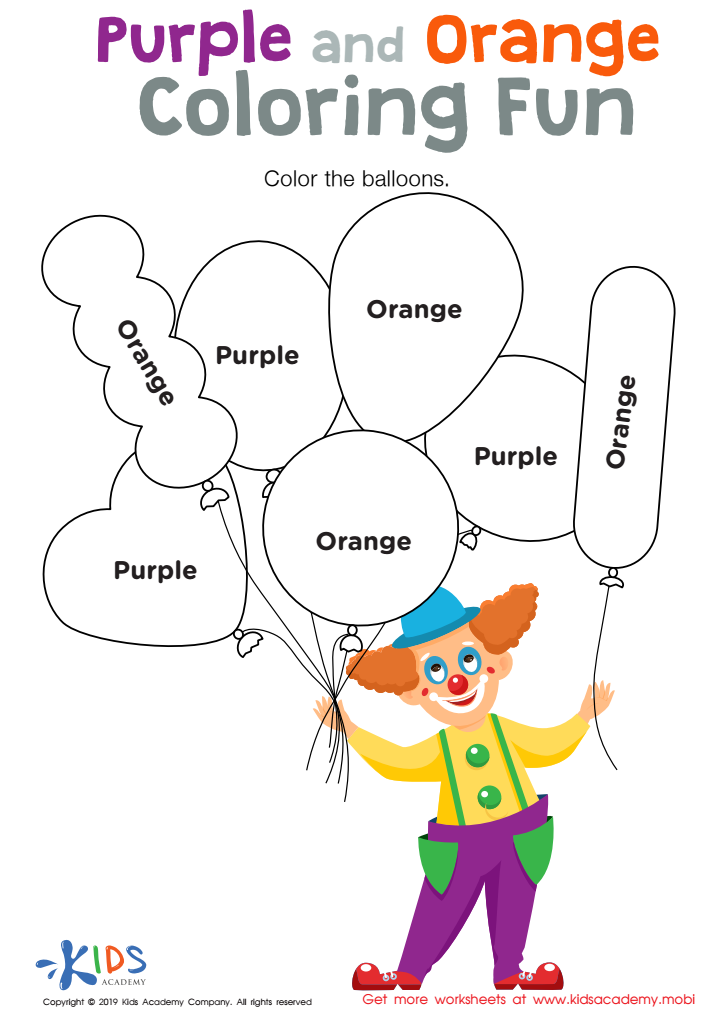
Purple and Orange Coloring Fun Worksheet
Assign to My Students
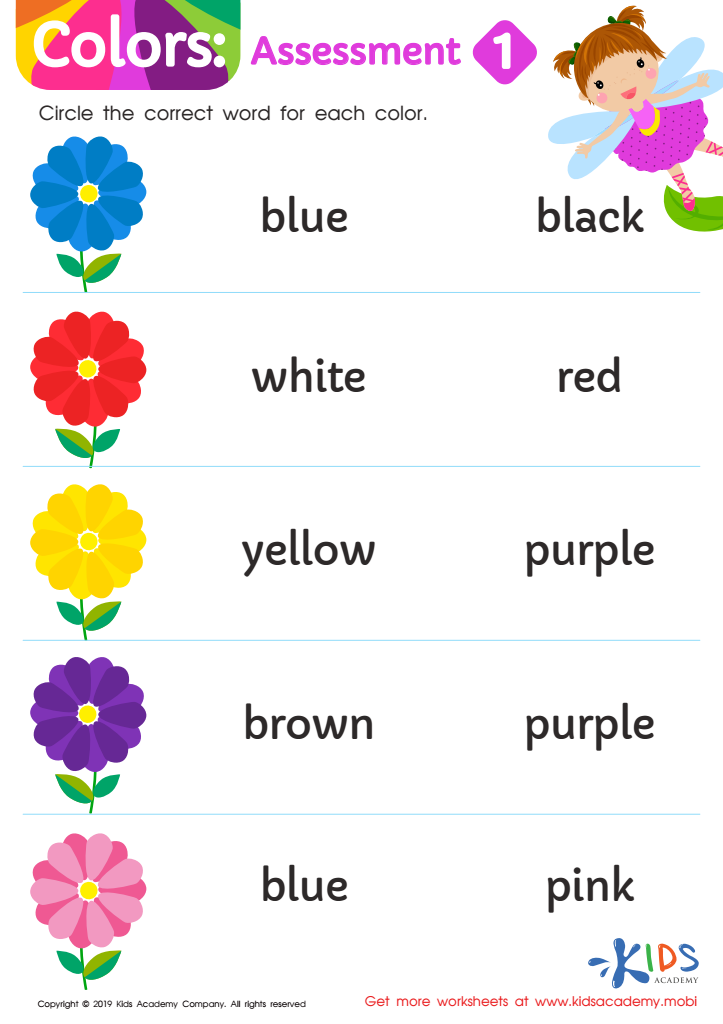
Colors: Assessment 1 Worksheet

The Wheels on the Bus Coloring Page
Assign to My Students

Hickory Dickory Dock Coloring Page
Assign to My Students
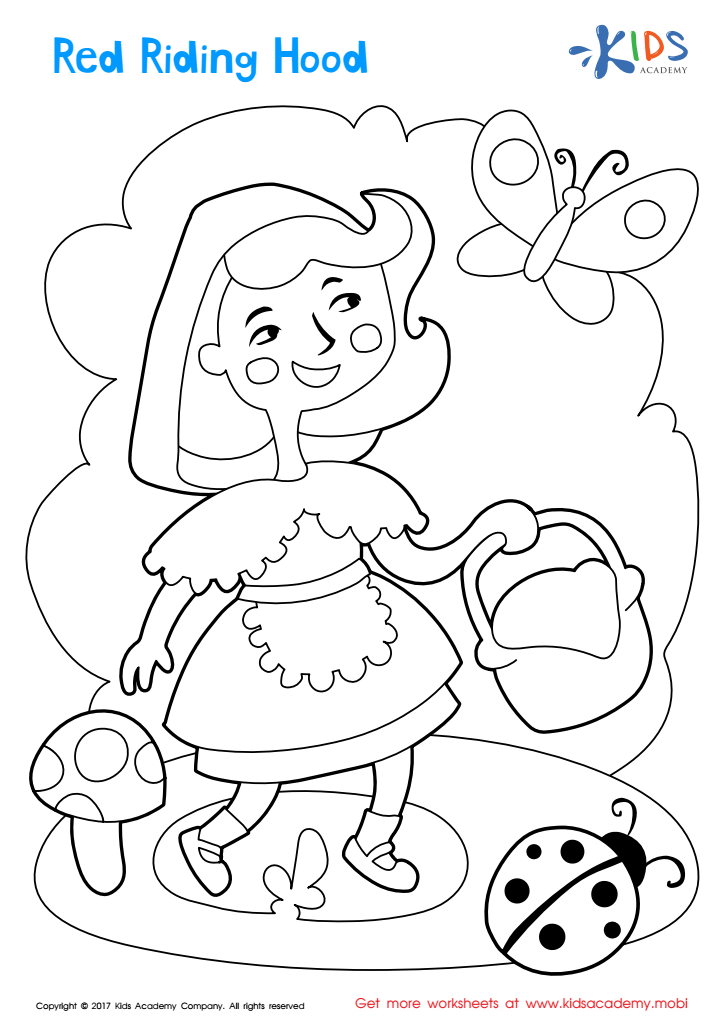
Red Riding Hood Coloring Page
Assign to My Students
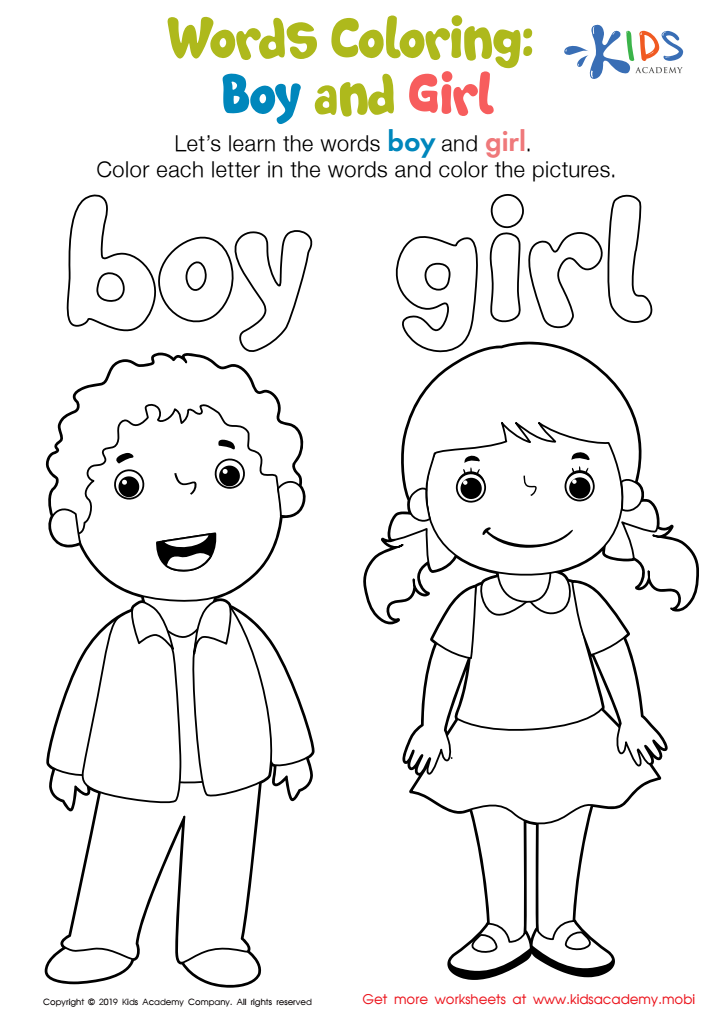
Boy and Girl Words Coloring Worksheet
Assign to My Students

Color the Pigs in the Yard Coloring Pages

Basketball Player Maze Worksheet
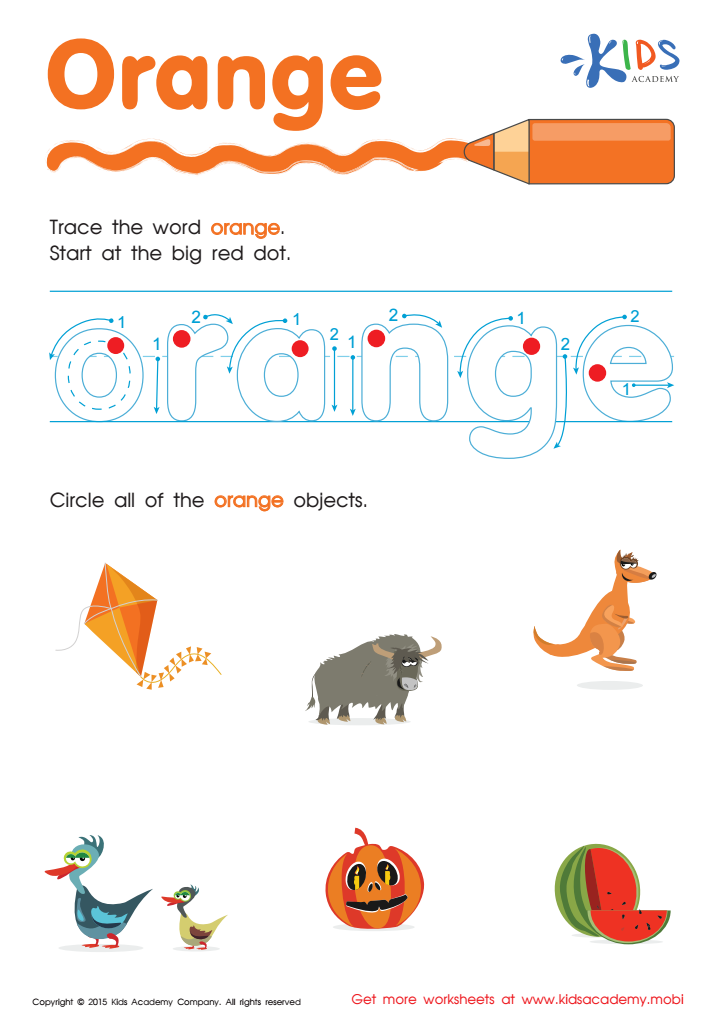
Orange Tracing Color Words Worksheet
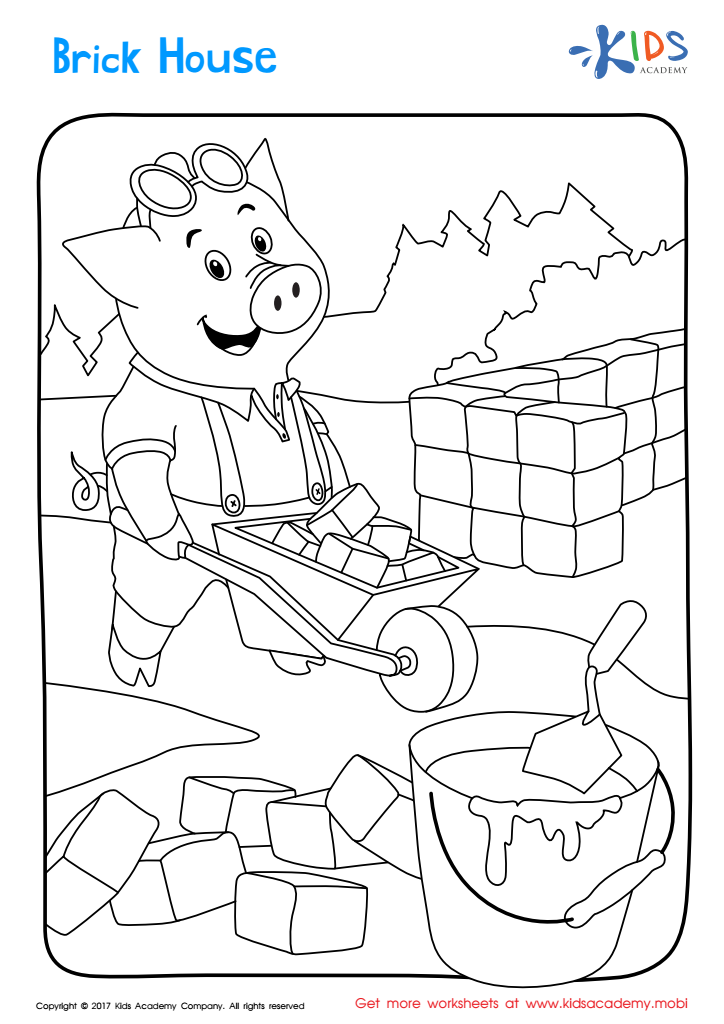
Brick House Printable Coloring Page
Assign to My Students
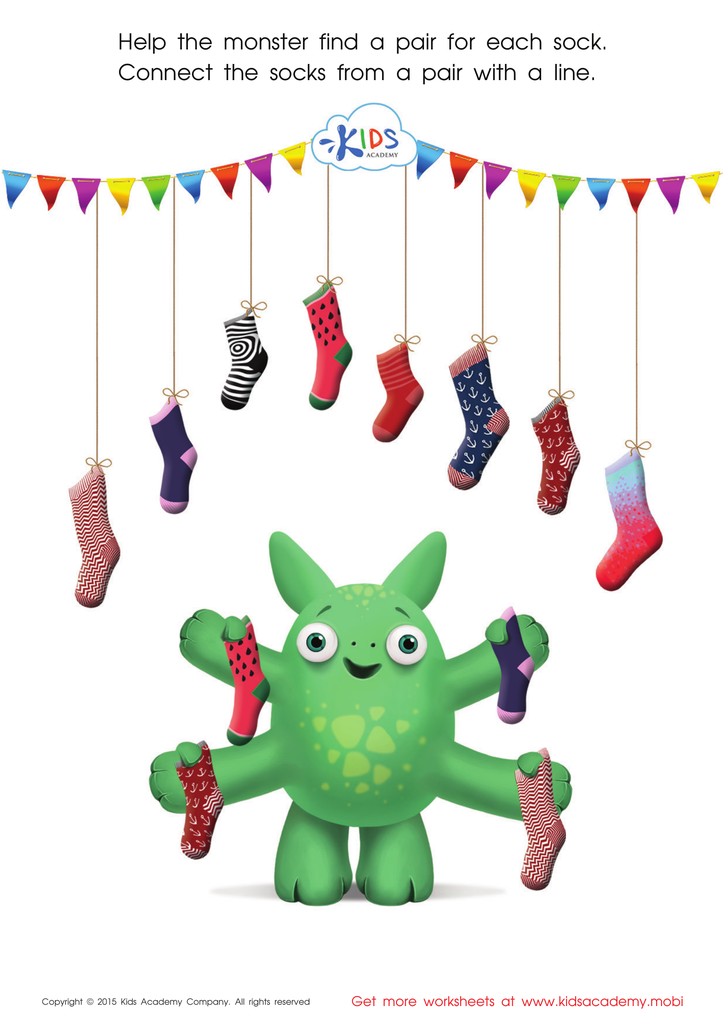
Math Matching Game: Monsterв's Socks Worksheet
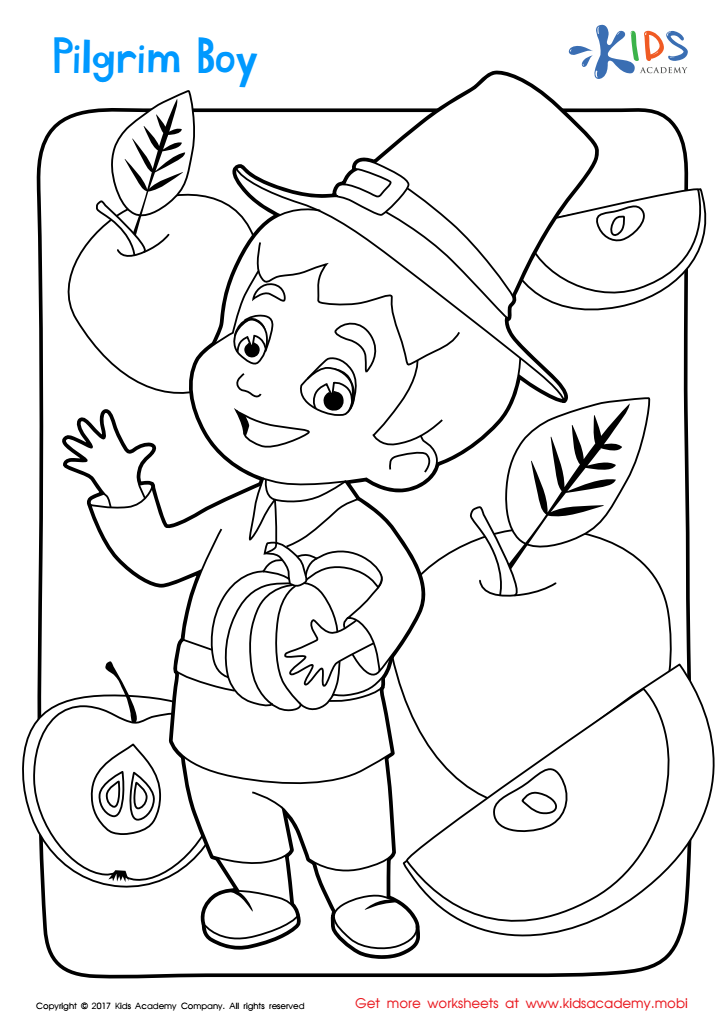
Pilgrim Boy Printable
Assign to My Students

Little Pilot Coloring Page
Assign to My Students

Little Chef Coloring Page
Assign to My Students
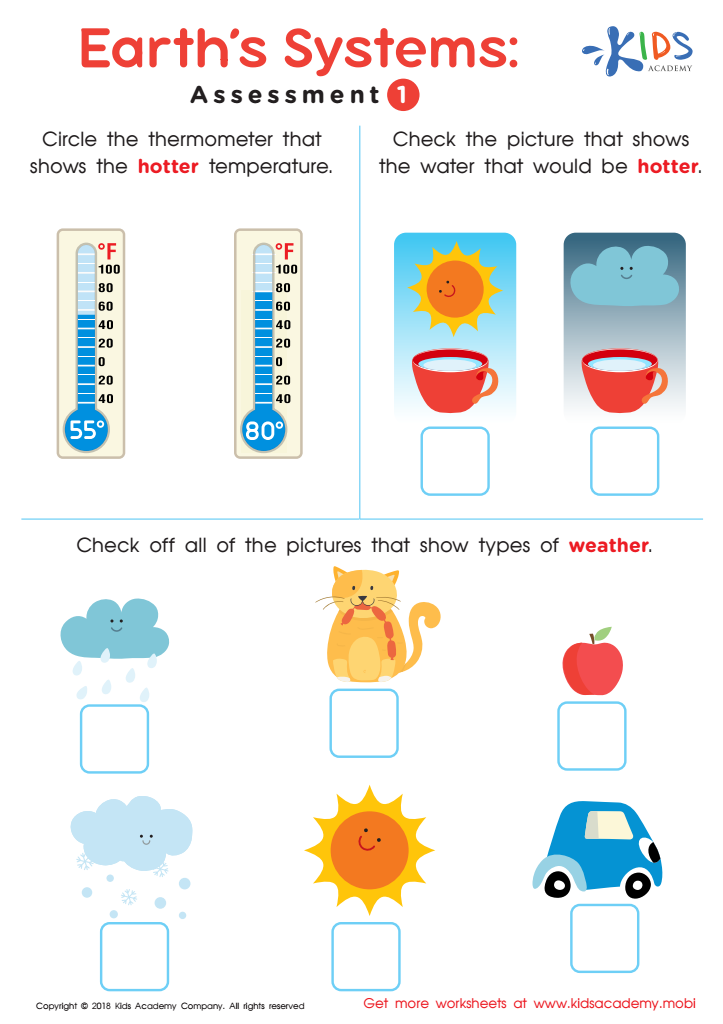
Earth's Systems: Assessment 1







.jpg)
Color recognition is an essential developmental milestone for children aged 4-5, and parents and teachers should prioritize it for several reasons. First, understanding colors enhances toddlers' cognitive skills. It fosters their ability to categorize and identify objects, which is pivotal for future learning. Recognizing colors can also support vocabulary development, as children learn to associate words with visuals, thereby enriching their language skills.
Moreover, color recognition plays a crucial role in nurturing a child’s creativity and artistic expression. When children can identify and name colors, they gain the confidence to explore new mediums, whether through drawing, painting, or crafting. This not only encourages creativity but also improves fine motor skills.
Socially and emotionally, games and activities focused on color recognition can promote cooperation, as children often engage in group settings to identify colors during play. This builds social skills and encourages teamwork.
Finally, understanding colors can increase a child's engagement in learning, making educational activities more enjoyable. When parents and teachers foster color recognition, they lay a strong foundation for academic success and holistic development, equipping children with critical tools for lifelong learning. Thus, prioritizing color recognition is a meaningful investment in a child’s growth and development.








