
Counting objects Worksheets for Ages 4-5
14 filtered results
Difficulty Level
Grade
Age
-
From - To
Subject
Activity
Standards
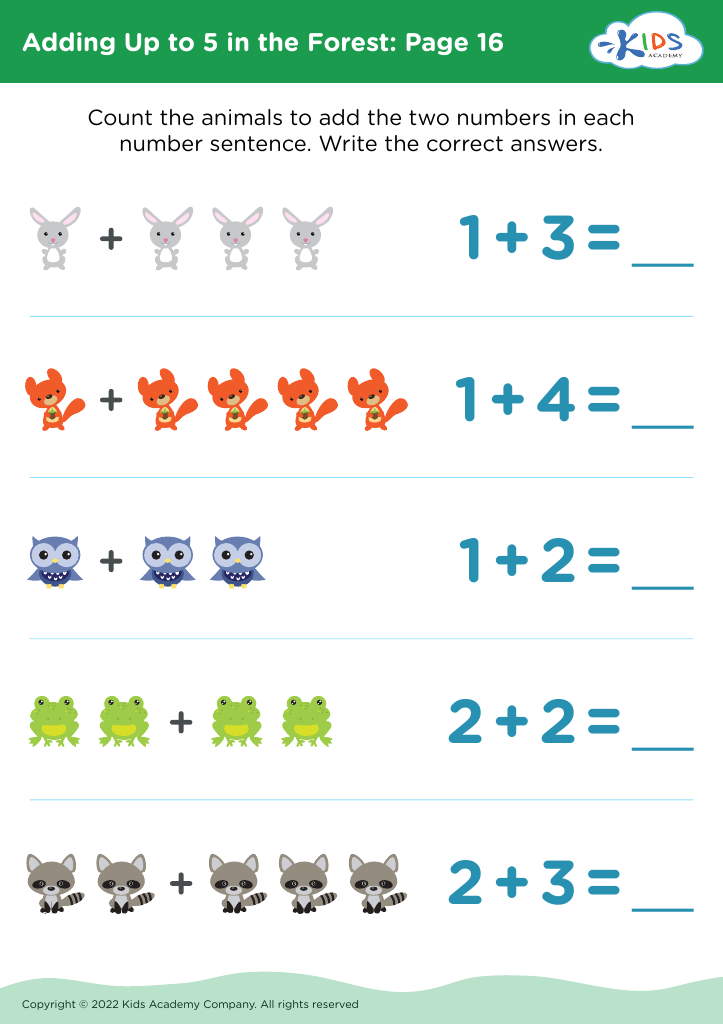
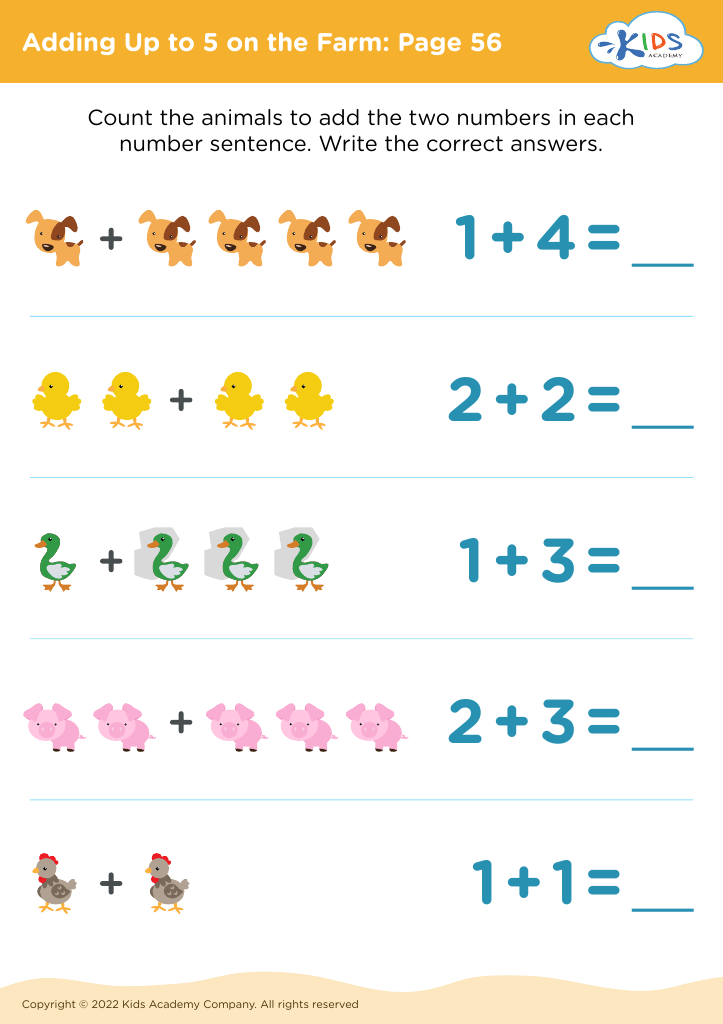
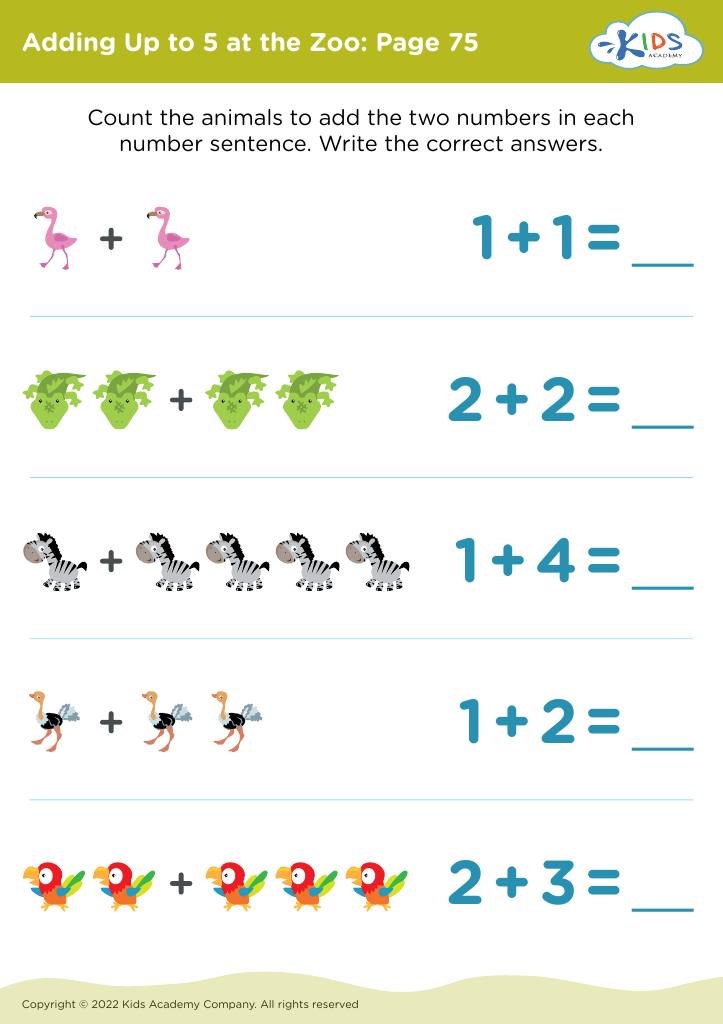
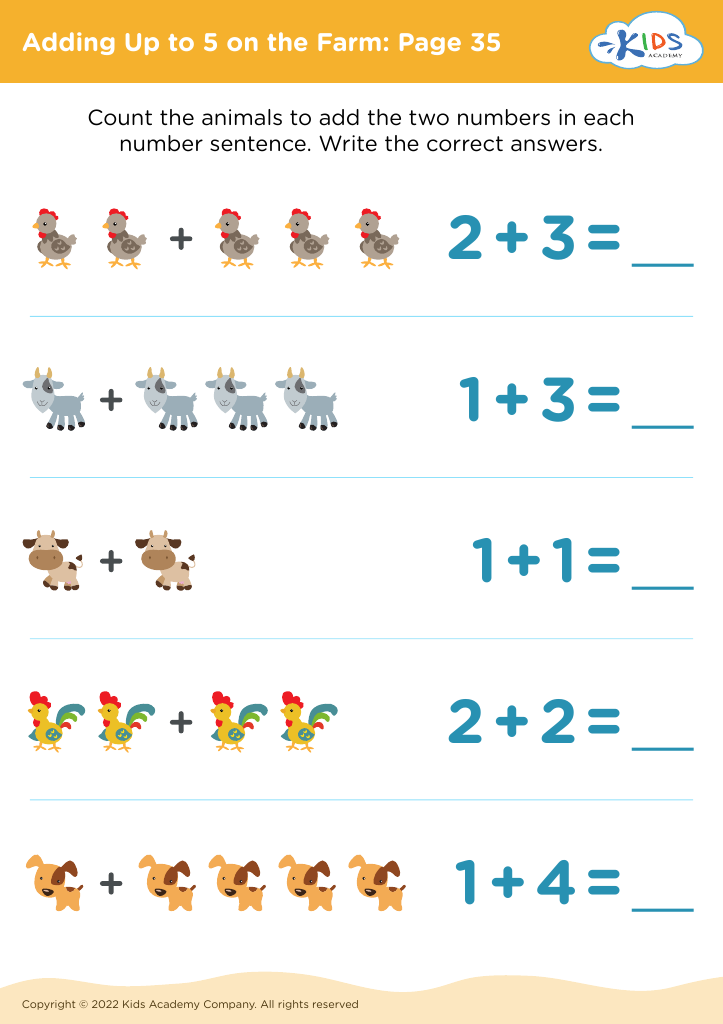
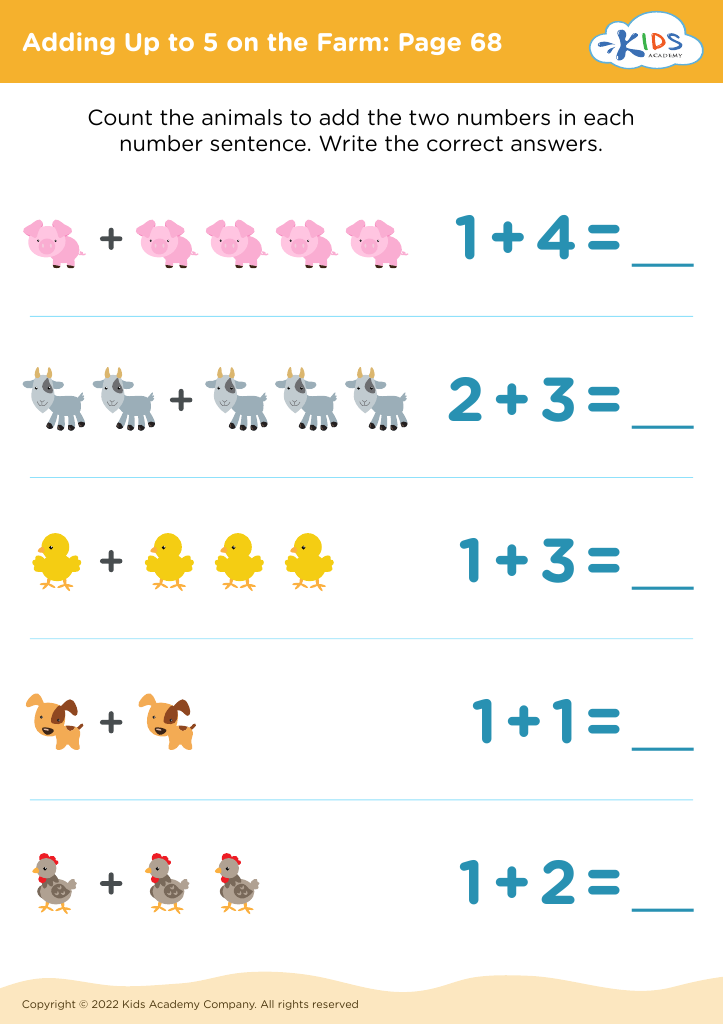
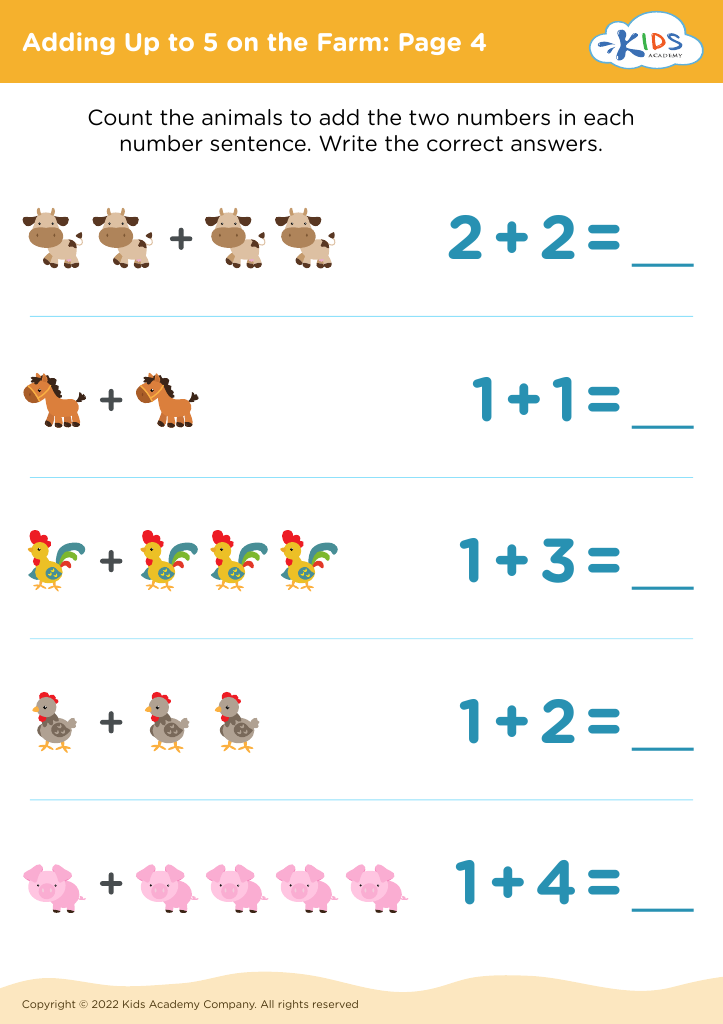
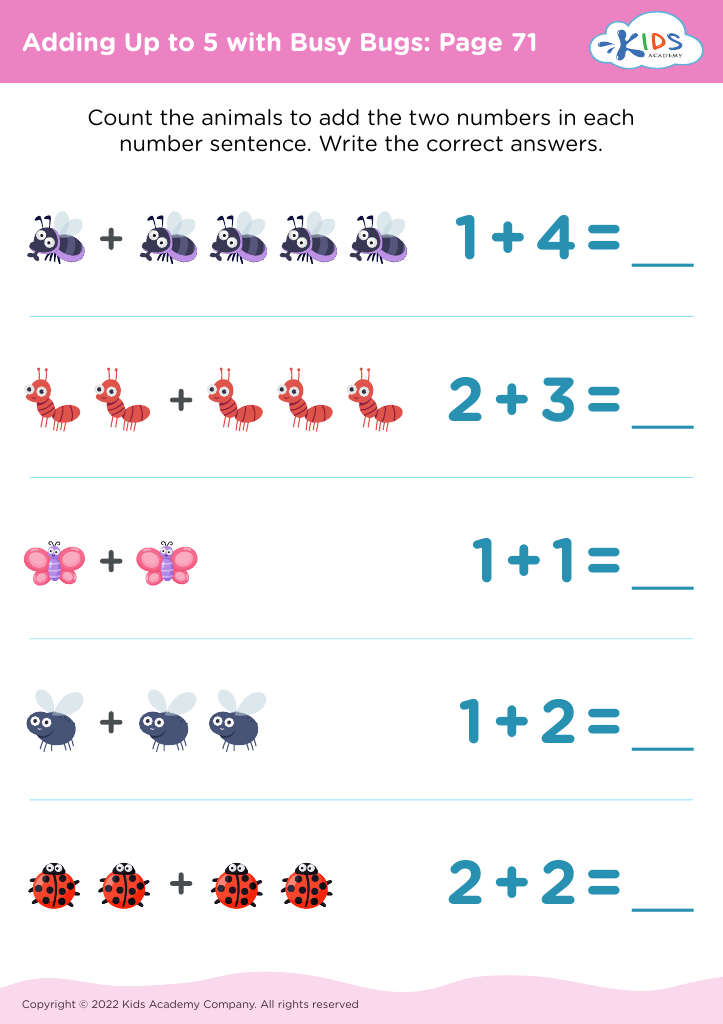
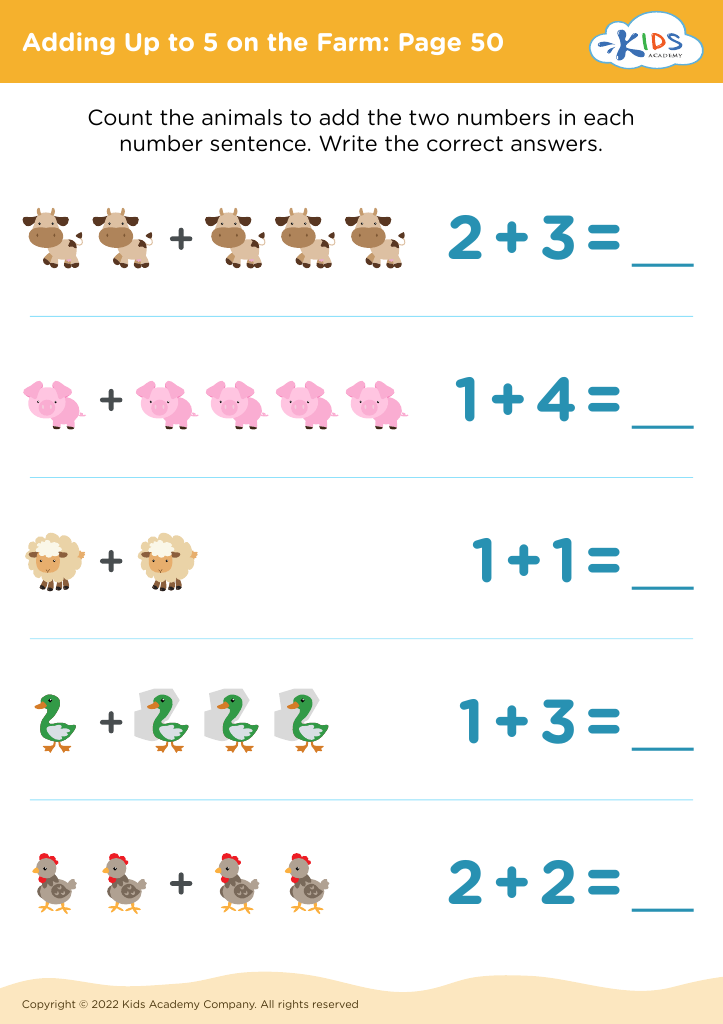
Welcome to our "Counting Objects Worksheets for Ages 4-5"! Perfect for young learners, these engaging worksheets aim to develop essential counting skills through fun and interactive activities. Designed for preschool and kindergarten children, our resources help kids identify and count everyday objects, fostering a solid number foundation. Each worksheet features vibrant images and simple instructions, making learning enjoyable and effective. As children practice counting, they enhance their cognitive abilities and fine motor skills. Explore our collection today and give your child the confidence they need in mathematics while they learn through play! Enjoy endless hours of counting fun!
Favorites
With answer key
Interactive
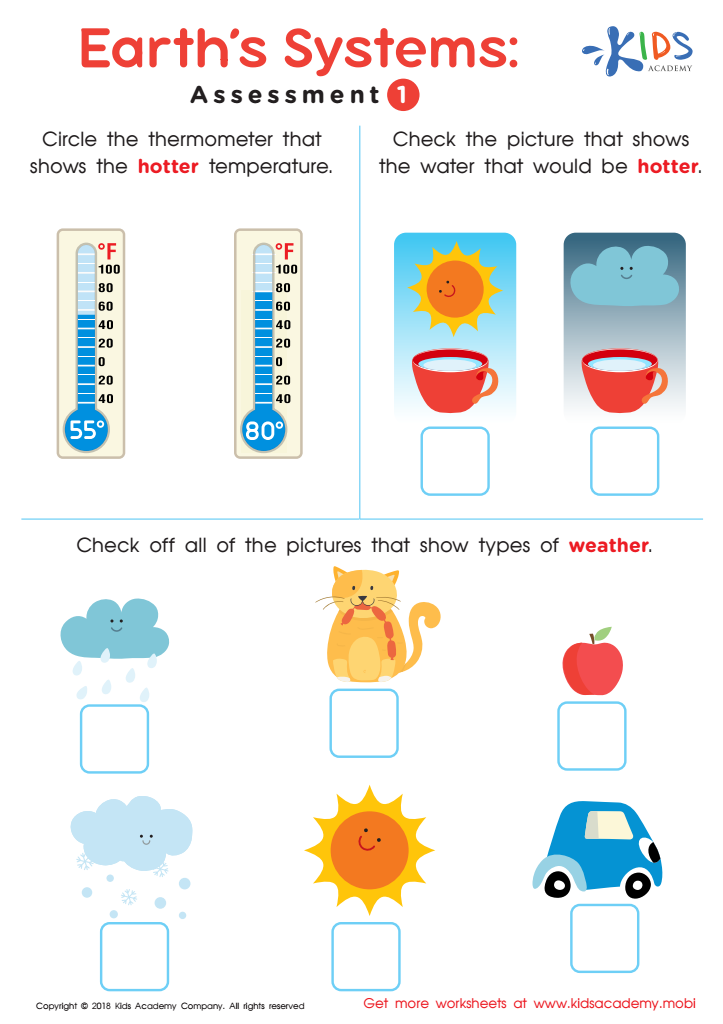
Earth's Systems: Assessment 1
Check your child's knowledge of weather basics with this quick printable worksheet! Using colorful pictures, instruct them to determine which thermometer shows a hotter reading and if water would be warmer in the sun or under clouds. Encourage kids to identify types of weather on the bottom of the page. Assess their readiness to move on!
 Assign to My Students
Earth's Systems: Assessment 1
Worksheet
Join Kids Academy for Free
Who is primarily going to use this learning content?


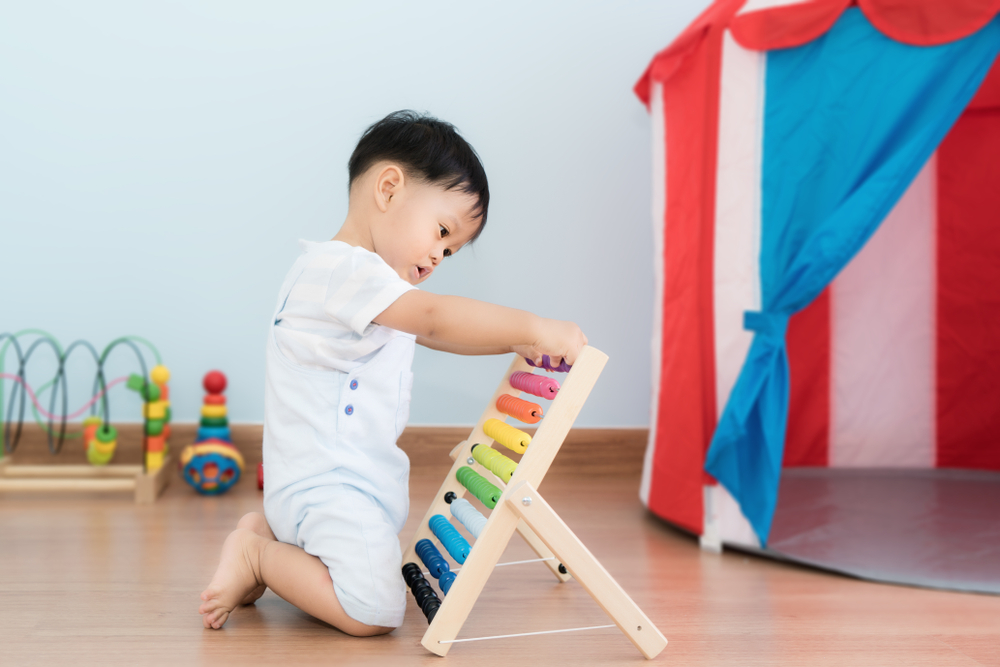




Counting objects is a foundational skill for children ages 4-5 that significantly impacts their early cognitive and numeracy development. At this age, children are naturally curious and eager to explore the world around them, and counting provides a structured way for them to engage with their environment.
Learning to count objects nurtures their mathematical understanding, helping them grasp the concept of quantity and relationships between numbers. This skill lays the groundwork for more advanced mathematical concepts, such as addition and subtraction, which they will encounter in later years.
Furthermore, counting encourages critical thinking and problem-solving. When children categorize objects and total them, they refine their analytical skills, enhancing their ability to think logically about other concepts they encounter.
Engaging in counting also promotes fine motor skills, as children manipulate objects, improving their hand-eye coordination. In addition, it provides opportunities for language development as they learn to verbalize numbers and quantities.
Overall, parents and teachers should be invested in nurturing a child's counting abilities, as it fosters independence, curiosity, and a positive attitude toward learning, all of which are essential for future academic success. Frequent counting activities can transform everyday situations into valuable educational experiences.








