Creativity stimulation Worksheets for Ages 4-5
17 filtered results
-
From - To
Enhance your child's imaginative journey with our Creativity Stimulation Worksheets for ages 4-5! Designed to spark creativity and critical thinking, these engaging printables encourage young learners to explore colors, shapes, and various artistic concepts through fun activities. From doodling to interactive storytelling, each worksheet fosters self-expression while developing essential skills such as fine motor coordination and cognitive awareness. Ideal for both home and classroom settings, our playful resources nurture a love for creativity, helping little ones discover their artistic talents. Download our worksheets today and watch your child's imagination soar as they embark on exciting educational adventures!
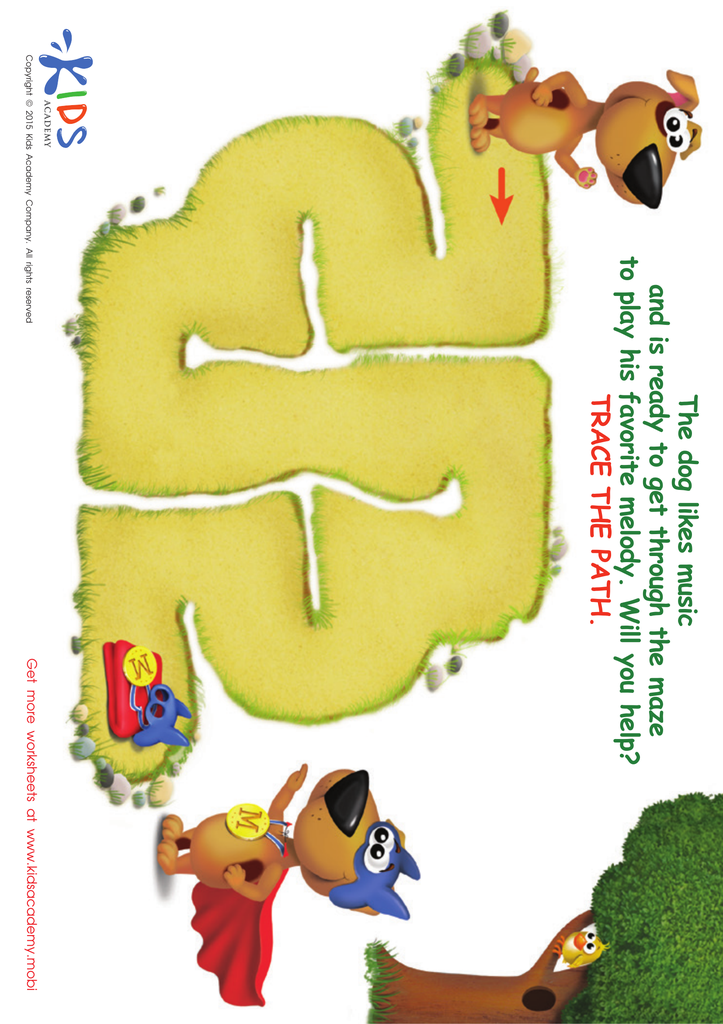
Superman Maze Worksheet
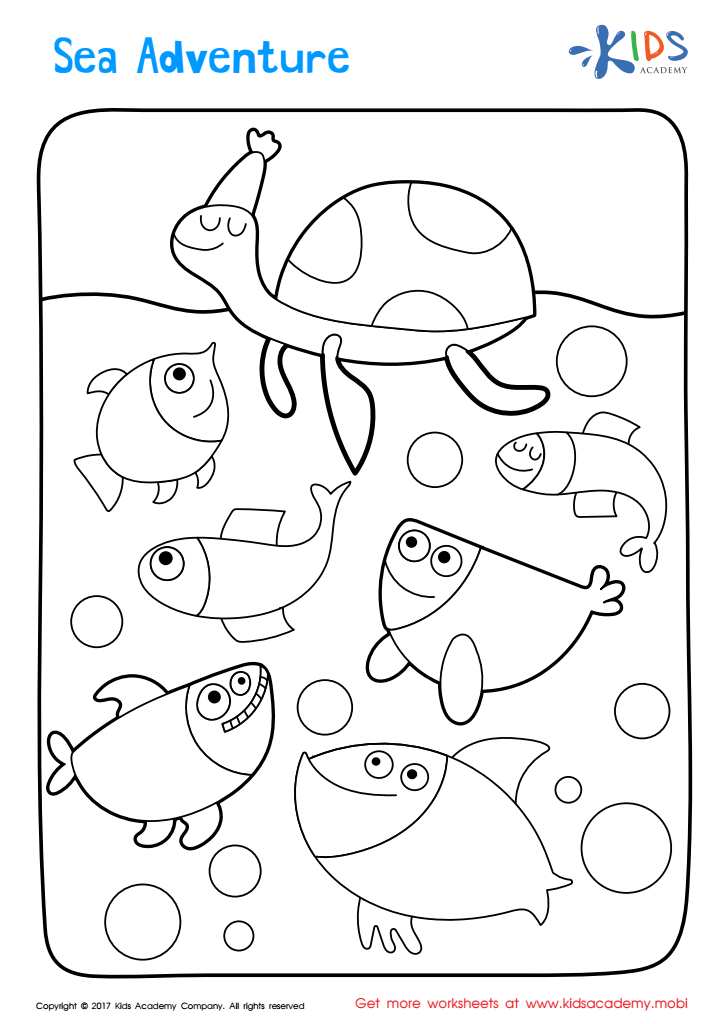
Sea Adventure Coloring Page
 Assign to My Students
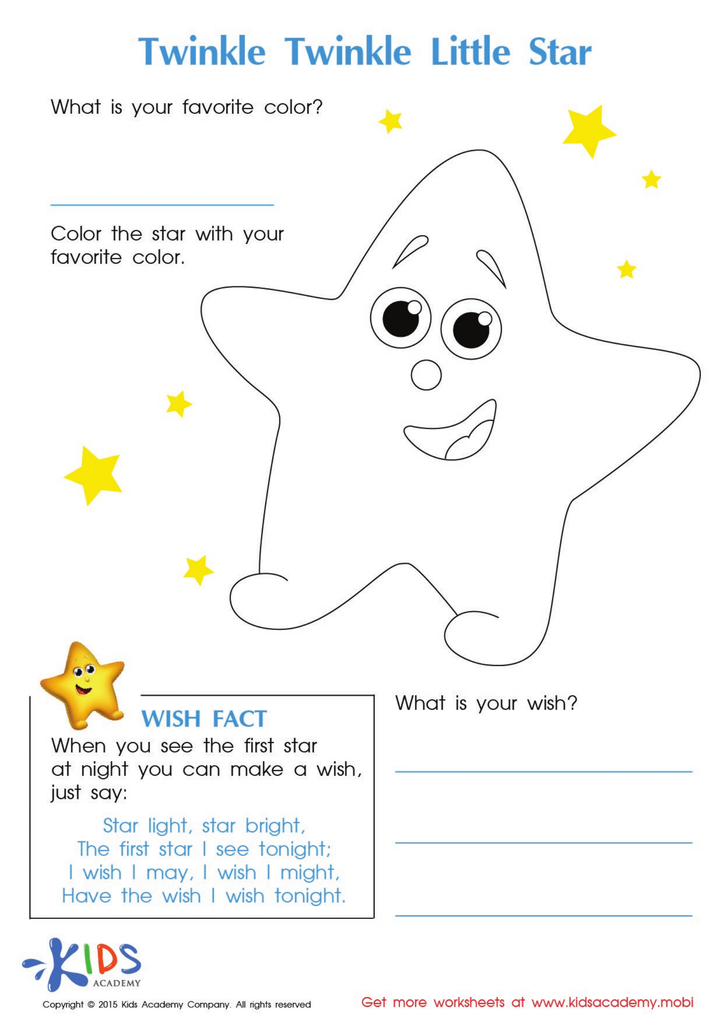
Twinkle Little Star Coloring Worksheet
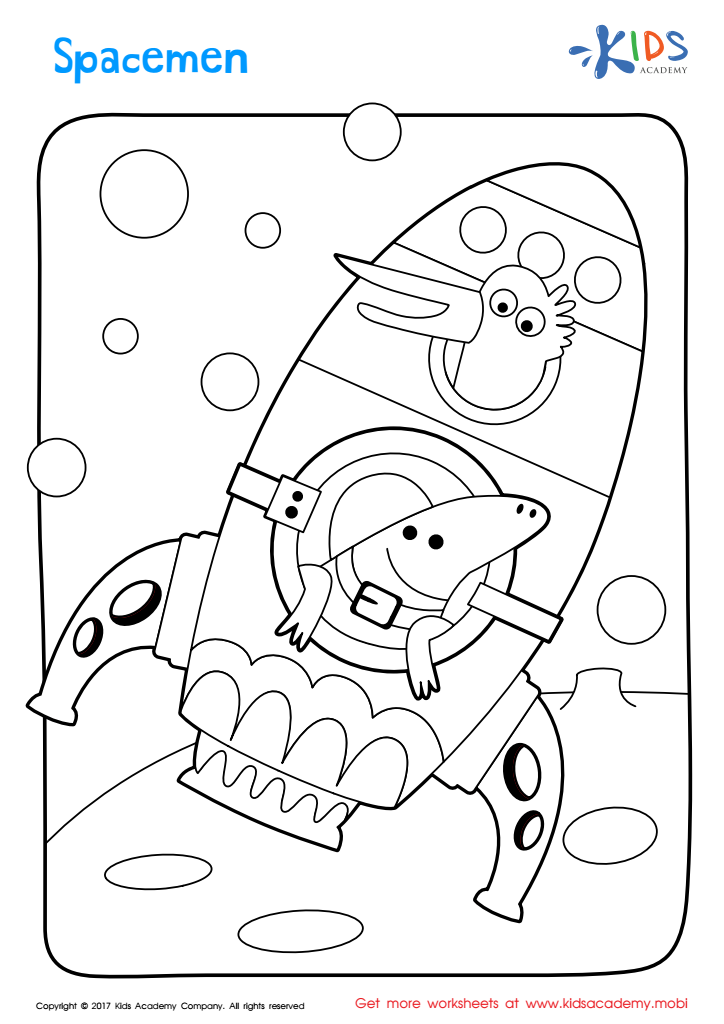
Spacemen Coloring Page
Assign to My Students
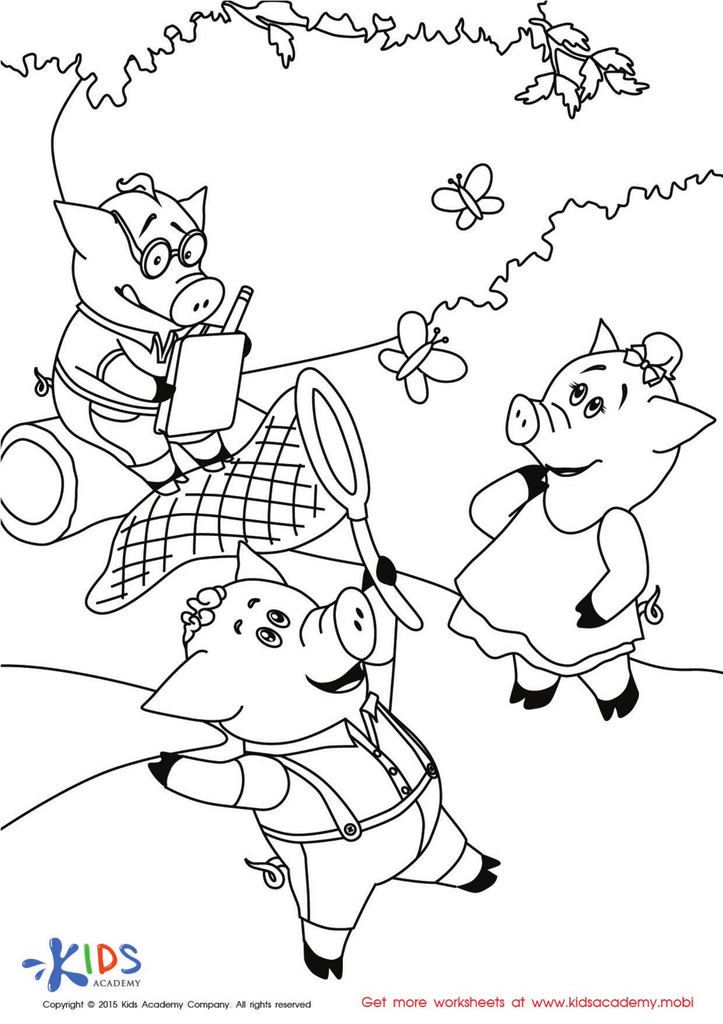
The Three Little Pigs Coloring Worksheet
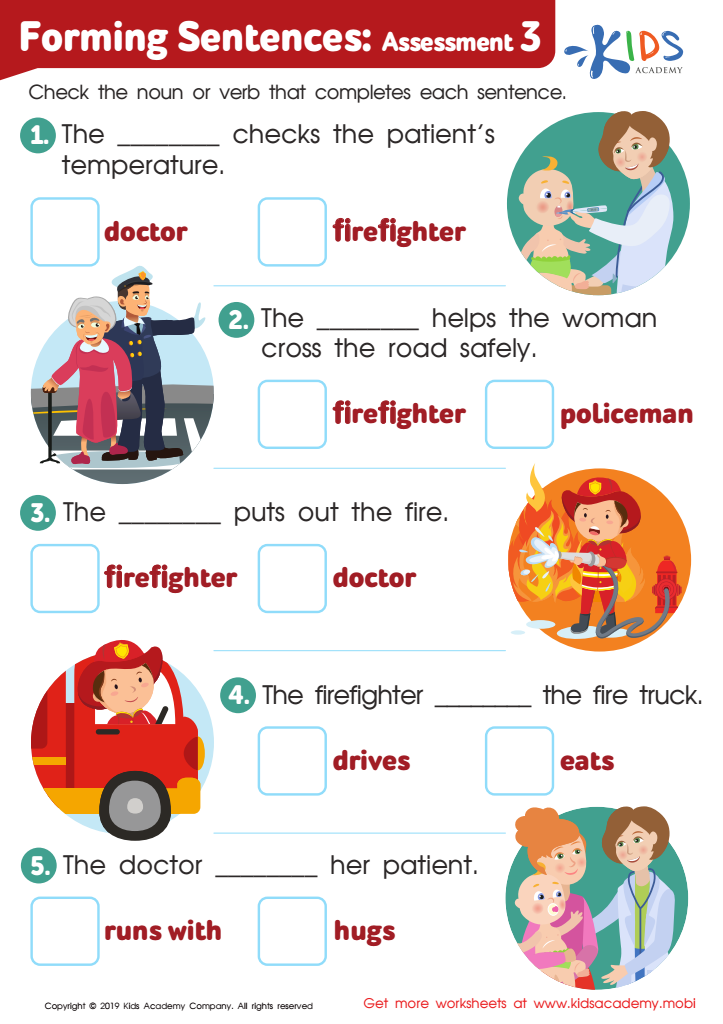
Forming Sentences: Assessment 3 Worksheet
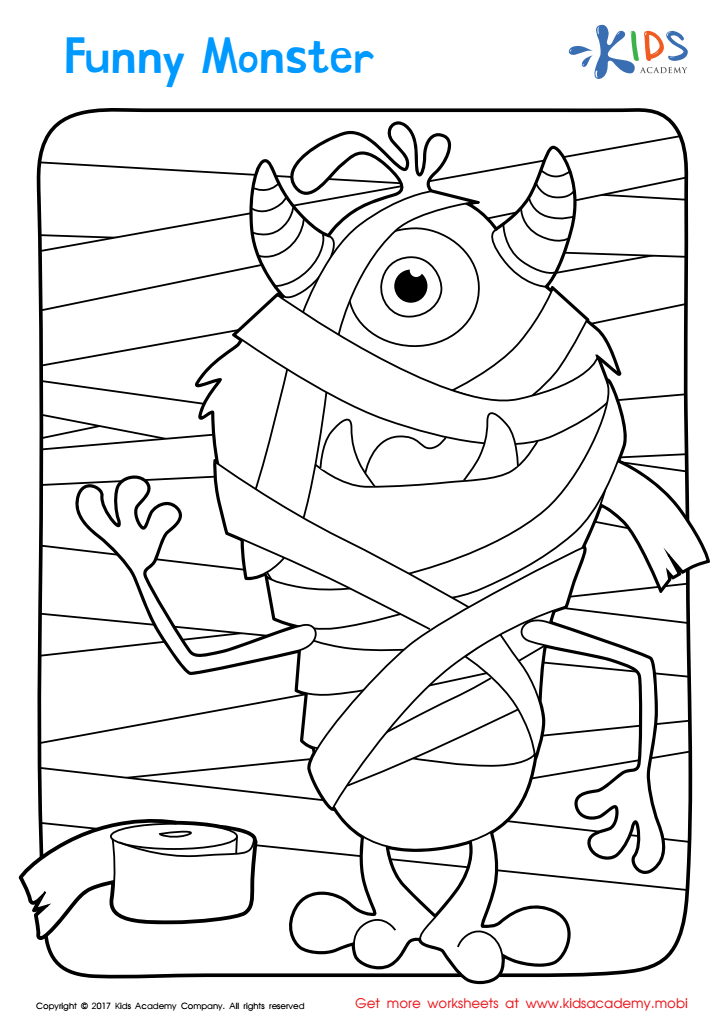
Halloween: A Funny Monster Worksheet
Assign to My Students
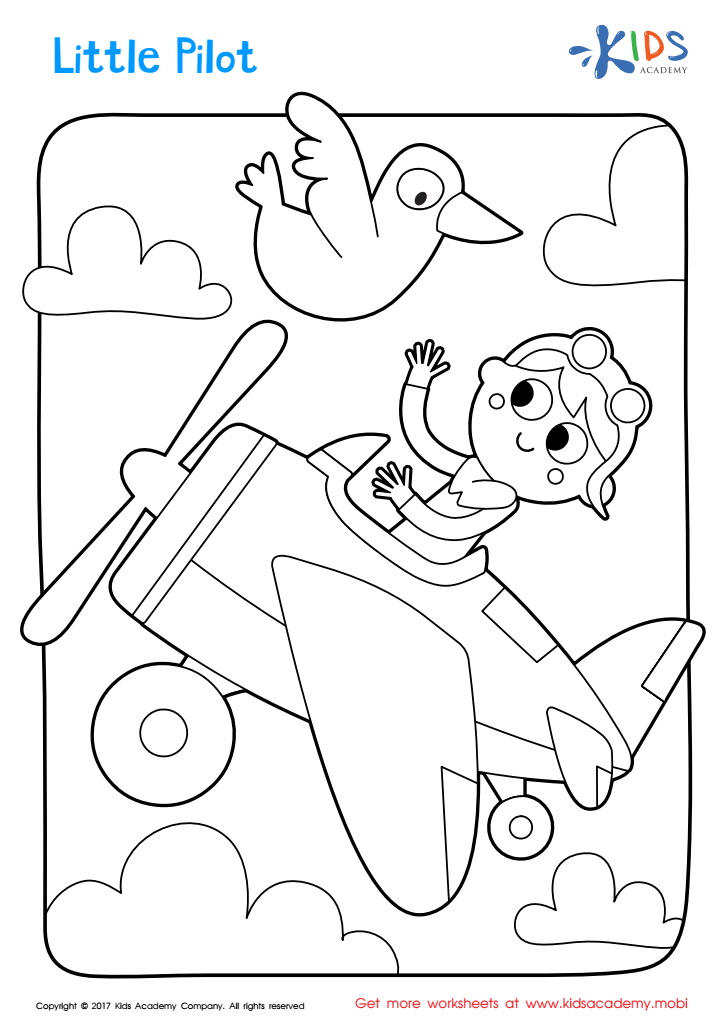
Little Pilot Coloring Page
Assign to My Students
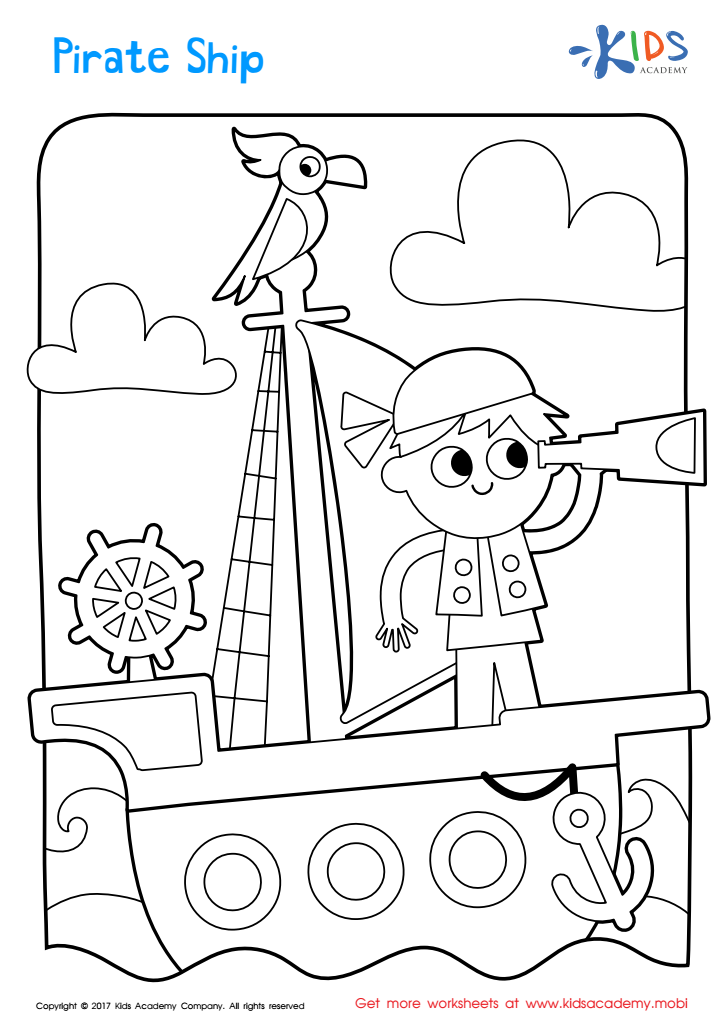
Pirate Ship Coloring Page
Assign to My Students
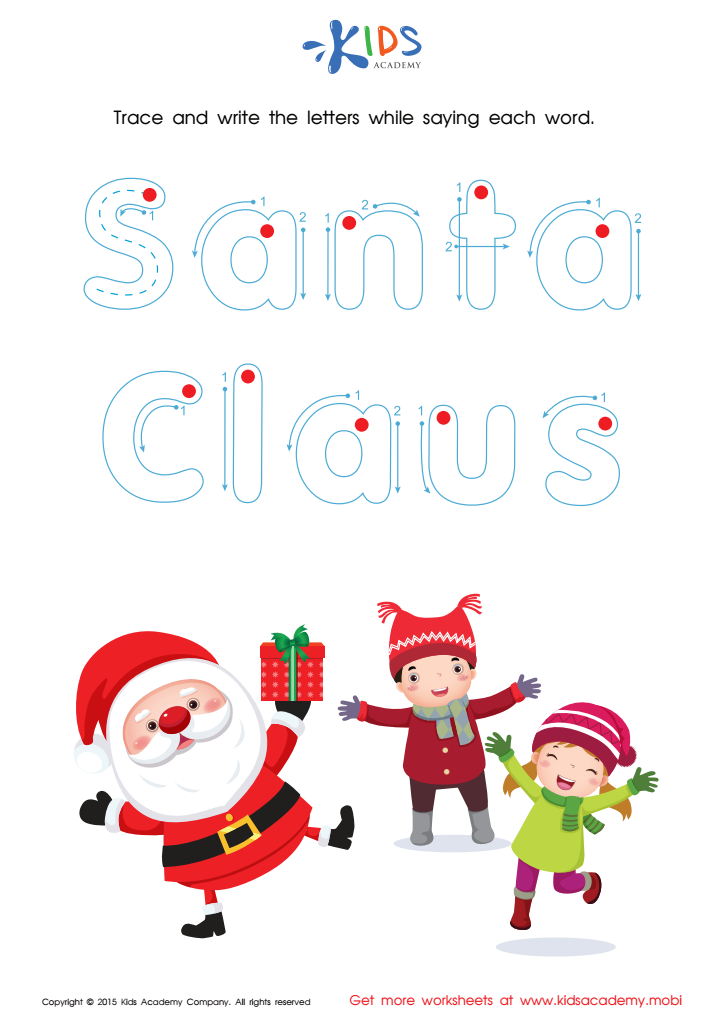
Santa Claus Tracing Winter Words Worksheet
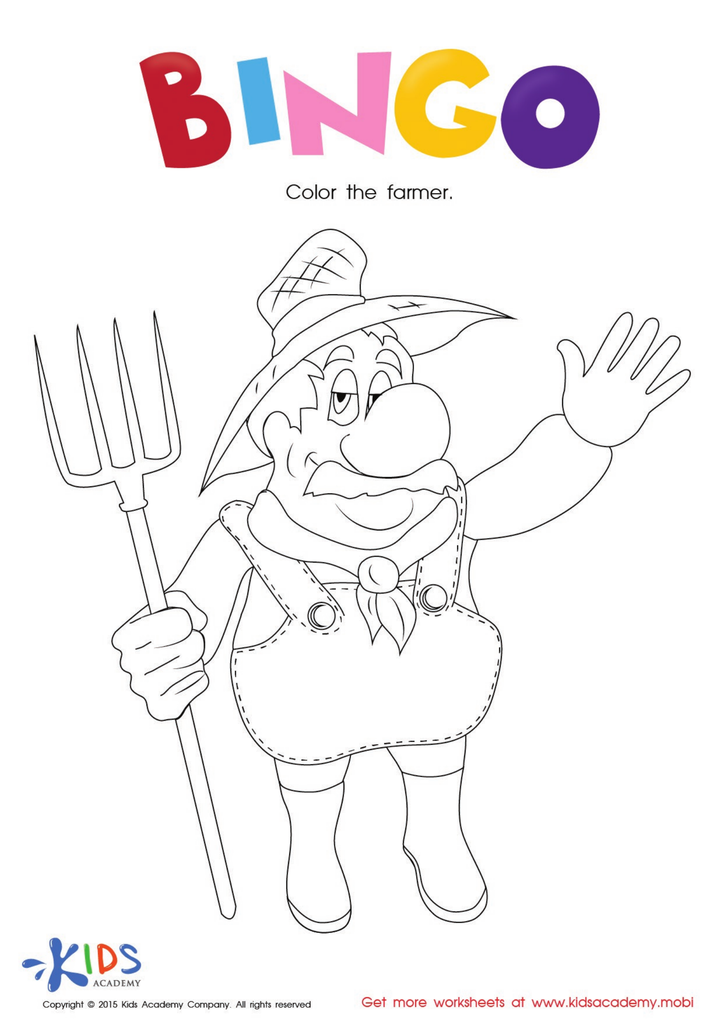
The Bingo Song: Coloring The Farmer Worksheet
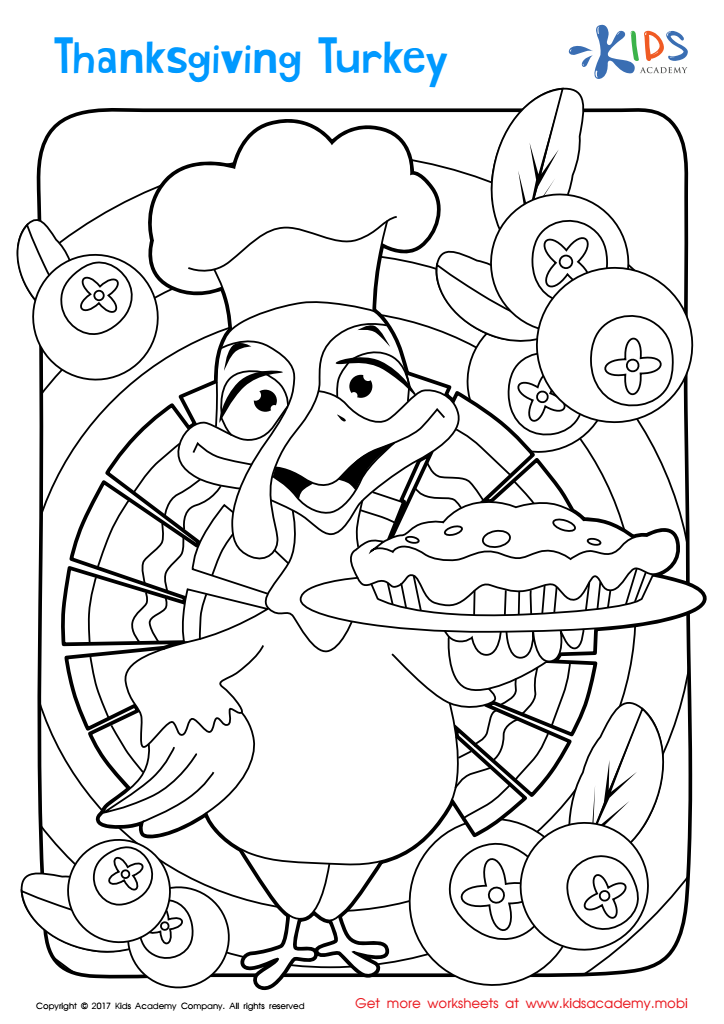
Turkey Thanksgiving Day Worksheet
Assign to My Students
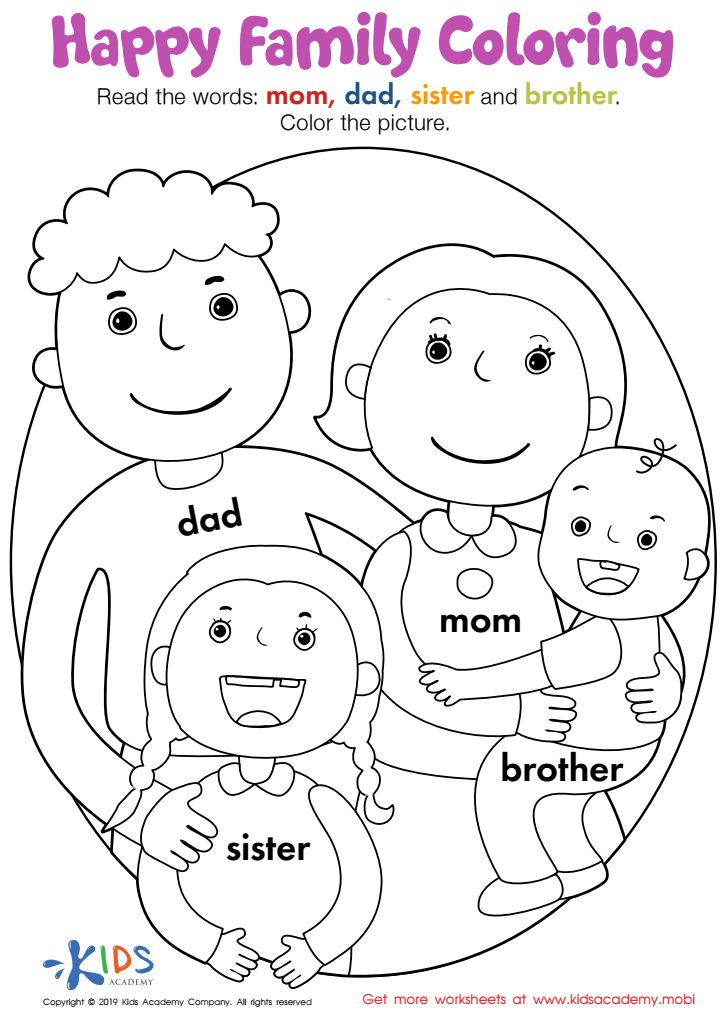
Happy Family Coloring Worksheet
Assign to My Students
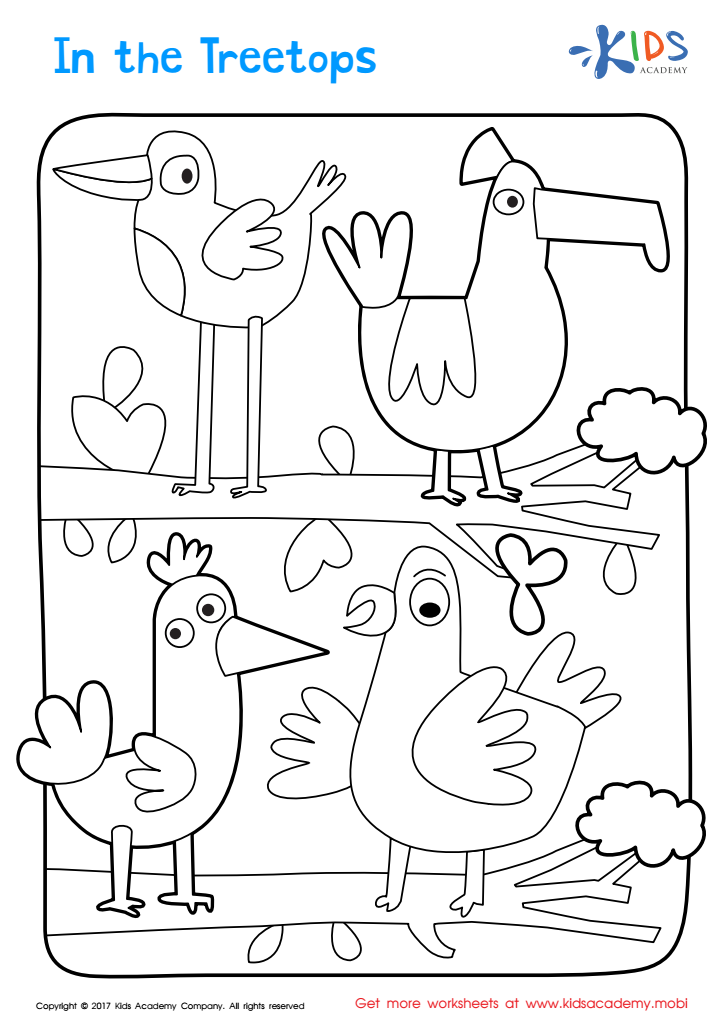
In the Treetops Coloring Page
Assign to My Students
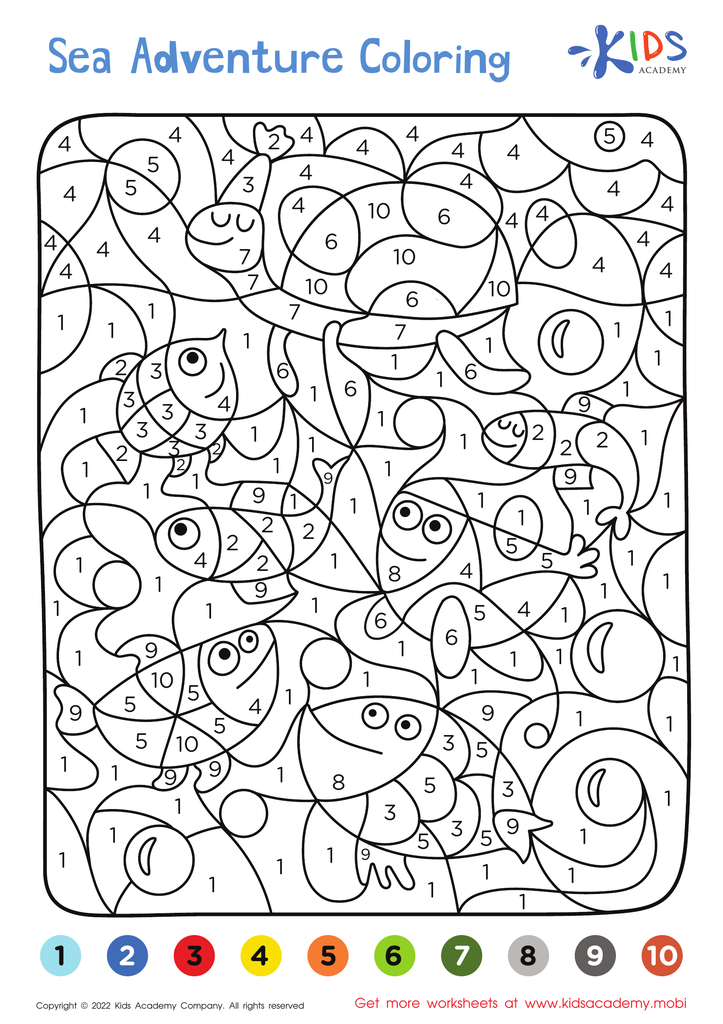
Sea Adventure – Coloring by Numbers








Creativity stimulation for children aged 4-5 is crucial for their overall development, as it fosters critical skills that lay the foundation for lifelong learning and problem-solving abilities. At this age, children's brains are developing rapidly, and engaging them in creative activities—such as art, music, and imaginative play—can significantly enhance cognitive growth. Creativity encourages children to think outside the box, promotes flexibility in thinking, and improves their ability to adapt to new situations.
Additionally, stimulating creativity helps cultivate emotional and social skills; through collaborative activities, children learn to express themselves, understand emotions, and develop empathy. They enhance their communication skills by articulating their ideas and sharing their thoughts with peers. Creativity also plays a vital role in building confidence and self-esteem. When children are encouraged to explore and experiment without fear of failure, they gain assurance in their abilities.
For parents and teachers, stimulating creativity means providing environments rich in opportunity, where children can explore, express, and innovate. This approach not only nurtures individual talents but also prepares children for the complexities of future academic and life challenges. Prioritizing creativity in early education makes for more engaged, enthusiastic, and adaptable learners, which benefits them greatly in the long run.








