Fraction comparison Worksheets for Ages 4-5
8 filtered results
-
From - To
Discover engaging and educational fraction comparison worksheets designed specifically for children aged 4-5. Our fun and interactive resources help young learners develop essential mathematical skills by comparing simple fractions. Through colorful illustrations and age-appropriate activities, children will grasp key concepts such as greater than, less than, and equal to. The worksheets encourage critical thinking, reinforce visual recognition of fractions, and promote early number sense. Perfect for homeschooling or classroom use, these worksheets make learning math enjoyable for toddlers. Equip your little learners with the foundational tools they need to succeed in their future math endeavors! Start exploring today!
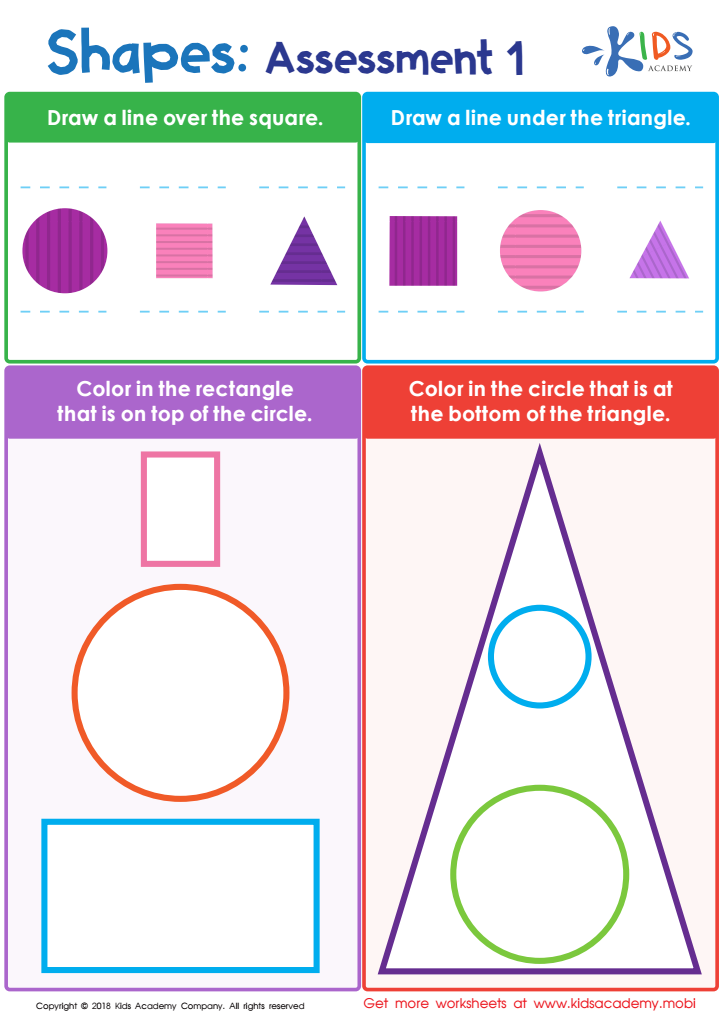
Shapes: Assessment 1 Worksheet
 Assign to My Students
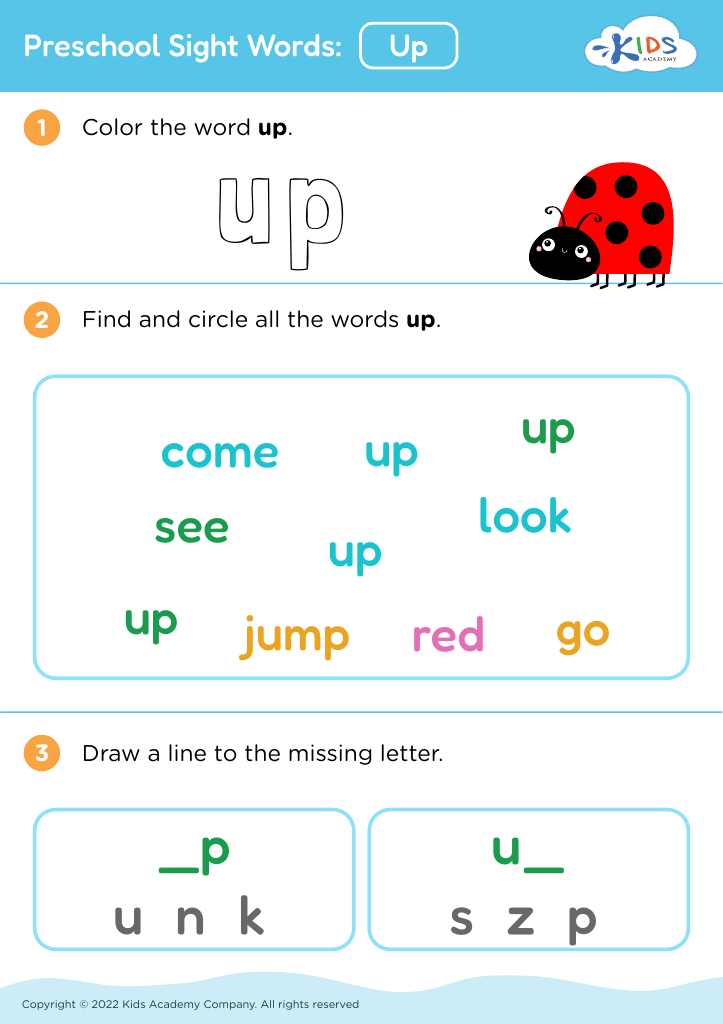
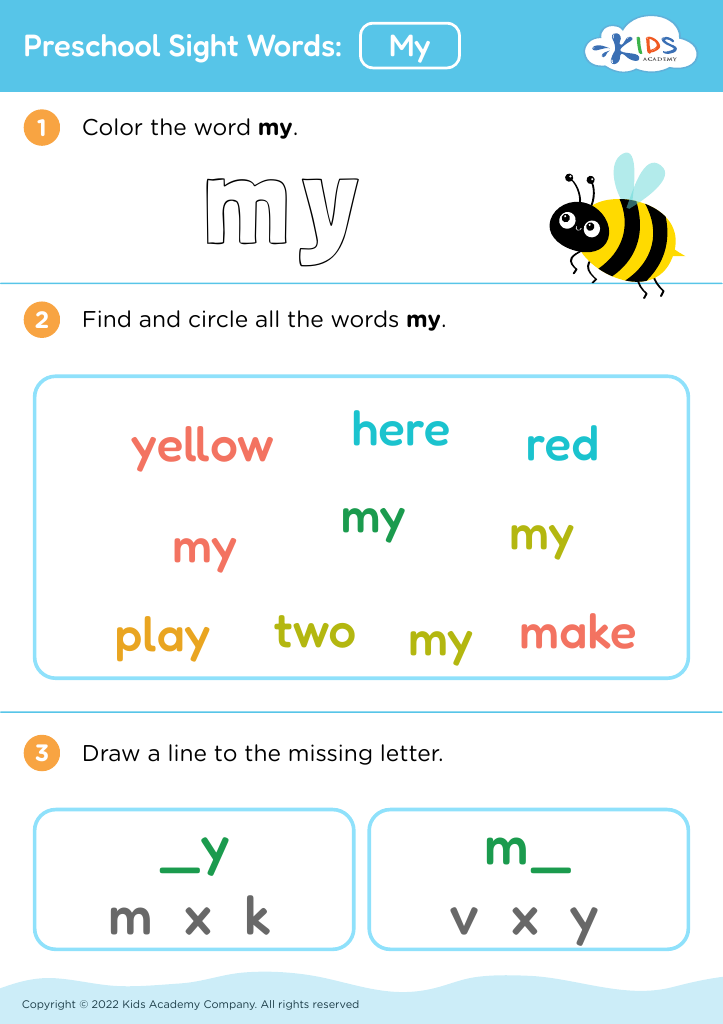
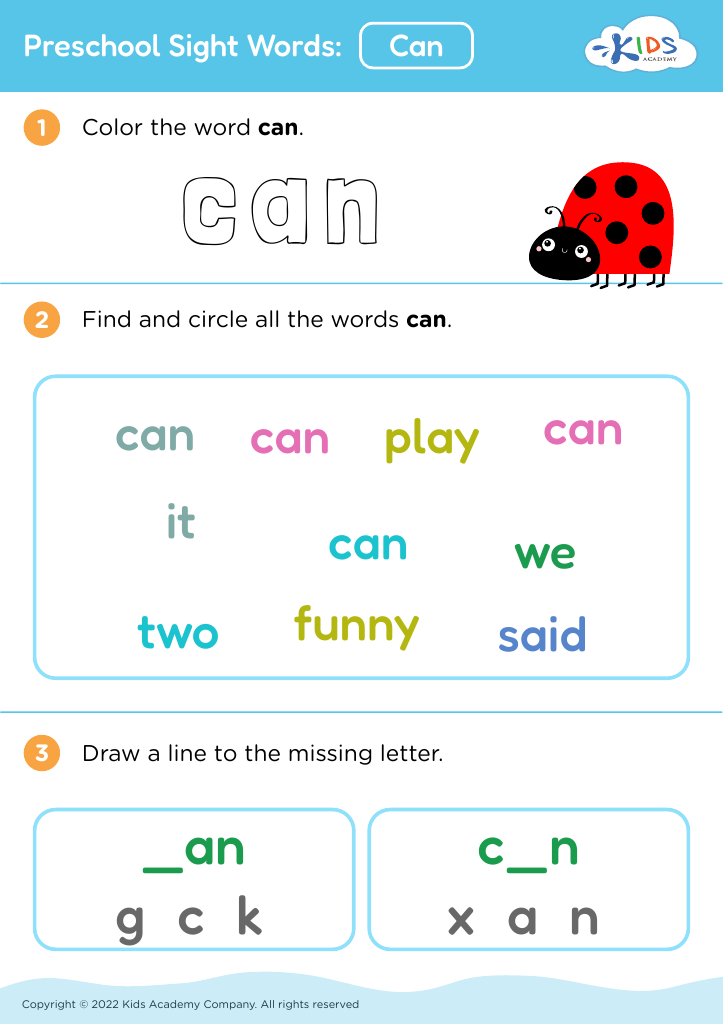








Understanding fraction comparison is vital for young learners, as it lays the foundation for critical mathematical skills they will use throughout their education. For children aged 4-5, mastering these concepts fosters not only numerical comprehension but also cognitive development. Start with simple concepts: recognizing that fractions represent parts of a whole engages their reasoning abilities and introduces them to foundational mathematical vocabulary like 'half', 'quarter', and 'whole'.
For parents and teachers, focusing on fraction comparison at this early age can enhance problem-solving skills and logical thinking. Activities can include comparing portions of food, dividing toys, or using visual aids such as pie charts or circles to make fractions tangible. When children understand that some parts are larger or smaller, they build essential skills in estimation and quantitative reasoning.
Moreover, these concepts echo across various subjects beyond math, including science and art, since they involve shapes, patterns, and relationships. By integrating fraction comparison into everyday learning, parents and teachers can help children develop a enjoy learning while building confidence in their abilities, setting a positive trajectory for future academic success. Subsequently, fostering these early mathematical skillsets could ignite a lifelong interest in learning and exploration.








