Improving analytical skills Worksheets for Ages 4-5
4 filtered results
-
From - To
Enhance your child's analytical skills with our engaging worksheets designed for ages 4-5. These thoughtfully crafted activities promote critical thinking and problem-solving abilities, laying the groundwork for future learning. Each worksheet combines fun activities, such as puzzles, pattern recognition, and simple reasoning tasks, to captivate young minds. As children navigate through these exercises, they develop a stronger foundation in logic and analytical thought, essential for academic success. Ideal for home or classroom use, our worksheets encourage independent learning while keeping students entertained. Explore our collection today and support your child's cognitive growth in a playful, enjoyable way!
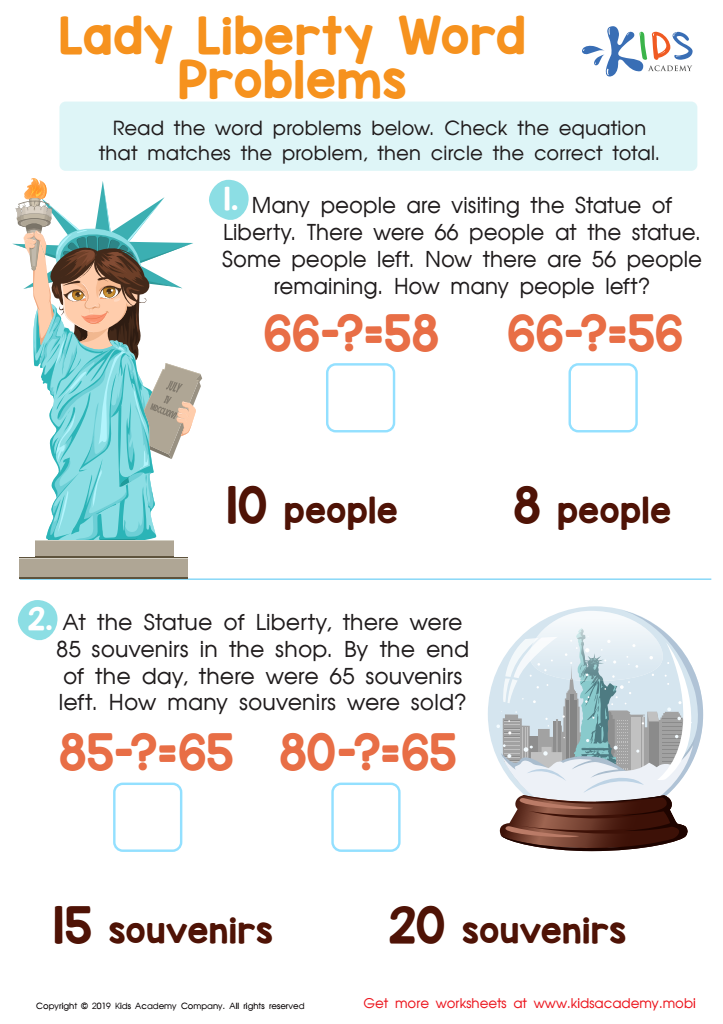
Lady Liberty Worksheet
 Assign to My Students
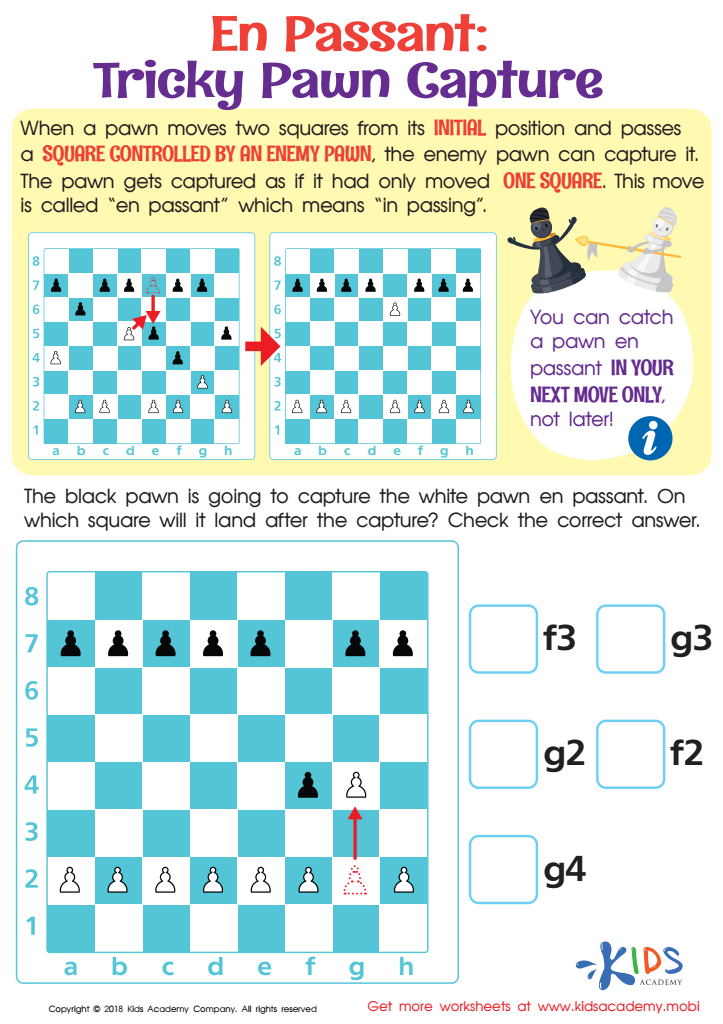
En Passant: Tricky Pawn Capture Worksheet
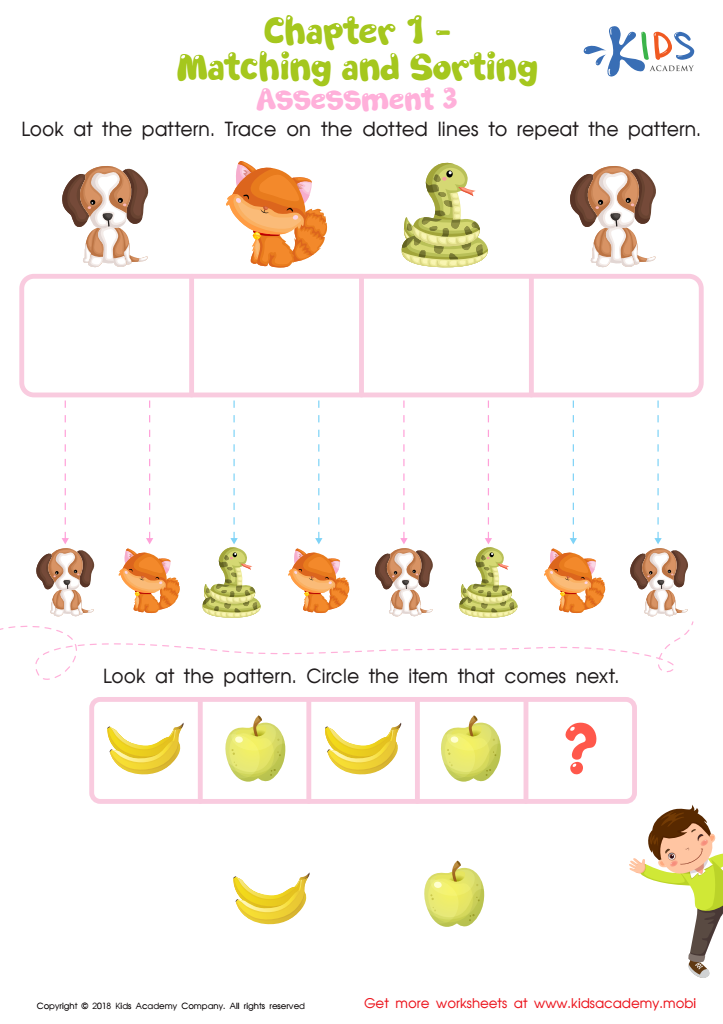
Matching and Sorting for Preschool: Assessment 3 Worksheet
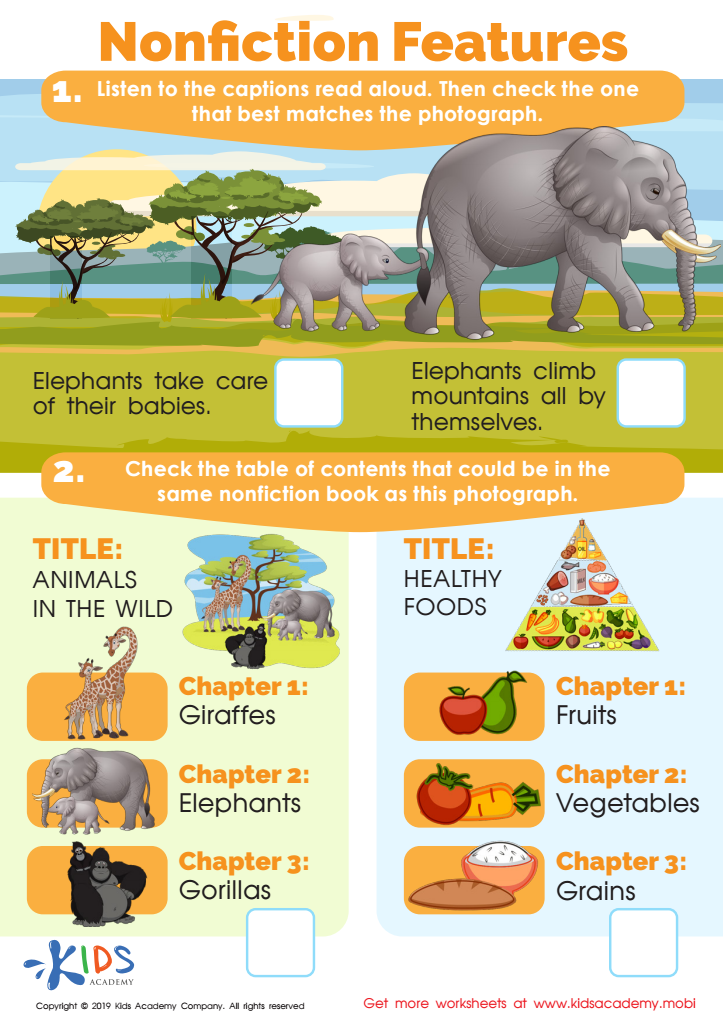
Nonfiction Features Worksheet








Improving analytical skills in children aged 4-5 is crucial for their overall cognitive development and future learning capabilities. At this formative age, children are naturally curious and eager to explore their environment, making it an ideal time to nurture their analytical thinking. By encouraging skills such as observation, problem-solving, and logical reasoning, parents and teachers can create a strong foundation for academic success.
Analytical skills help children make connections between different concepts, enabling them to better understand relationships and outcomes. Activities that involve sorting, classifying, or pattern recognition can enhance their ability to think critically. Additionally, fostering these skills promotes independence and self-confidence; when children learn to approach problems methodically, they become more proactive and resilient learners.
Moreover, analytical skills are essential for effective communication and collaboration. As children interact with peers and navigate group activities, they learn to articulate their thoughts, consider others' perspectives, and negotiate solutions. This interpersonal development sets the stage for social and emotional learning. By prioritizing the improvement of analytical skills during these early years, parents and teachers contribute not only to academic readiness but also to the holistic growth of a well-rounded, confident individual.








