Logical Reasoning Worksheets for Ages 4-5 - Page 2
36 filtered results
-
From - To
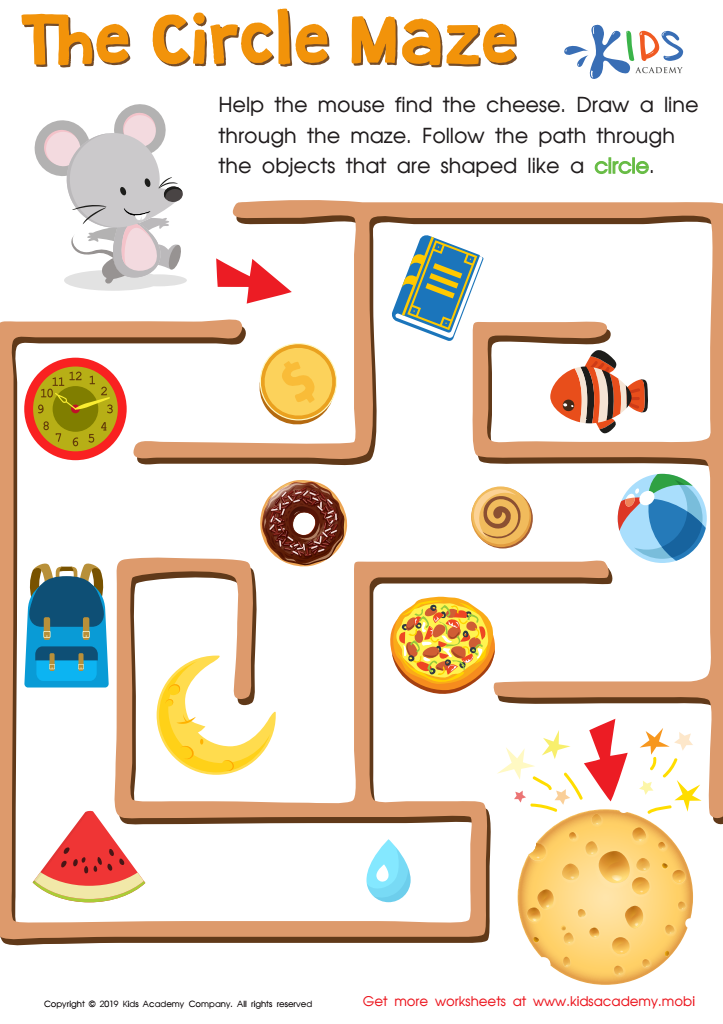
The Circle Maze Worksheet
 Assign to My Students
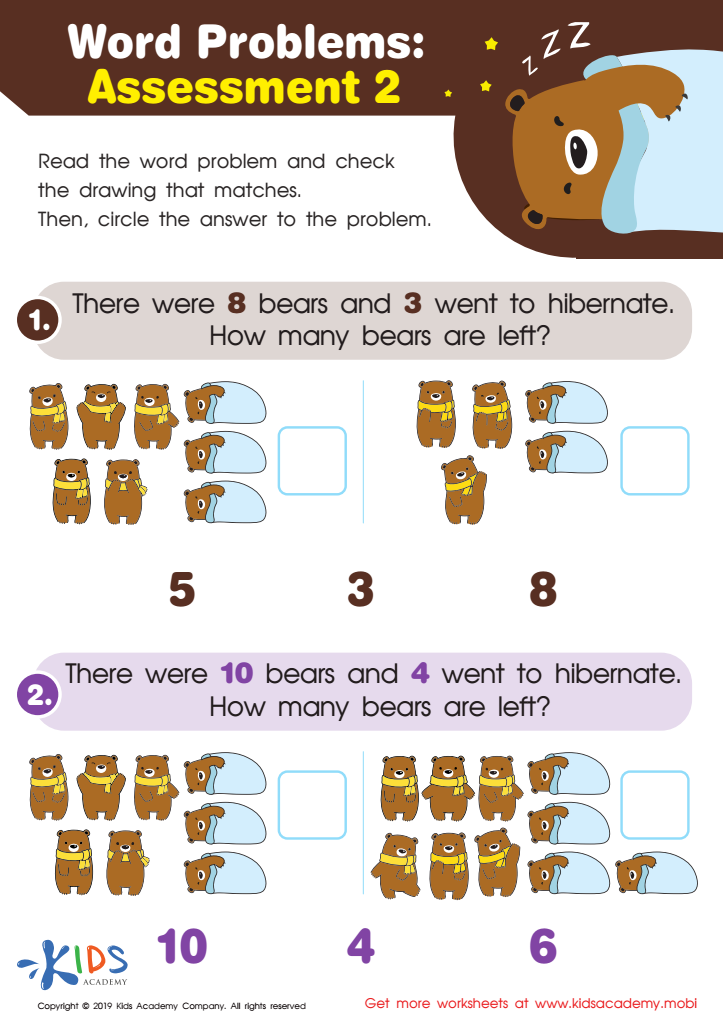
Word Problems: Assessment 2 Worksheet
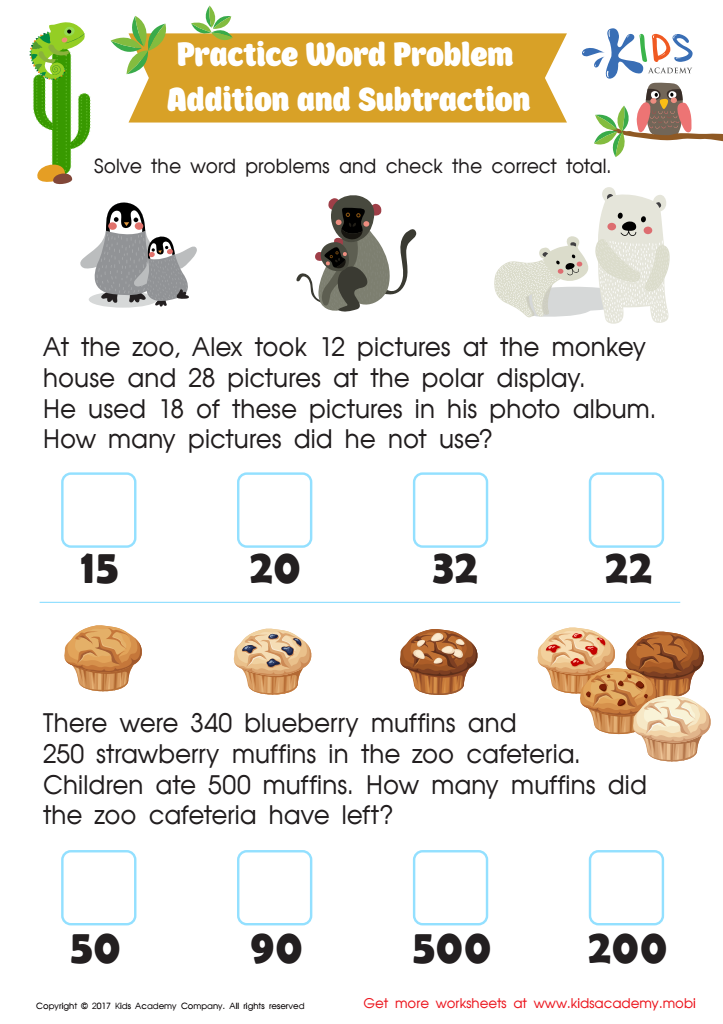
Addition and Subtraction: Word Problems Worksheet
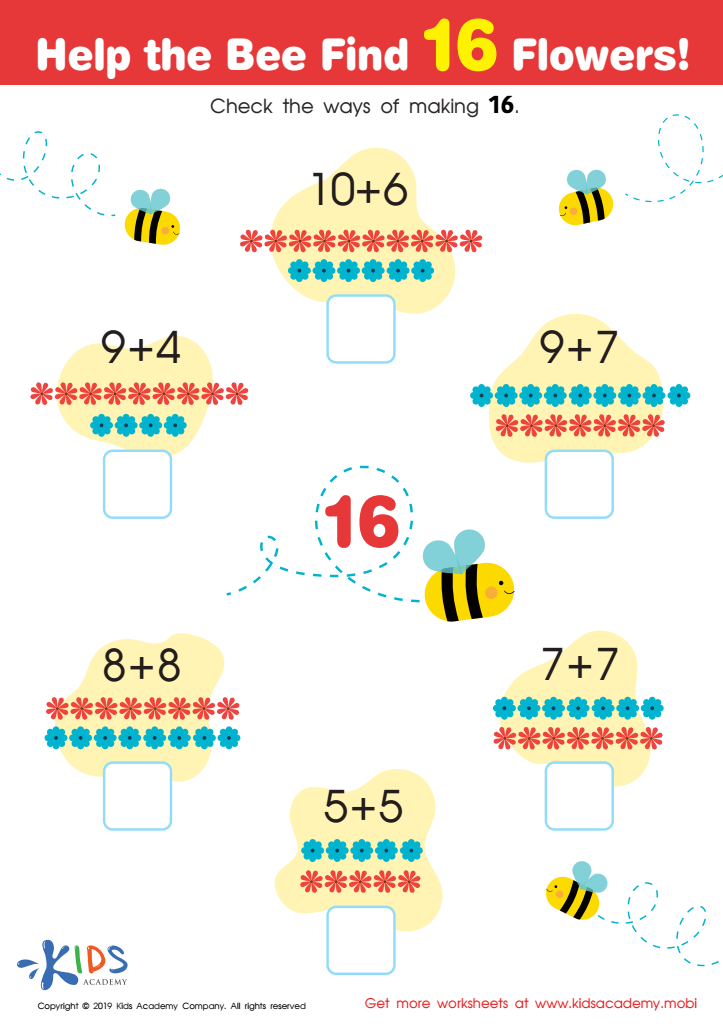
Help the Bee Find 16 Flowers Worksheet
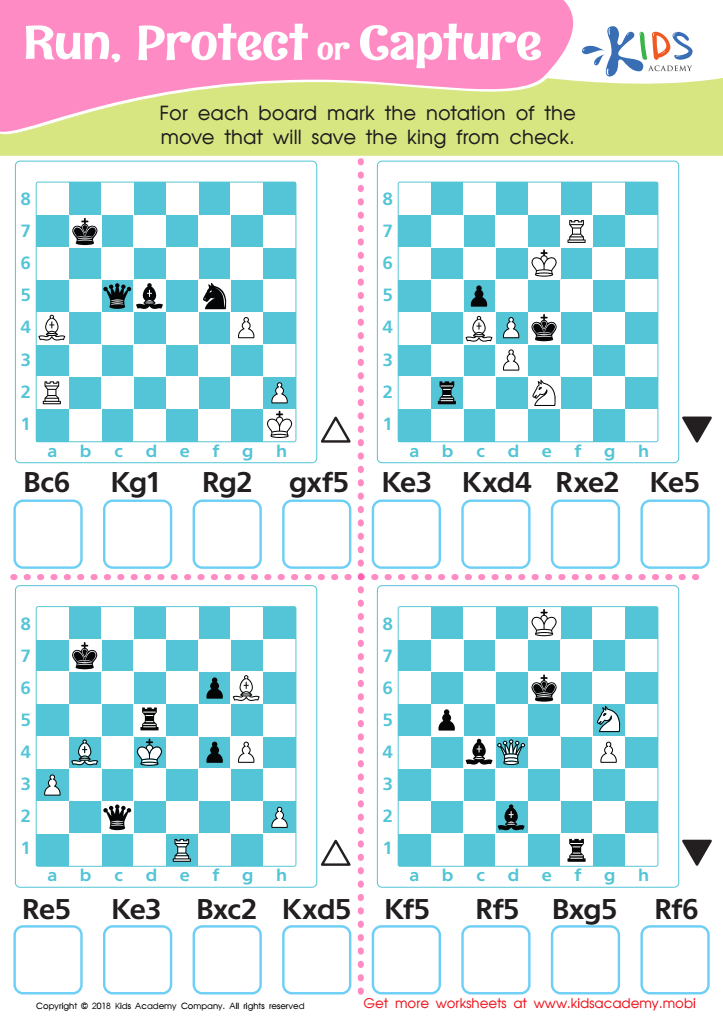
Run, Protect or Capture Worksheet
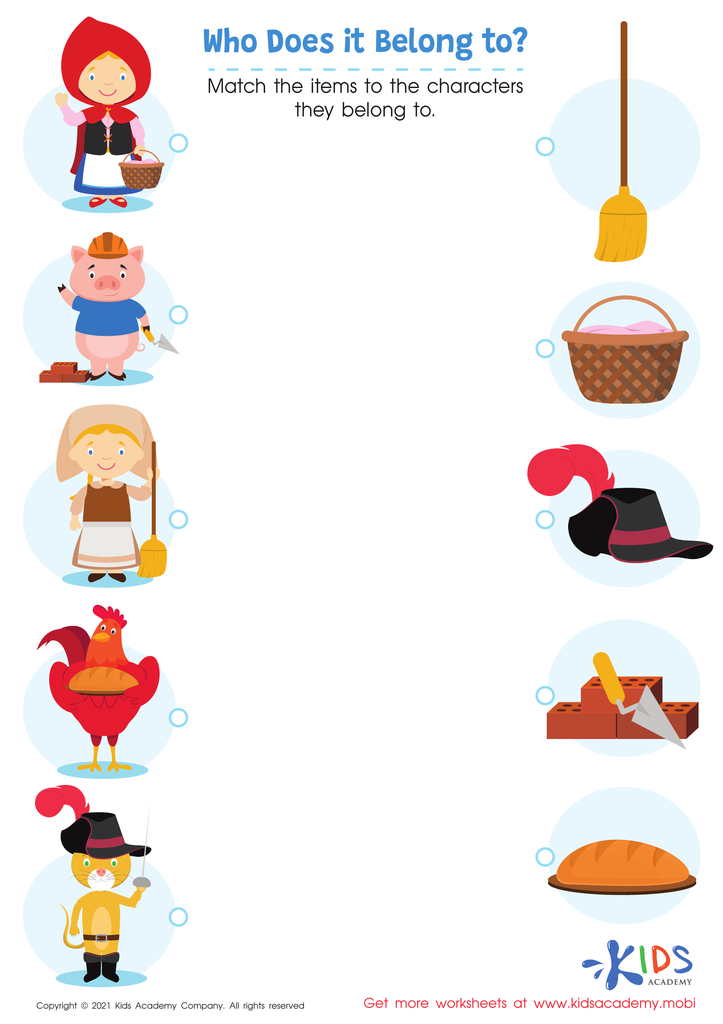
Who Does It Belong To? Worksheet
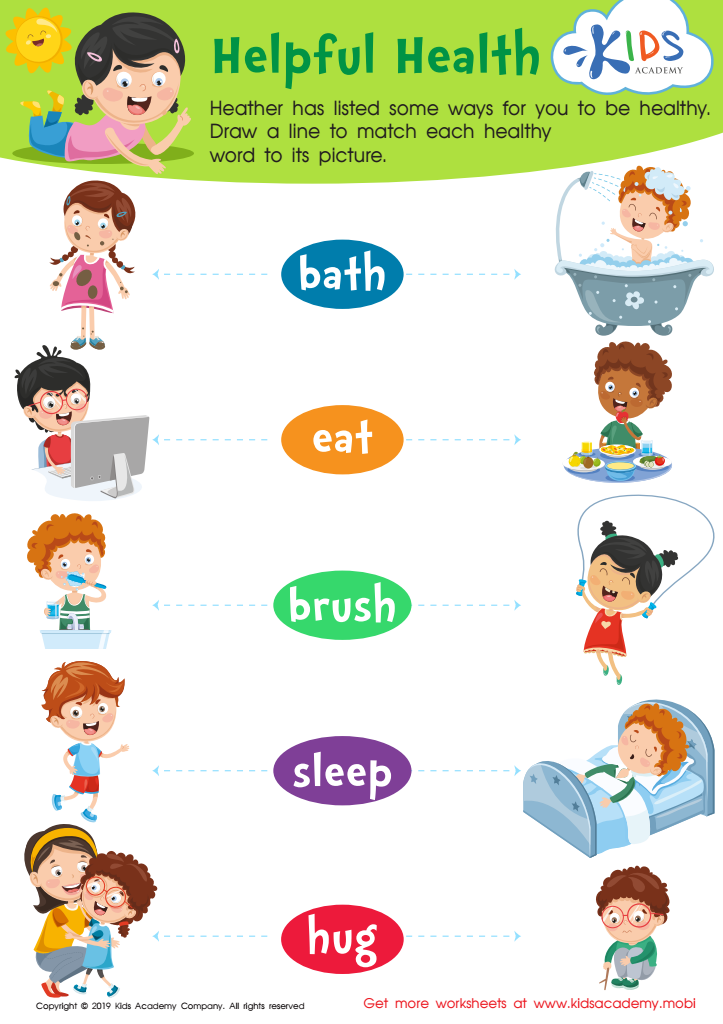
Helpful Health Worksheet
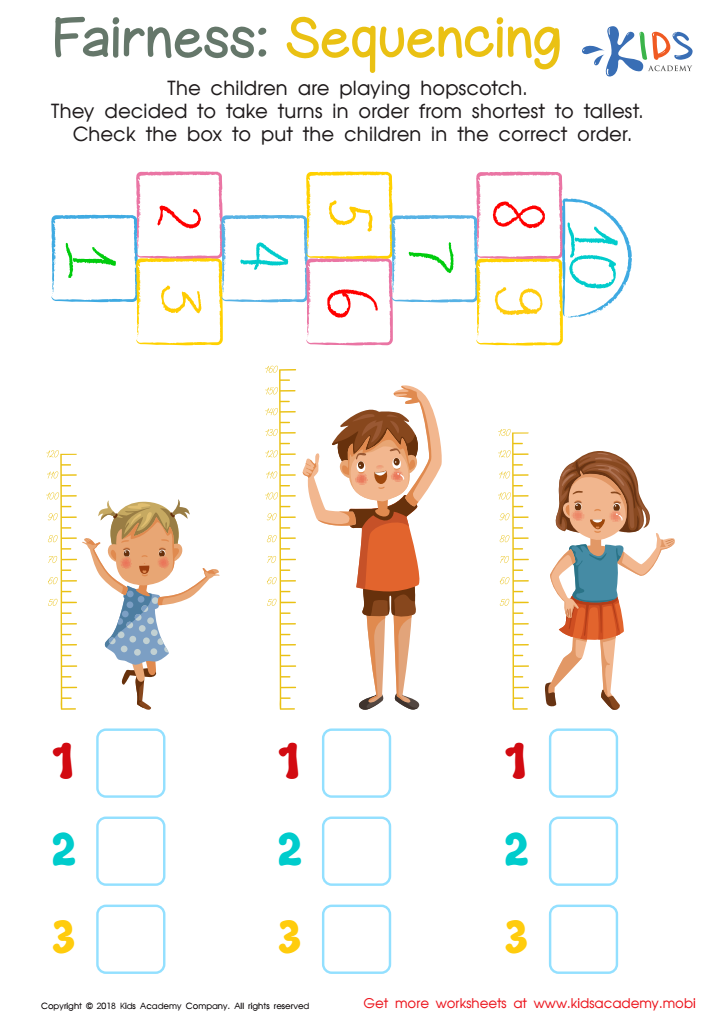
Fairness: Sequencing Worksheet
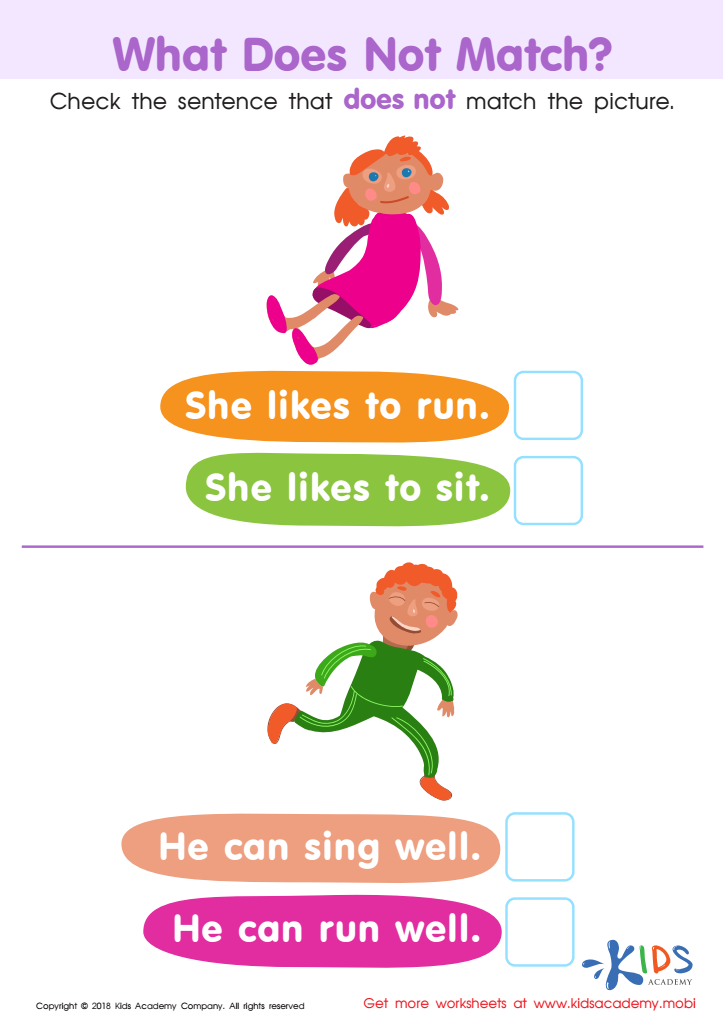
What Does Not Match? Worksheet






Logical reasoning is a fundamental skill that lays the groundwork for children's cognitive development. For ages 4-5, this ability goes beyond mere pattern recognition; it fosters critical thinking, problem solving, and decision-making skills. When children engage in activities that promote logical reasoning, they learn to analyze situations, identify relationships, and make connections between ideas.
Parents and teachers should prioritize logical reasoning because it enhances a child's overall learning experience. Early exposure to logic helps develop mathematical skills, language comprehension, and scientific thinking. For instance, when children sort objects by size or color, they practice categorization, which is critical in math and science education.
Moreover, strong logical reasoning skills bolster a child's self-confidence. As they tackle puzzles and simple problems, they gain a sense of achievement that encourages perseverance and resilience. This not only supports academic learning but also influences social interactions, as children learn to negotiate and resolve conflicts more effectively.
Ultimately, fostering logical reasoning in young children equips them with the tools they need for lifelong learning and adaptability in a rapidly changing world, making it an essential focus for parents and educators alike.








