Object identification Worksheets for Ages 4-5
5 filtered results
-
From - To
Unlock a world of discovery with our Object Identification Worksheets for ages 4-5! Specially crafted to enhance visual perception and cognitive skills, these engaging worksheets help young learners identify everyday items. From matching identical objects to recognizing differences, each activity promotes critical thinking while keeping children entertained. Perfect for both classroom and home environments, our worksheets provide an enjoyable way to build foundational skills in a supportive, educational setting. Equip your child with the tools they need for successful learning and watch their confidence soar as they master the art of object identification. Visit our page to explore more!
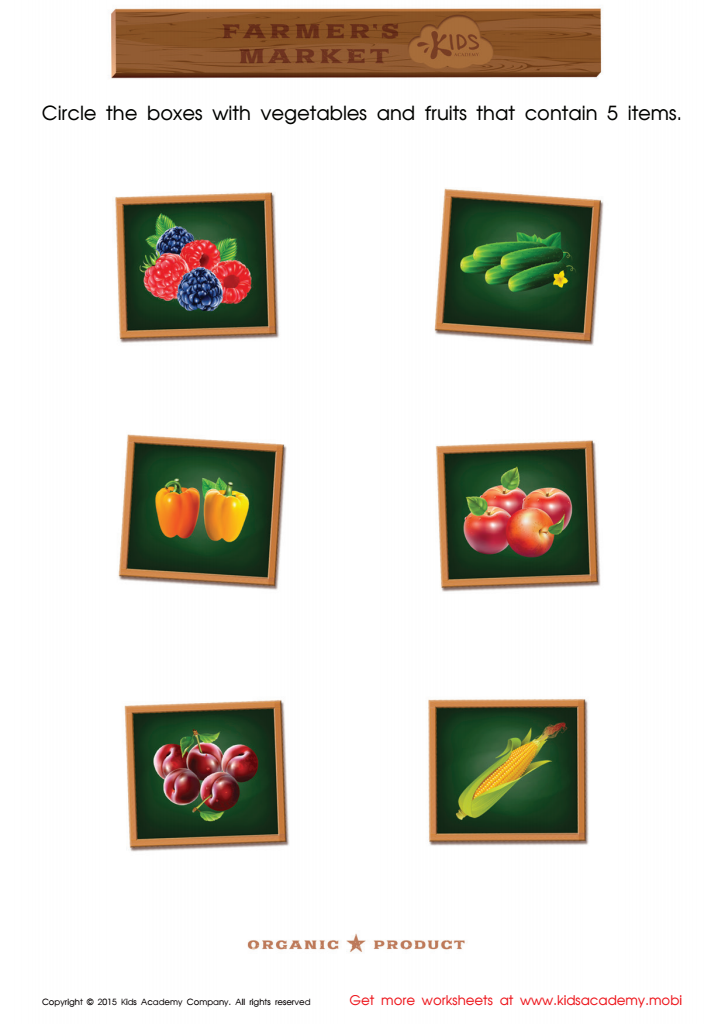
Count and Match Vegetables 1 – 7 Math Worksheet
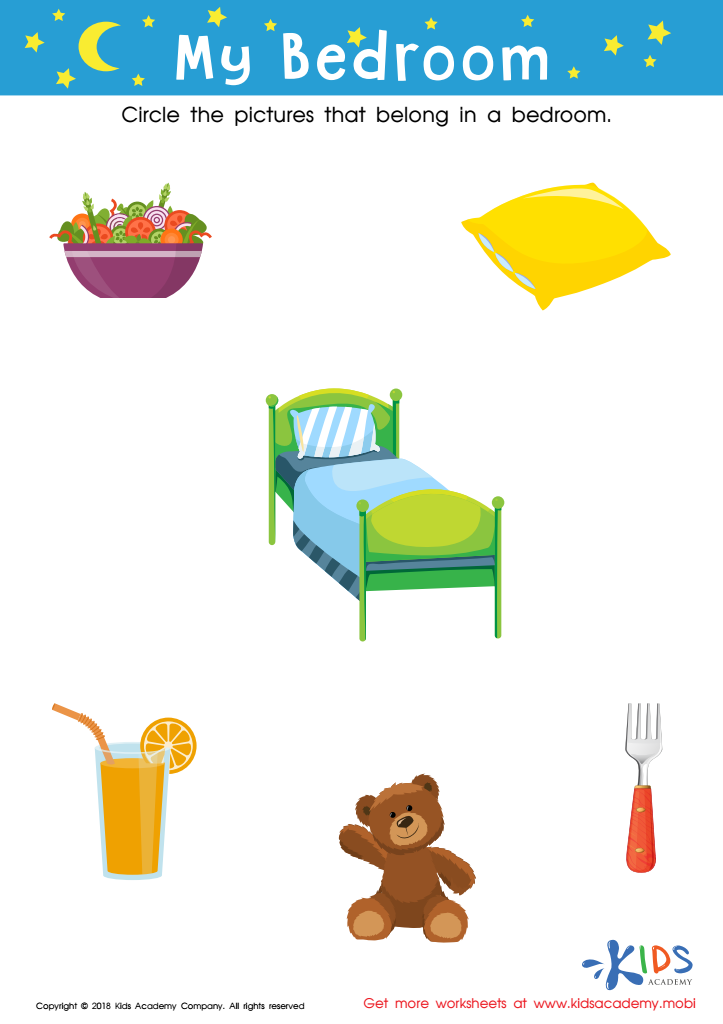
My Bedroom Worksheet
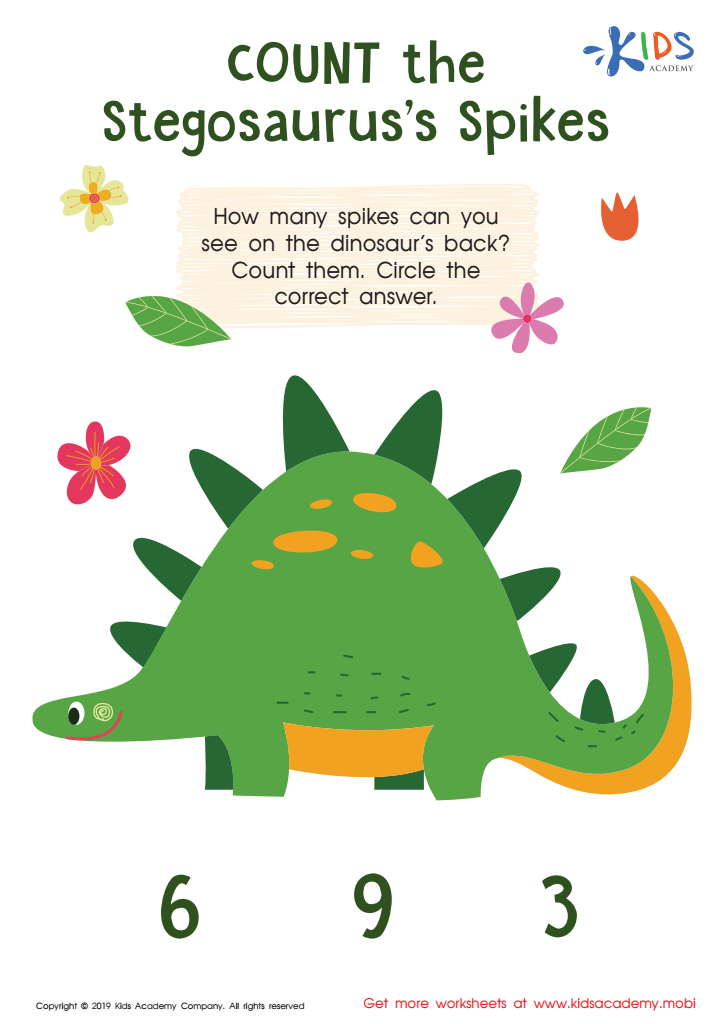
Count the Stegosaurus's Spikes Worksheet
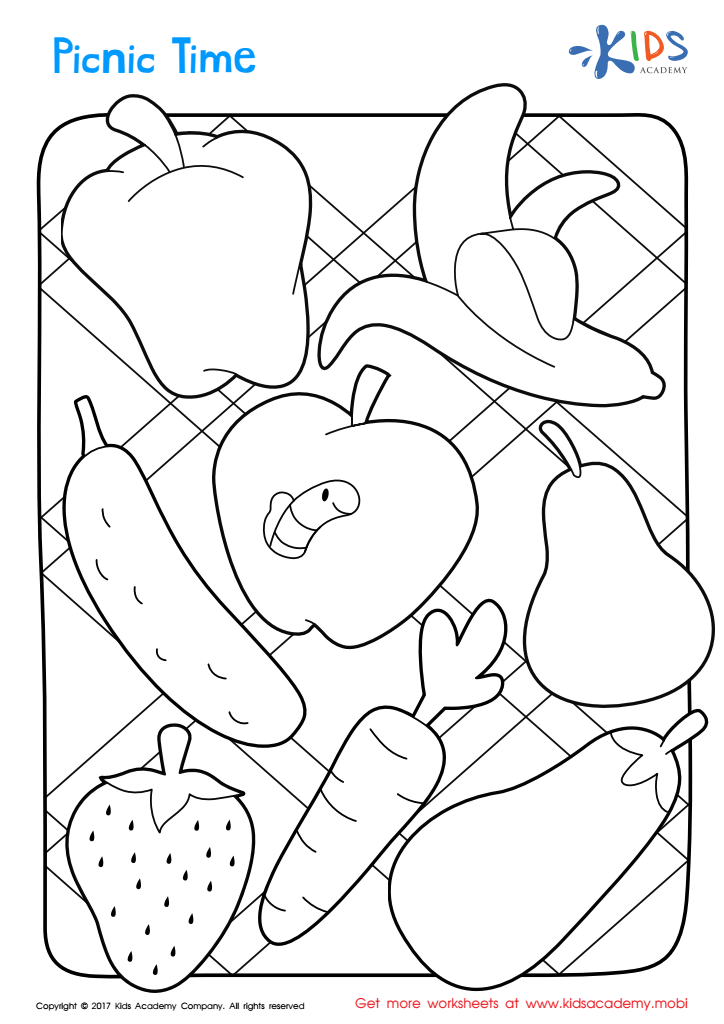
Picnic Time Coloring Page
 Assign to My Students
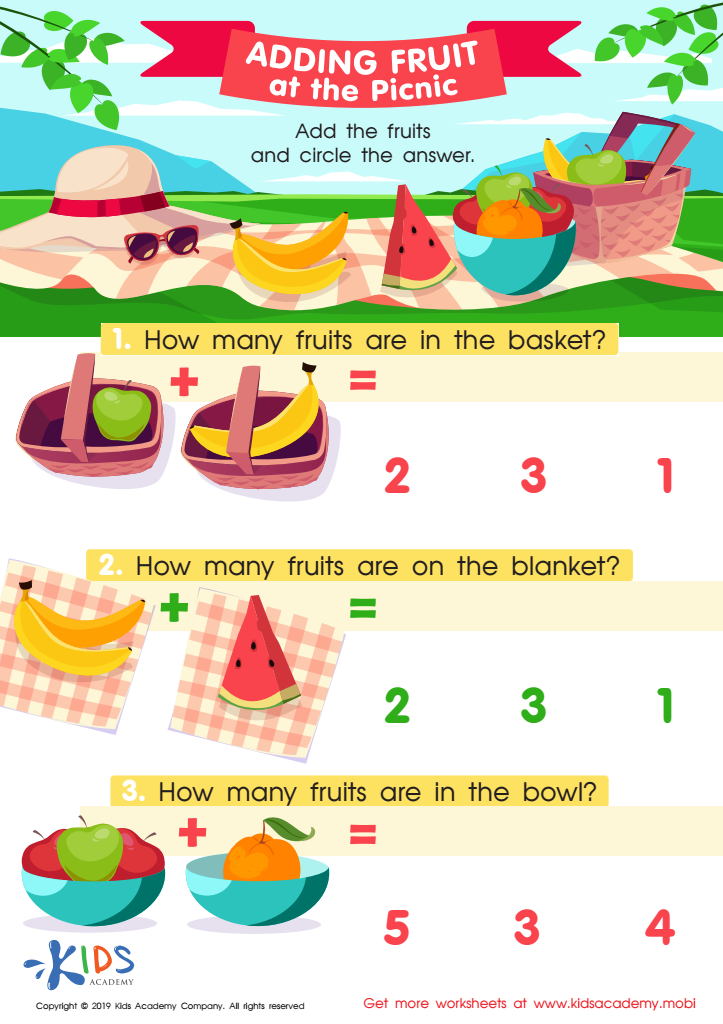
Adding Fruit at the Picnic Worksheet








Object identification is a crucial aspect of early childhood development, particularly for children ages 4-5. During this formative stage, kids are rapidly expanding their cognitive skills, and understanding the world around them. Object identification fosters essential cognitive and language development. By learning to recognize and name various objects, children build their vocabulary and enhance their ability to communicate effectively. This skill is foundational for later reading and academic success, as it helps children make connections between words and their meanings.
Additionally, object identification supports the development of memory and attention to detail. When children practice naming objects and categorizing them, they sharpen their observational skills and improve their ability to recall information. This, in turn, aids in learning complex concepts later.
From a social development perspective, knowing and naming objects equips children with the tools to engage in more meaningful interactions. It allows them to participate actively in conversations with peers and adults, fostering social bonding and collaborative learning.
In essence, parents and teachers should emphasize object identification in early education to create a strong foundation for cognitive, language, and social development. Through engaging activities like picture matching games, storytelling, and hands-on exploration, we can make learning this vital skill both fun and effective.








