Observation skills Worksheets for Ages 4-5
6 filtered results
-
From - To
Enhance your child's observational skills with our engaging worksheets tailored for ages 4-5! These activity sheets provide an excellent opportunity for young learners to develop critical thinking and attention to detail through fun and interactive exercises. Designed to foster curiosity, our worksheets include activities that promote identifying similarities and differences, recognizing patterns, and elevating overall cognitive abilities. Perfect for parents and educators alike, these resources support early childhood development and make learning a delightful experience. Discover a variety of observation-focused tasks that captivate young minds and help them build essential skills for their educational journey ahead. Start exploring today!
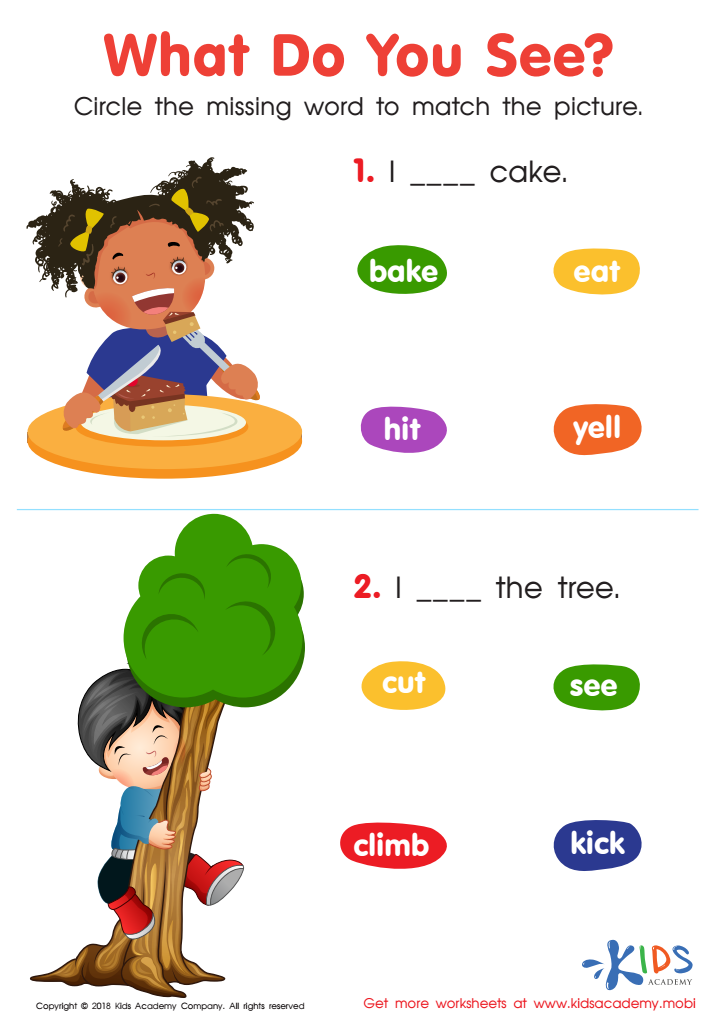
What Do You See? Reading Worksheet
 Assign to My Students
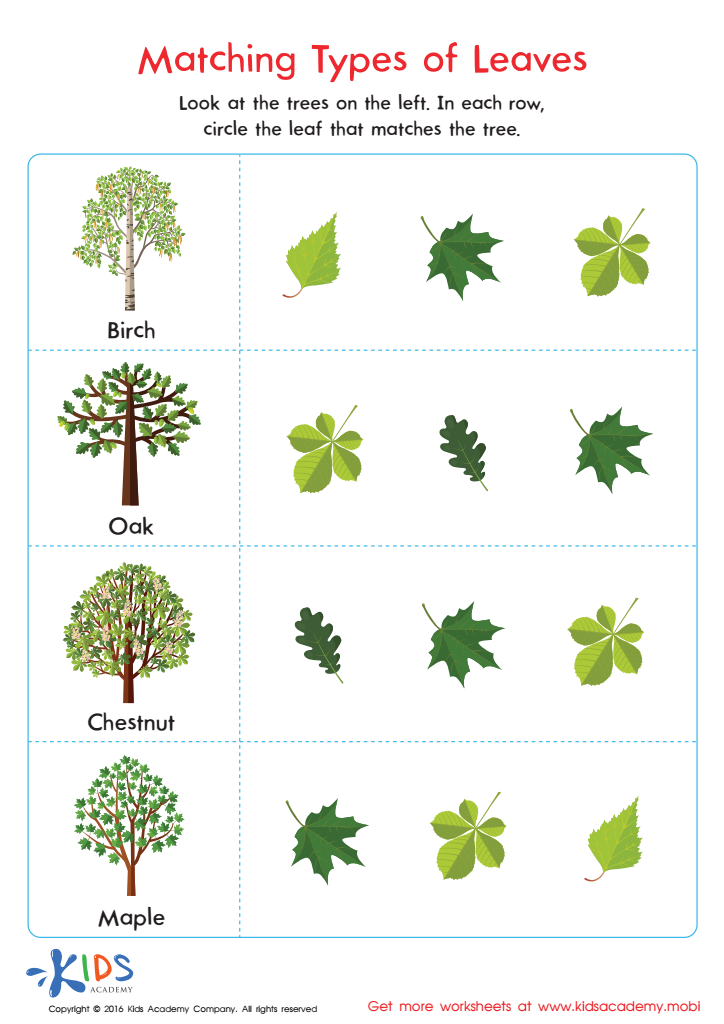
Matching Types of Leaves Printable
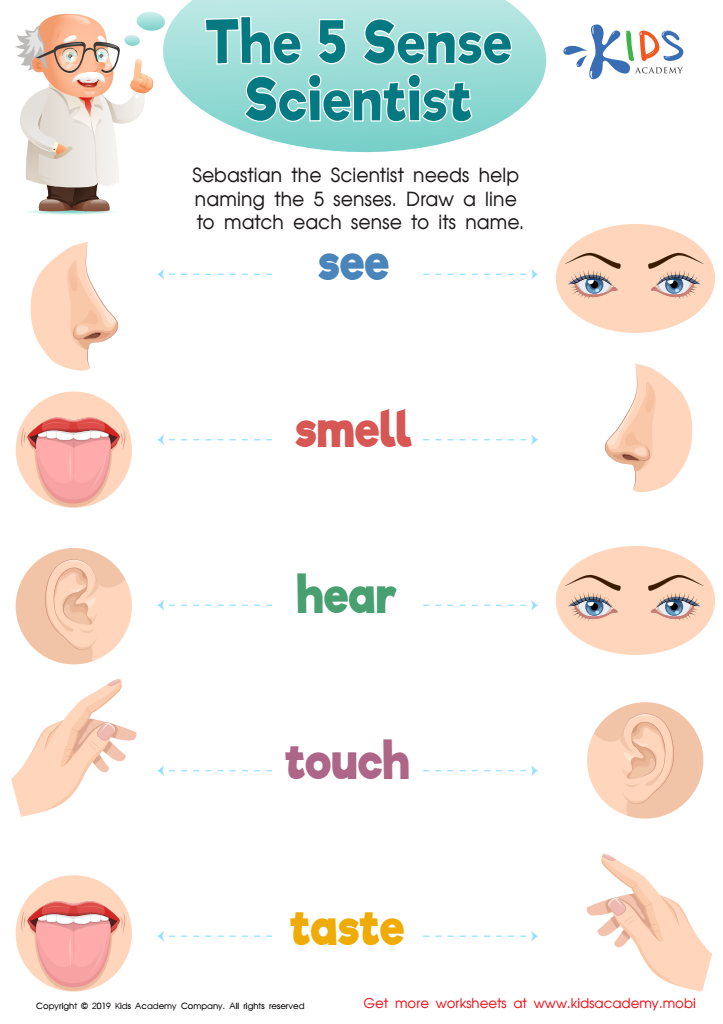
The 5 Sense Scientist Worksheet
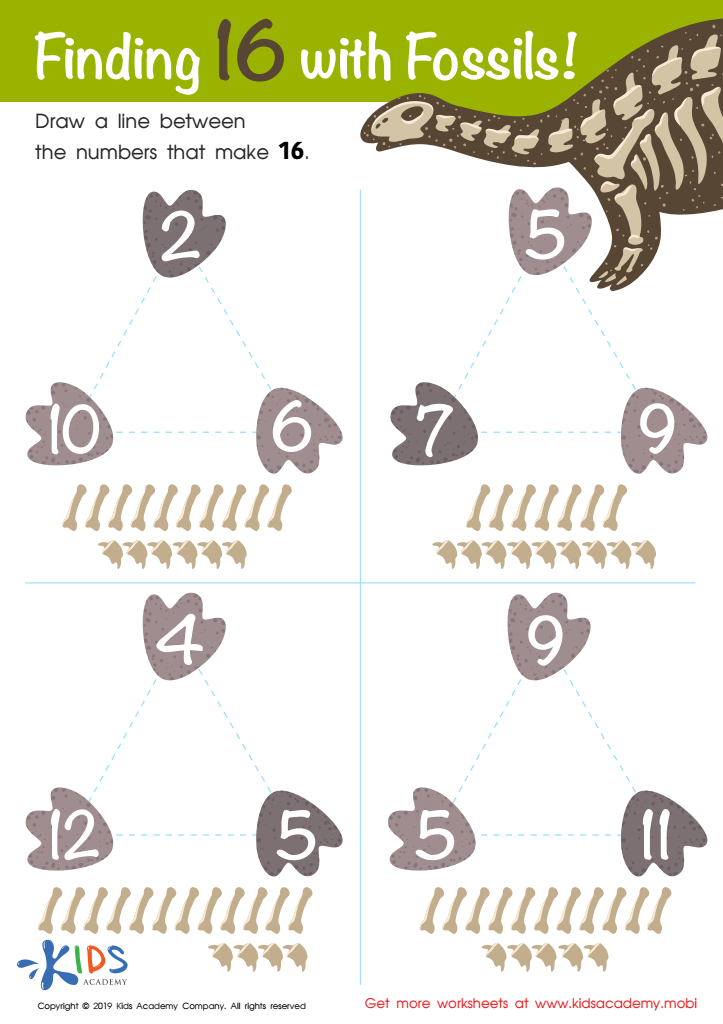
Finding 16 With Fossils Worksheet
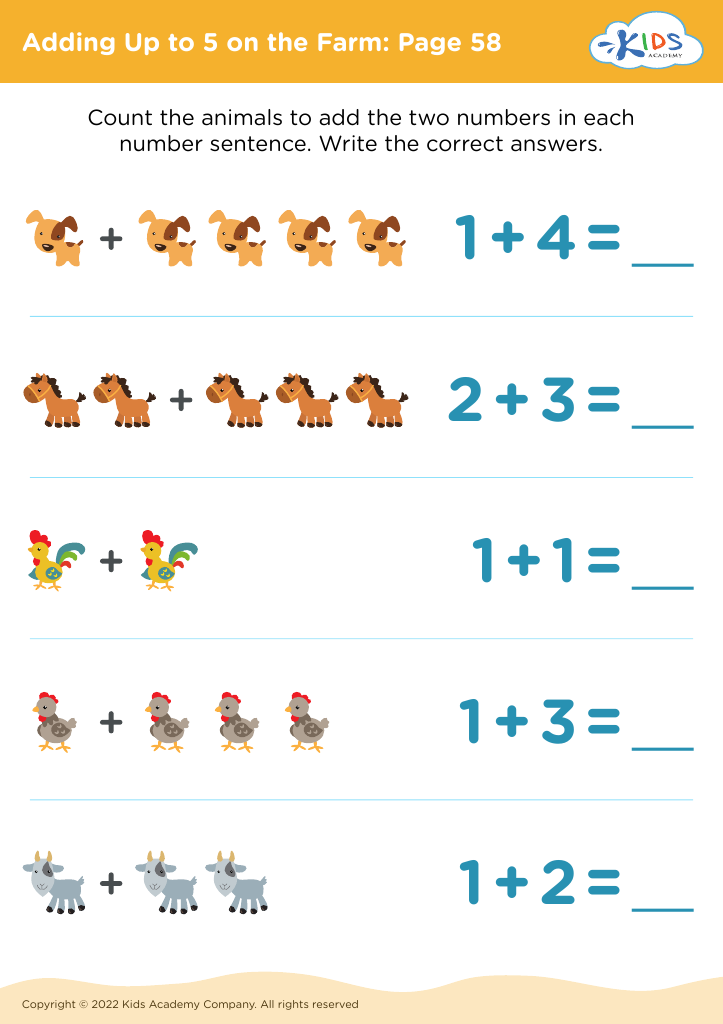
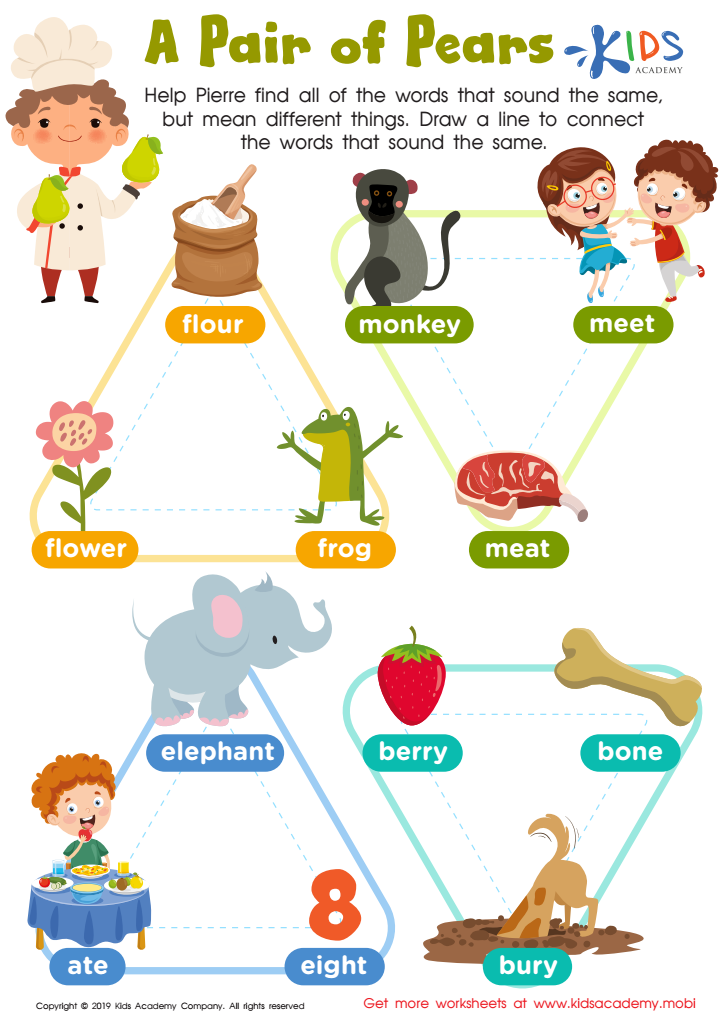
Pair Pears Worksheet







Observation skills are essential for children aged 4-5 as they form the foundation for their learning and development. At this age, children are naturally curious, and honing their observation skills encourages them to explore, inquire, and engage with the world around them. For parents and teachers, fostering these skills is crucial because it enhances critical thinking, problem-solving abilities, and social interactions.
When children learn to observe thoughtfully, they begin to notice details, patterns, and relationships in their environment. This ability not only supports healthy cognitive development but also nurtures language skills as they articulate their observations and share them with others. By encouraging observation, adults can help children build a rich vocabulary and describe their experiences more vividly.
Moreover, strong observation skills promote emotional intelligence. As children learn to read facial expressions and body language, they become more empathetic and capable of navigating social situations. Teachers and parents who prioritize observation activities, such as guided nature walks or interactive storytelling, invest in children's holistic development.
In conclusion, fostering observation skills in young children is vital for creating independent thinkers, enhancing communication, and supporting their overall growth and learning in a diverse world.








