Reading skills development Worksheets for Ages 4-5
5 filtered results
-
From - To
Discover our engaging Reading Skills Development Worksheets tailored for children ages 4-5! Designed to stimulate young minds, these worksheets foster essential reading abilities through interactive activities. Your child will explore letter recognition, phonics, and foundational vocabulary in a fun, accessible format. Each worksheet is crafted to promote early literacy, helping little learners understand sounds, shapes, and word associations. With colorful illustrations and relatable themes, these resources ignite a love for reading while building confidence. Perfect for home or classroom use, our worksheets support individualized learning and make reading skill development an enjoyable experience. Equip your child for a bright reading future today!
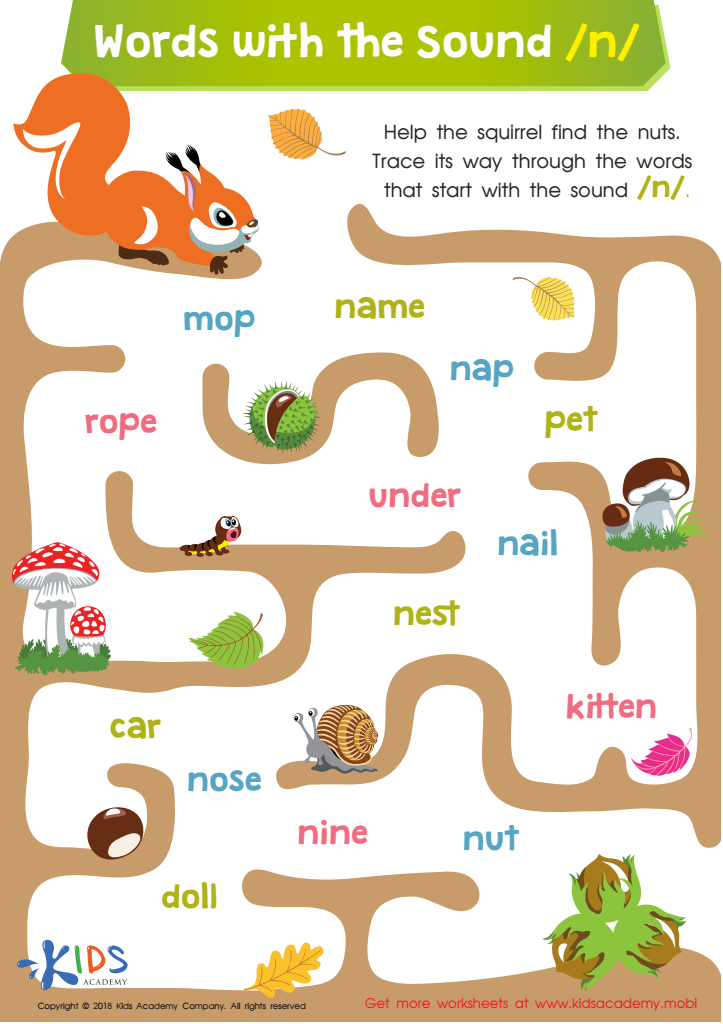
Words with Sound N Reading Worksheet
 Assign to My Students
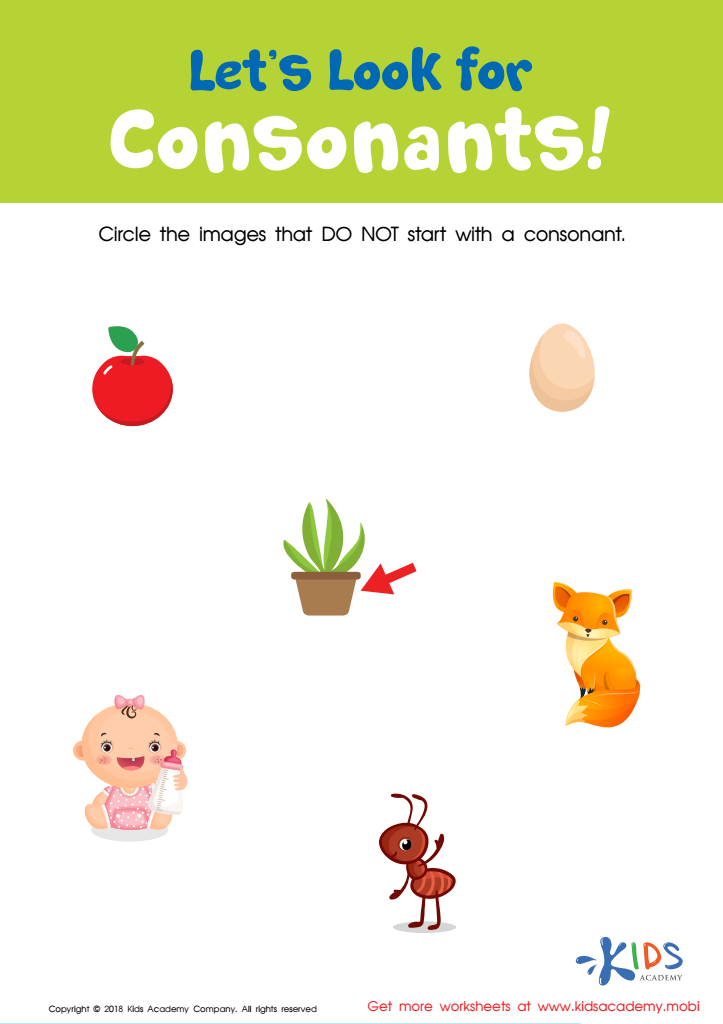
Let's Look for Consonants Worksheet
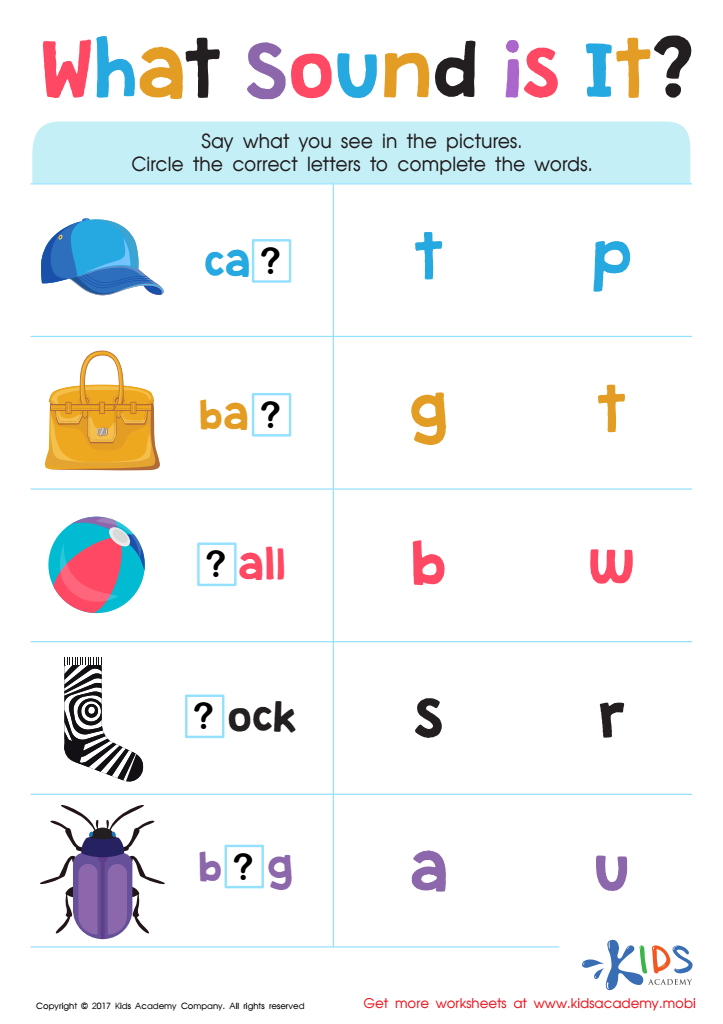
What Sound Is it? Worksheet
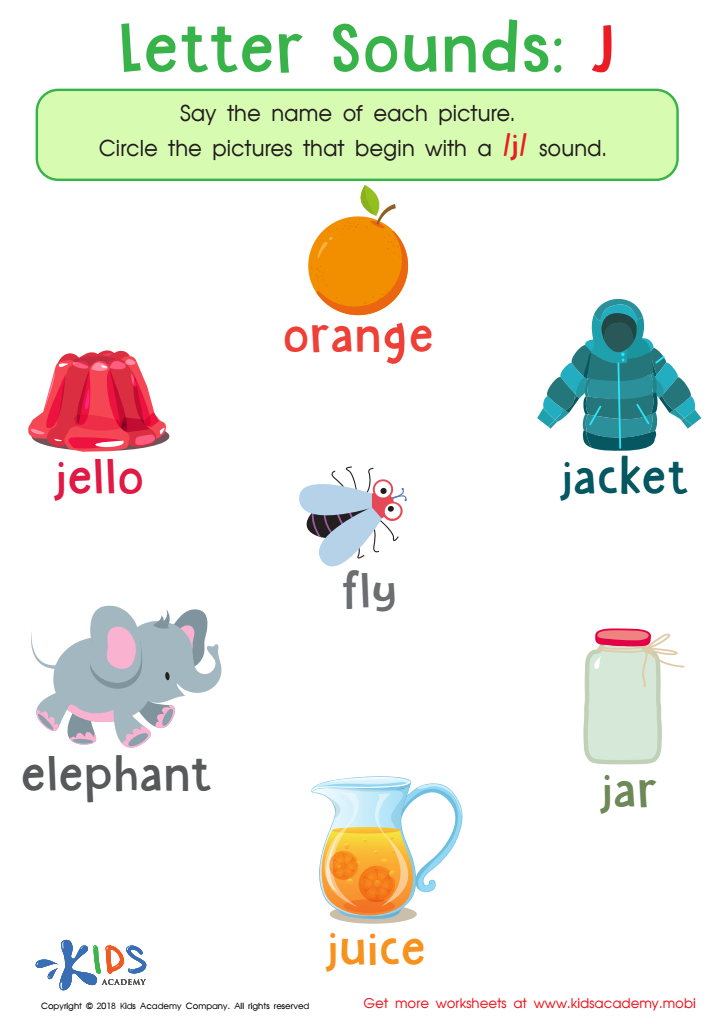
Letter Sounds: J Printable Worksheet
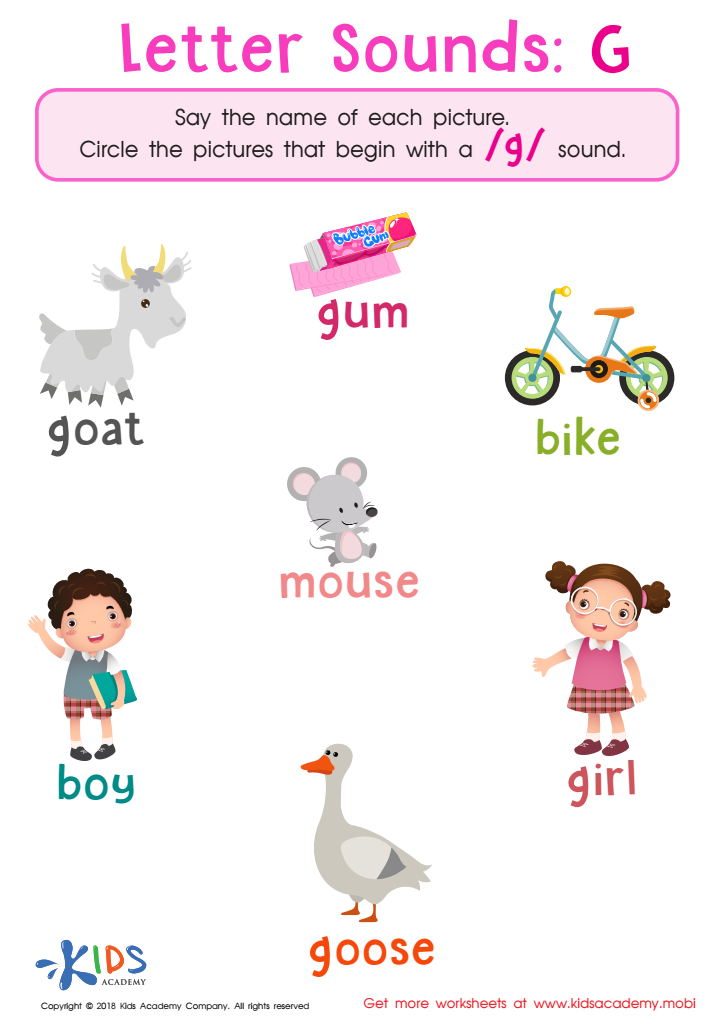
Letter G Sounds Worksheet







Reading skills development in children aged 4-5 is crucial for several reasons. At this early stage, children are at the forefront of language acquisition and cognitive growth. Their ability to decode letters and understand simple texts lays the foundation for future academic success. Enhancing reading skills strengthens vocabulary, comprehension, and critical thinking, skills that are essential not only for literacy but for overall learning and interaction with the world.
Additionally, early reading experiences foster a love for books and storytelling, cultivating an imaginative mind and creativity. When parents and teachers engage with children through reading, they also promote social and emotional development by encouraging discussion and expression about stories. This interaction helps to develop empathy, as children begin to understand diverse perspectives.
Moreover, strong reading skills provide children with the tools to face more complex topics in later school years, which can reduce the likelihood of academic struggles. Recognizing the importance of literacy at this young age can help parents and teachers implement engaging and playful learning activities, creating a supportive environment that nurtures confident readers. Caring about reading skills development today prepares children for lifelong learning and success in an increasingly literate world.








