Spatial reasoning Worksheets for Ages 4-5
10 filtered results
-
From - To
Enhance your child's spatial reasoning skills with our engaging worksheets designed specifically for ages 4-5! These activities foster critical thinking and problem-solving through fun exercises that encourage kids to visualize and manipulate objects in space. Our worksheets include puzzles, mazes, and shape-based tasks that will captivate young learners while supporting their cognitive development. With colorful illustrations and age-appropriate challenges, children will improve their understanding of perspectives, patterns, and spatial concepts. Perfect for home or classroom use, these worksheets are a fantastic resource to help your little ones develop the foundational skills they need for future learning success. Explore now!
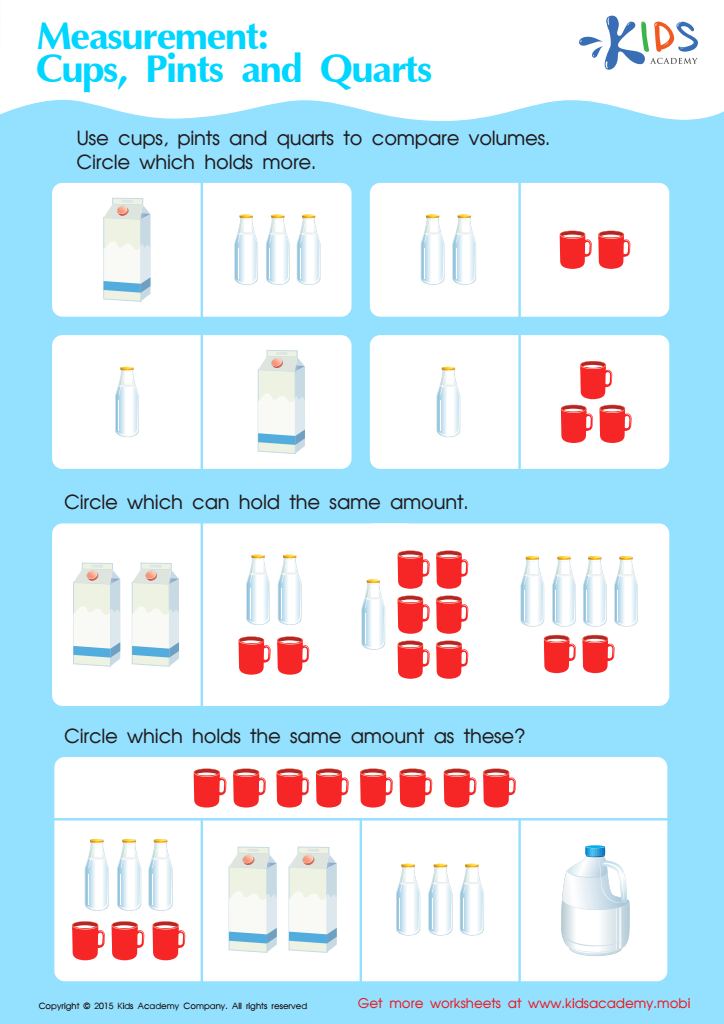
Measurement: Compare Volumes Worksheet
 Assign to My Students
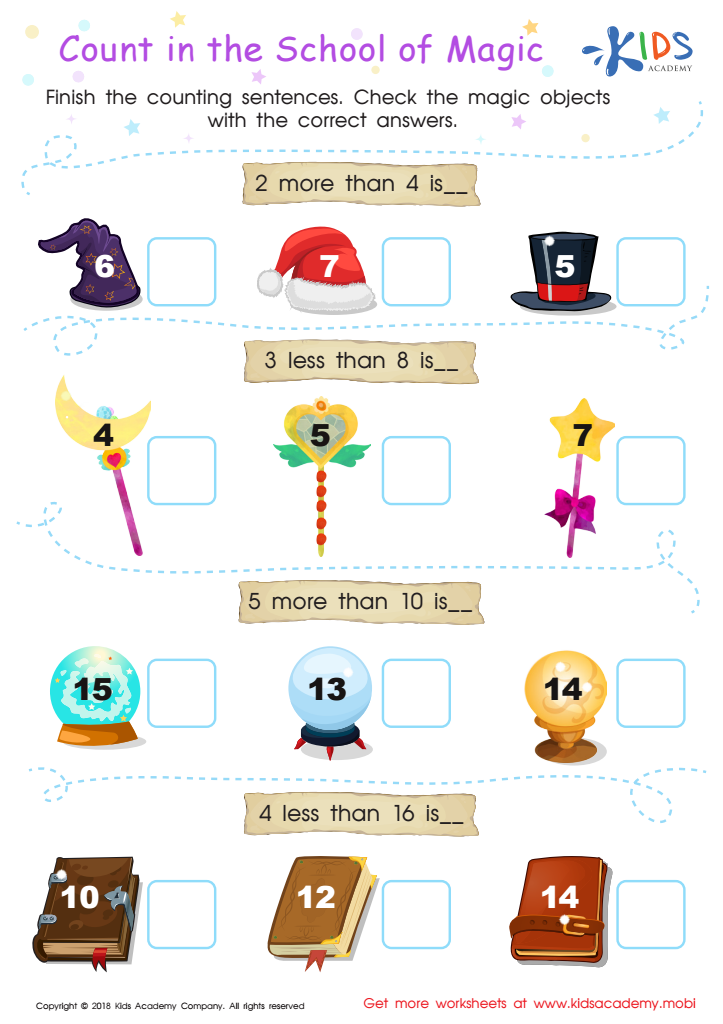
Count in the School of Magic Worksheet
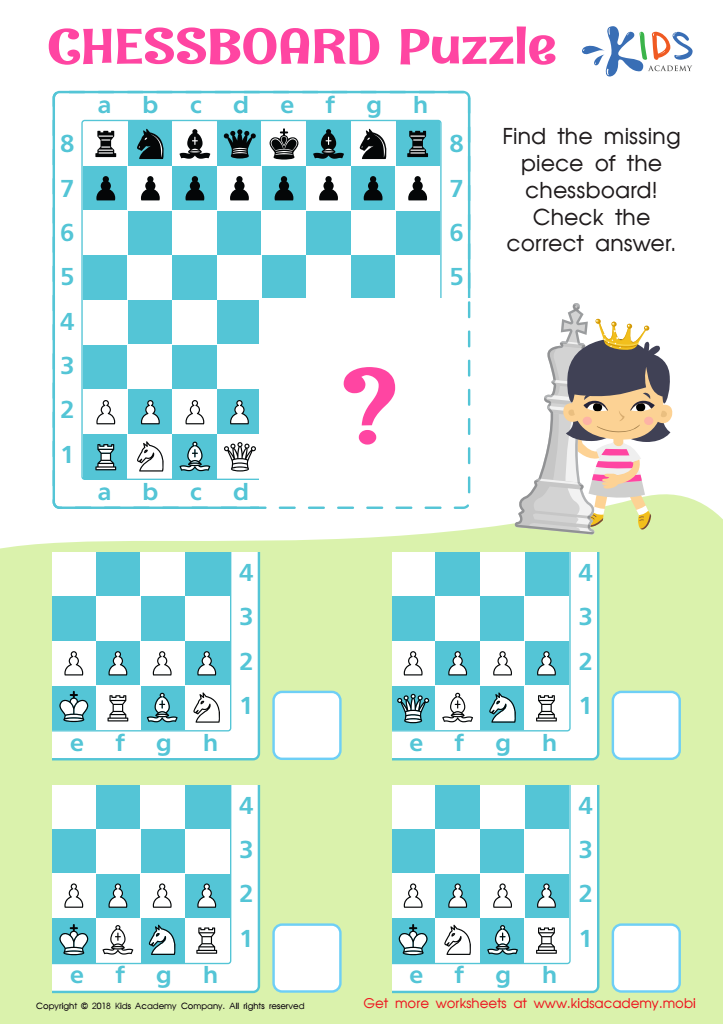
Chessboard Puzzle Worksheet
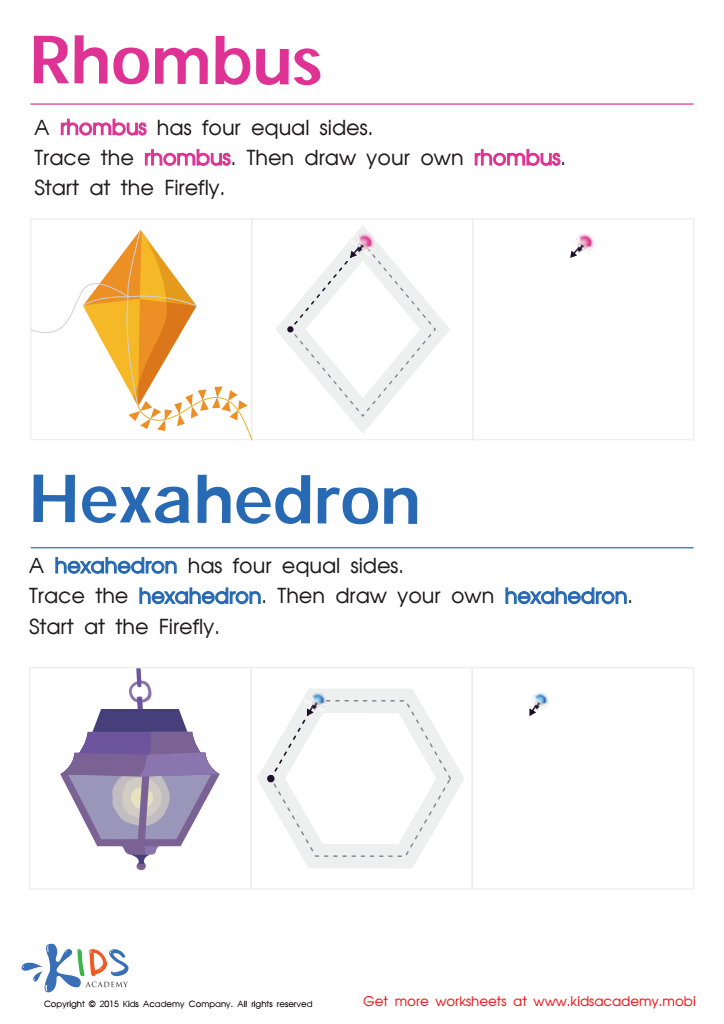
Draw a Rhombus And a Hexahedron Printable
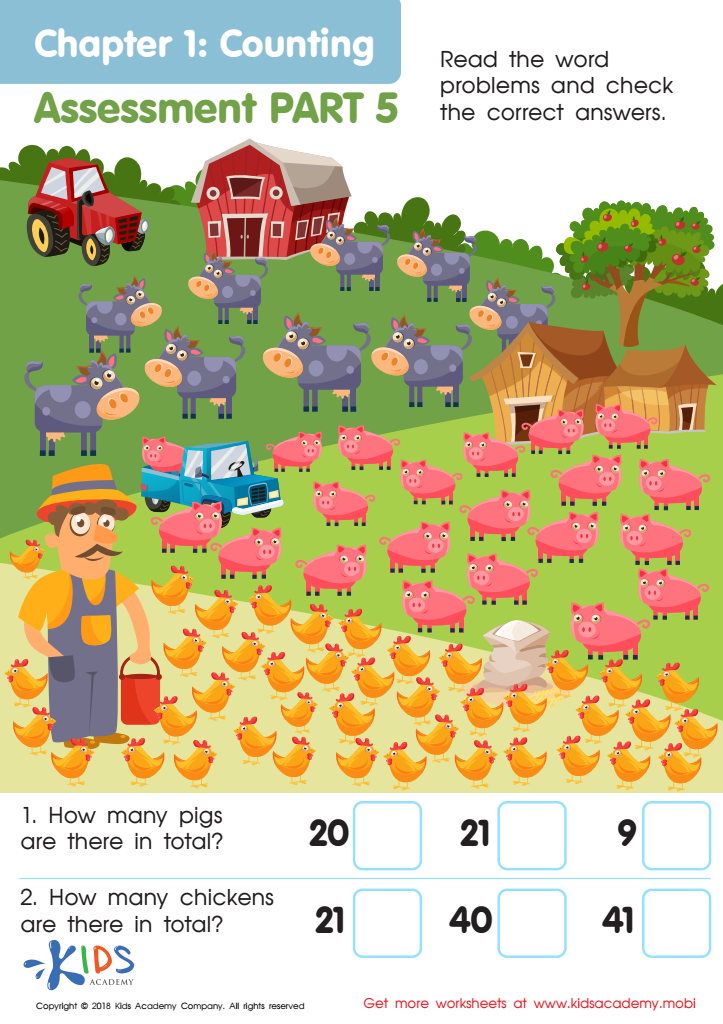
Counting: Assessment 5 Worksheet
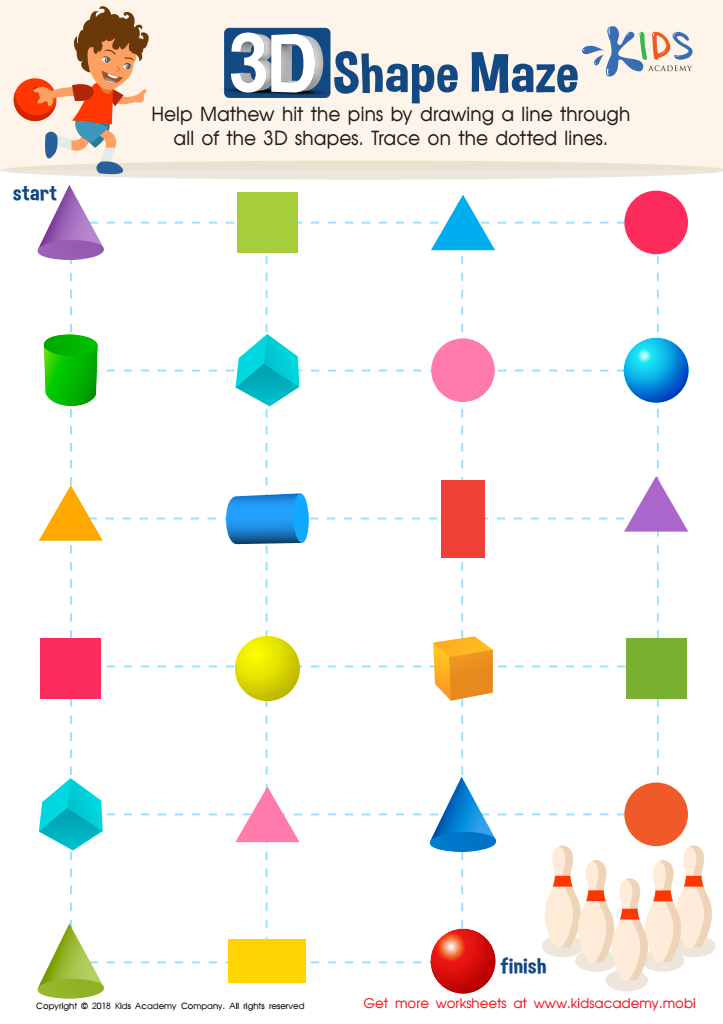
Shapes Maze Geometry Worksheet
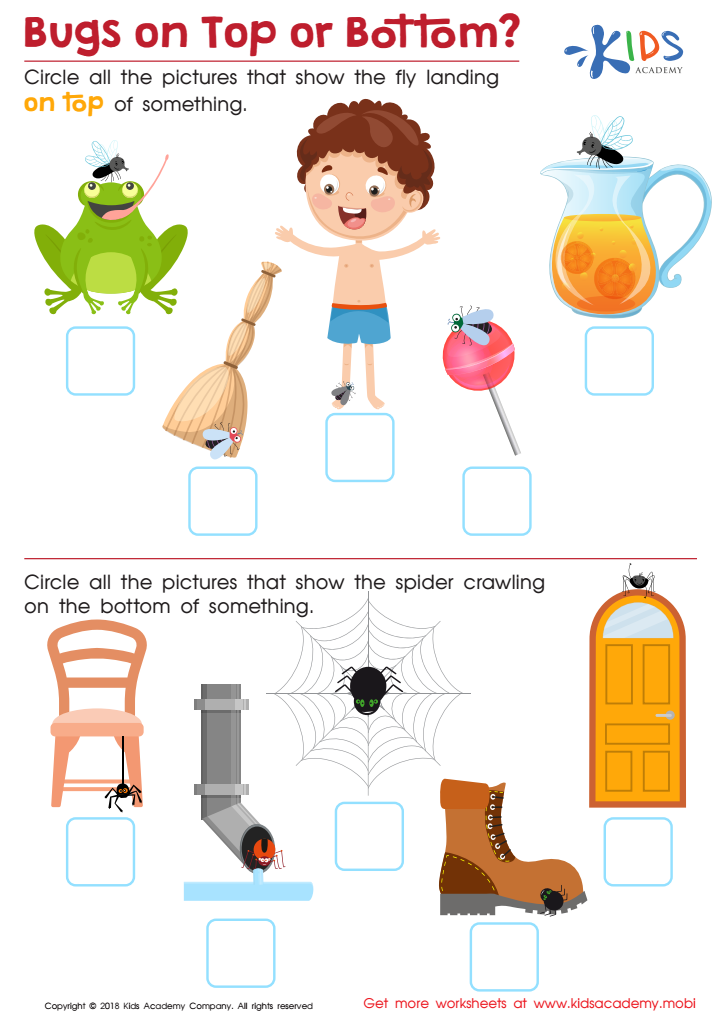
Bugs on Top or Bottom? Worksheet
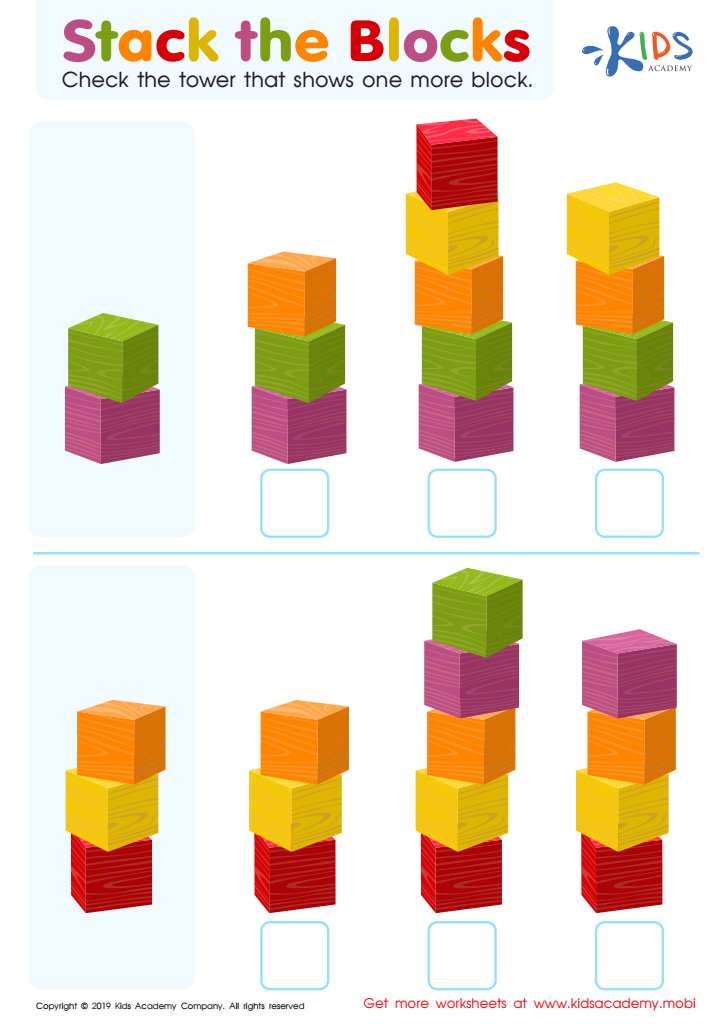
Stack the Blocks Worksheet
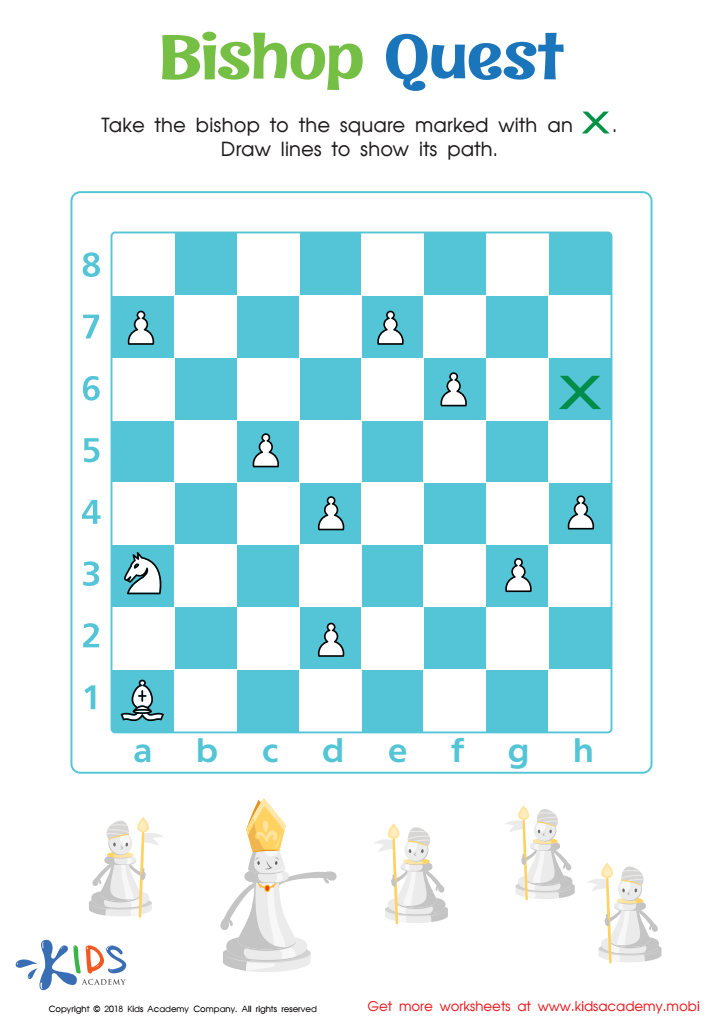
Bishop Quest Worksheet
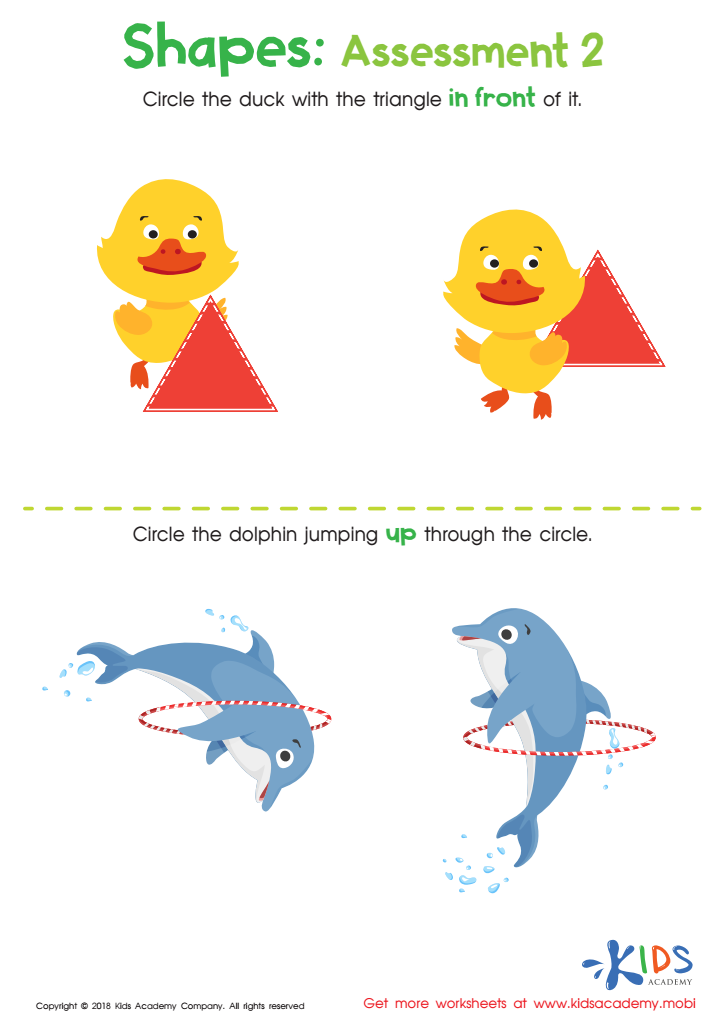
Geometry – Assessment 2 Worksheet







Spatial reasoning is a critical skill for children ages 4-5 that significantly influences their academic and everyday success. At this developmental stage, children are honing their abilities to understand and manipulate their physical environment. By fostering spatial reasoning, parents and teachers lay the groundwork for skills in mathematics, science, and problem-solving.
Spatial reasoning enables children to visualize and understand shapes, distances, and locations, essential for early math concepts like geometry and measurement. Engaging children in activities like building blocks, puzzles, or simple art projects enhances these skills, making learning both fun and effective.
Additionally, strong spatial reasoning is linked to future academic performance. Studies indicate a correlation between these skills and success in subjects requiring logical thinking and visualization. Early cultivation of spatial skills prepares children for complex concepts they will encounter later in their education.
Moreover, good spatial awareness is beneficial beyond academics. It helps children navigate their world safely and builds confidence in their problem-solving capabilities. Encouraging spatial reasoning through play and structured activities offers holistic benefits, supporting cognitive, social, and emotional development. Hence, it’s crucial for parents and teachers to prioritize this aspect of learning in young children.








