Understanding habitats Worksheets for Ages 4-5
6 filtered results
-
From - To
Introduce your little learners to the wonderful world of habitats with our "Understanding Habitats Worksheets" designed for ages 4-5! These engaging worksheets help young children explore various environments where animals and plants thrive, such as forests, deserts, oceans, and more. Through colorful illustrations and fun activities, children will enhance their observation skills and learn about the diversity of life on Earth. Perfect for both home and classroom use, these worksheets encourage creativity, promote critical thinking, and make learning enjoyable. Help your child discover their curiosity about the natural world with our interactive and educational habitat resources today!
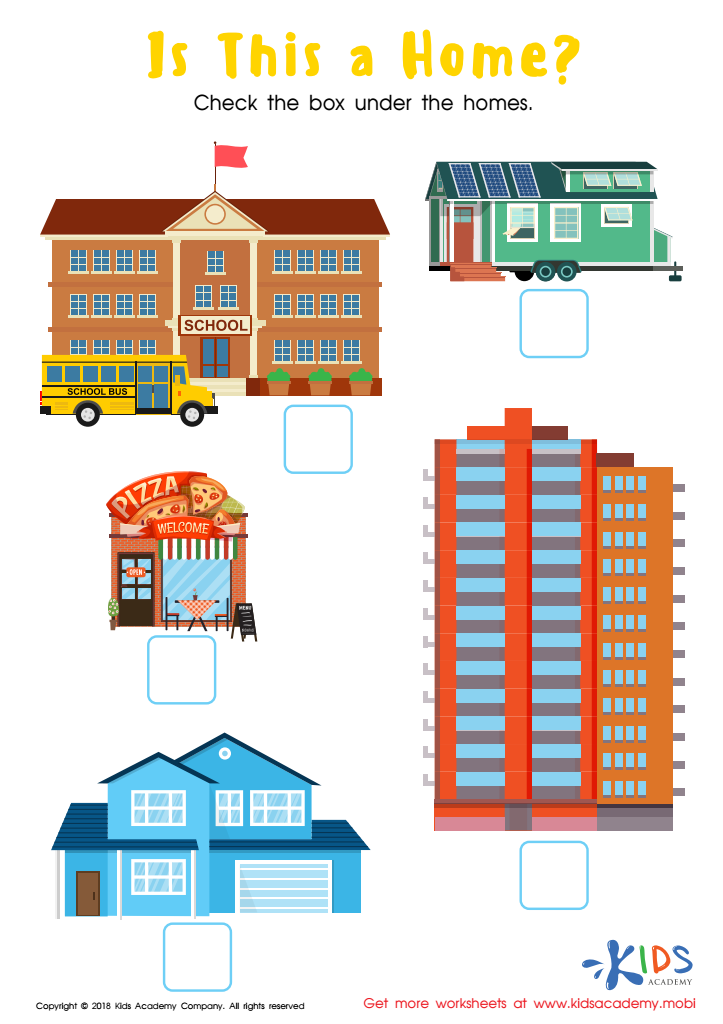
Is this a Home? Worksheet
 Assign to My Students
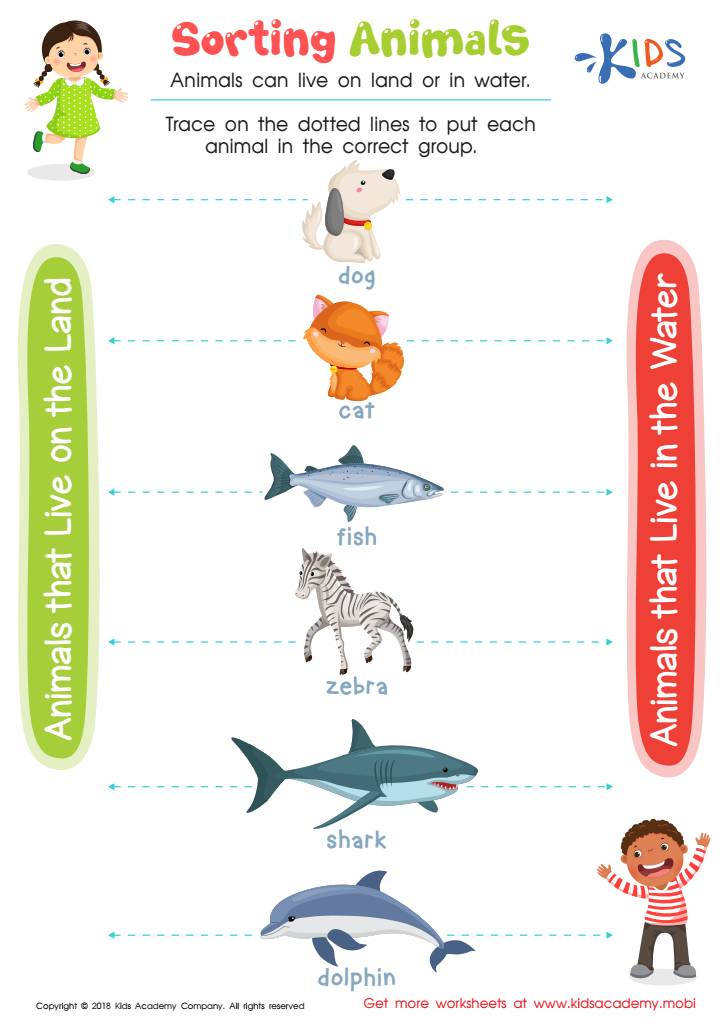
Sorting Animals Worksheet
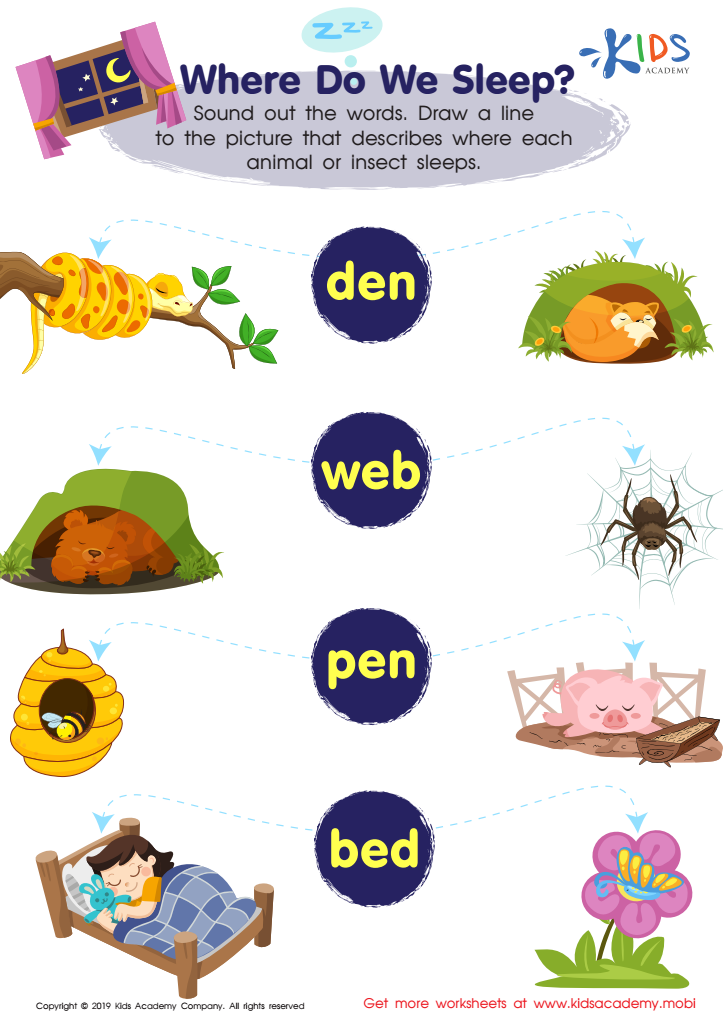
Where Do We Sleep Worksheet
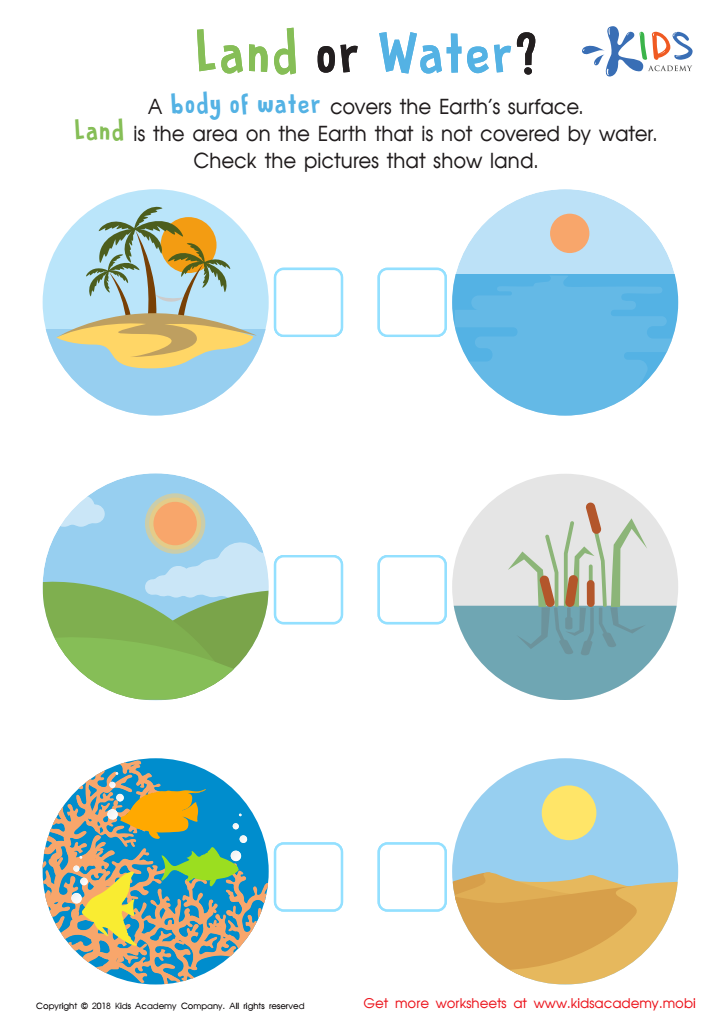
Land or Water Worksheet
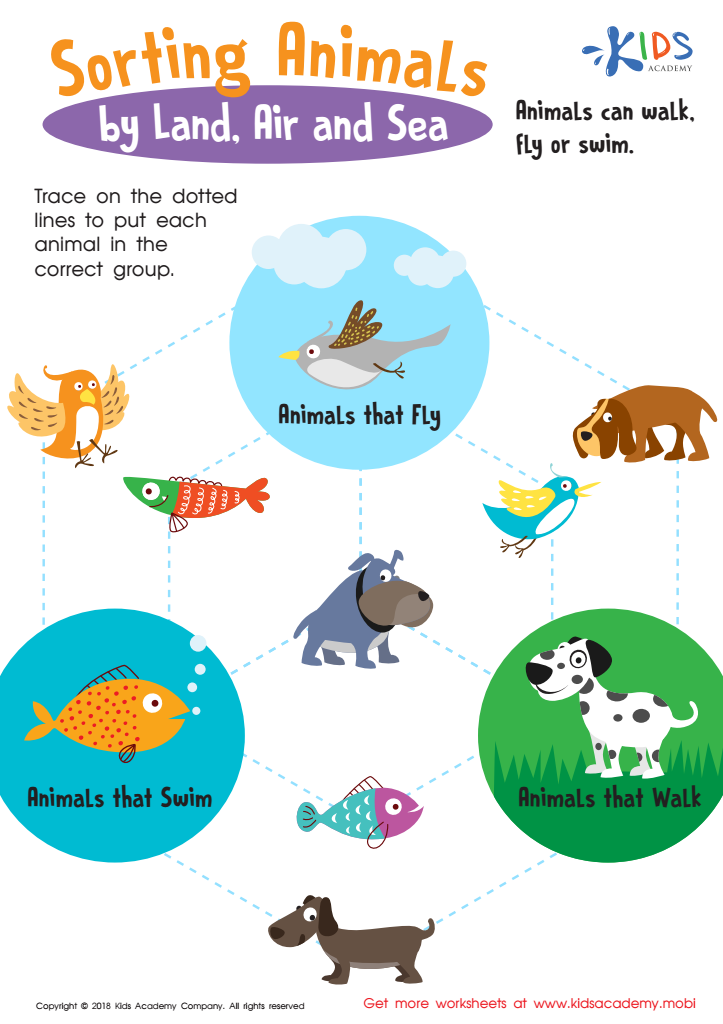
Sorting Animals by Land, Air and Sea Worksheet
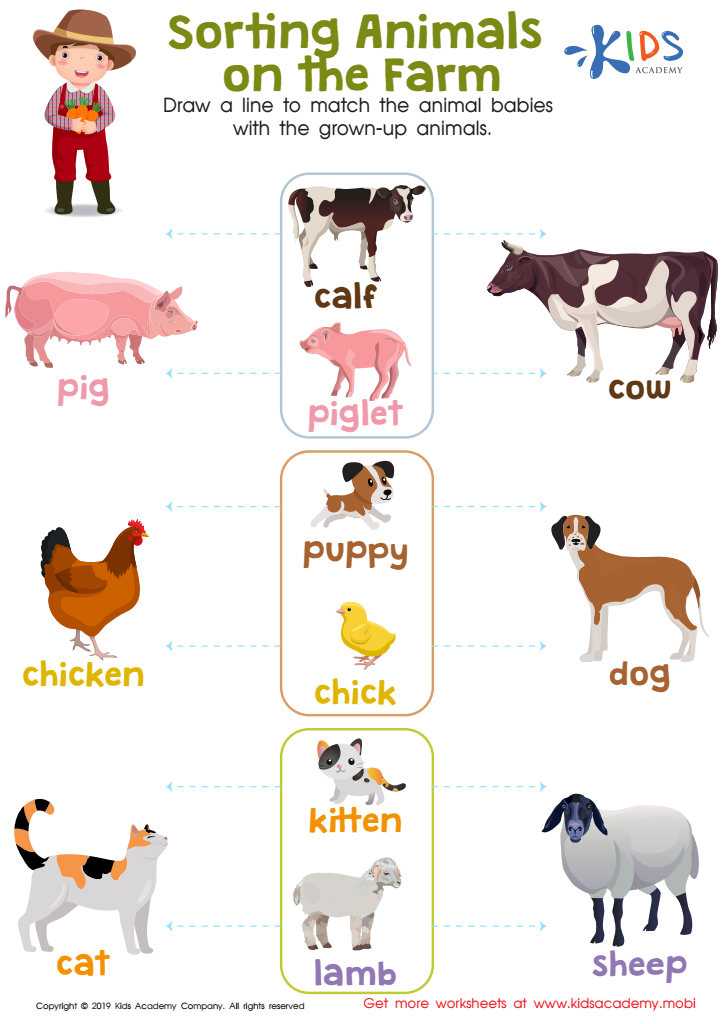
Sorting Animals on the Farm Worksheet







Understanding habitats is vital for children ages 4-5, and parents and teachers play a crucial role in this learning phase. At this age, children's curiosity about the world around them is blooming. Learning about habitats—where plants and animals live—supports early scientific inquiry. By exploring diverse environments, such as forests, oceans, and deserts, children develop a foundational appreciation for nature.
Moreover, recognizing different habitats encourages empathy and respect for living creatures and the environment. It fosters a sense of responsibility in young learners, helping them understand the importance of conservation and sustainability. Introducing concepts of food chains and interdependence can spark their interest in ecology and promote critical thinking skills.
Engaging activities such as nature walks, habitat dioramas, or storytelling can make these concepts accessible and fun. These experiences enhance vocabulary and communication skills as children learn to describe various habitats and the organisms that inhabit them.
Ultimately, understanding habitats nurtures a connection with nature, laying the groundwork for environmentally conscious citizens in the future. This early learning not only enriches children’s educational experiences but also fosters a lifelong appreciation for the natural world. Such values enrich their character and promote stewardship of the earth.








