Understanding numbers Worksheets for Ages 4-5
4 filtered results
-
From - To
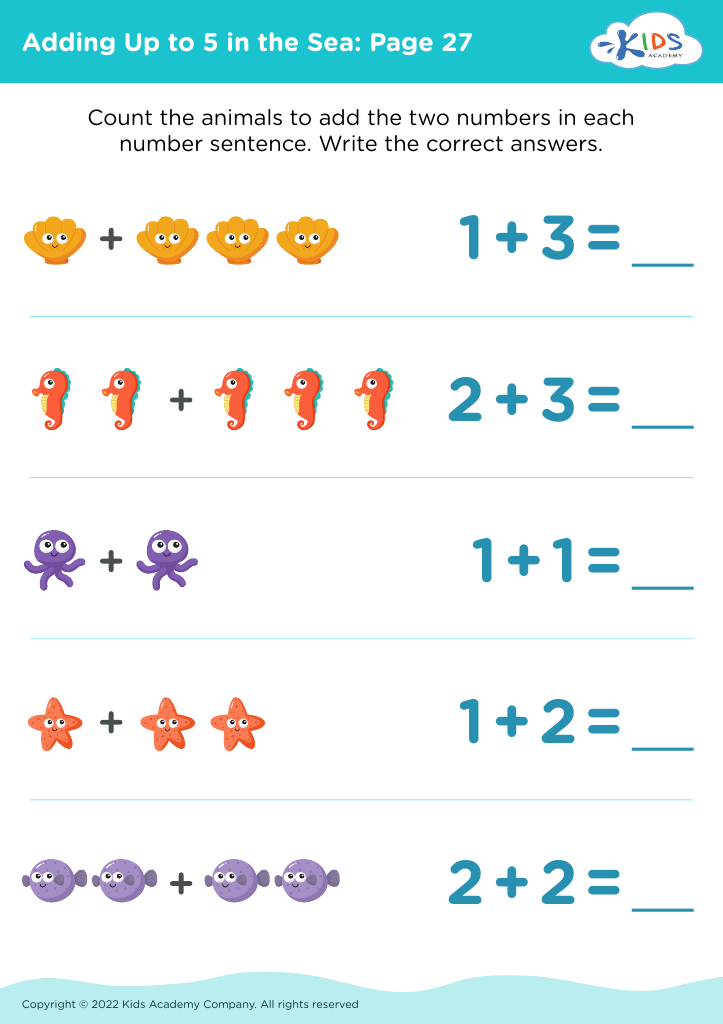
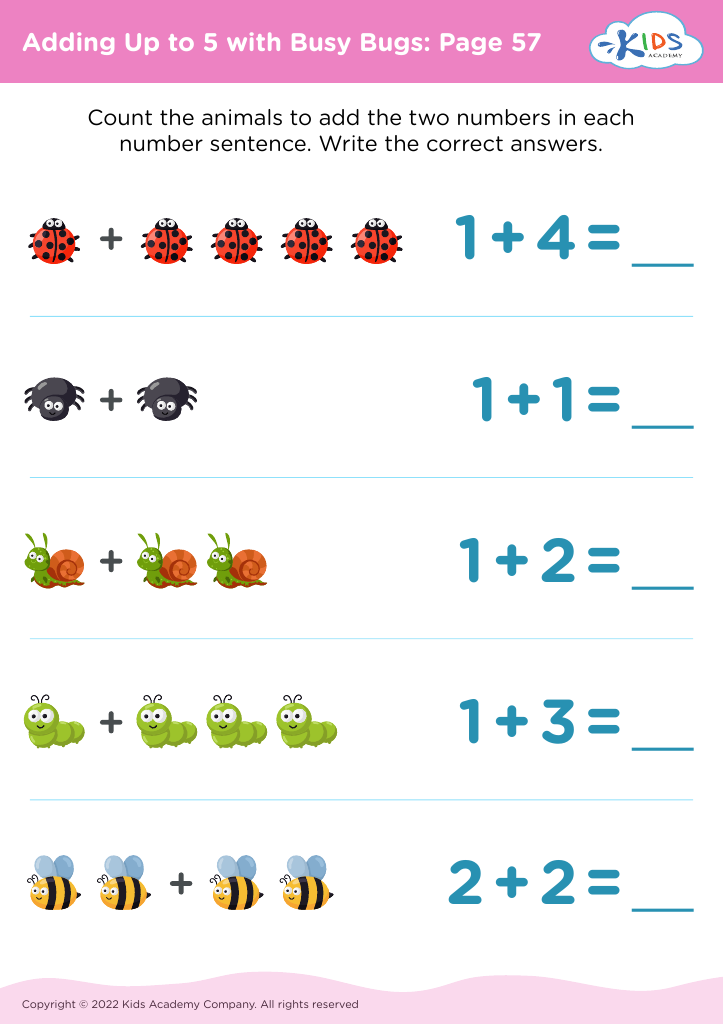
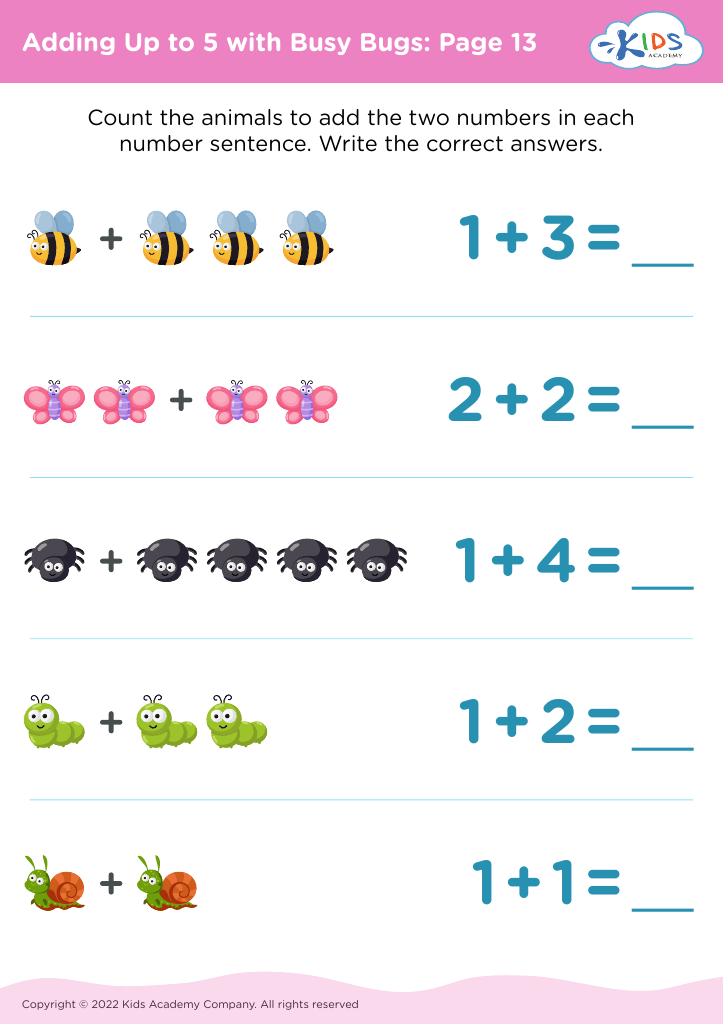
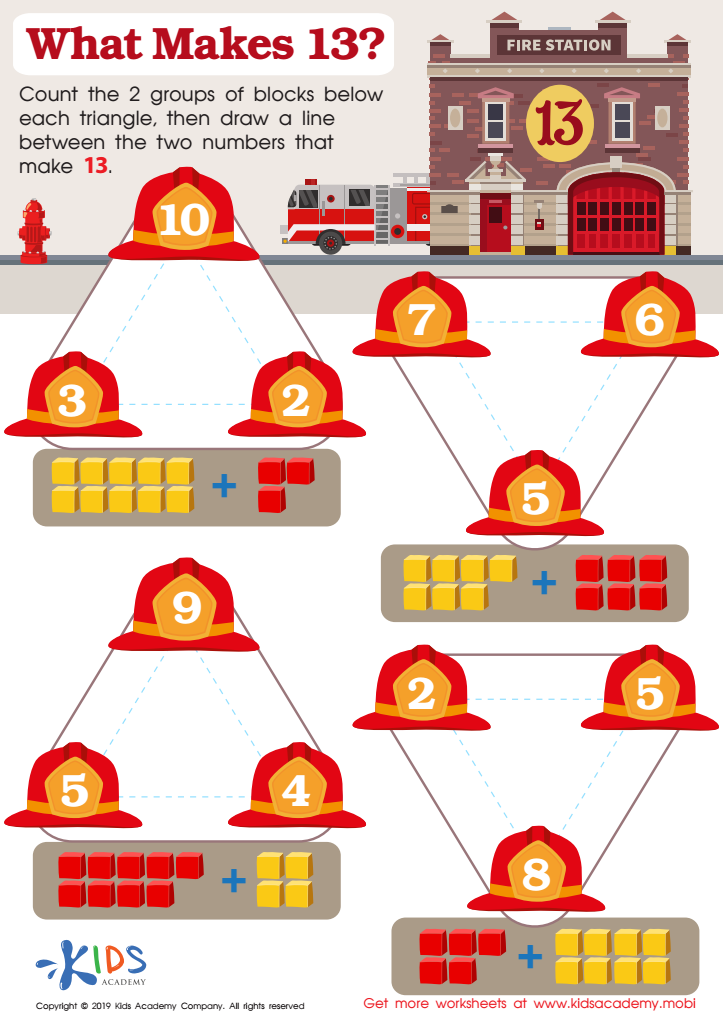
Explore our "Understanding Numbers Worksheets for Ages 4-5," designed to make early math fun and engaging! These worksheets provide young learners with a solid foundation in number recognition, counting, and basic numeral writing. Each activity is crafted to promote cognitive development through colorful images and interactive exercises, ensuring that children grasp essential math concepts while enjoying the learning process. Our resources cater to various skill levels, helping kids build confidence as they practice. Perfect for at-home learning or classroom reinforcement, these worksheets are an excellent way to lay the groundwork for a lifetime of math success. Download your worksheets today!
What Makes 13 Worksheet
 Assign to My Students







Understanding numbers is a foundational skill that significantly impacts a child's cognitive development and academic success. For children aged 4-5, this stage serves as a critical time for building an intuitive grasp of mathematical concepts. Parents and teachers should care about fostering this understanding because it lays the groundwork for future learning in mathematics and problem-solving.
At this age, children are naturally curious and eager to learn. Integrating math concepts into daily activities—such as counting objects during play or measuring ingredients during cooking—can make learning engaging and relevant. When children understand numbers, they develop spatial awareness and enhanced logical thinking, which are vital skills not just in math, but in everyday situations.
Moreover, early numerical literacy is correlated with later academic achievement. Children who have a strong number sense by the time they enter school tend to perform better in math and related subjects. Additionally, it nurtures self-esteem and encourages a positive attitude toward learning.
By prioritizing number understanding, parents and teachers empower children to become confident learners, fostering a solid academic foundation that will benefit them throughout their educational journey. Investing in number understanding now yields lifelong advantages, helping children to navigate a world rich in numerical information.








