Understanding symmetry Worksheets for Ages 4-5
7 filtered results
-
From - To
Unlock the wonders of early geometry with our "Understanding Symmetry Worksheets" for ages 4-5! Specially designed for young learners, these engaging worksheets introduce children to the concept of symmetry through fun, hands-on activities. Kids will explore symmetrical shapes, patterns, and objects, laying a solid foundation for future math skills. Vibrant visuals and interactive tasks make learning intuitive and exciting. Whether coloring, drawing, or matching symmetrical halves, your child will develop critical thinking and observational skills. Perfect for at-home practice or classroom use, these worksheets turn abstract concepts into play-filled discovery! Start your symmetry adventure today!
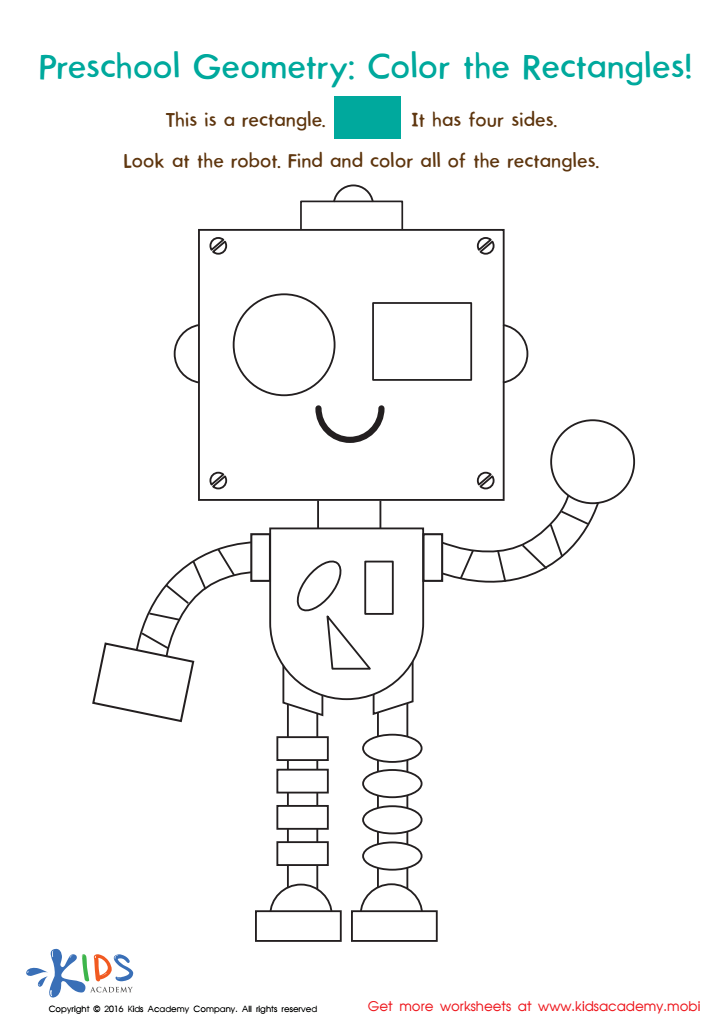
Geometry Worksheet
 Assign to My Students
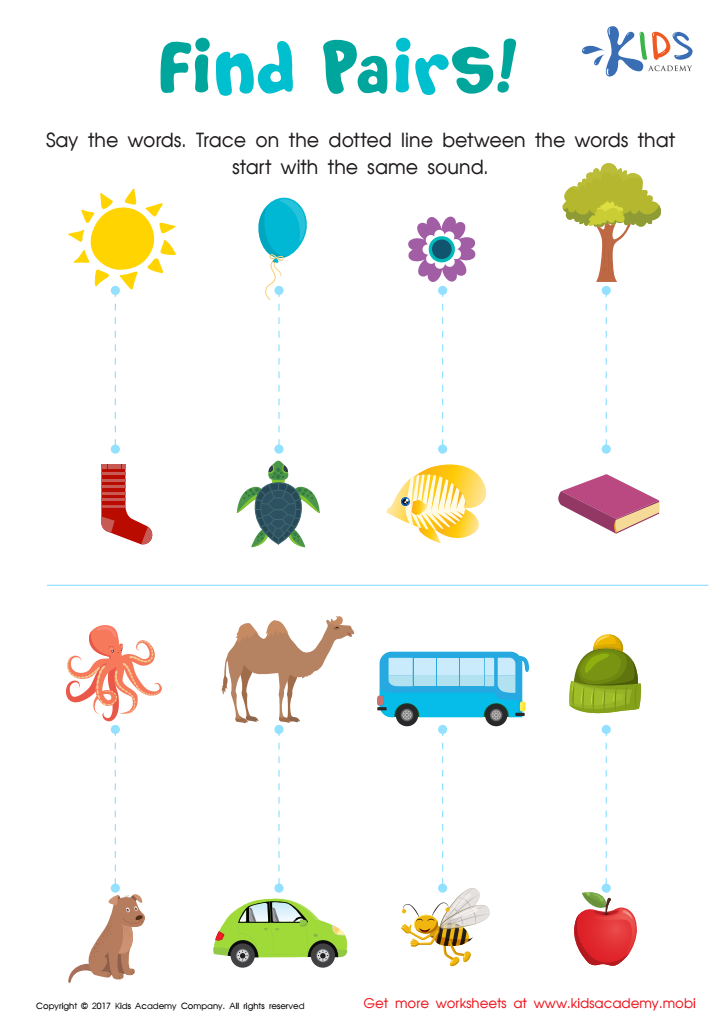
Beginning Sound: Find Pairs Worksheet
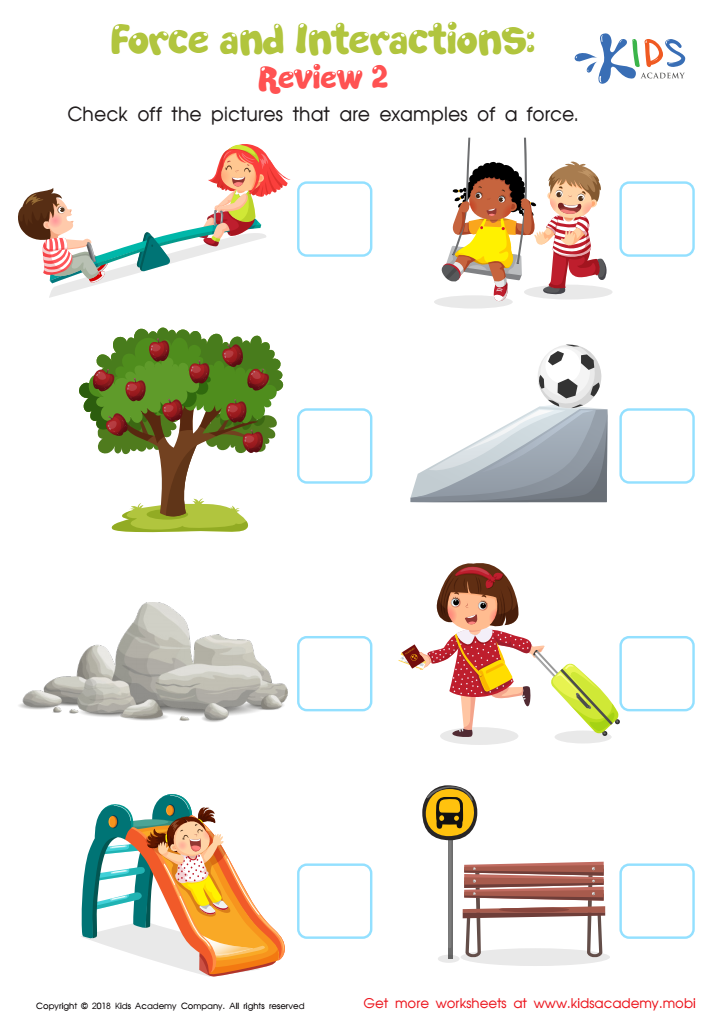
Force and Interactions: Review 2 Worksheet
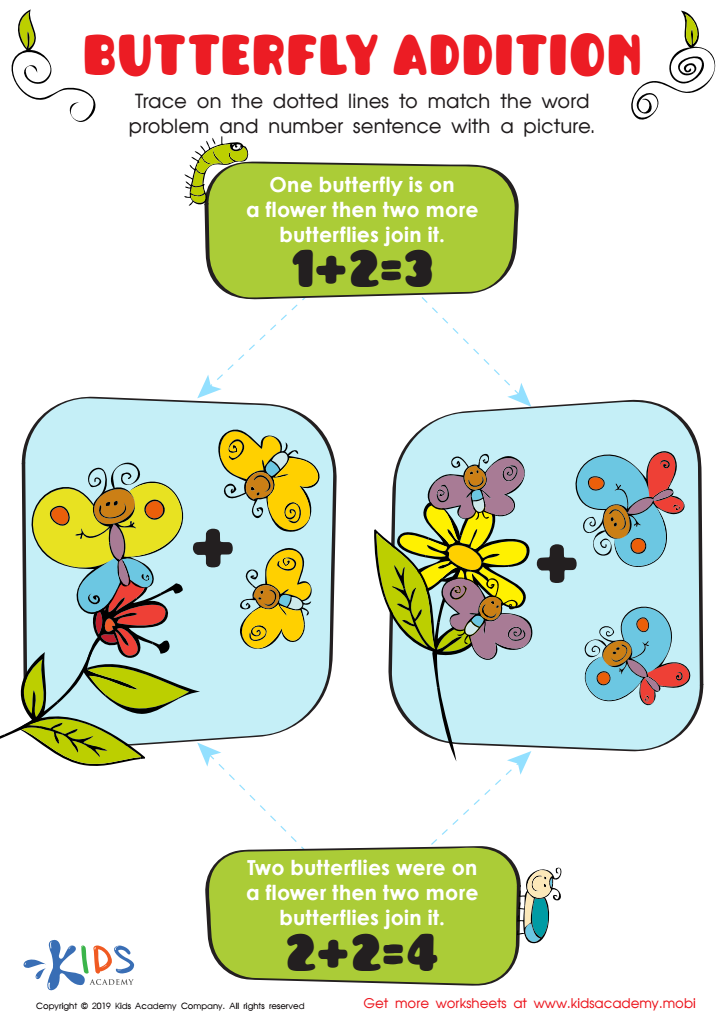
Butterfly Addition Worksheet
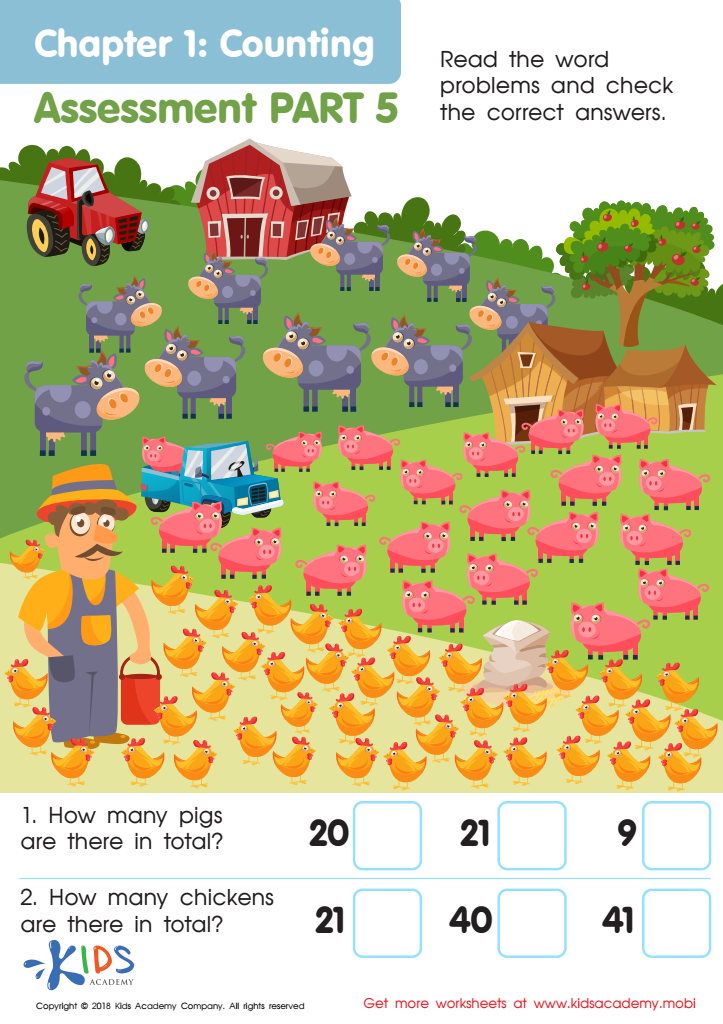
Counting: Assessment 5 Worksheet
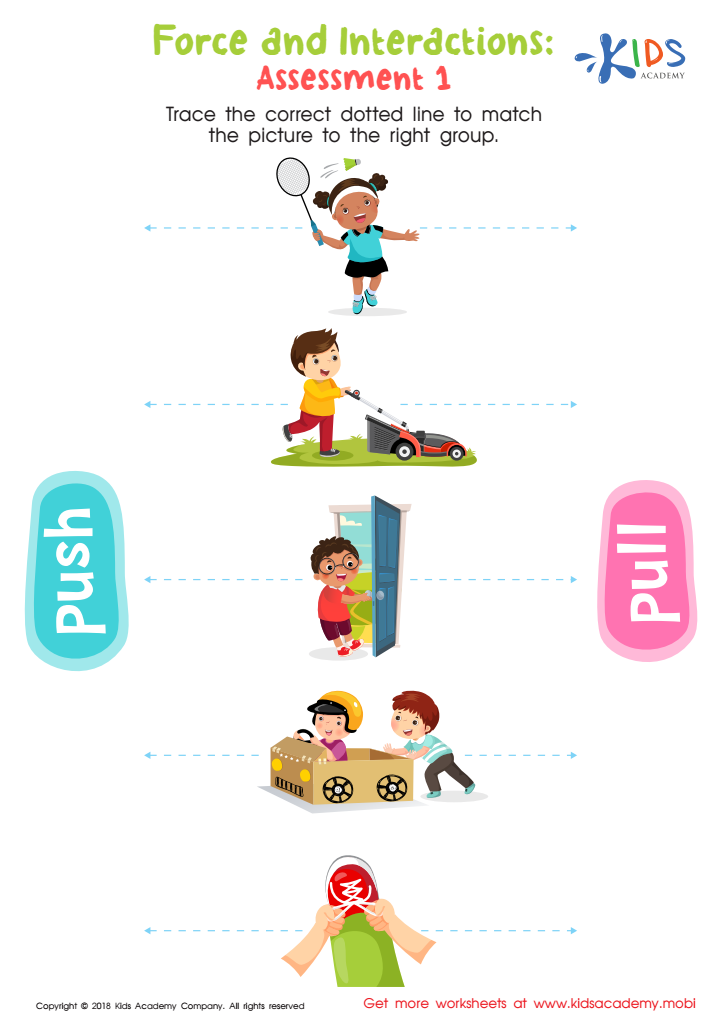
Force and Interactions: Assessment 2 Worksheet






Understanding symmetry at an early age is crucial for the cognitive development of children aged 4-5, as it lays the foundational bricks for more advanced mathematical concepts and spatial awareness. Symmetry helps young minds to identify patterns, understand balance, and realize how different parts of an object relate to one another. These abilities are essential not only in mathematics but also in everyday problem-solving and critical thinking.
For parents and teachers, incorporating symmetry into early childhood education can bolster a child's ability to recognize and create patterns, which are fundamental skills in geometry, art, and even language development. Engaging in activities that involve symmetry, such as drawing mirror images or using building blocks to create symmetrical structures, promotes fine motor skills and enhances visual perception.
Additionally, understanding symmetry can cultivate an appreciation for nature and art, as many natural forms like butterflies, flowers, and leaves exhibit symmetrical properties. This connection can make learning engaging and relevant, fostering a deeper interest in learning.
Overall, emphasizing symmetry in early education supports a rounded intellectual growth, preparing young children for future academic and life challenges by instilling a sense of balance, order, and aesthetics. It makes abstract concepts tangible and therefore, more easily understood as they progress in their educational journey.








