Visual comprehension Worksheets for Ages 4-5
9 filtered results
-
From - To
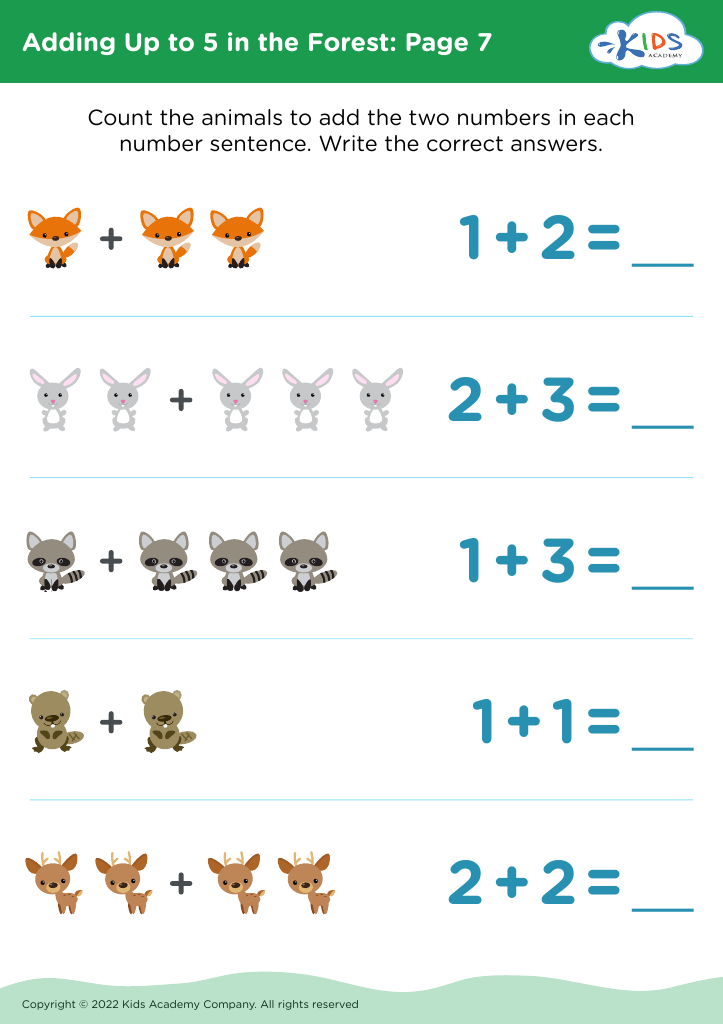
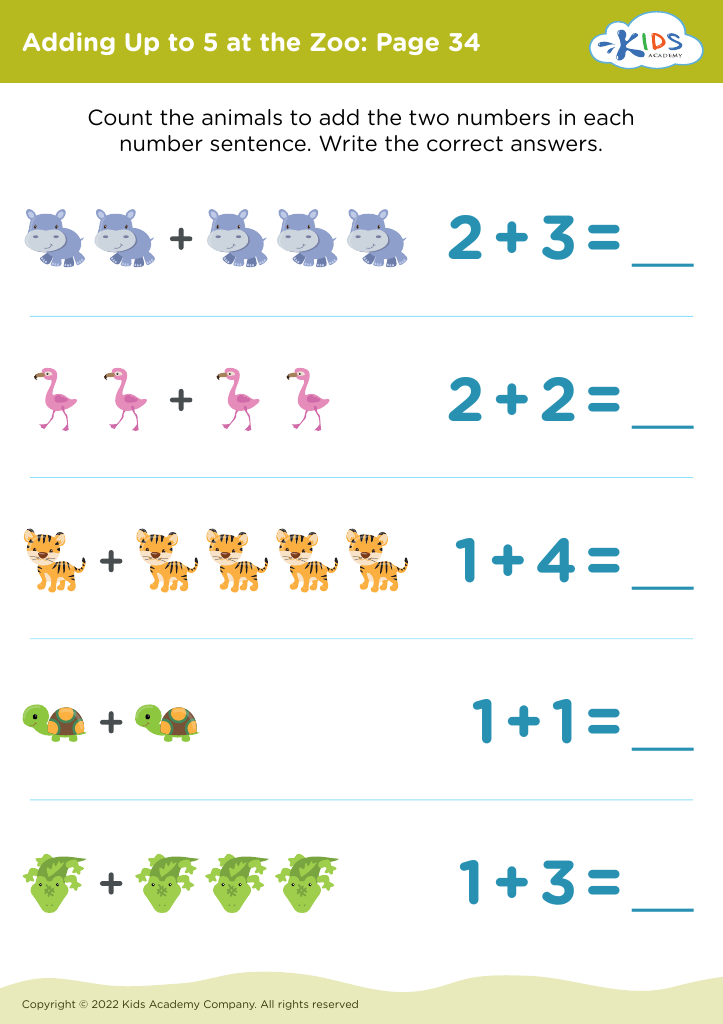
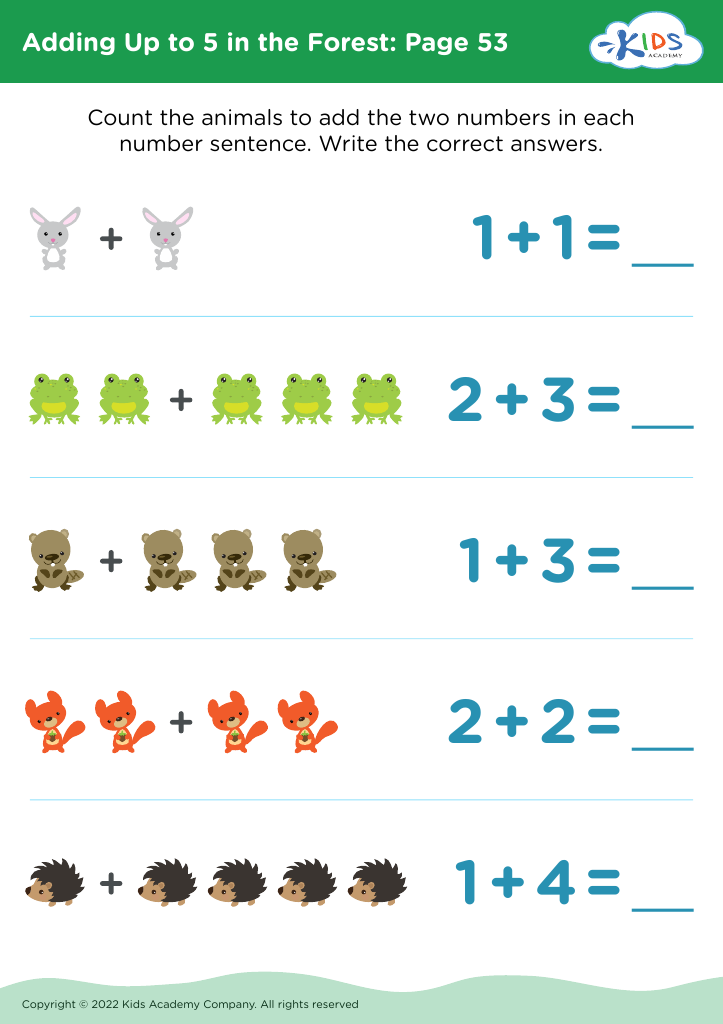
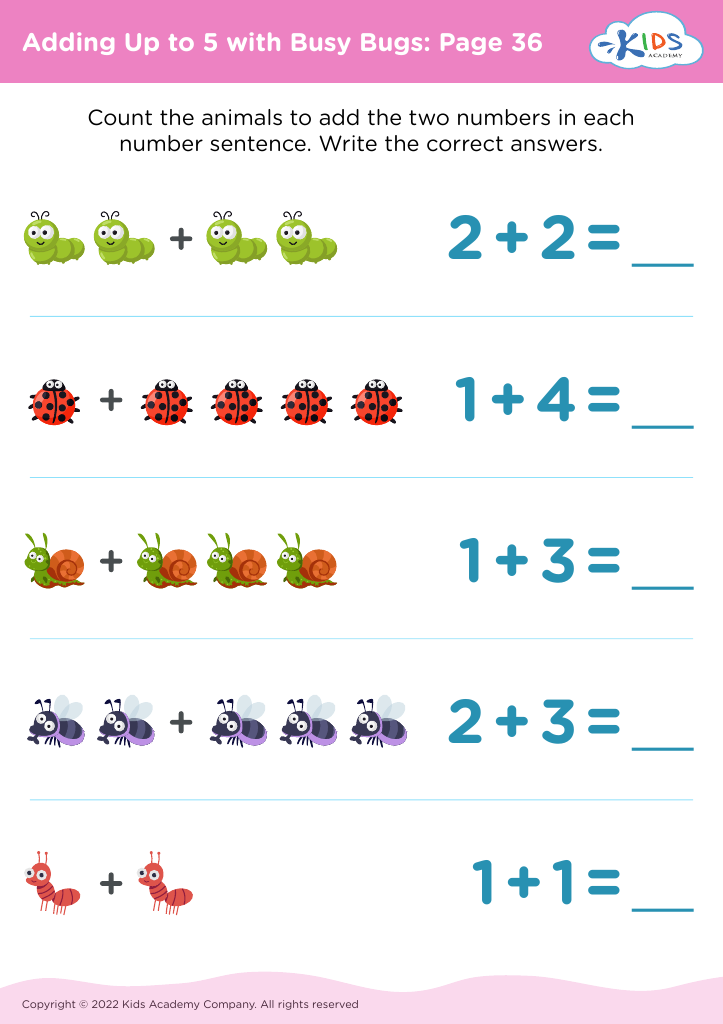
Discover our engaging Visual Comprehension Worksheets designed specifically for children ages 4-5. These worksheets foster essential visual processing skills, allowing young learners to interpret and understand the world around them. Through vibrant illustrations and interactive activities, kids will enhance their ability to analyze images, follow directions, and make connections between visual prompts and stories. Our carefully crafted exercises support early literacy development, encouraging critical thinking and observation skills. Perfect for classroom use or playful at-home learning, these worksheets are a delightful way to nurture your child's visual learning abilities while keeping them entertained. Unlock their potential with Kids Academy today!
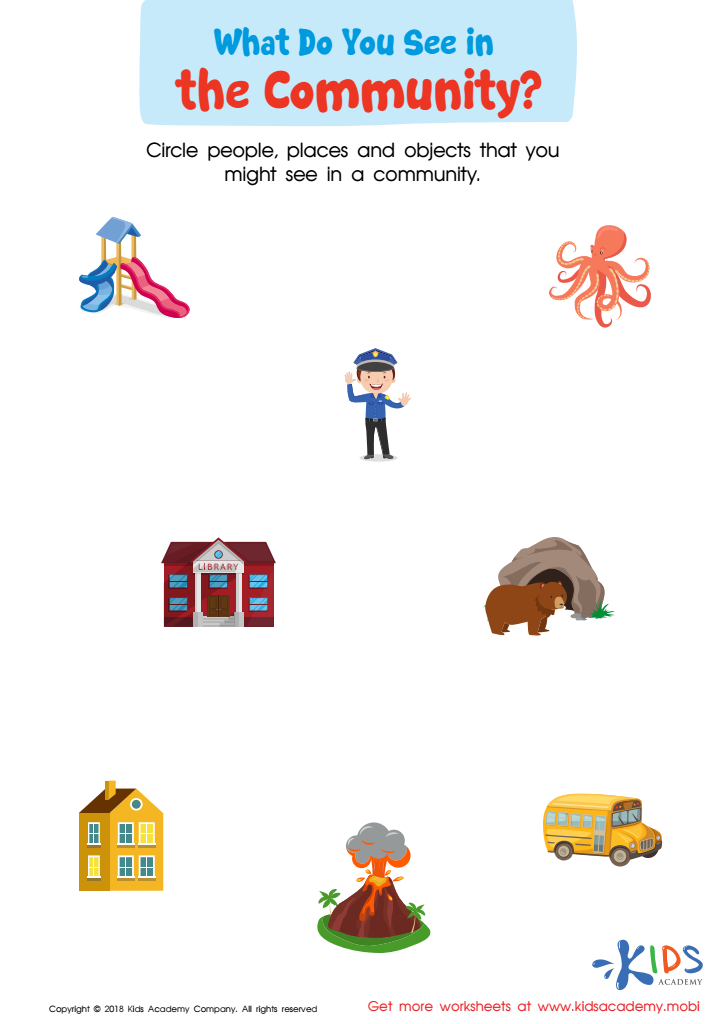
What Do You See in the Community Worksheet
 Assign to My Students
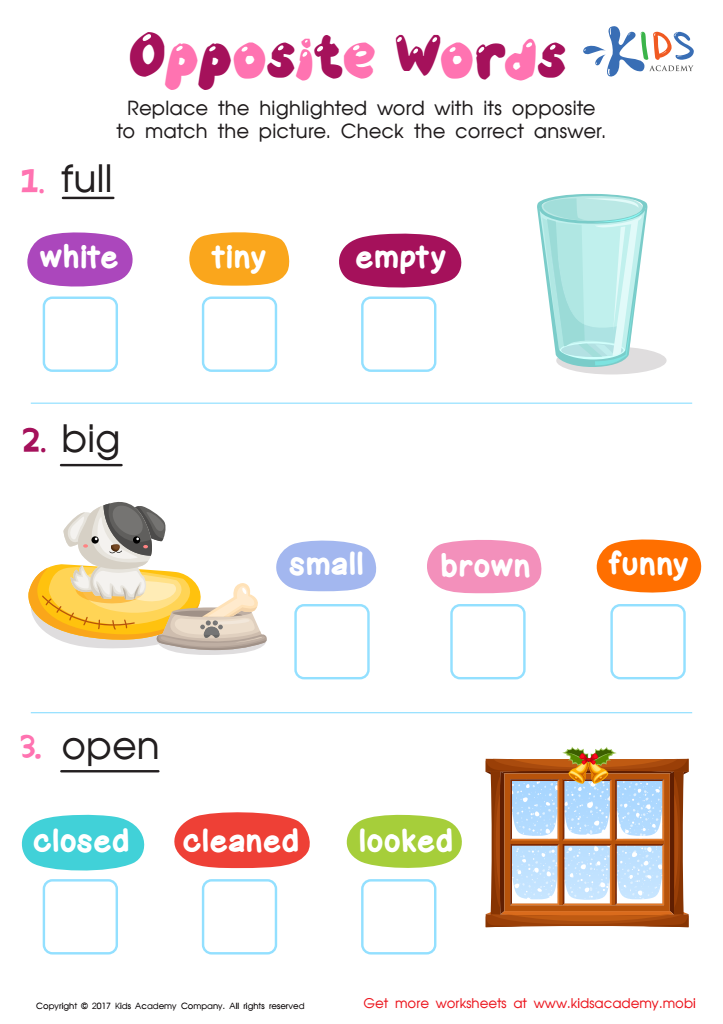
Opposite Words Worksheet
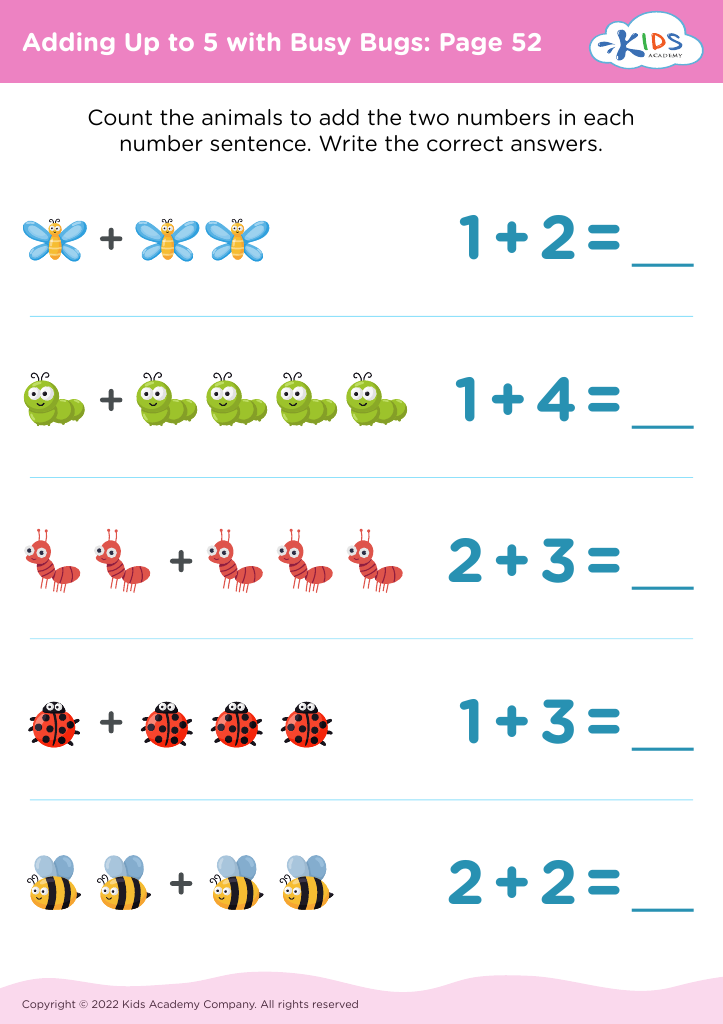






.jpg)

Visual comprehension is essential for children aged 4-5 as it lays the foundation for critical thinking and learning skills. At this developmental stage, children encounter a rich array of visual stimuli, from books and educational materials to their surroundings. Developing visual comprehension allows them to interpret and make meaning from what they see, enhancing their ability to process information.
For parents and teachers, focusing on visual comprehension can significantly aid language development and literacy skills. When children are able to recognize and understand visual cues such as pictures in books, they are better equipped to make connections between visuals and words, fostering early reading skills. Moreover, activities that enhance visual comprehension, such as puzzles, sorting games, and picture storytelling, cultivate problem-solving abilities and boost cognitive development.
Additionally, strong visual comprehension supports children's abilities to follow directions and engage in classroom activities. These skills result in improved confidence and social interaction with peers. By prioritizing visual comprehension in early education, parents and teachers establish crucial pathways for academic success and lifelong learning, ultimately creating a nurturing environment that promotes curiosity, exploration, and understanding. Therefore, investing time and effort into enhancing these skills benefits children profoundly in their cognitive and social development.








