Vocabulary development Worksheets for Ages 4-5 - Page 2
44 filtered results
-
From - To
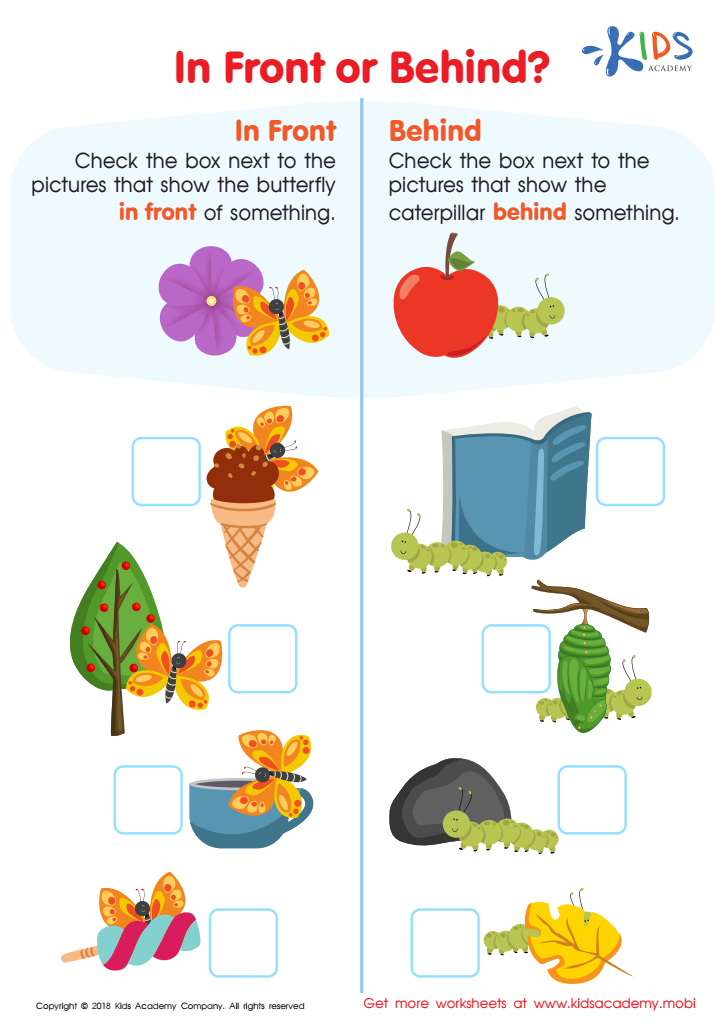
In Front or Behind Worksheet
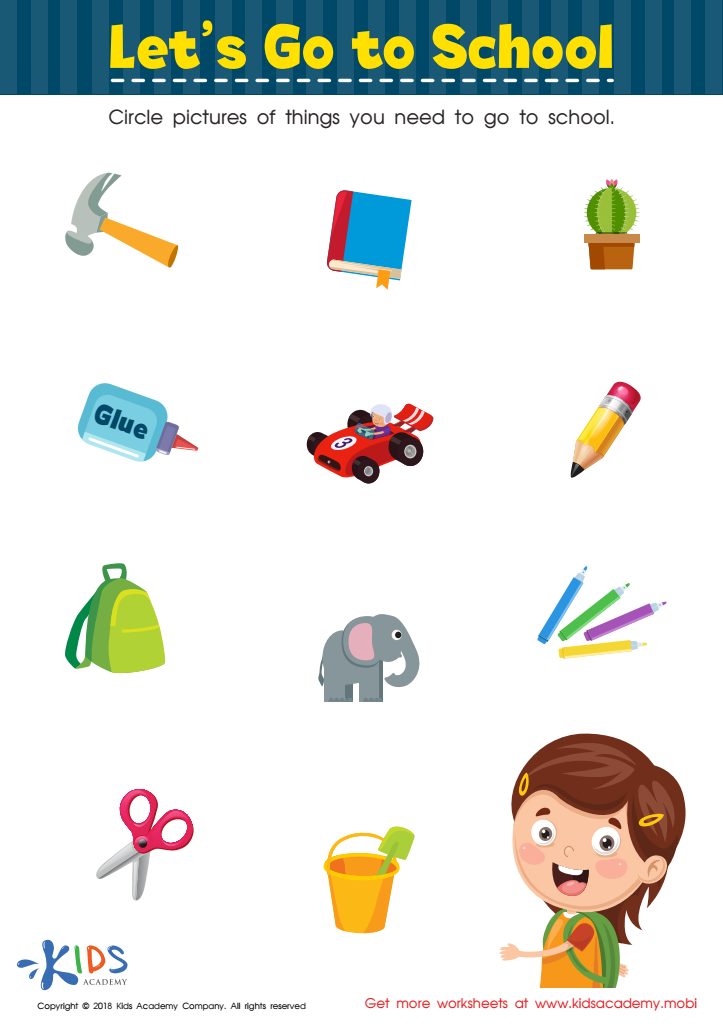
Let's Go to School! Worksheet
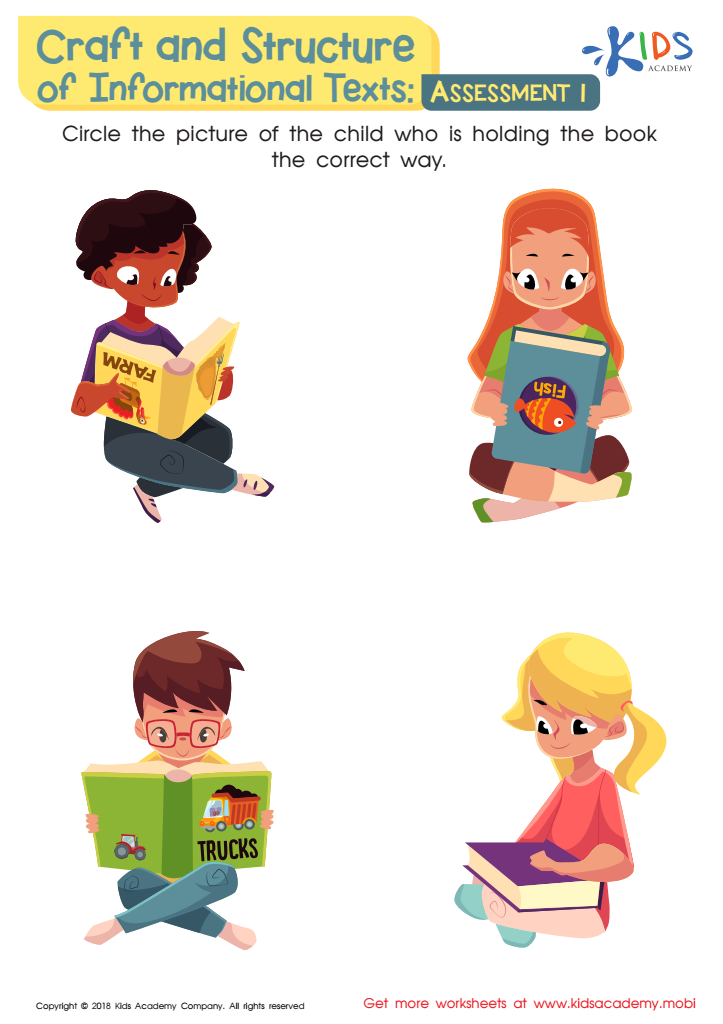
Craft and Structure of Informational Texts: Assessment 1 Worksheet

Turkey Thanksgiving Day Worksheet
 Assign to My Students
The Three Little Pigs Worksheet
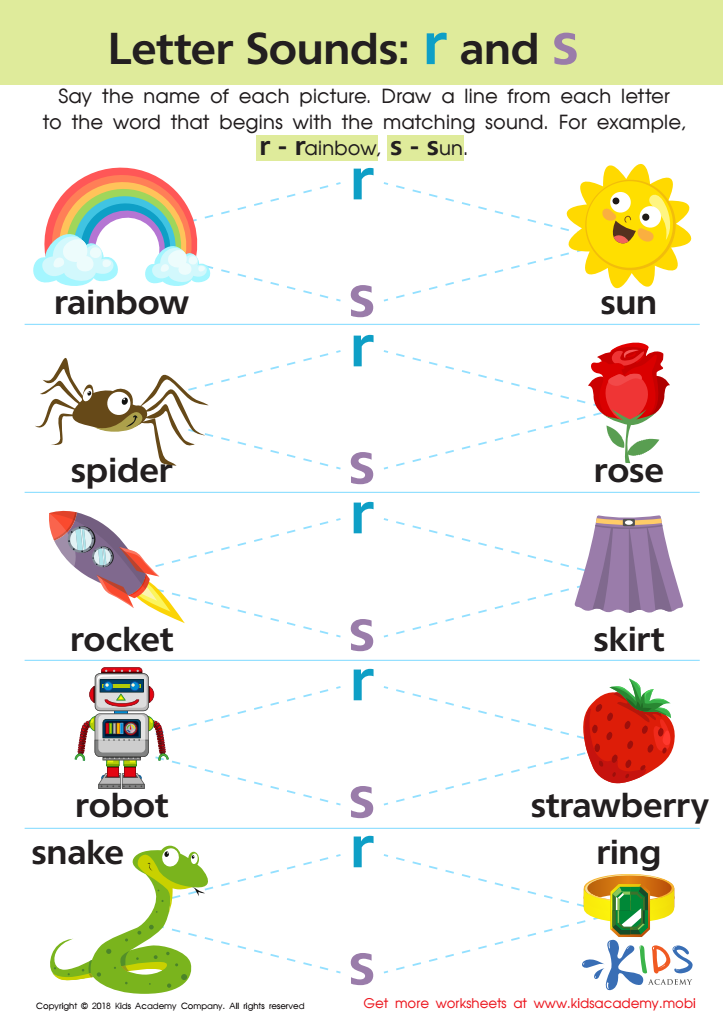
Letter R and S Sounds Worksheet
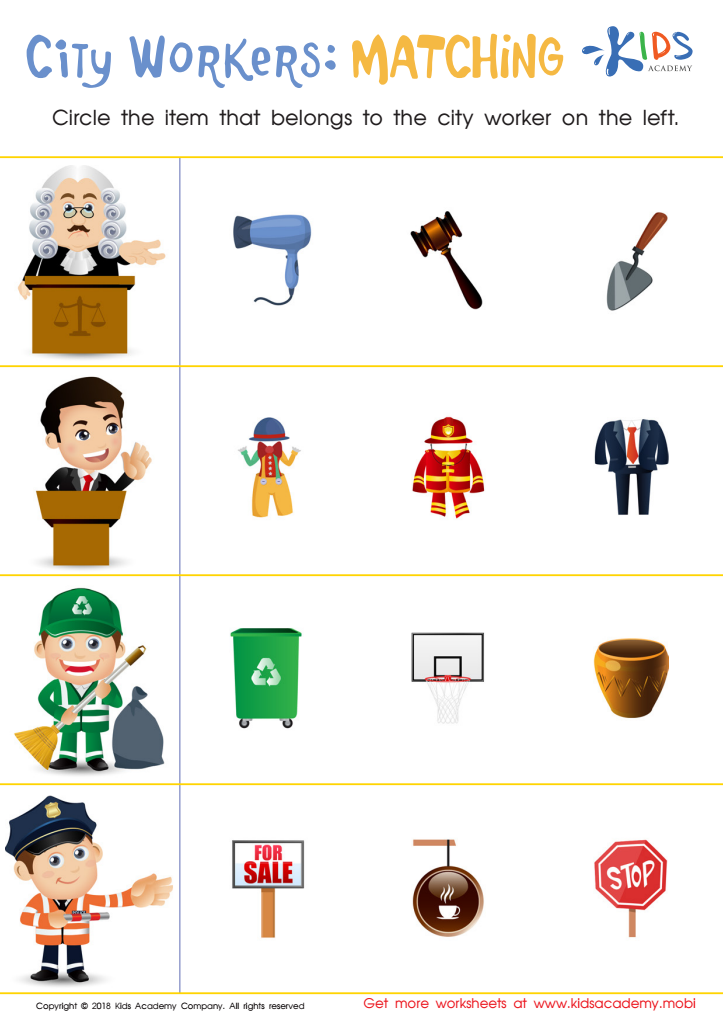
City Workers: Matching Worksheet
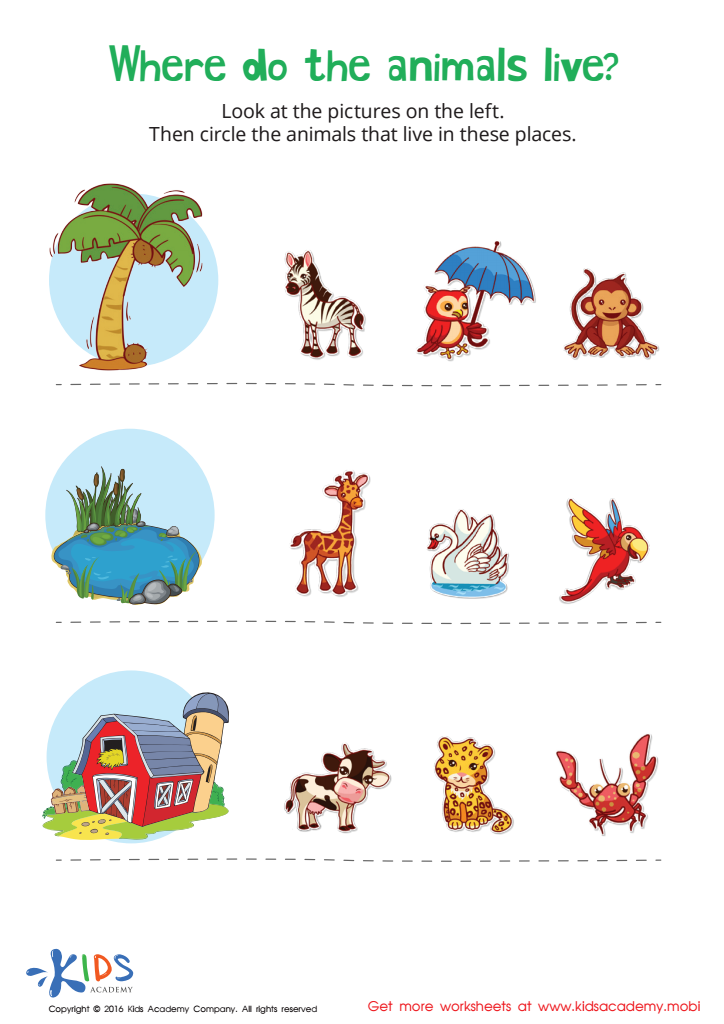
Where Animals Live Worksheet
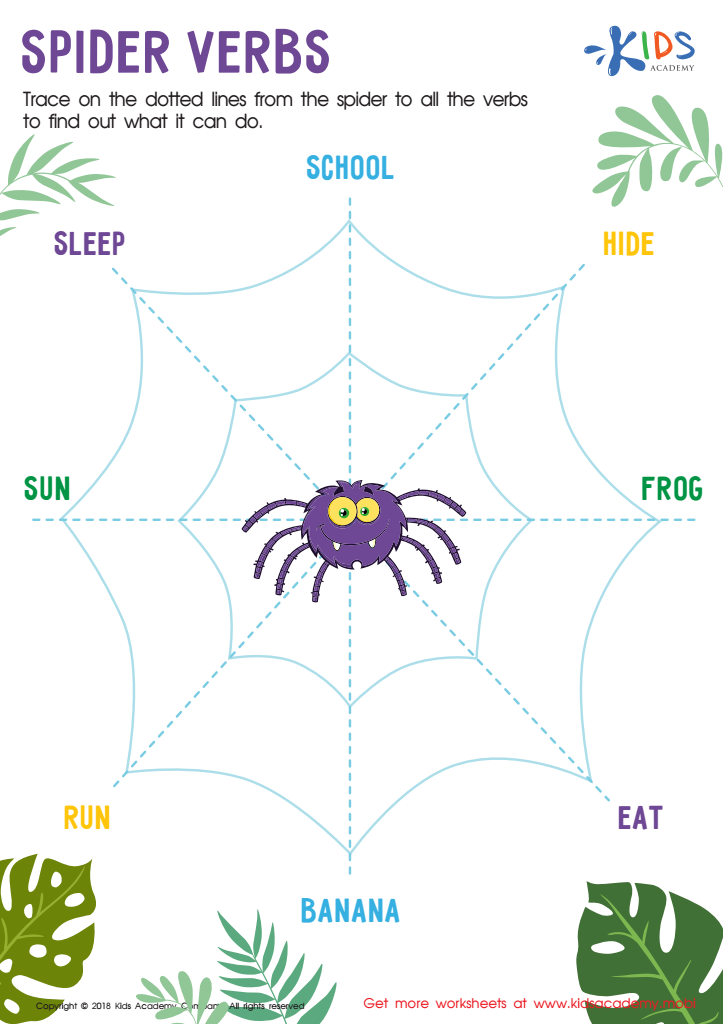
Spider Verbs Worksheet
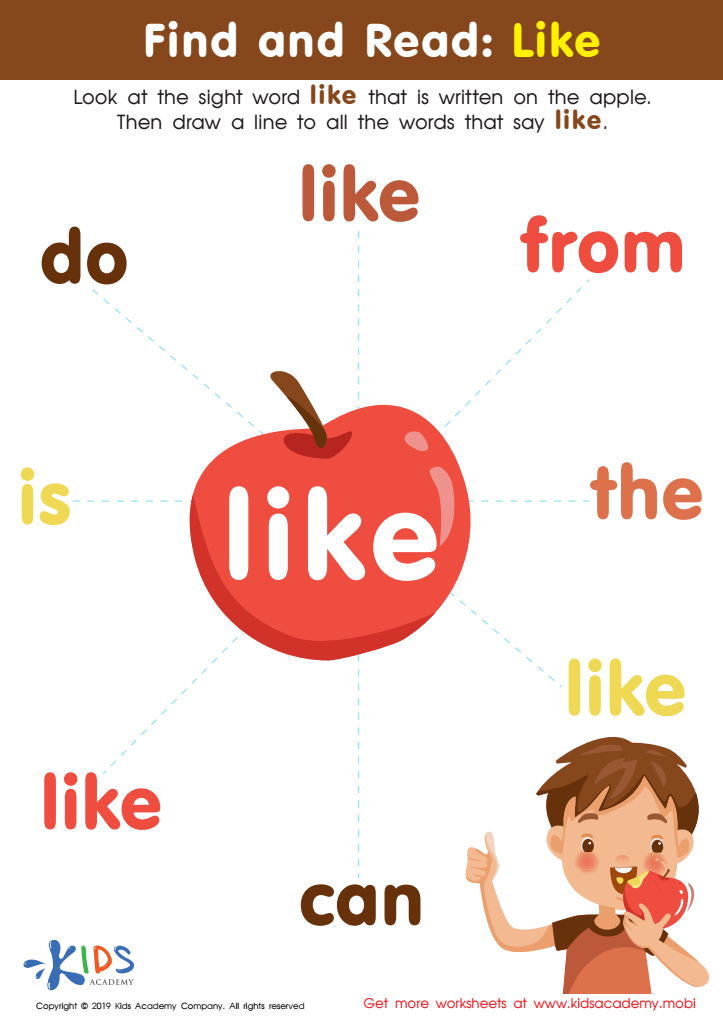
Find and Read: Like Worksheet
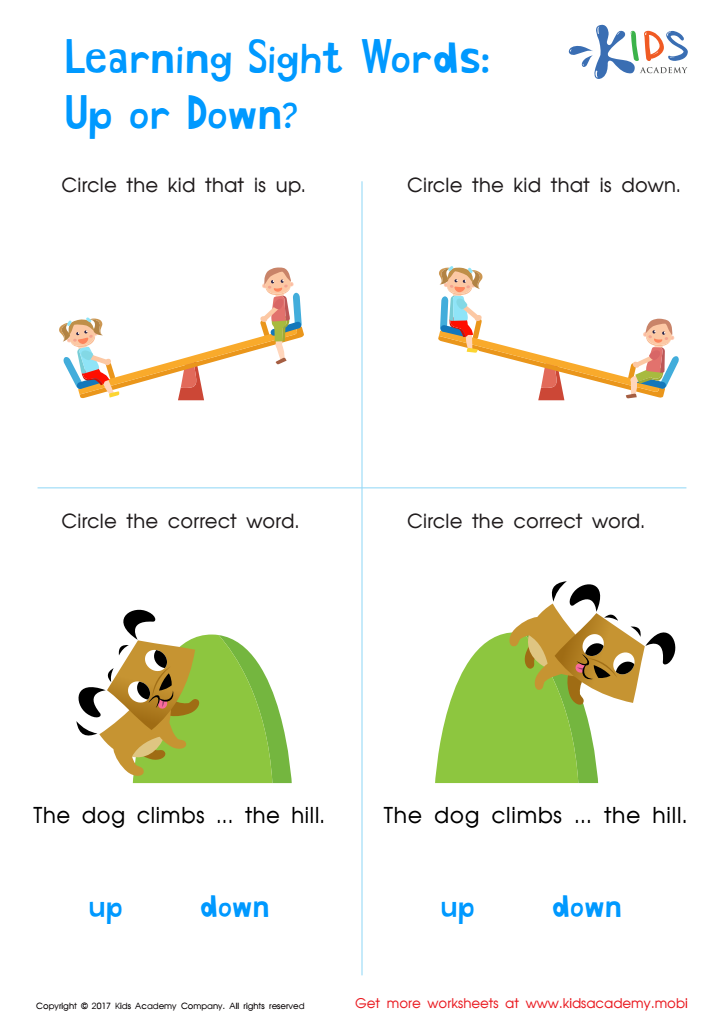
Up or Down Printable Sight Words Worksheet
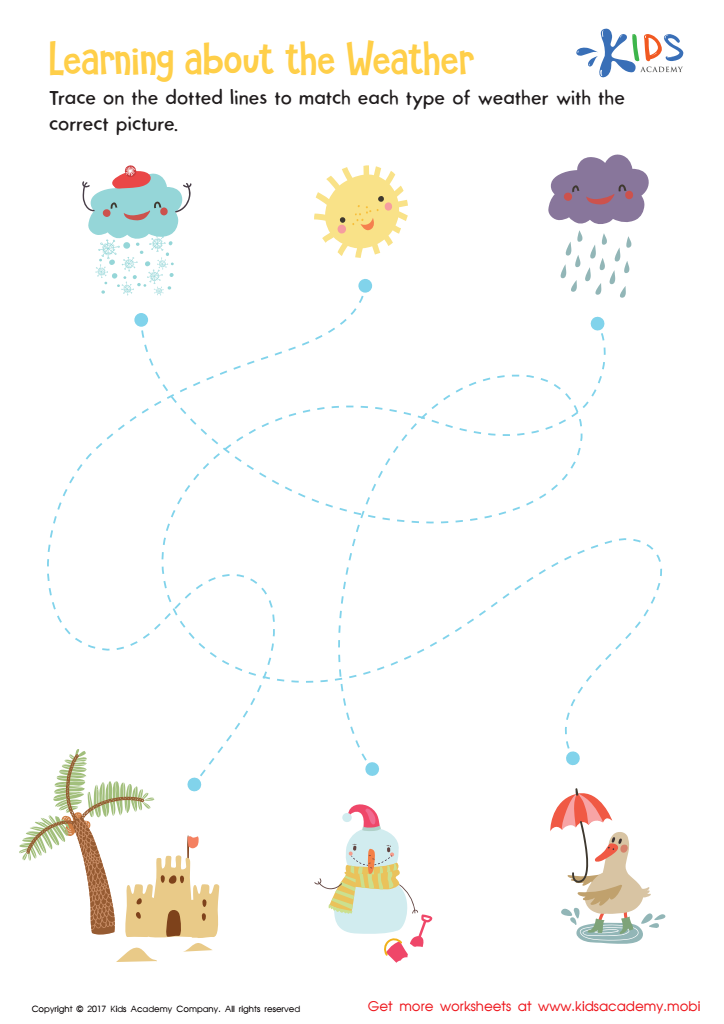
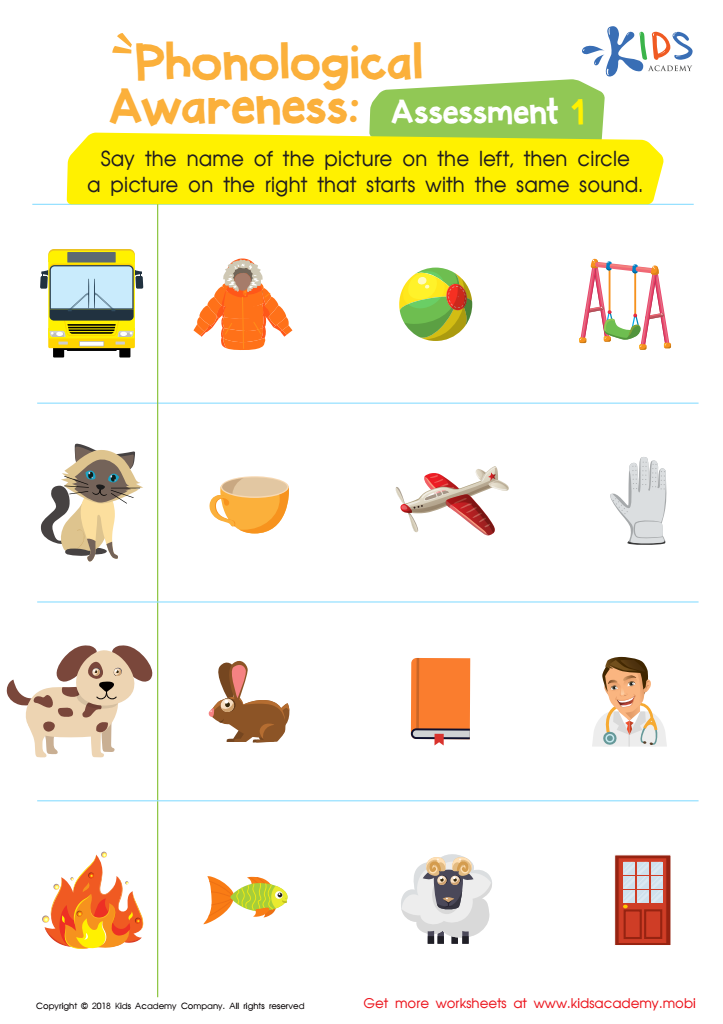
Phonological Awareness: Assessment 1 Worksheet
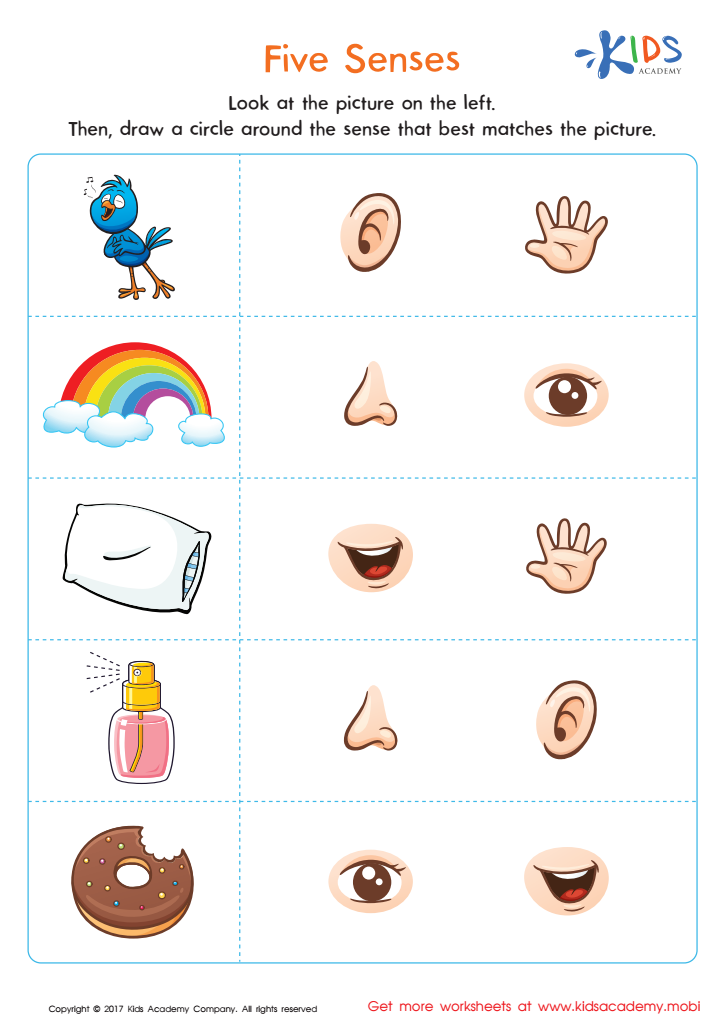
Five Senses Printable
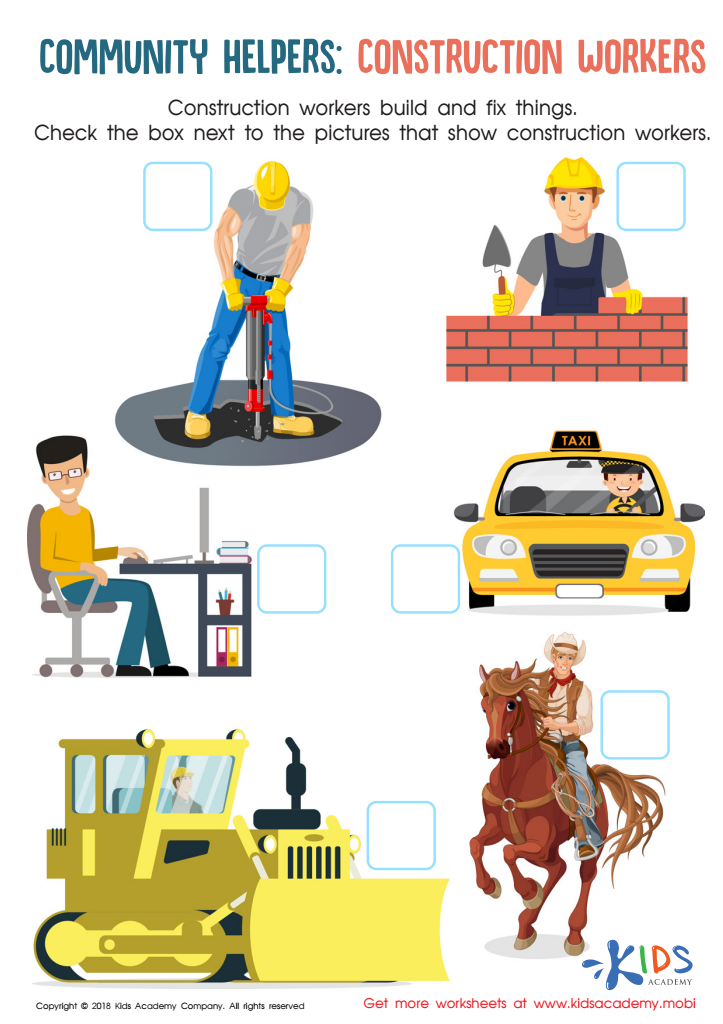
Construction Workers Community Helpers Worksheet
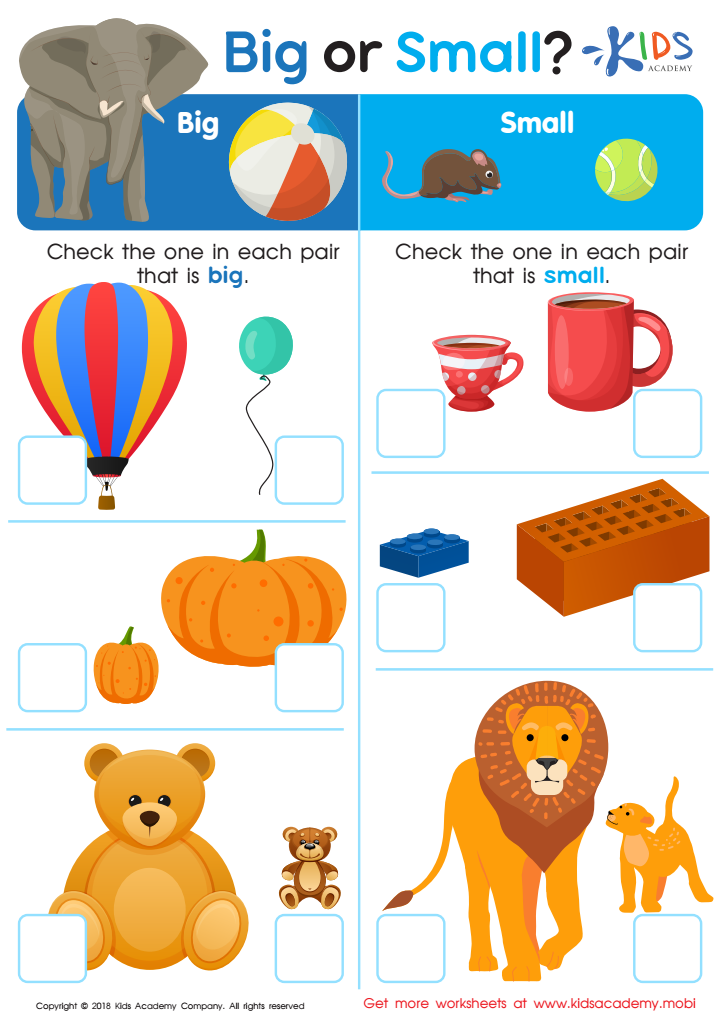
Big or Small? Worksheet
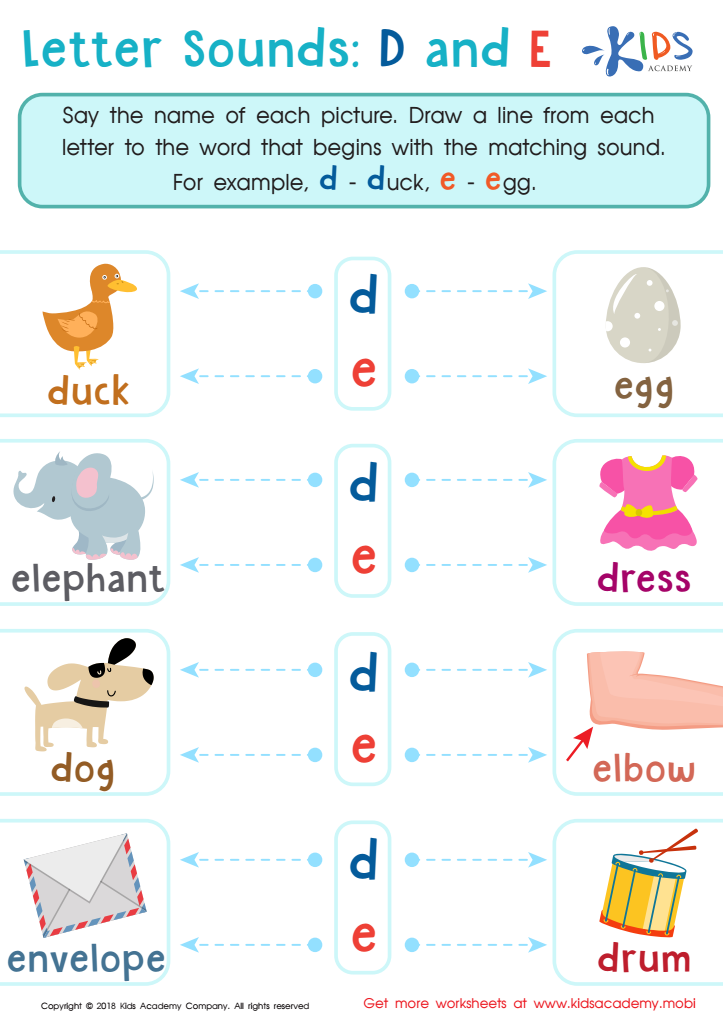
Letter D and E Sounds Worksheet
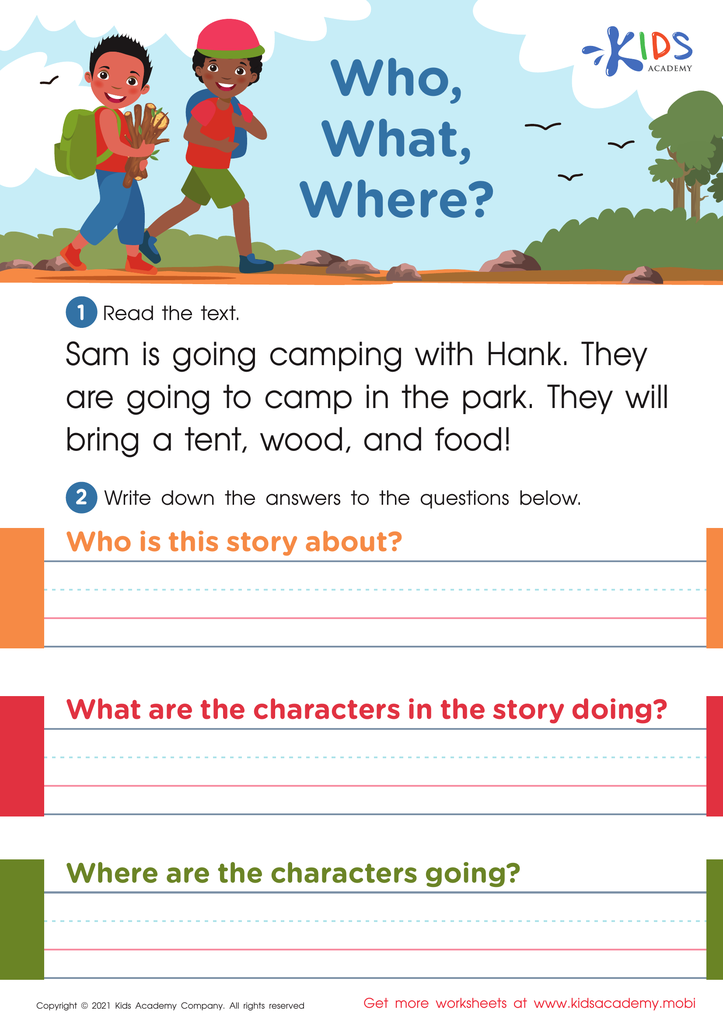
Who, What, Where? Worksheet

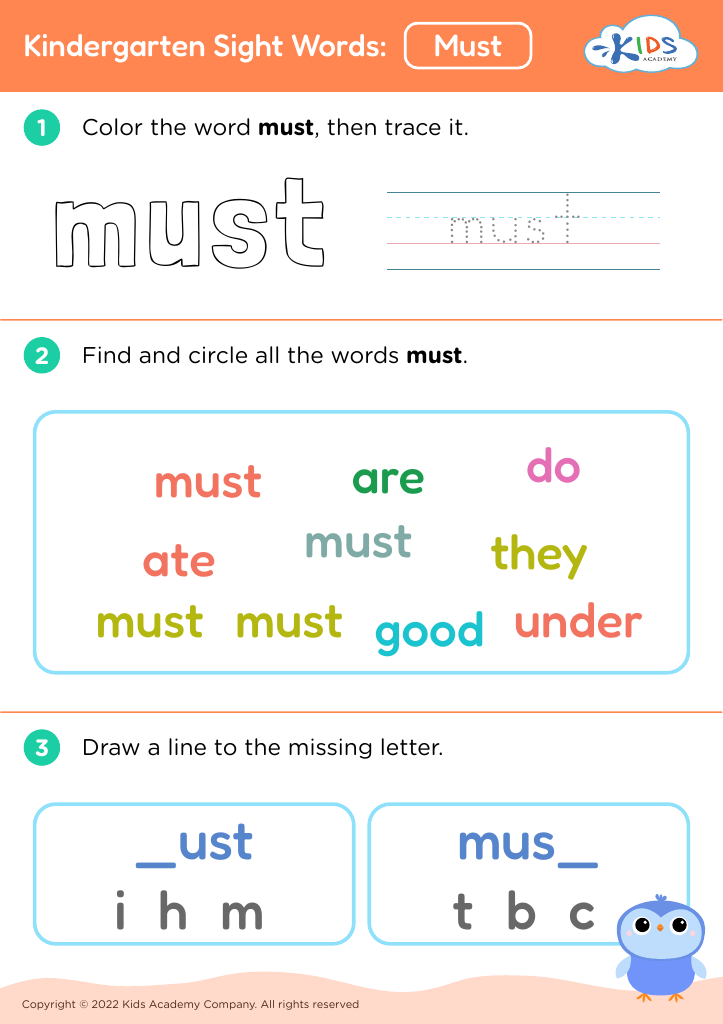


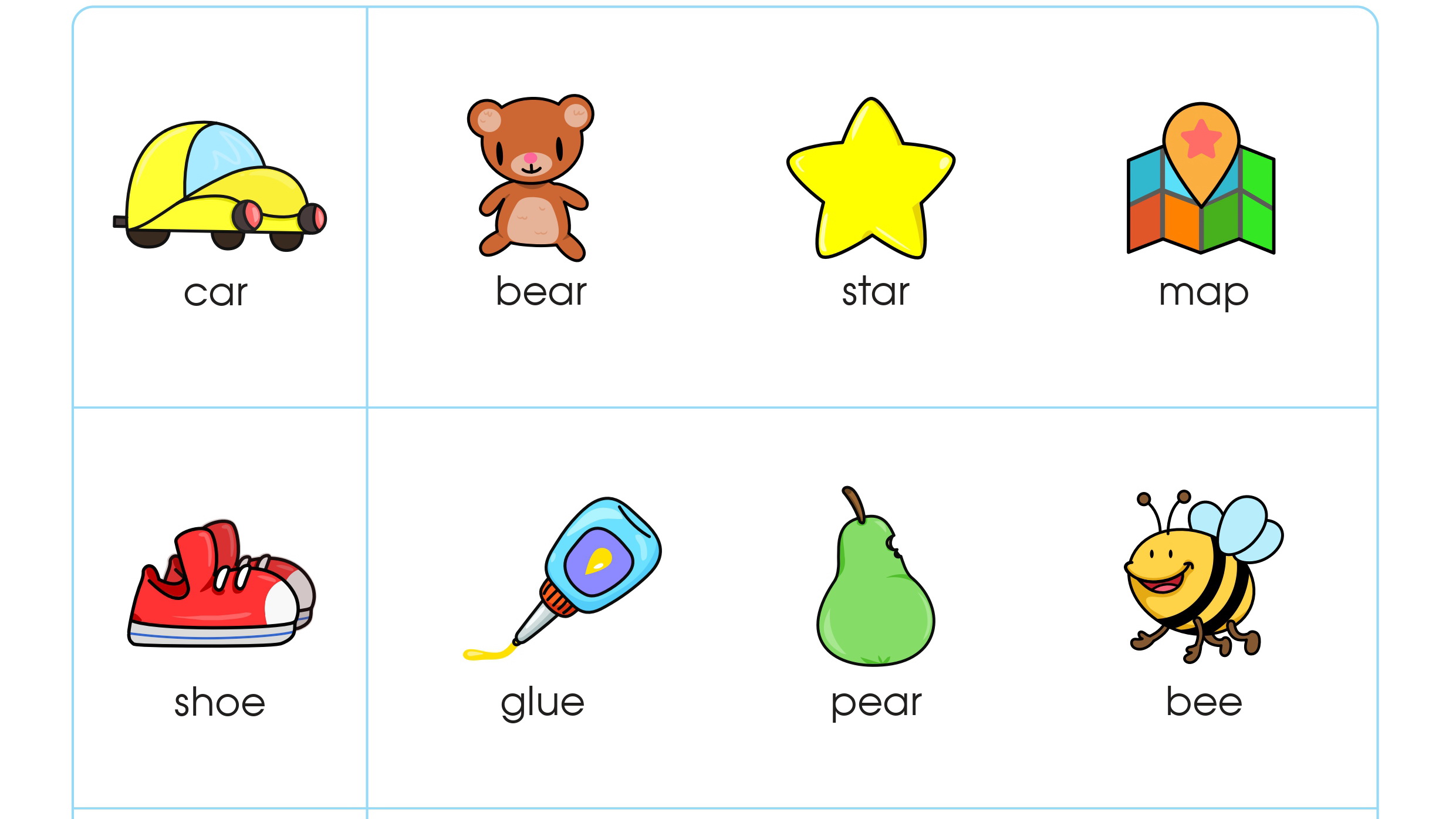





Vocabulary development at ages 4-5 is crucial for several reasons, and parents and teachers play a pivotal role in fostering this growth. During these formative years, children experience rapid cognitive, social, and emotional growth. A robust vocabulary is foundational to effective communication, enabling young children to express their thoughts, needs, and emotions clearly. Additionally, vocabulary breadth is linked to reading comprehension and academic success. As children encounter more words, they enhance their understanding and ability to decode new texts, laying a strong foundation for future learning.
Early vocabulary development also impacts social interactions. Children with a rich vocabulary can engage in more complex play, resolve conflicts verbally, and build stronger relationships with peers and adults. This fosters a sense of confidence and encourages a positive attitude towards learning and exploration.
Moreover, a well-developed vocabulary stimulates cognitive development. It aids in categorizing information, problem-solving, and critical thinking. When parents and teachers prioritize vocabulary-building activities—such as reading aloud, engaging in conversations, and playing word games—they provide children not only with the words they need but also with the tools to navigate their world more effectively. Therefore, investing in vocabulary development at this stage is essential for fostering lifelong learning and success.








