Vocabulary expansion Worksheets for Ages 4-5
100 filtered results
-
From - To
Discover engaging Vocabulary Expansion Worksheets designed specifically for children ages 4-5! Our resources promote language development through fun activities that enrich vocabulary, enhance comprehension, and foster a love for words. Each worksheet includes colorful images and interactive exercises that captivate young learners while building essential skills. Ideal for parents and educators, these printable worksheets support early literacy and communication abilities. Help your child explore new words through matching, completing sentences, and identifying objects, setting a strong foundation for lifelong learning. Visit our page to download and start expanding your child's vocabulary today! Perfect for home or classroom use!
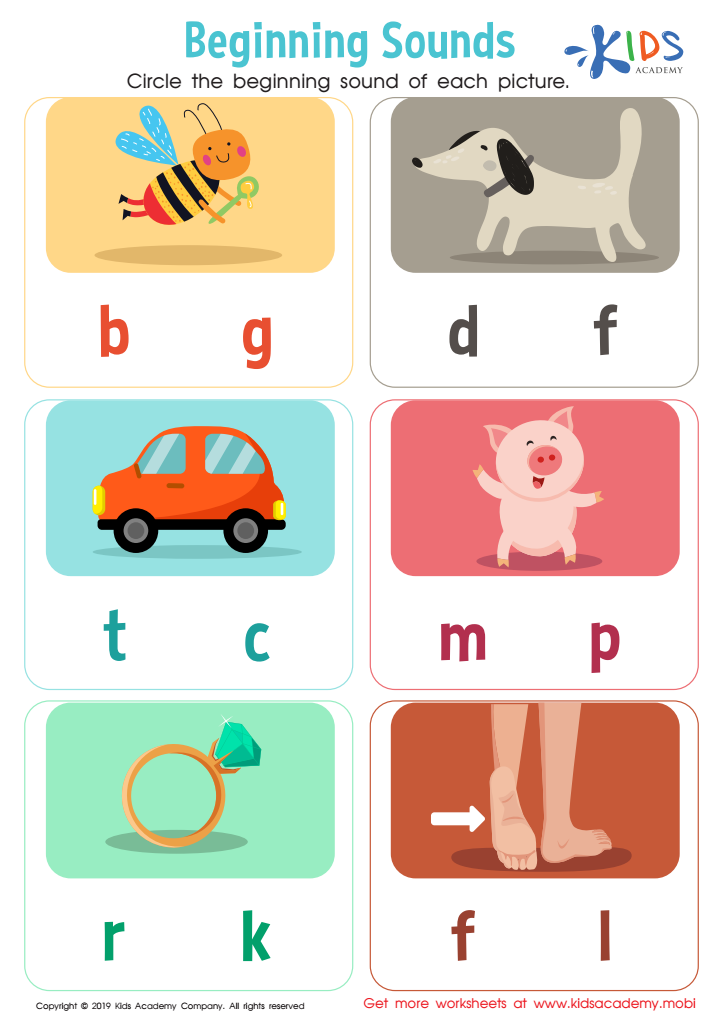
Beginning Sounds Worksheet
 Assign to My Students
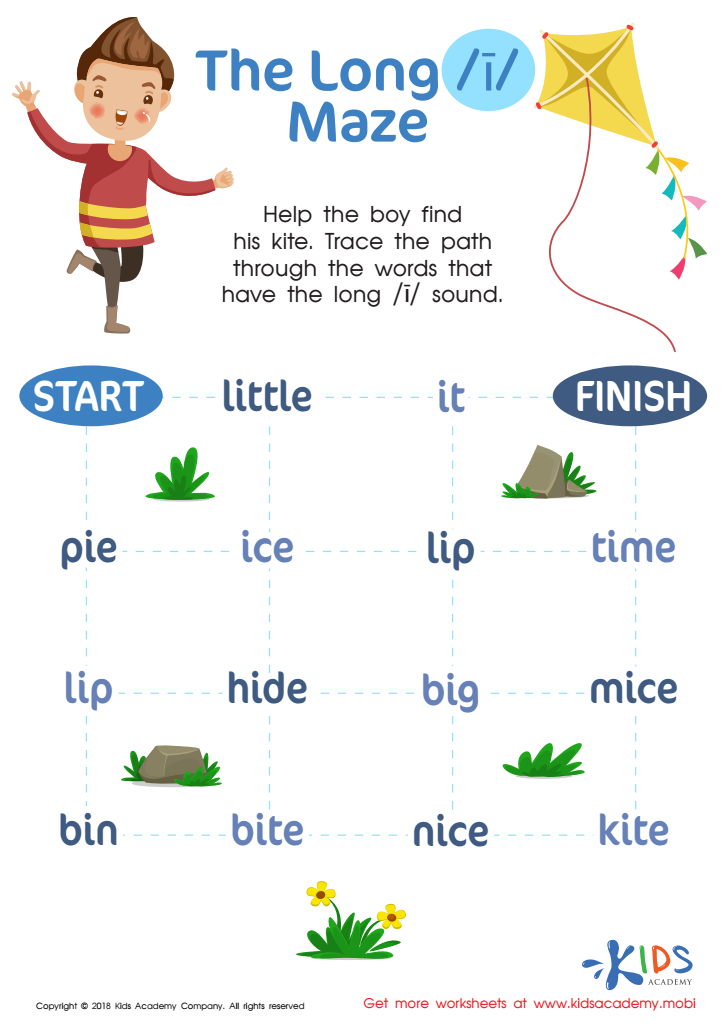
The Long I Maze Reading Worksheet
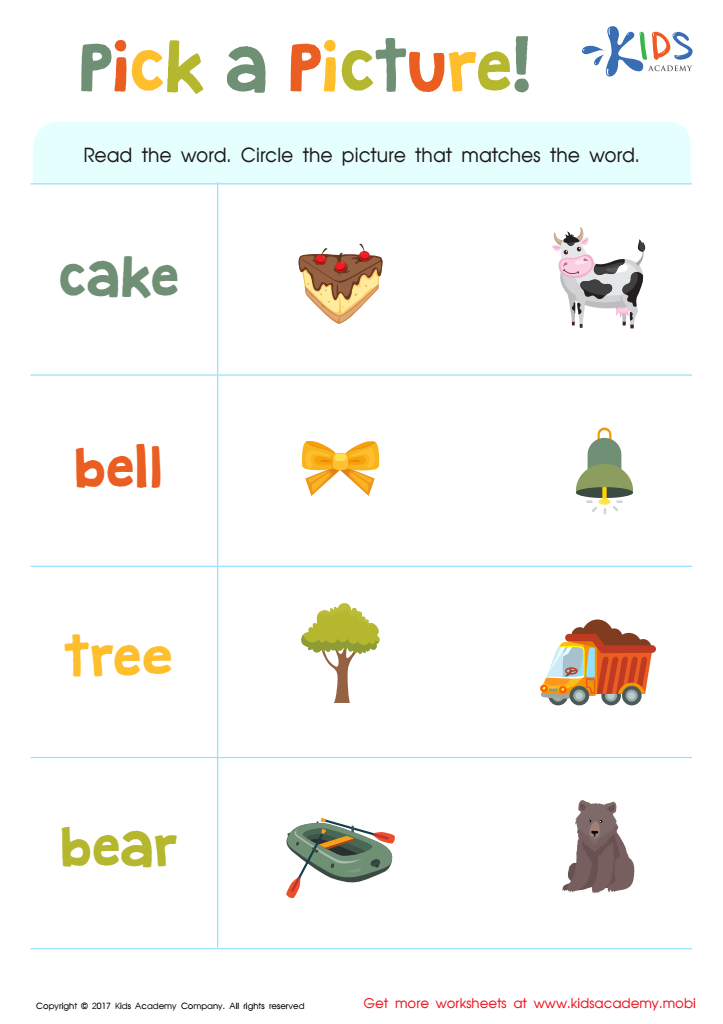
Pick a Picture Word Recognition Worksheet
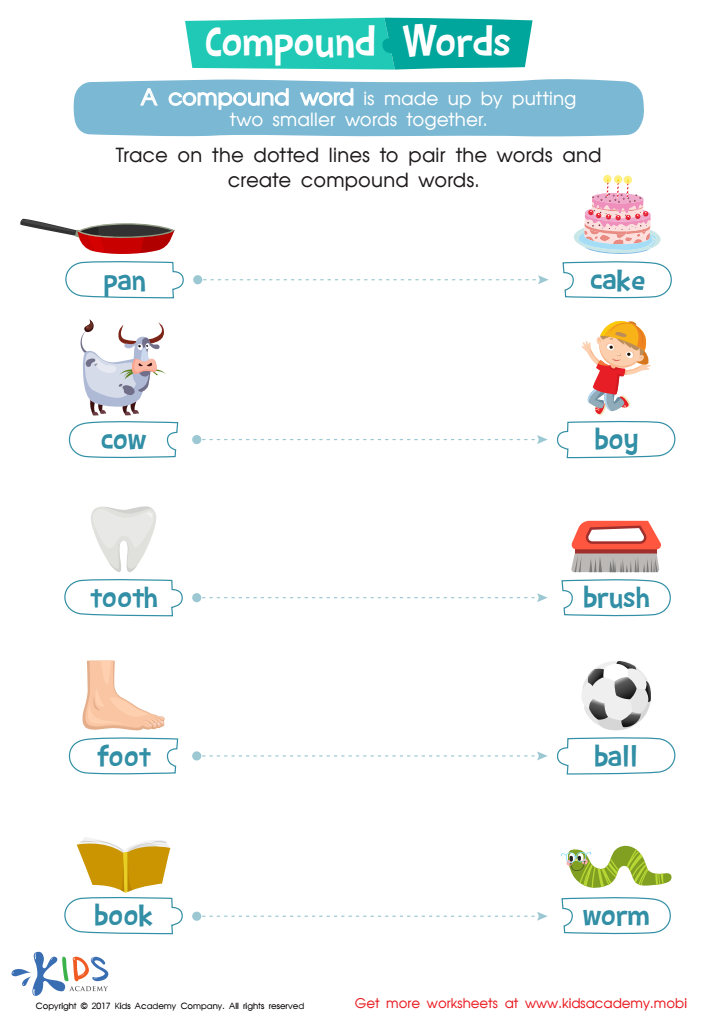
Compound Words Word Structure Worksheet
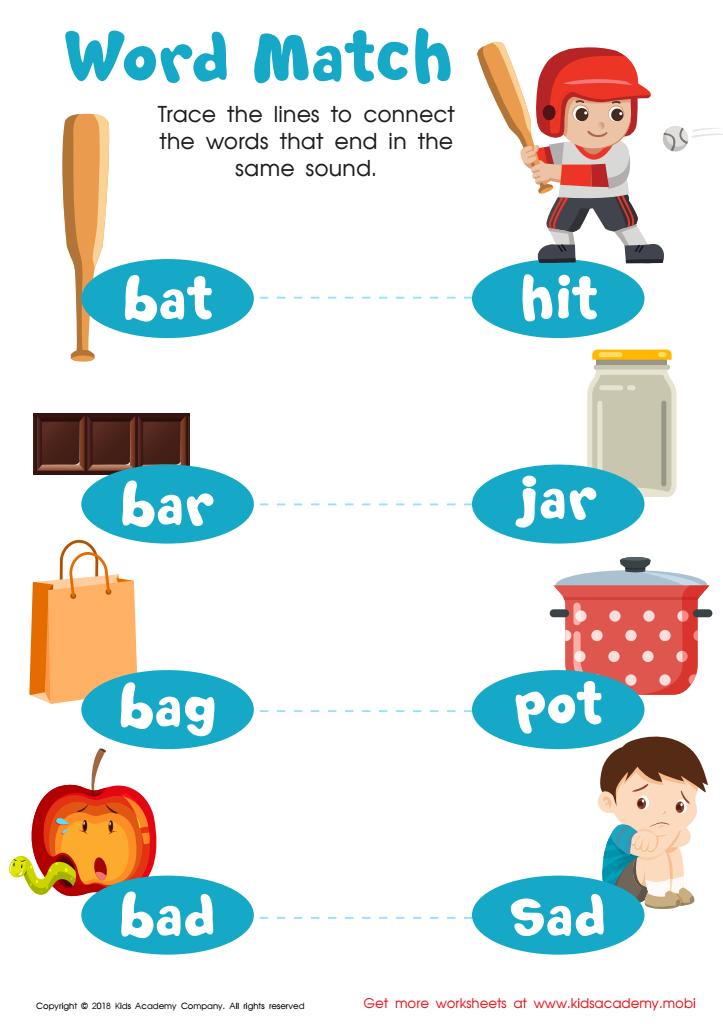
Word Match Reading Worksheet
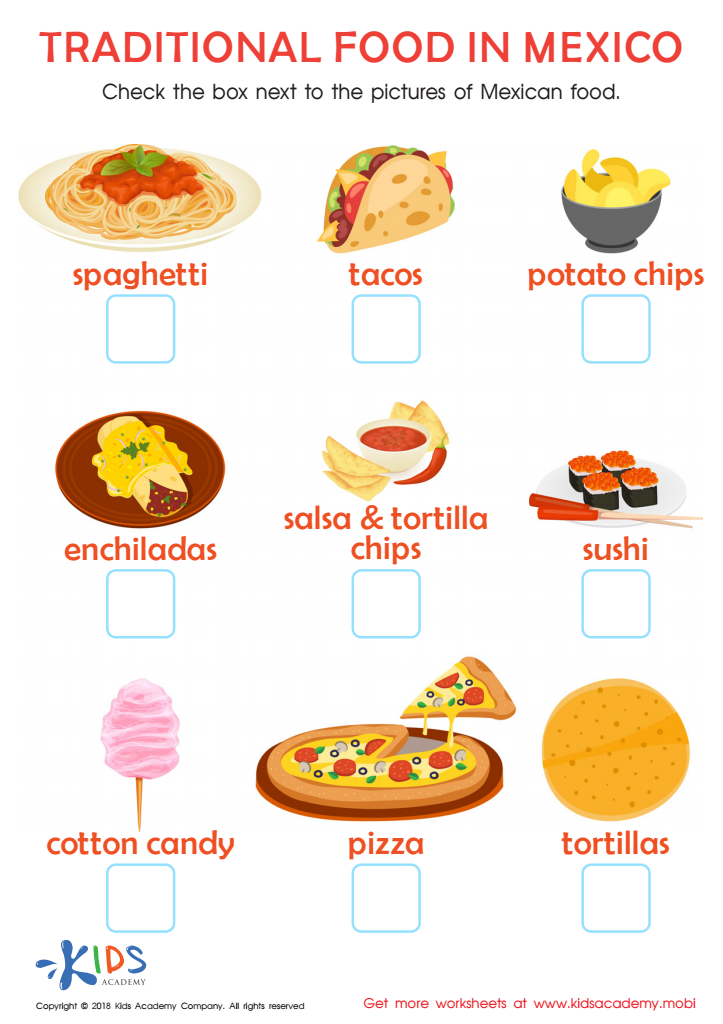
Traditional Food in Mexico Worksheet
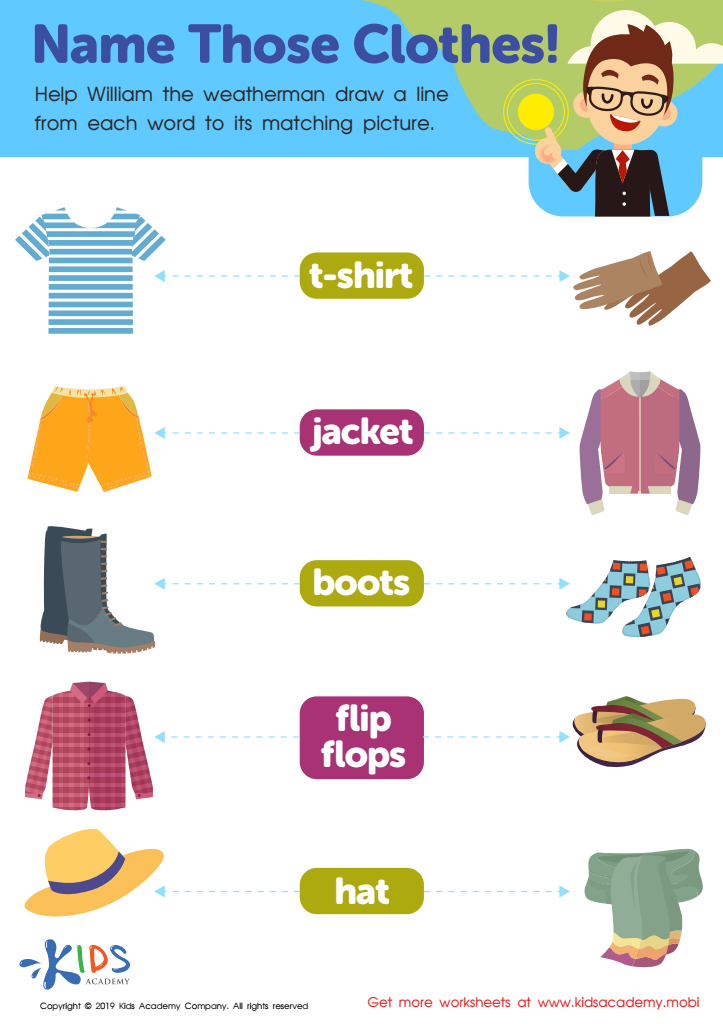
Name Those Clothes Worksheet
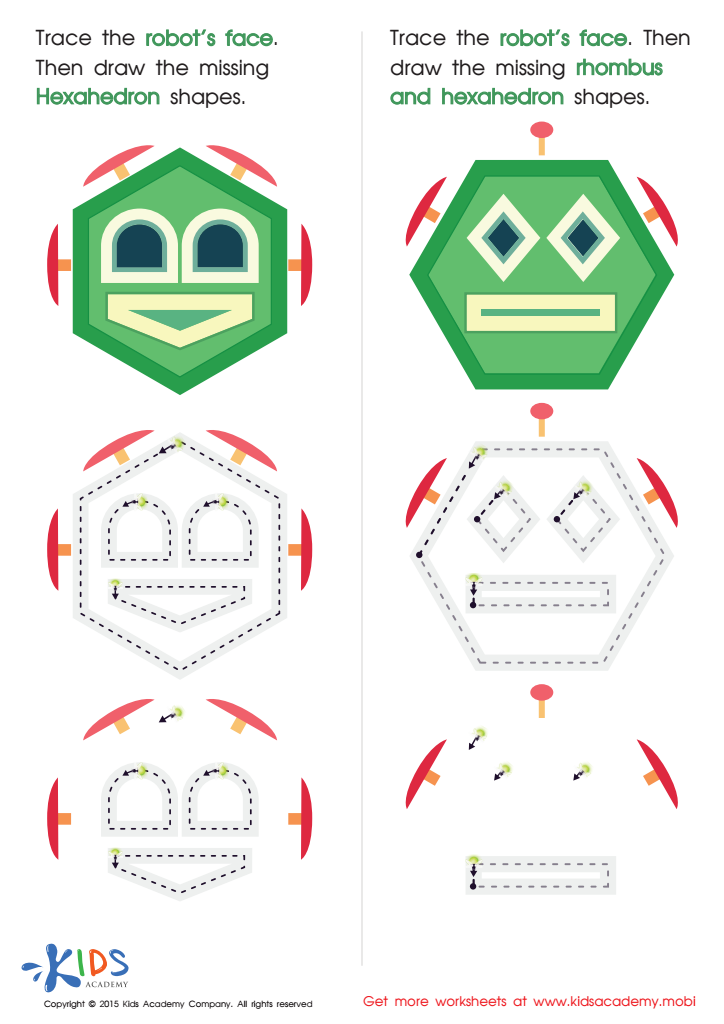
Practice Drawing Hexahedrons And a Rhombus Worksheet
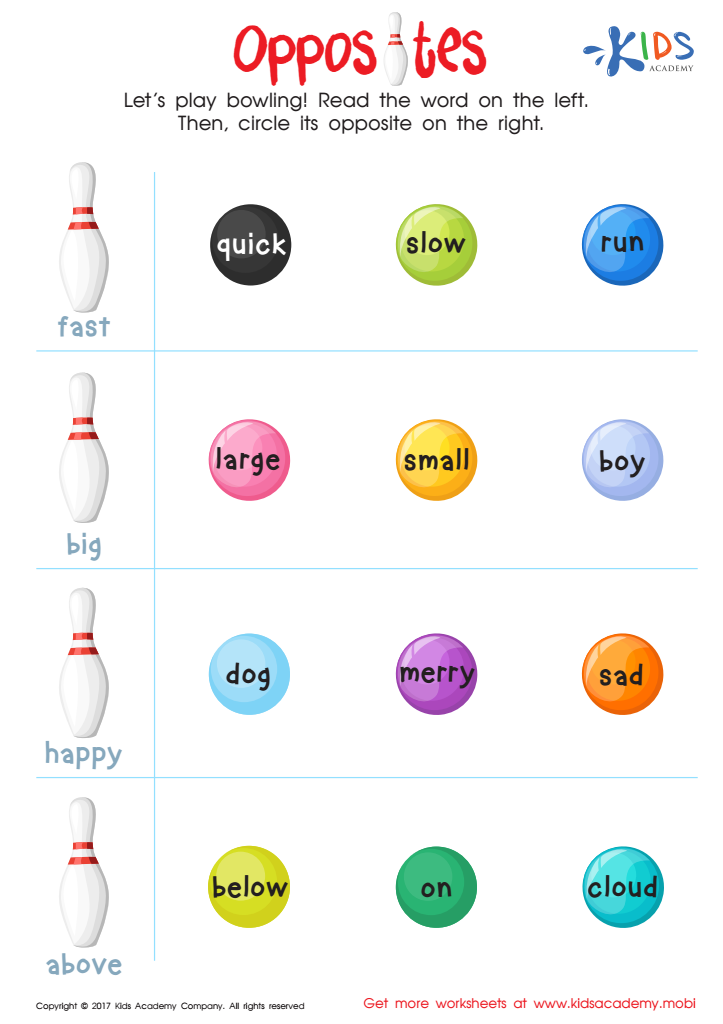
Opposites Worksheet
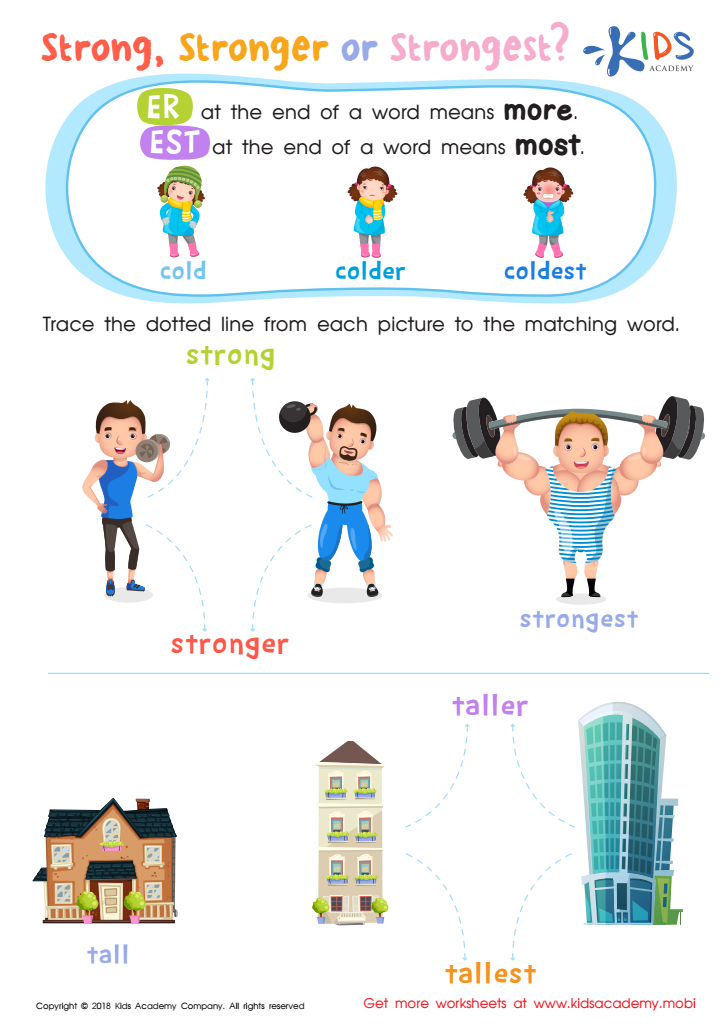
Strong or Stronger? Worksheet
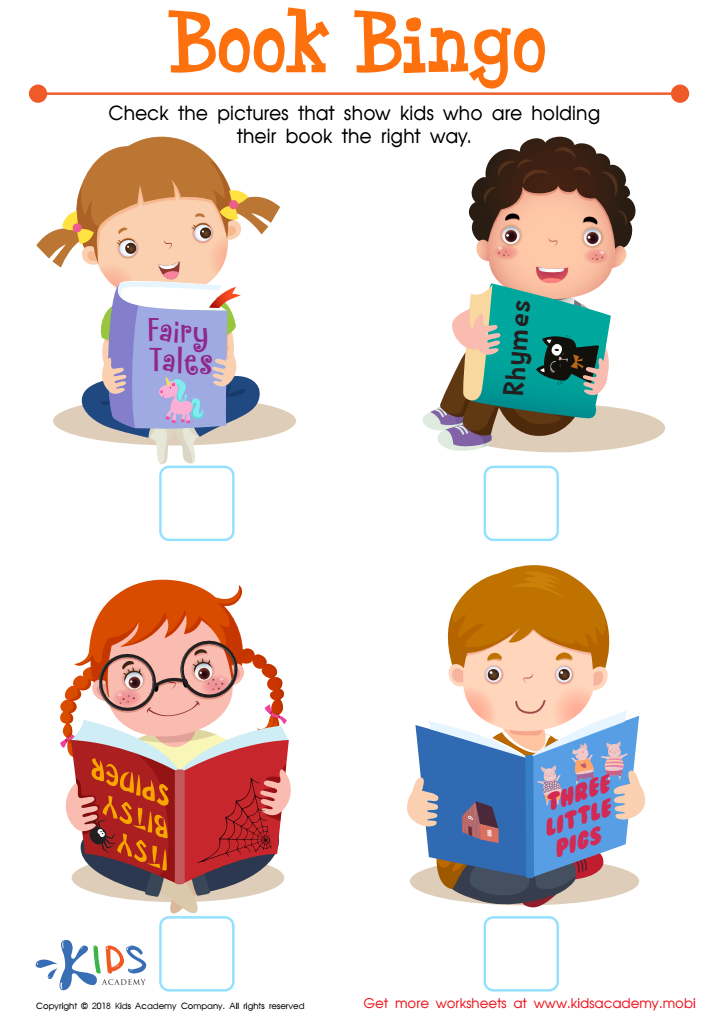
Book Bingo Worksheet
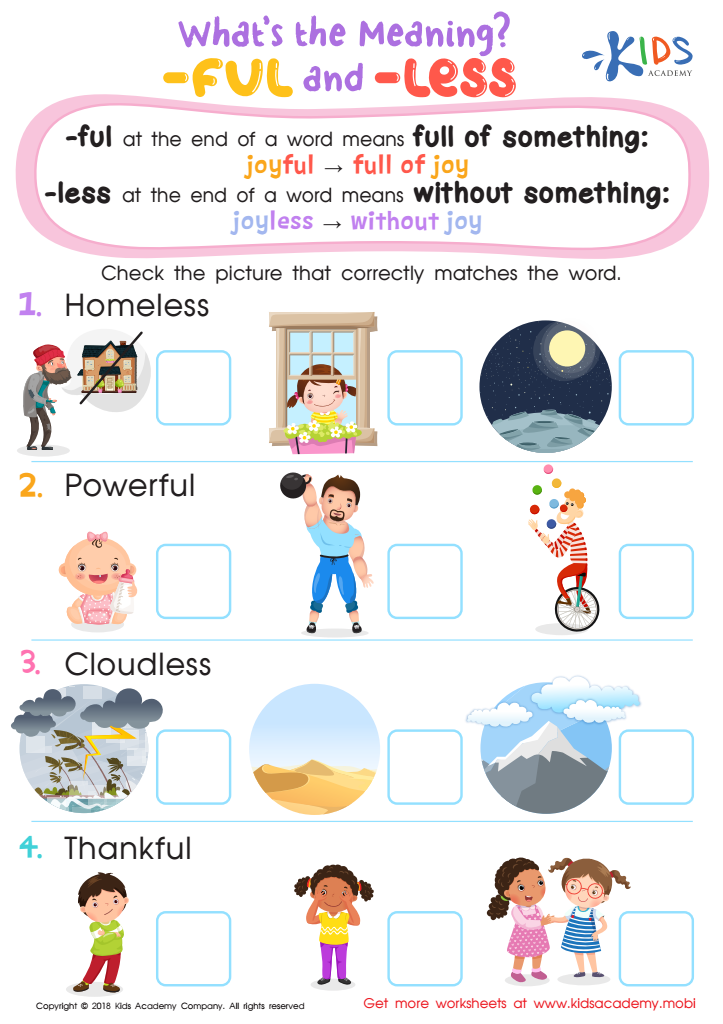
What's the Meaning? Worksheet
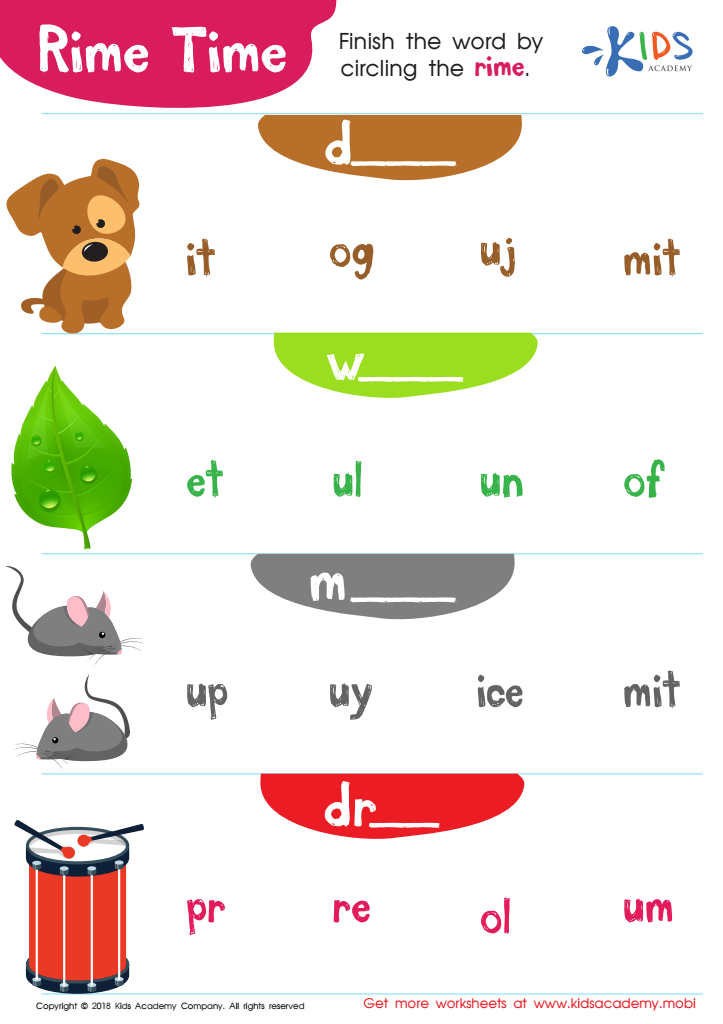
Rime Time Worksheet
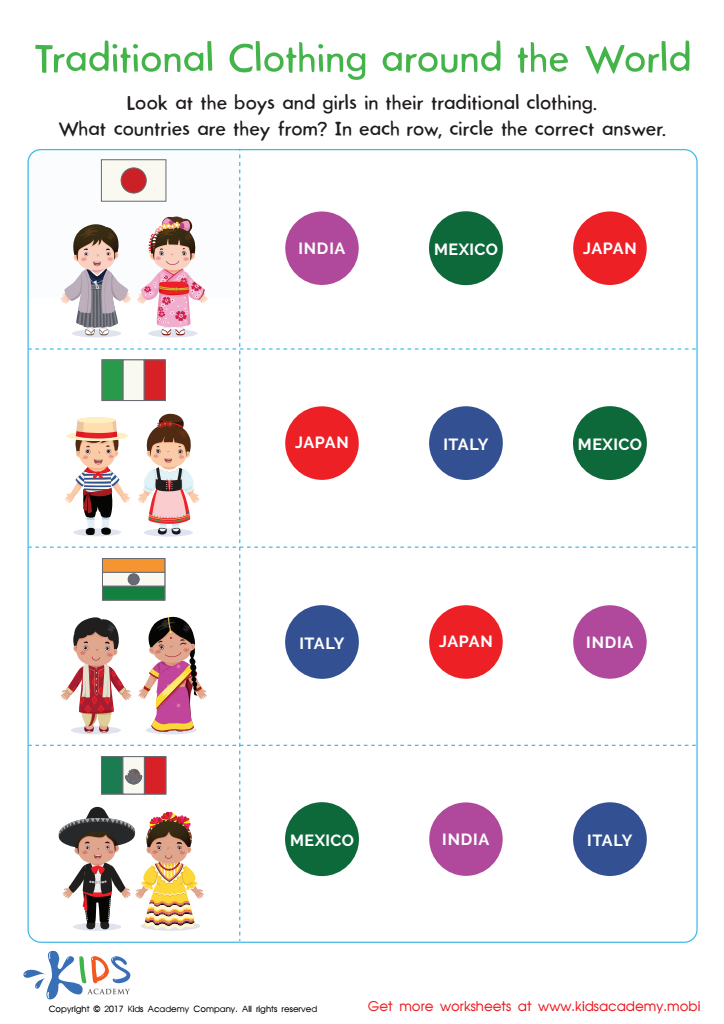
Traditional Clothing Worksheet
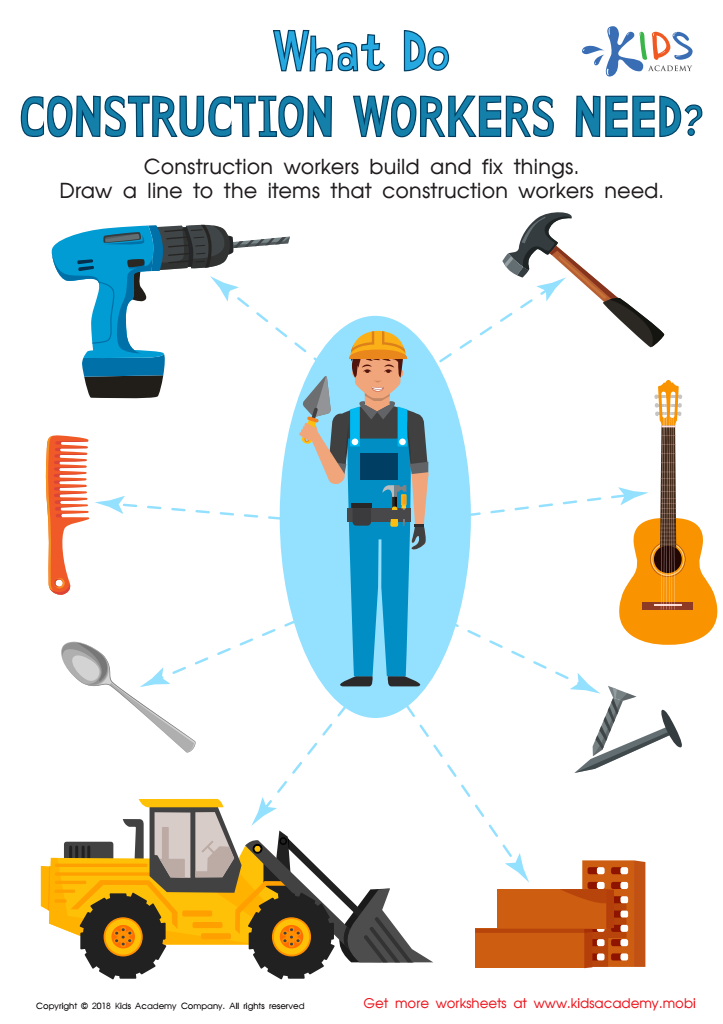
What Do Construction Workers Need? Worksheet
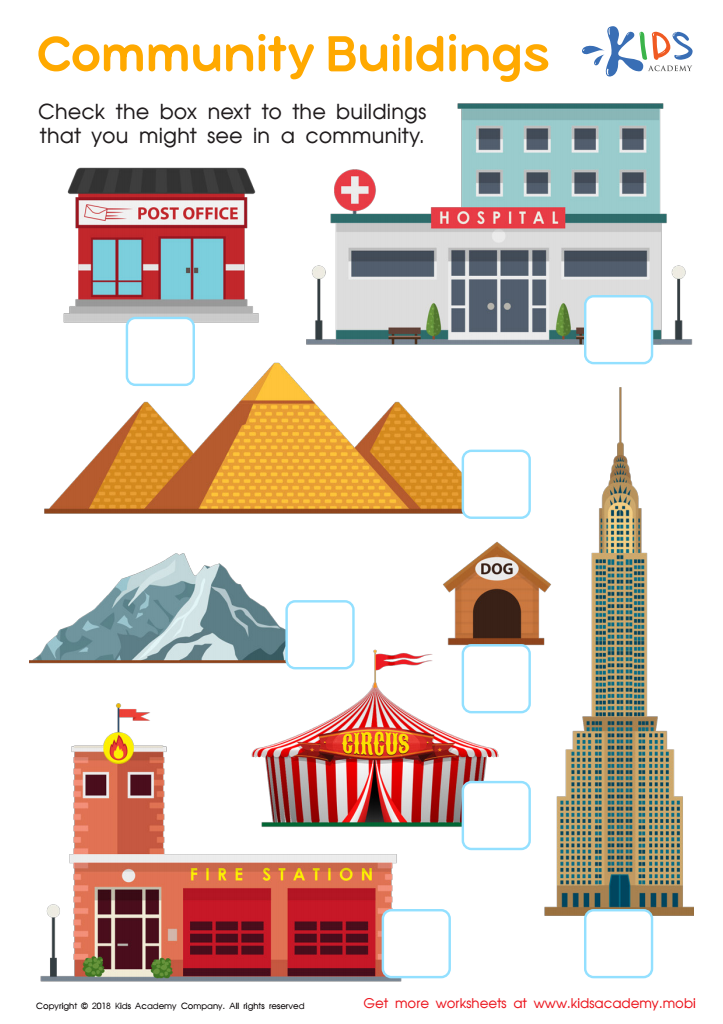
Community Buildings Worksheet
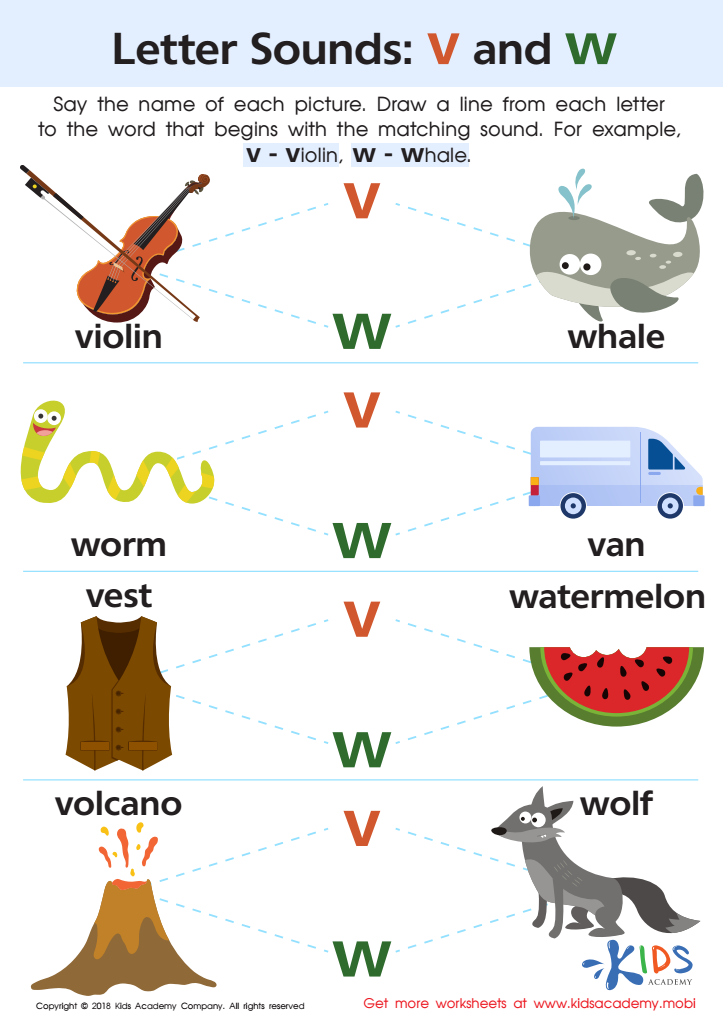
Letter V and W Sounds Worksheet

Short Vowel Sound U Worksheet Worksheet
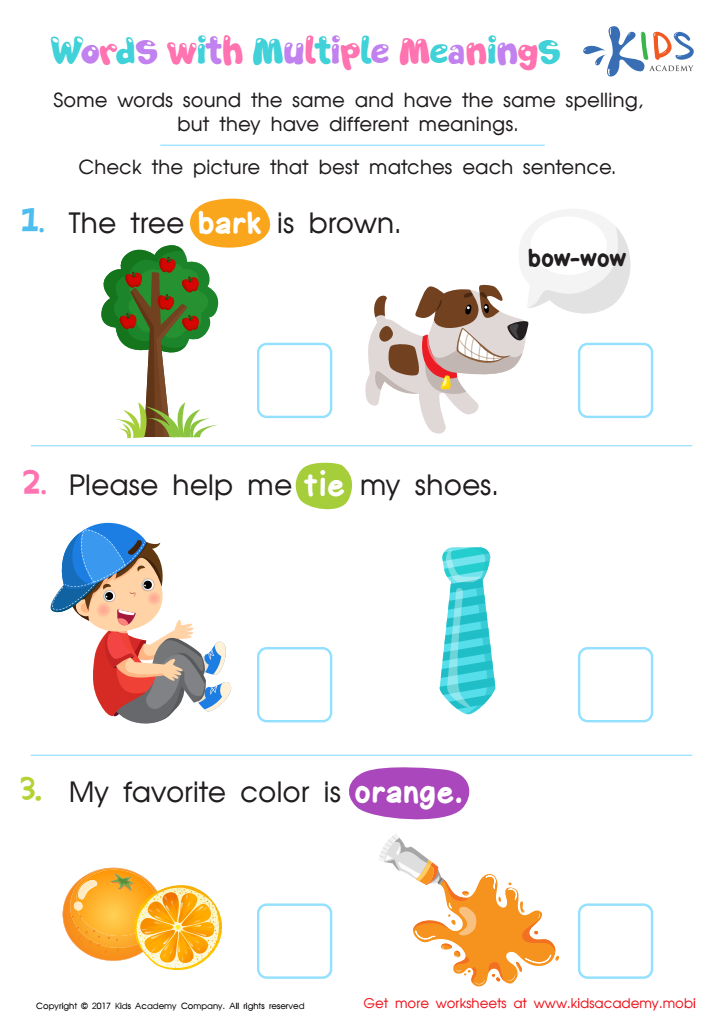
Words with Multiple Meanings Worksheet
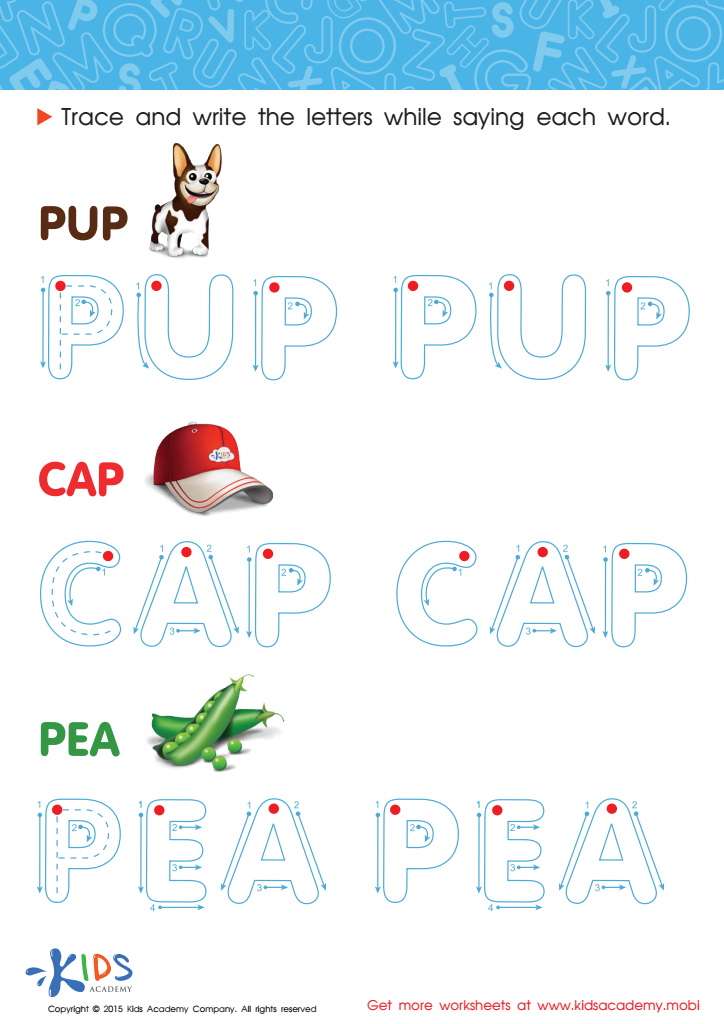
A Pup, a Cap and a Pea Spelling Worksheet
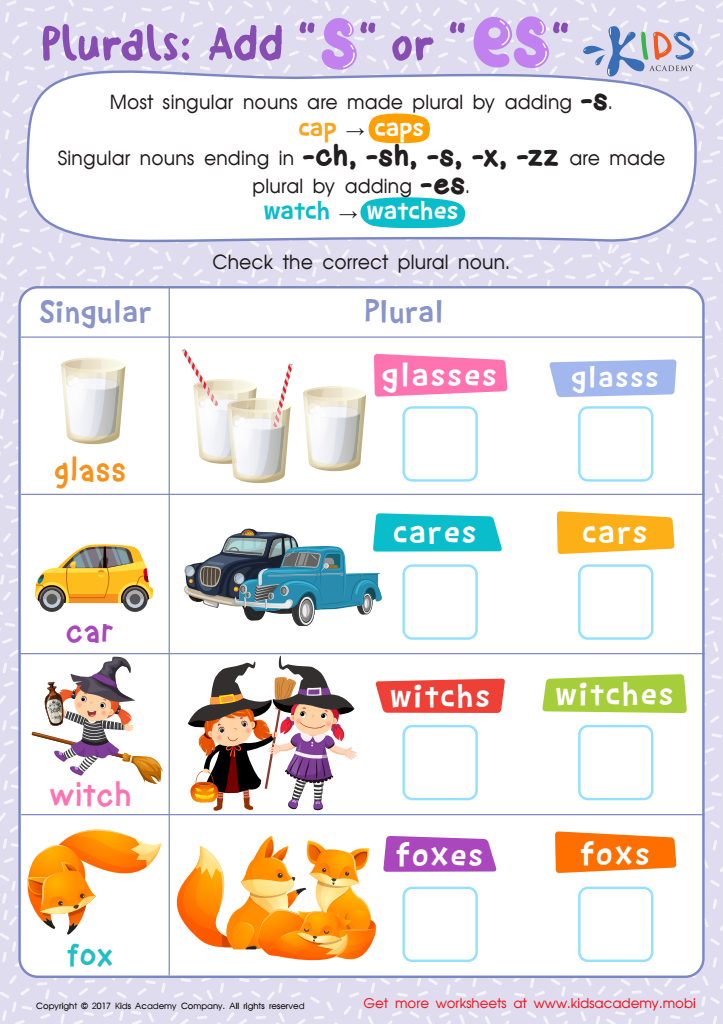
Plurals: "–es" or "–es"? Worksheet
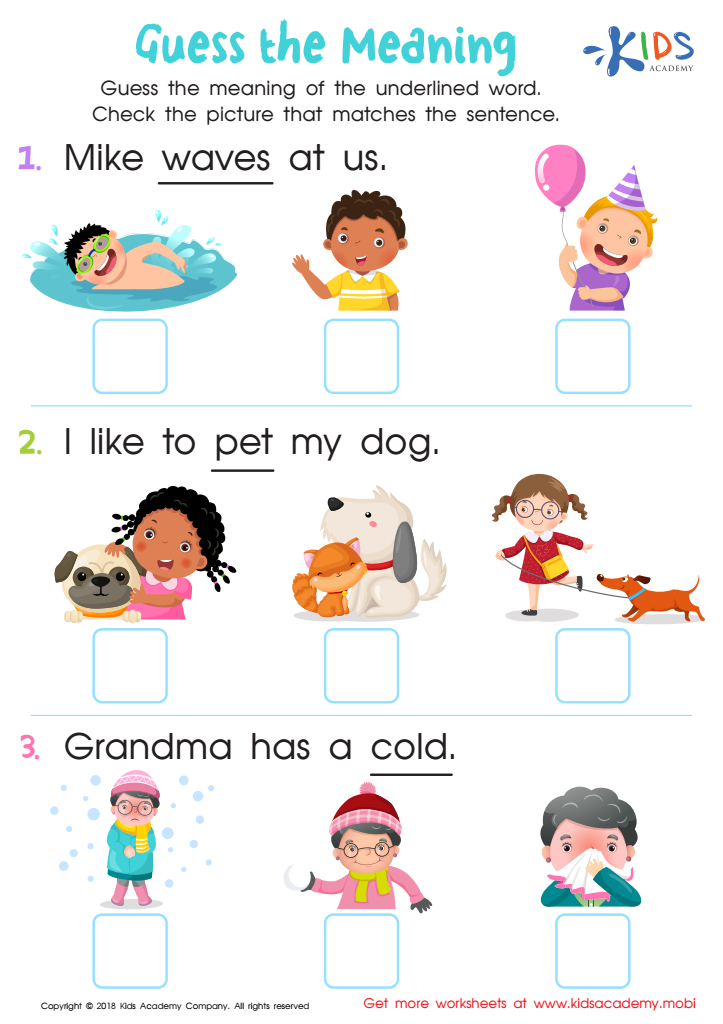
Guess the Meaning Worksheet
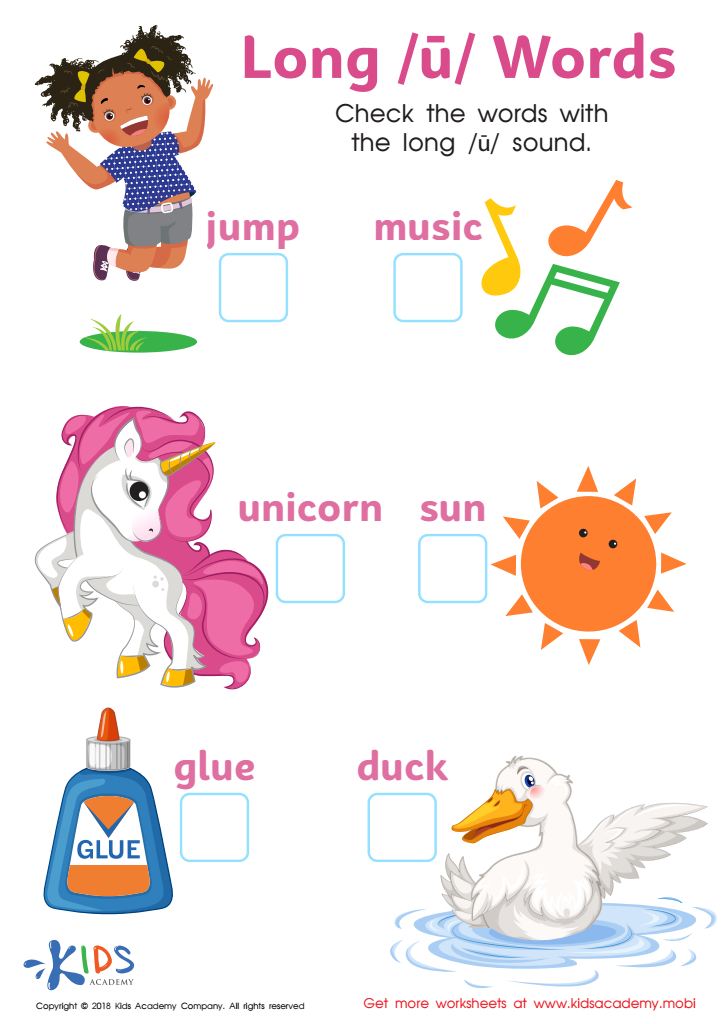
Long U Words Reading Worksheet








Vocabulary expansion in children aged 4-5 is crucial for their overall development, and both parents and teachers play significant roles in this process. At this age, children are rapidly developing language skills and understanding how to communicate their thoughts and feelings. A rich vocabulary helps them express themselves clearly, enhancing their confidence in social situations.
Additionally, a robust vocabulary supports cognitive development. As children learn new words, they also begin to understand complex concepts, which lays a foundation for future learning in reading and writing. Early exposure to a diverse vocabulary can promote critical thinking and problem-solving skills, as children learn to articulate their ideas more effectively.
Moreover, vocabulary expansion directly correlates with academic success. Children with a rich linguistic background are more likely to perform better in school, as they can comprehend lessons and engage with texts. This advantage helps foster a love for learning, facilitating lifelong educational enrichment.
Therefore, parents and teachers should prioritize vocabulary-building activities, such as reading together, engaging in conversations, and playing word games. By creating a language-rich environment, they can significantly contribute to a child's language proficiency, confidence, and overall cognitive development.








