Hand-eye Coordination Logic and Early Math Worksheets for Ages 4-5
3 filtered results
-
From - To
Enhance your child's learning experience with our engaging Hand-eye Coordination Logic and Early Math Worksheets, designed specifically for ages 4-5. These worksheets promote fine motor skills and encourage logical thinking through fun activities that align with early math concepts. Children will enjoy completing interactive exercises that support number recognition, basic addition, and shape identification, all while improving their hand-eye coordination. Perfect for both at-home learning and classroom settings, our thoughtfully crafted materials will help your young learner develop crucial skills in a playful and motivating way. Explore our collection to spark creativity and confidence in your child's educational journey today!

Superman Maze Worksheet
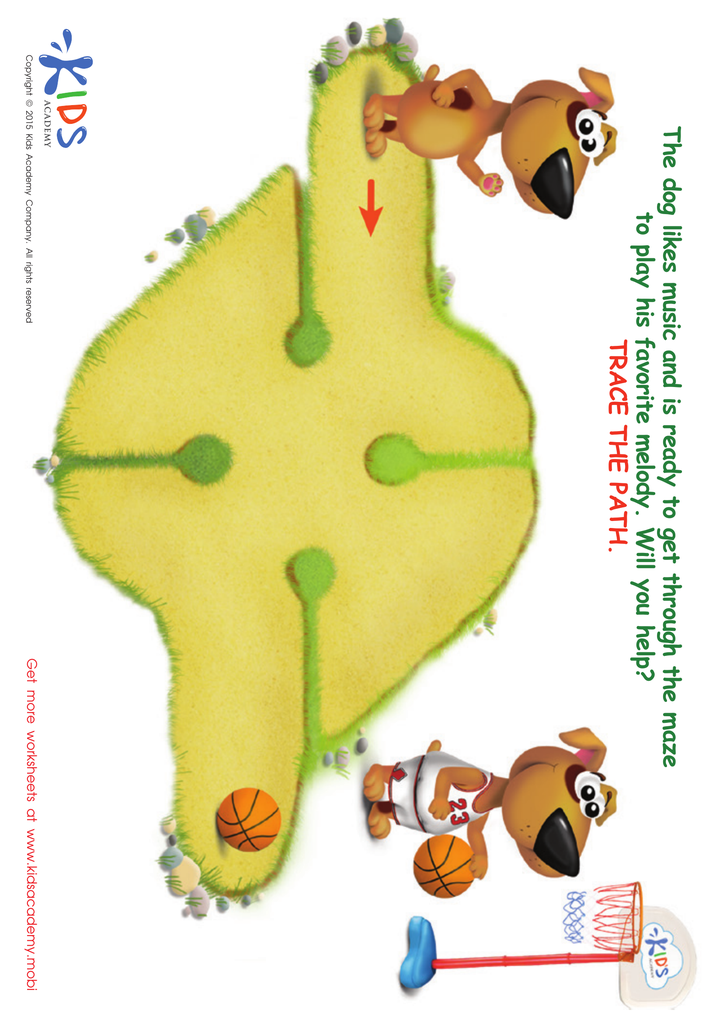
Basketball Player Maze Worksheet

Tennis Player Maze Worksheet








Hand-eye coordination and early math skills are crucial for 4-5-year-olds as they form the foundation for future learning. At this age, children are developing fine motor skills necessary for everyday tasks, such as writing, drawing, and manipulating objects. Strong hand-eye coordination enhances these abilities, allowing them to engage more effectively with their environment and increase academic readiness.
Moreover, early math skills, such as counting, recognizing patterns, and understanding spatial relationships, are essential for cognitive development. These skills encourage logical thinking and problem-solving, which are vital in all areas of education. Activities that combine hand-eye coordination, like threading beads or building blocks, often reinforce math concepts through play, making learning enjoyable and meaningful.
Parents and teachers should pay attention to how these skills interconnect, as this holistic approach supports a child's development. Engaging children in activities that enhance hand-eye coordination while introducing mathematical concepts can lead to improved focus and a positive attitude towards learning—essential elements for school success. By fostering these competencies, caregivers can help children build confidence and set the stage for lifelong learning. Ultimately, nurturing these skills at this critical stage can yield significant benefits for a child's academic journey and personal growth.