Cognitive Development Addition & Subtraction Worksheets for Ages 4-5 - Page 5
107 filtered results
-
From - To
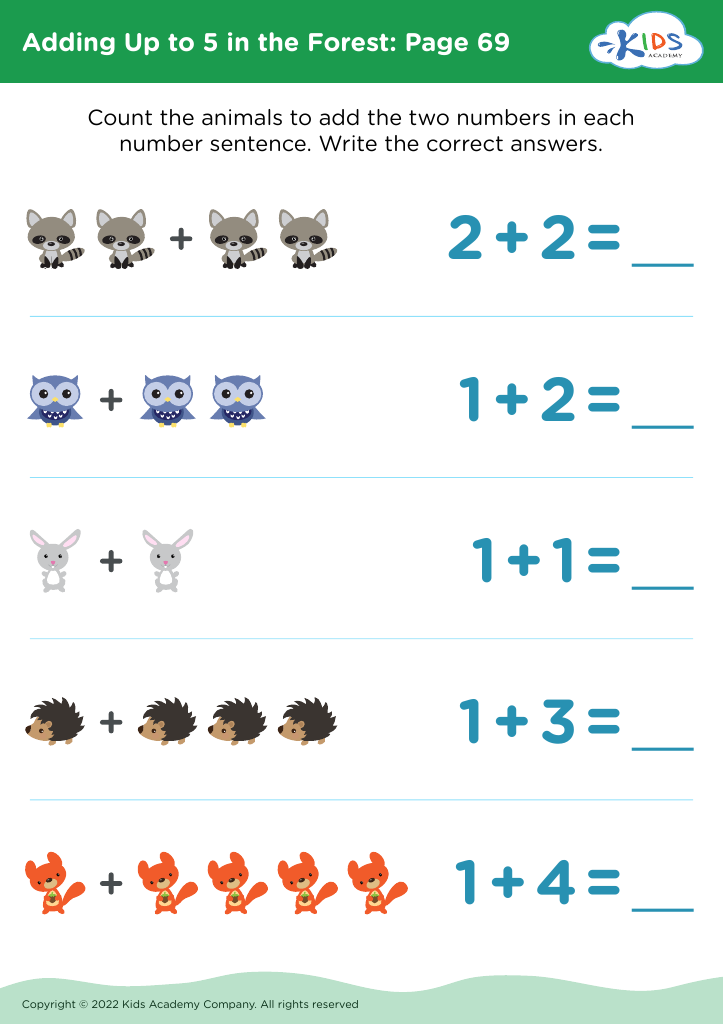
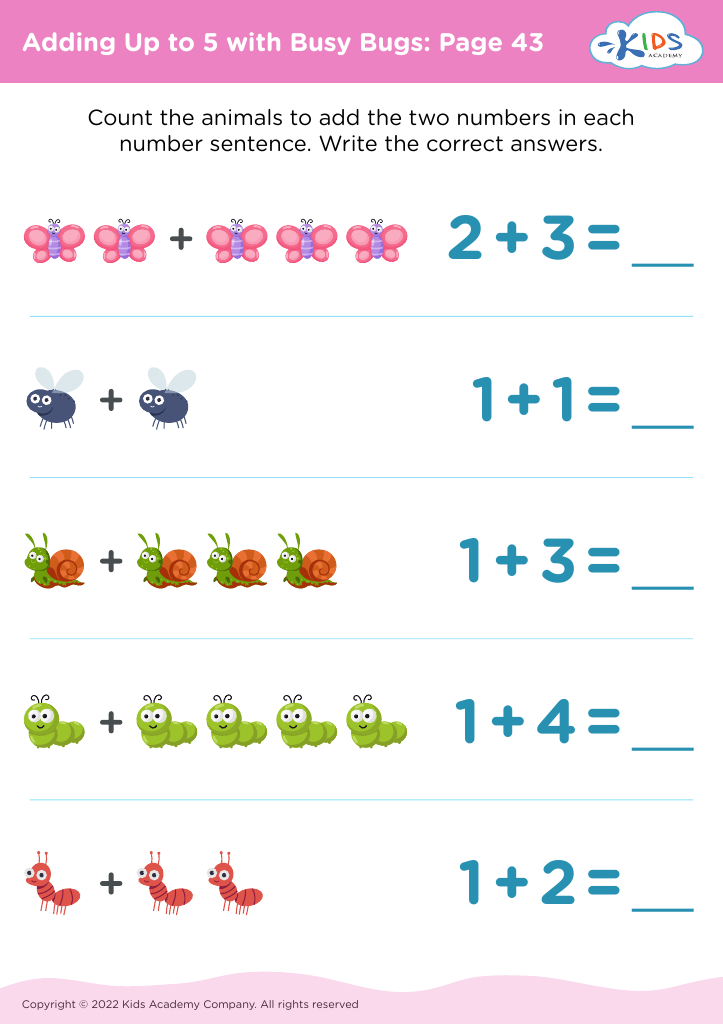
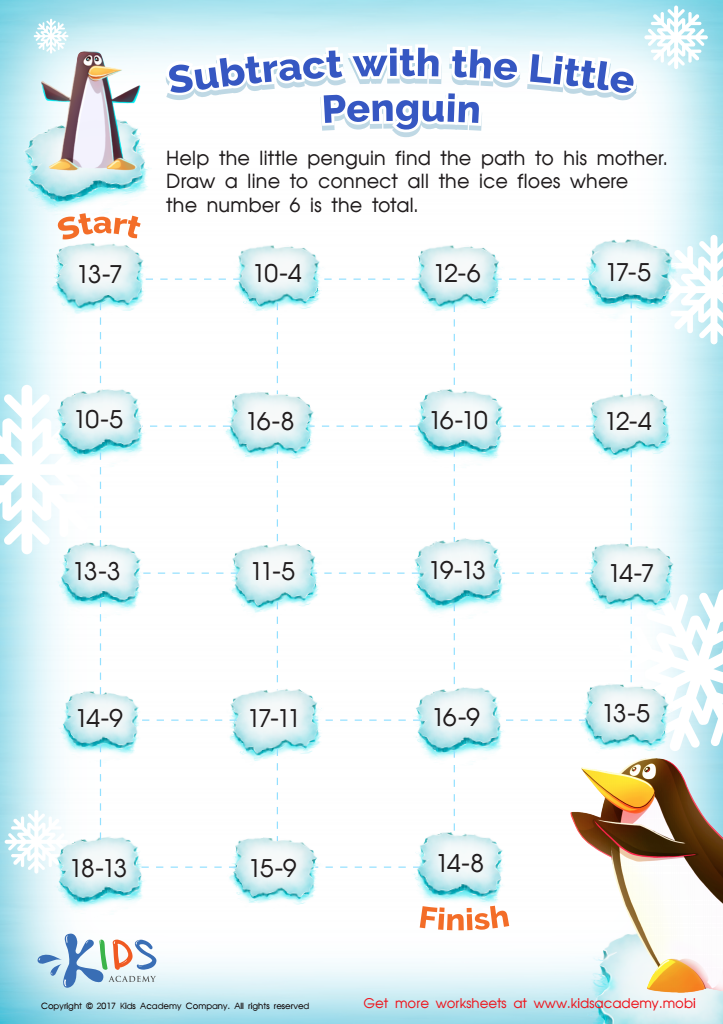
Subtract With The Little Penguin Substraction Worksheet
 Assign to My Students
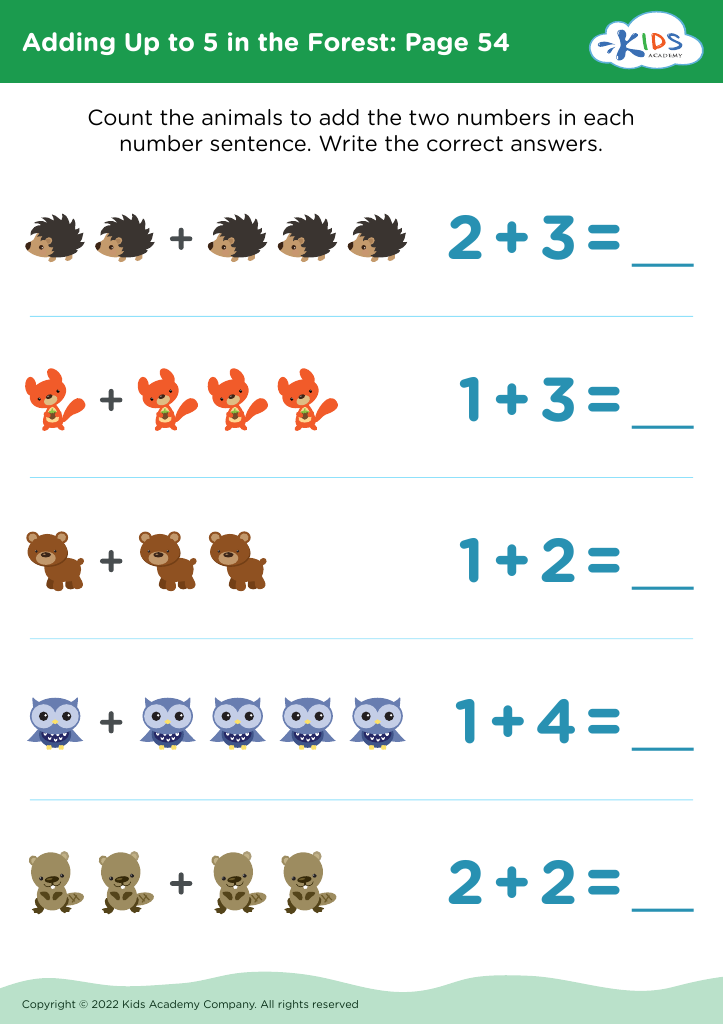
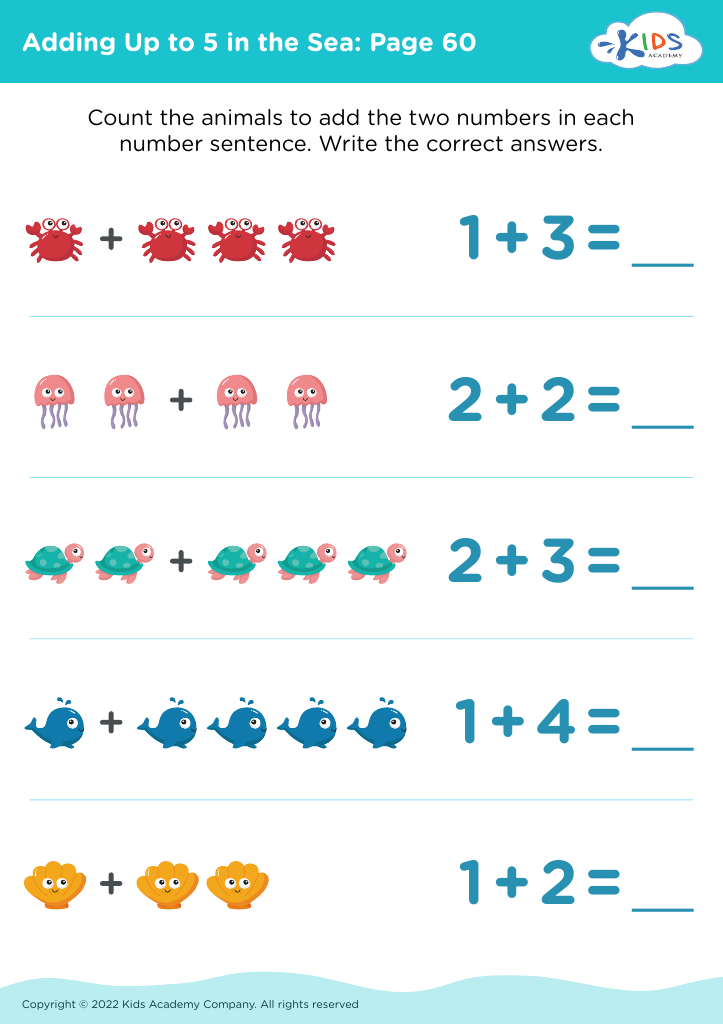
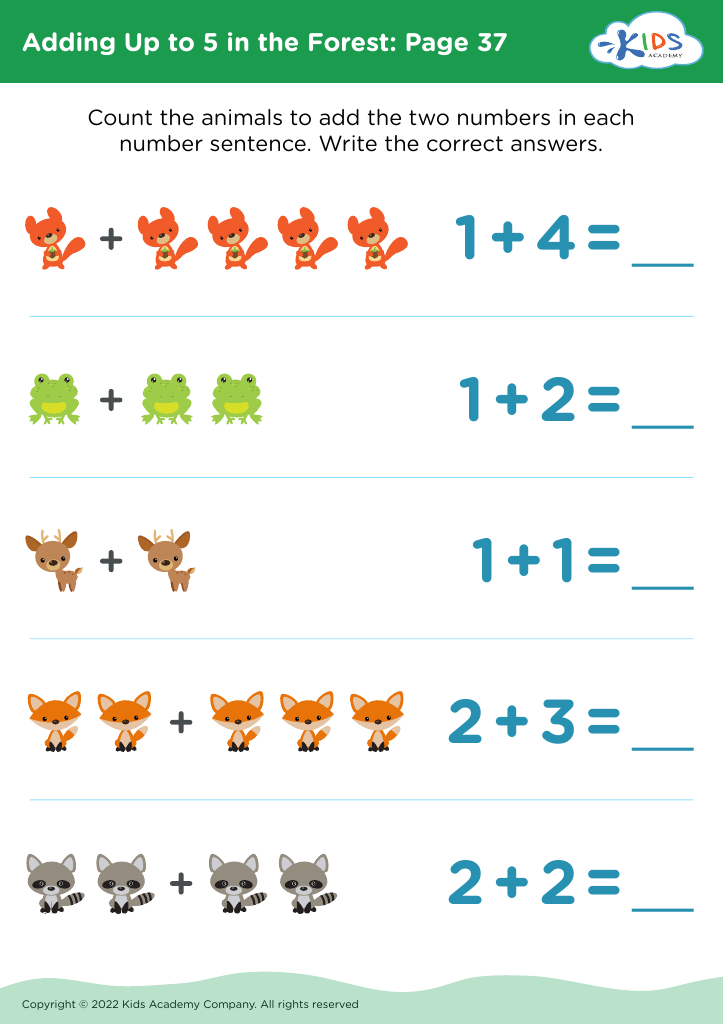
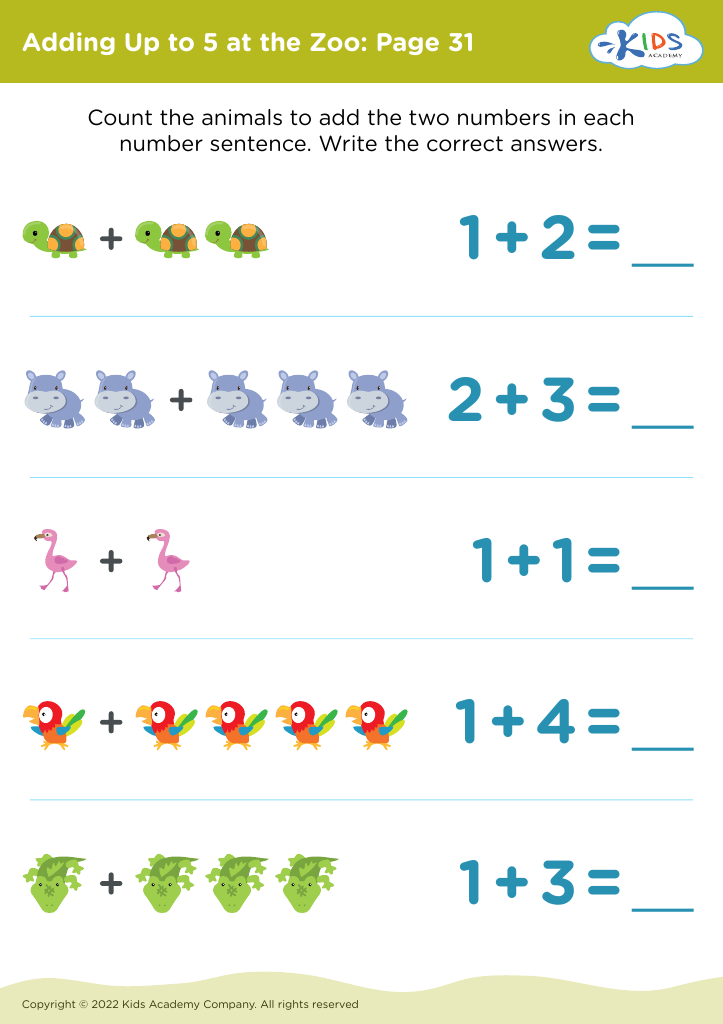
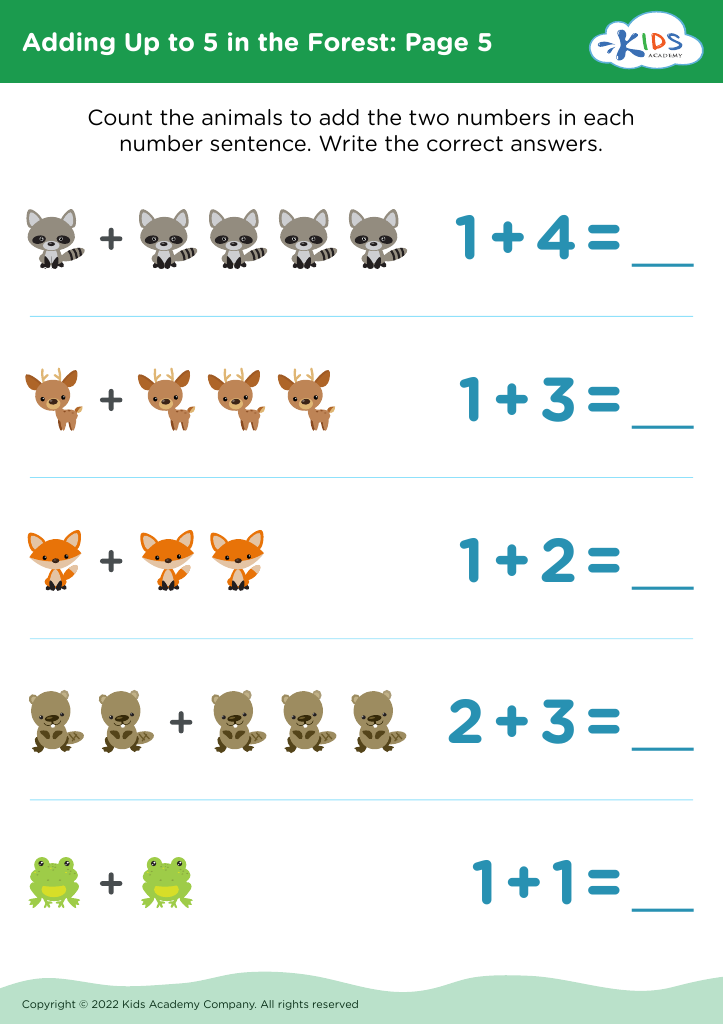
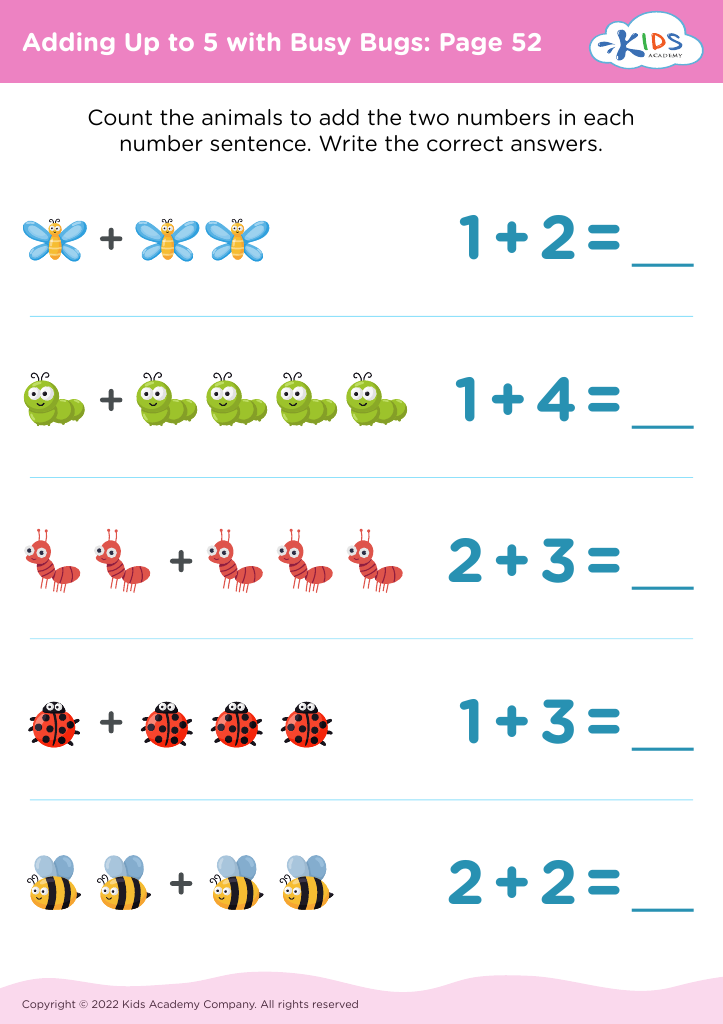
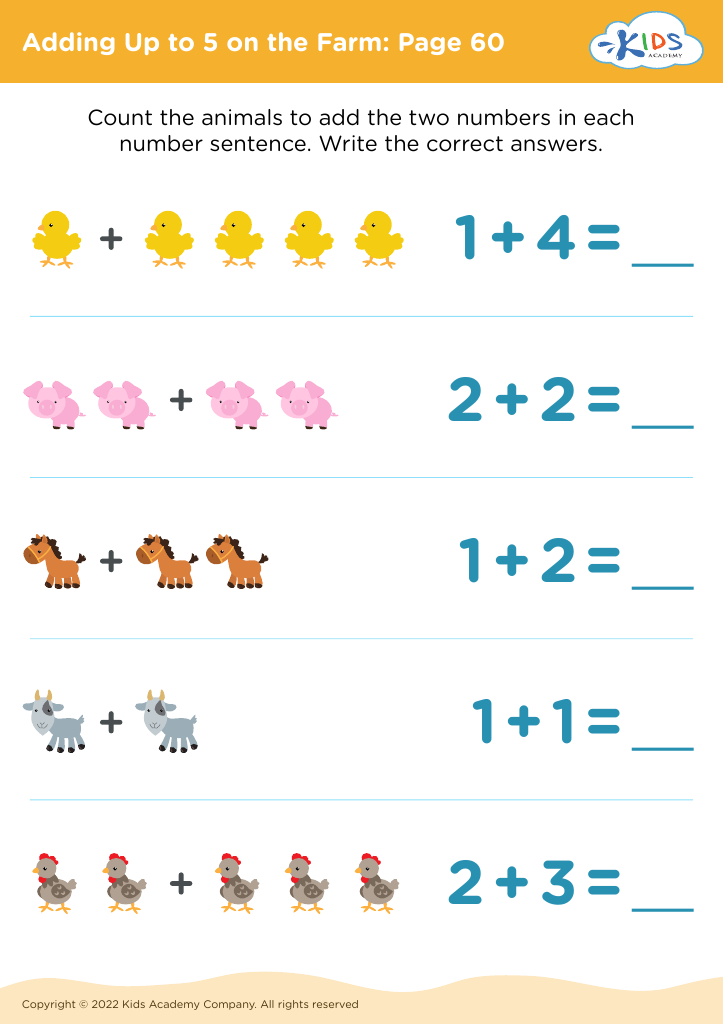
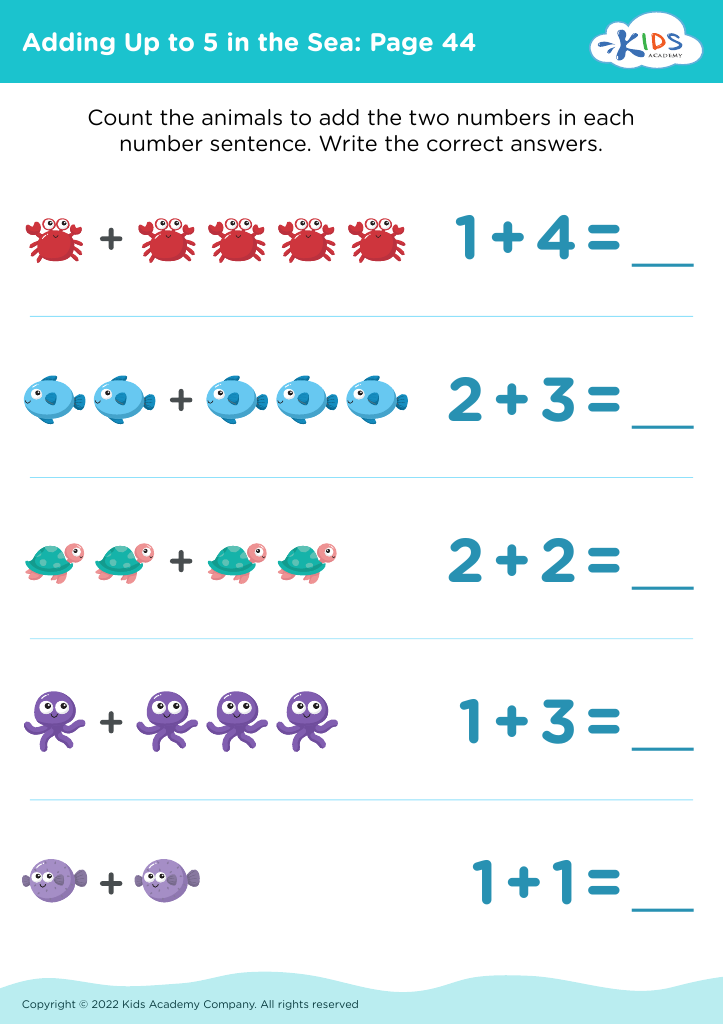








Cognitive development in early childhood is foundational for a child's future learning and academic success. For children aged 4-5, mastering basic addition and subtraction fosters critical thinking and problem-solving skills, essential components of cognitive development. Engaging in these mathematical concepts enhances children's ability to recognize patterns and make connections between numbers, ultimately supporting their overall understanding of math.
Parents and teachers should prioritize this stage of learning as it sets the groundwork for more complex mathematical operations later on. It also promotes essential skills like counting, number recognition, and the understanding of quantity. Additionally, practicing addition and subtraction can improve a child's confidence in their abilities, encouraging a positive attitude toward learning and reducing math anxiety.
Moreover, incorporating these activities into daily routines can enrich a child's vocabulary and communication skills, as they learn to articulate their thought processes and reasoning. Ultimately, by investing time and resources in teaching addition and subtraction, parents and teachers help foster a love for learning, lay the groundwork for academic achievement, and equip children with the cognitive tools they need for future challenges in both mathematics and beyond.








