Basic math concepts Math Worksheets for Ages 4-5
16 filtered results
-
From - To
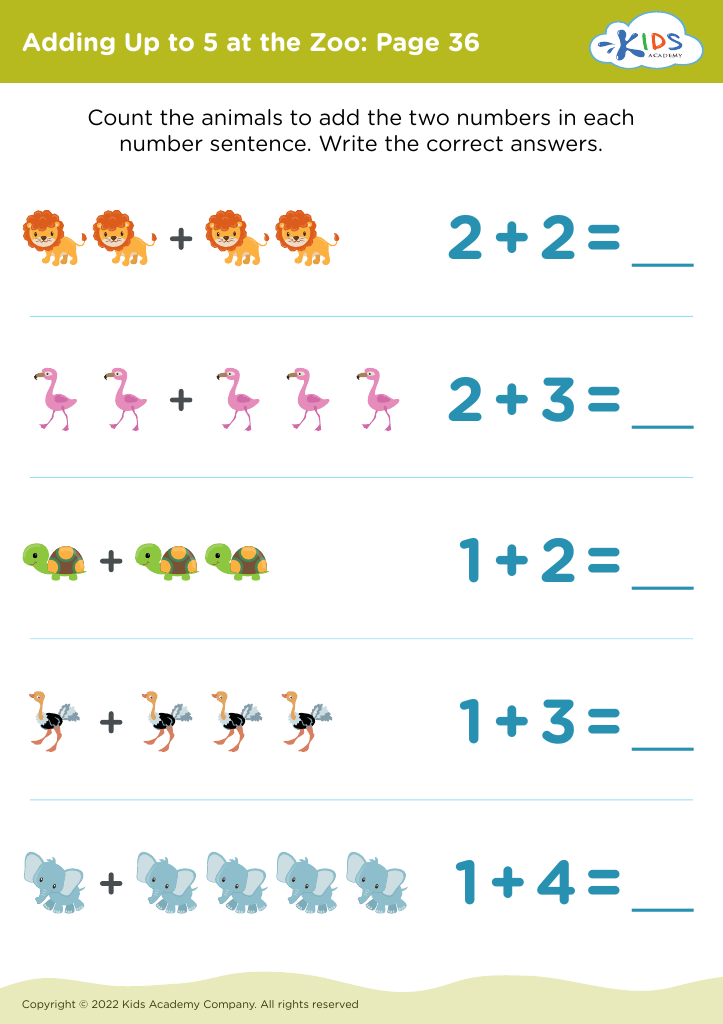
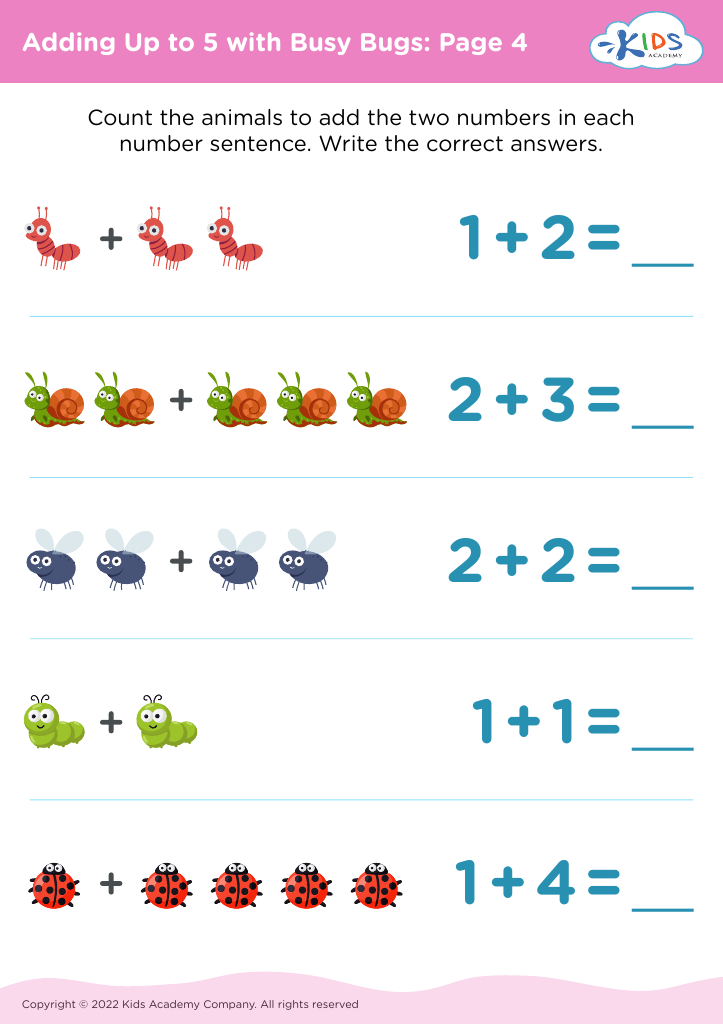
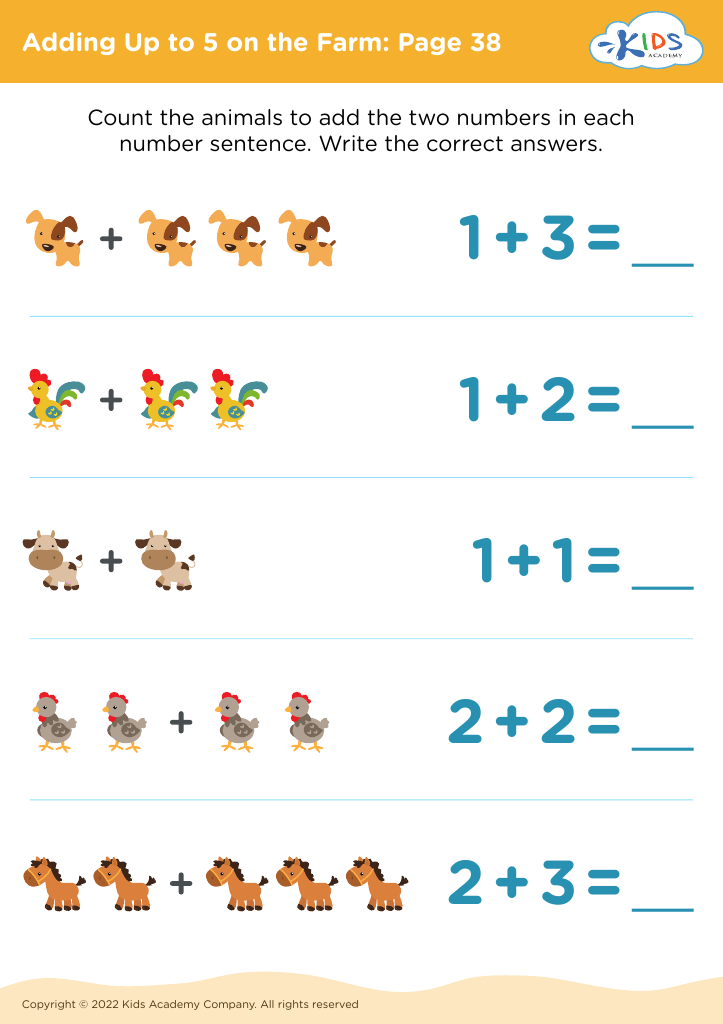
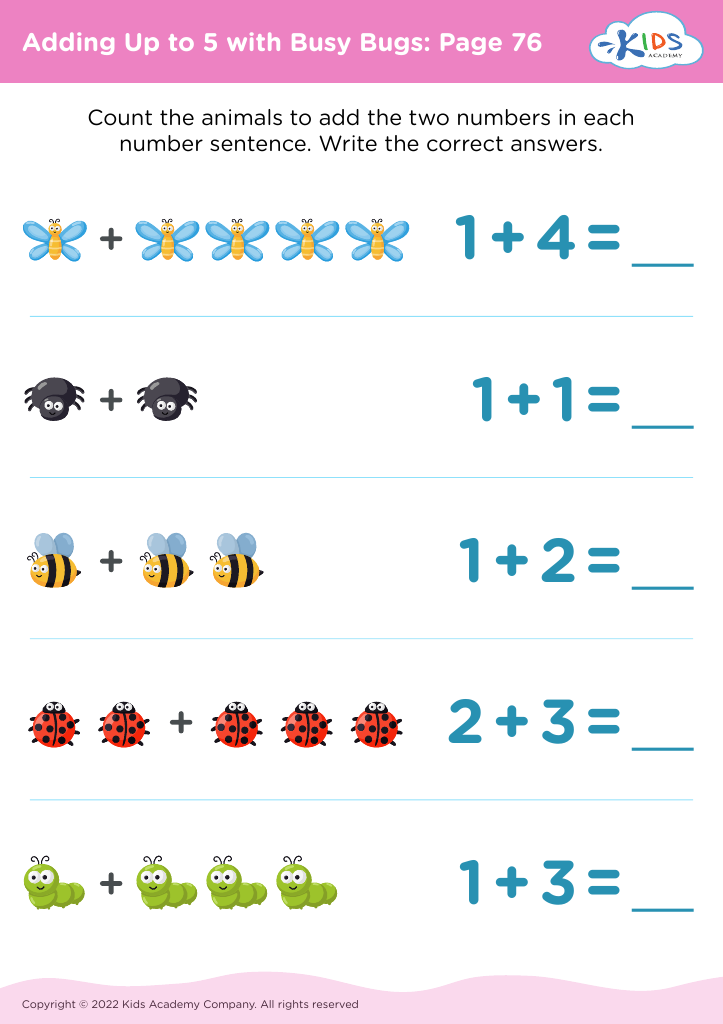
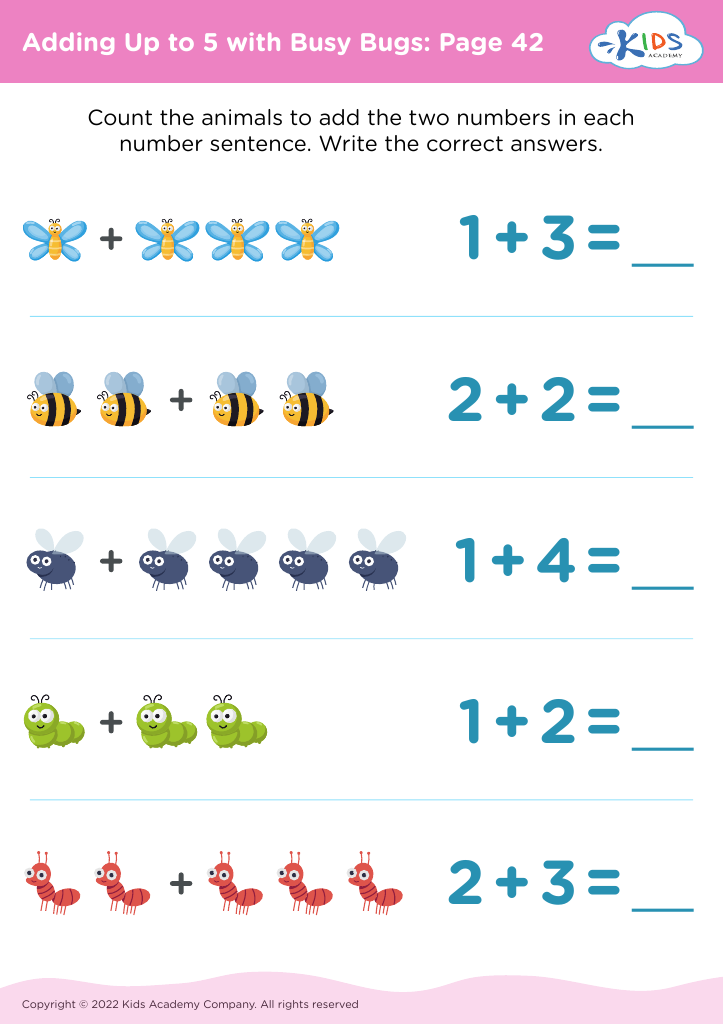
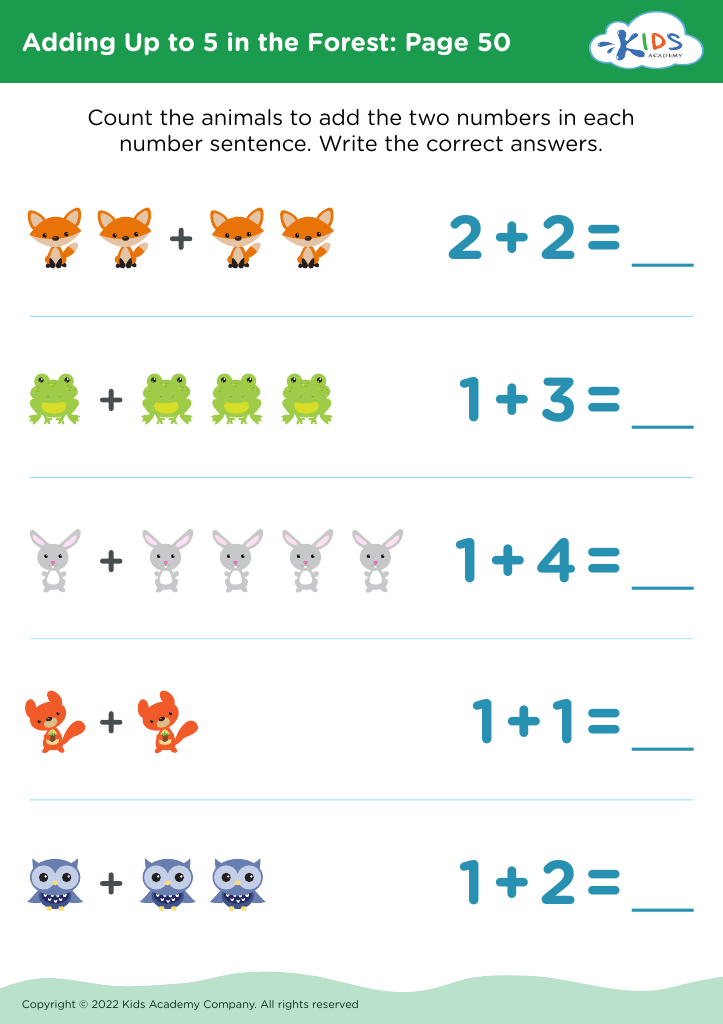
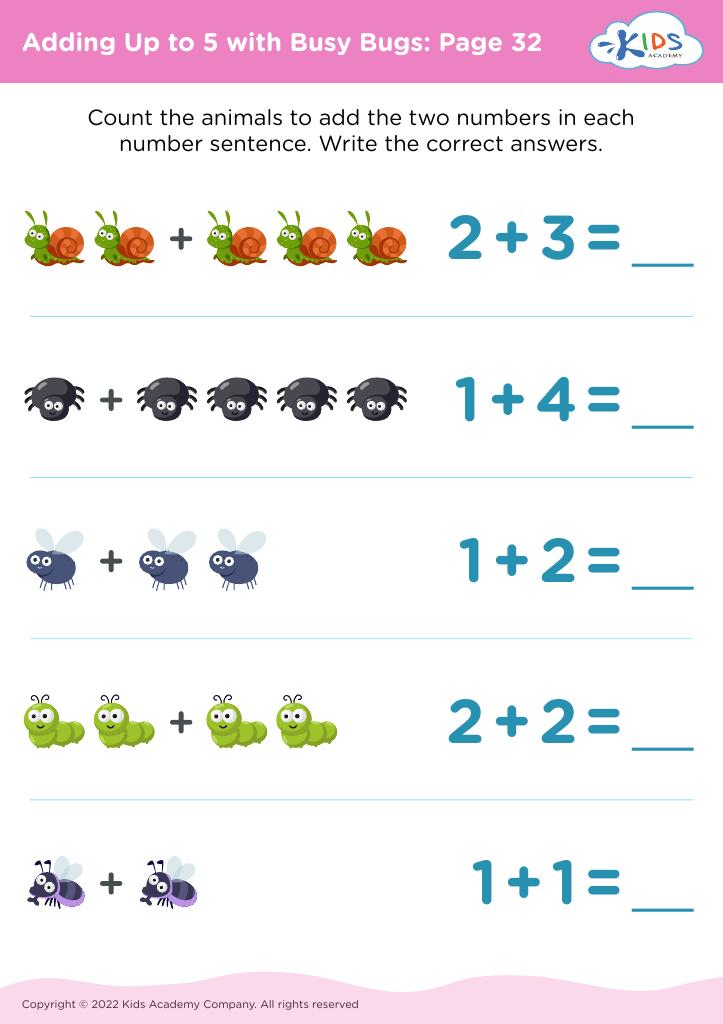
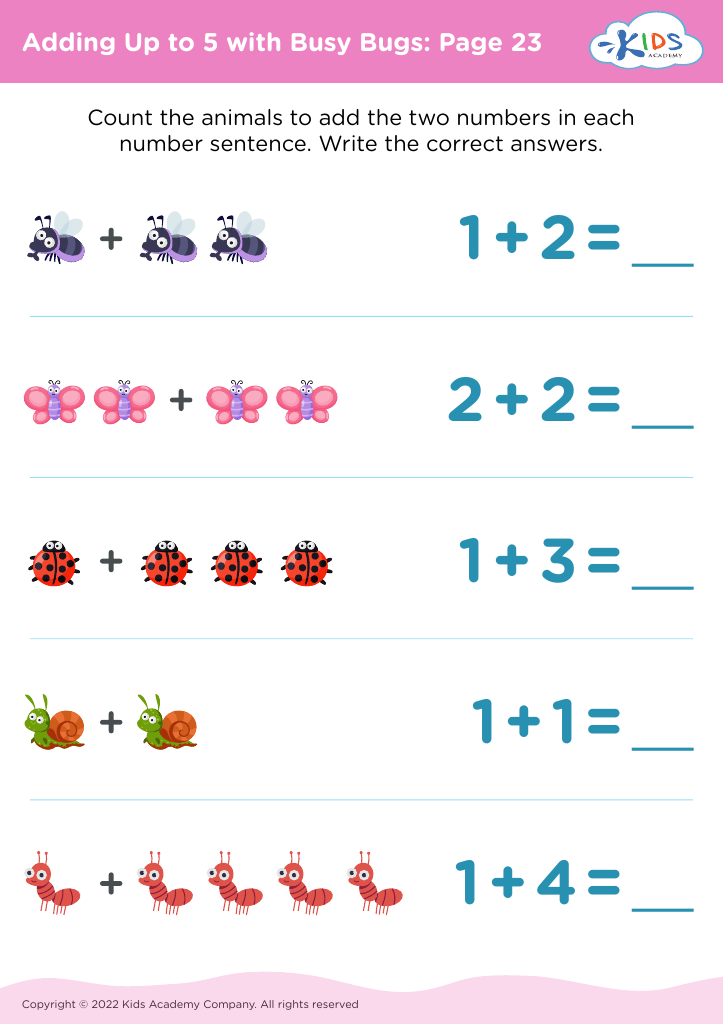
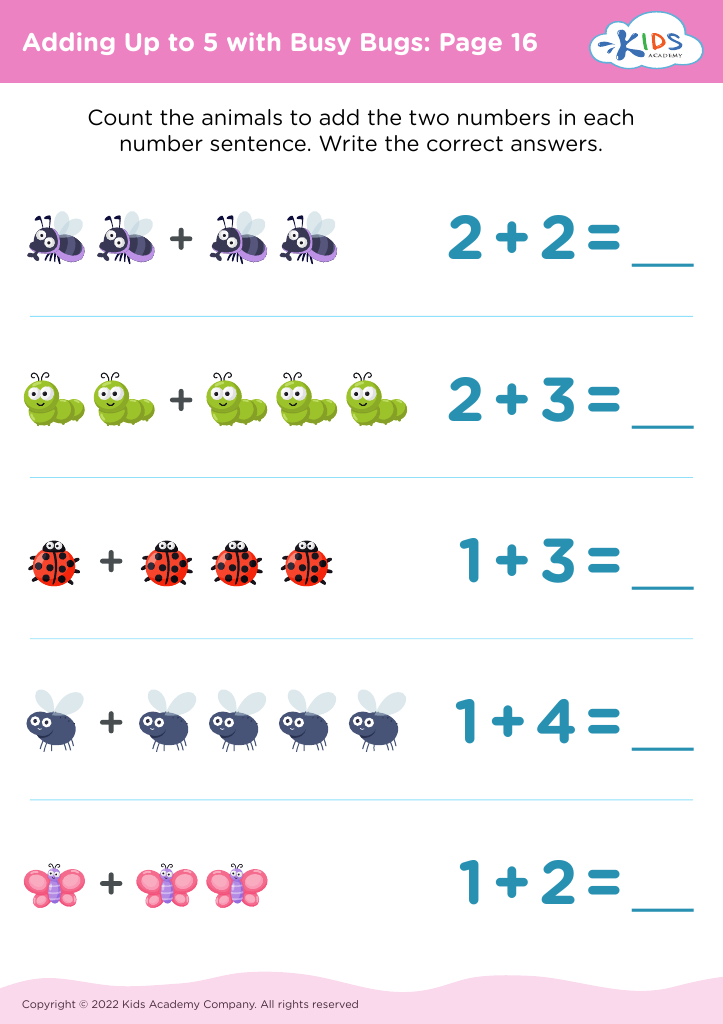
Discover our engaging Basic Math Concepts Math Worksheets designed for children ages 4-5! These worksheets provide a fun and interactive way for young learners to grasp essential math skills such as counting, number recognition, basic addition and subtraction, and understanding shapes. Each printable worksheet is tailored to capture the attention of early learners, fostering their curiosity and love for math. Our resources include vibrant illustrations and age-appropriate activities that encourage hands-on learning and boost confidence. Perfect for parents and educators alike, these worksheets will lay a solid foundation for your child's mathematical journey. Start exploring fun-filled learning today!
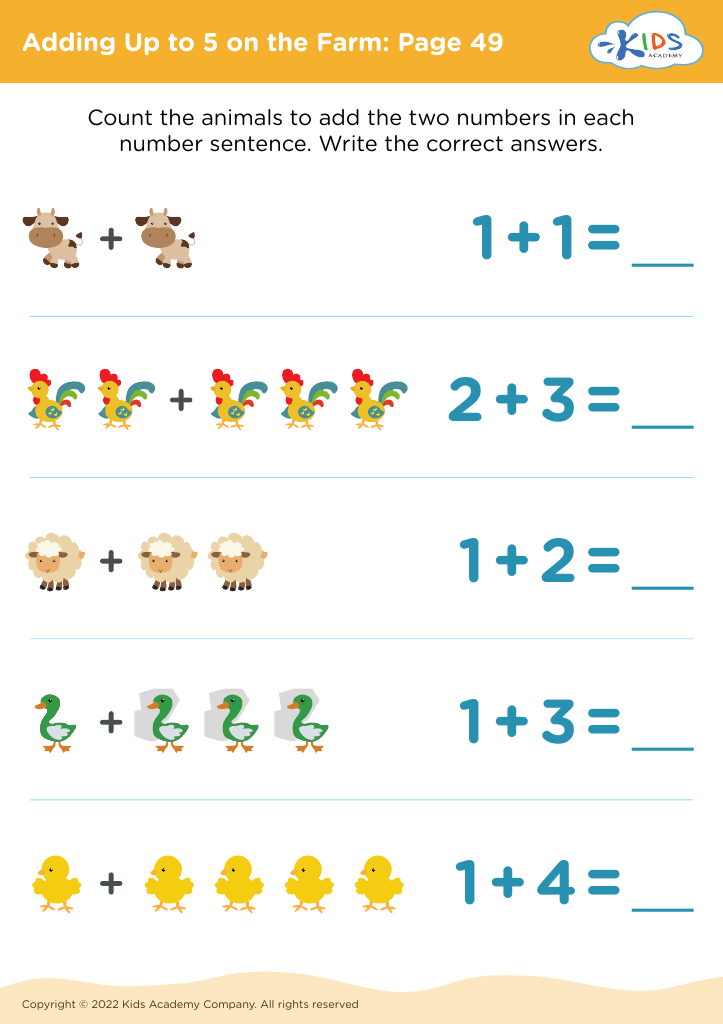
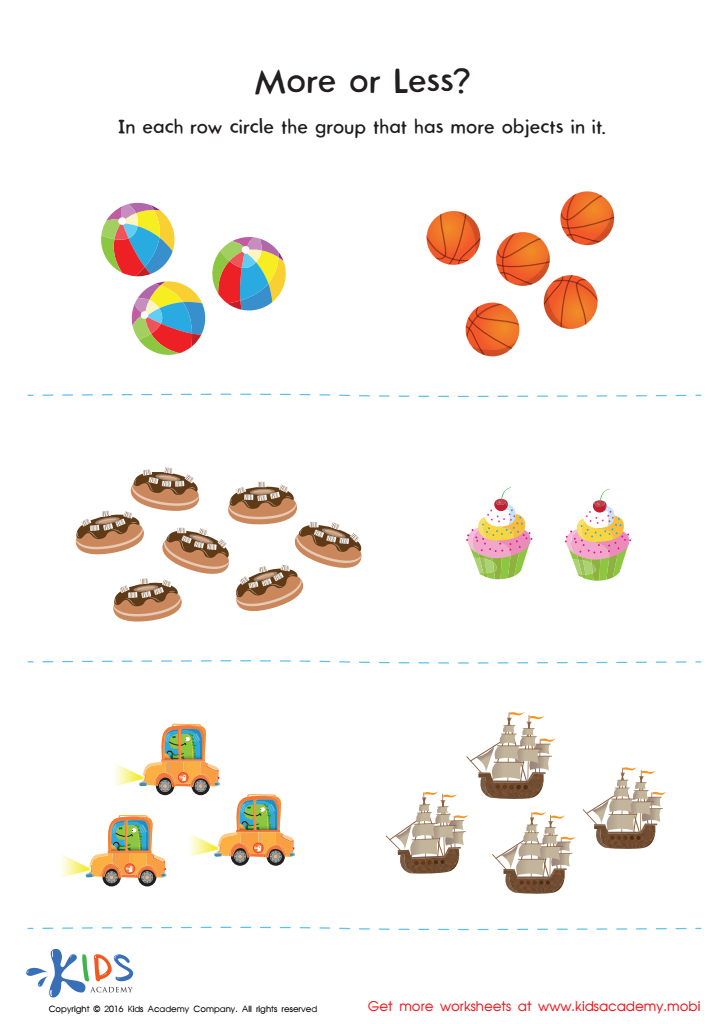
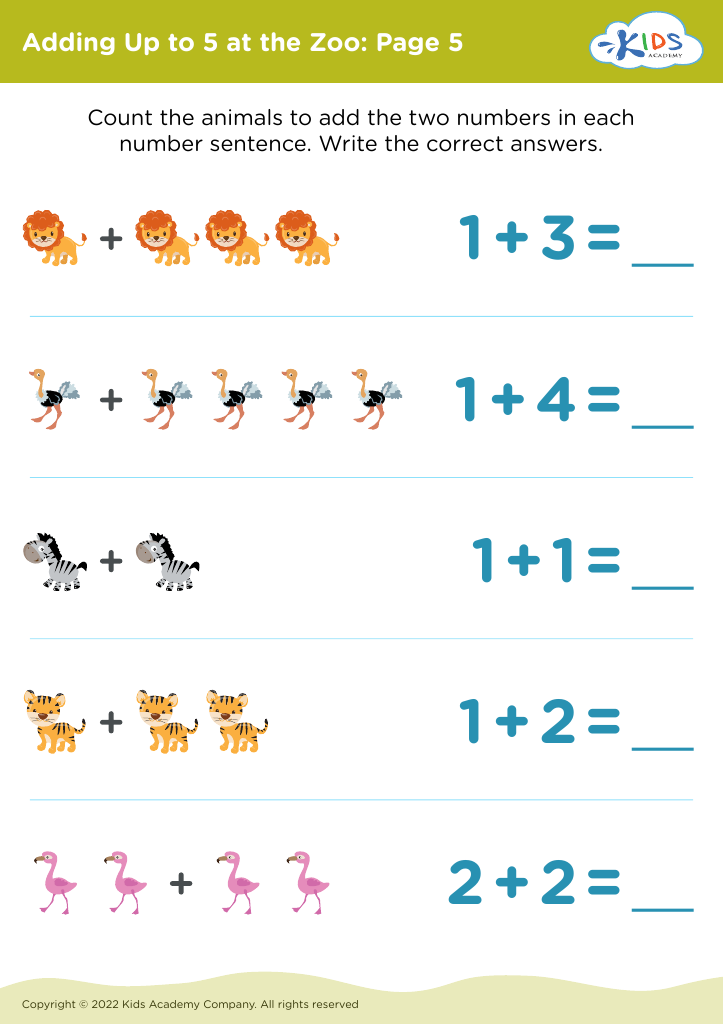
 Assign to My Students
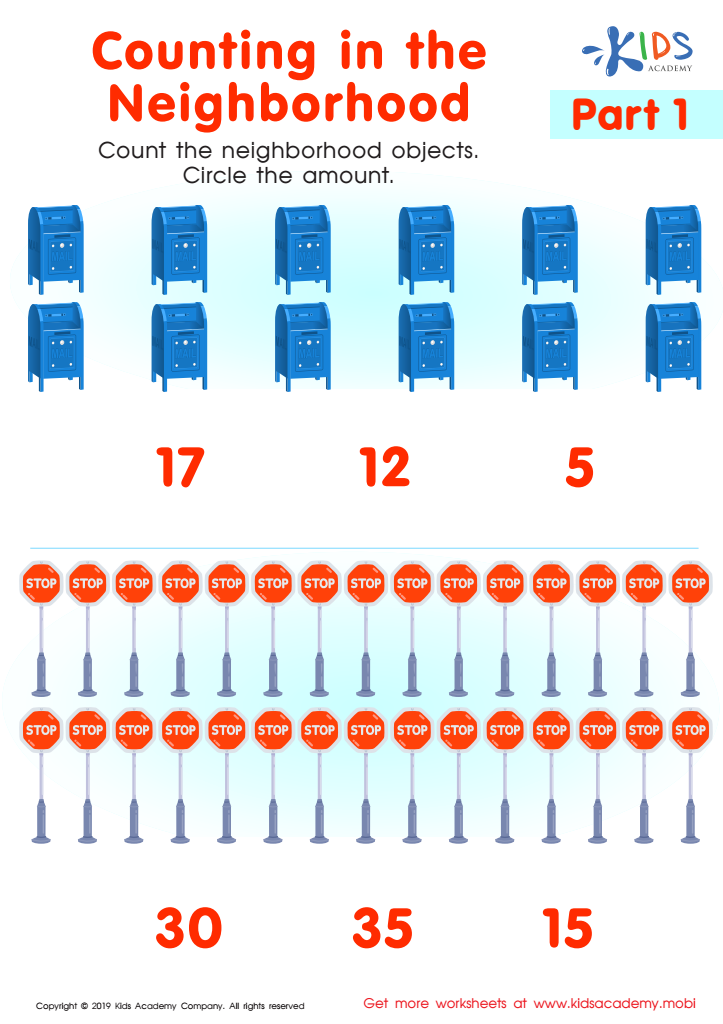
Counting in the Neighborhood Part1 Worksheet
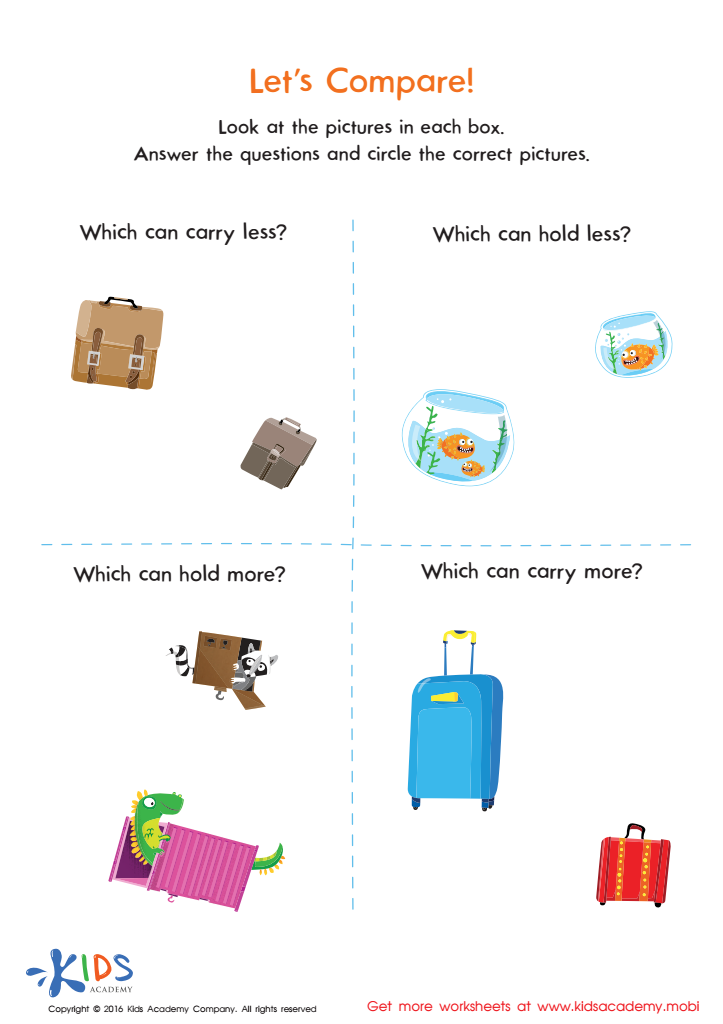
Let's Compare Worksheet: Big or Small
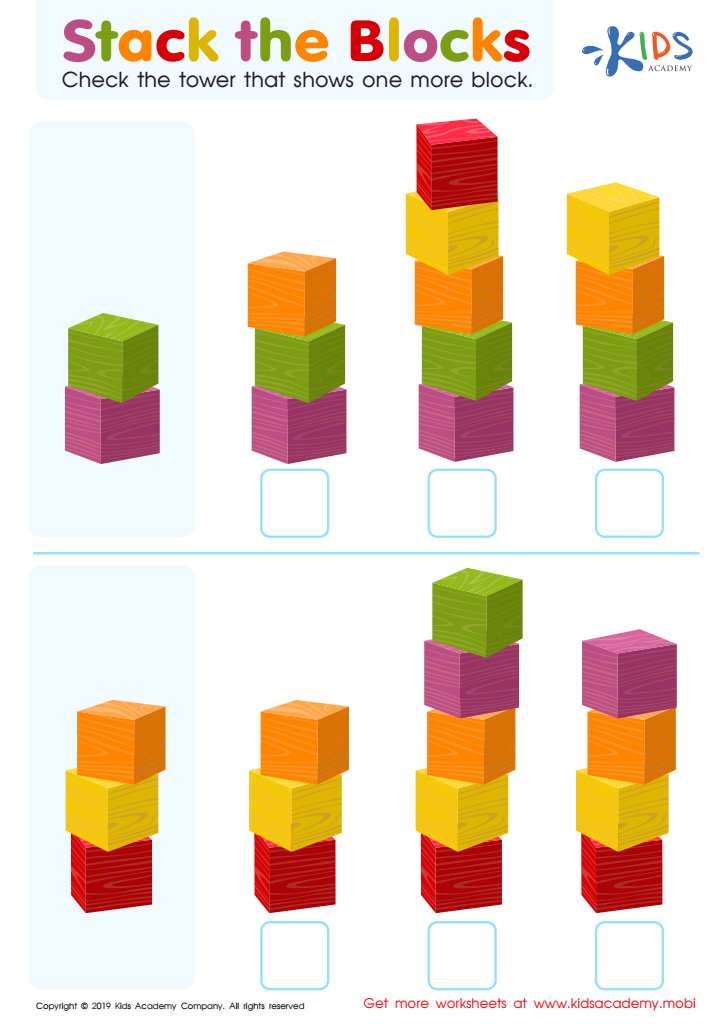
Stack the Blocks Worksheet
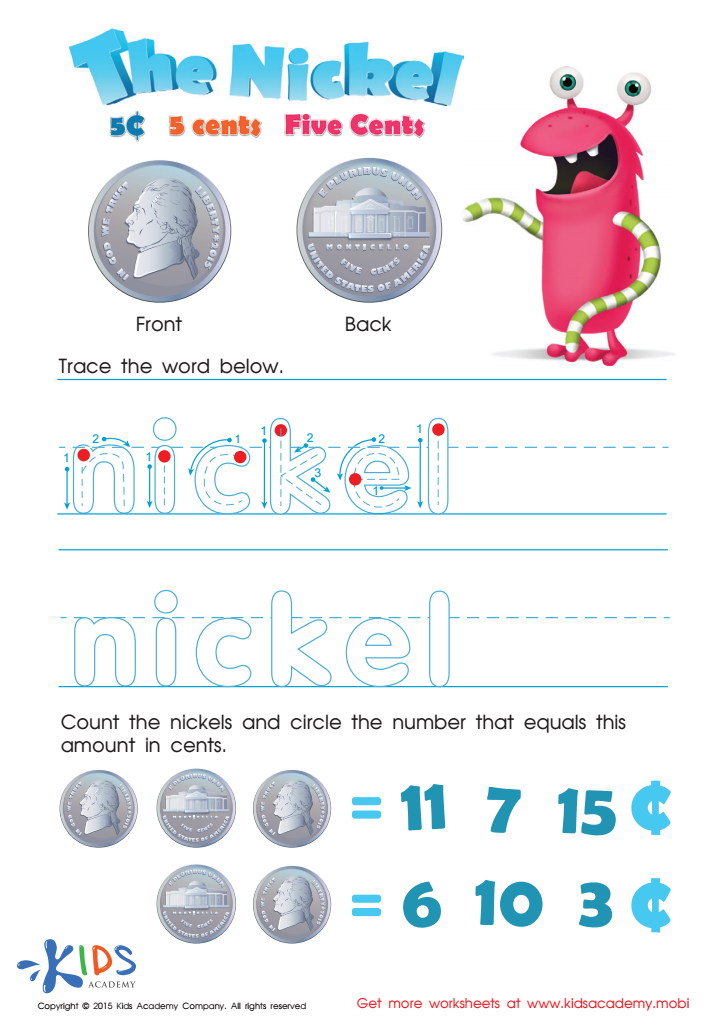
Five Cents or the Nickel Money Worksheet



.jpg)

.jpg)


Parents and teachers should prioritize basic math concepts for ages 4-5 because this early stage of development lays the foundation for lifelong mathematical understanding. At this age, children begin to grasp essential skills such as counting, number recognition, and simple addition and subtraction—all crucial for later, more complex math concepts.
Engaging with basic math fosters critical thinking and problem-solving skills, which are invaluable not only in mathematics but across all areas of learning. By introducing math in a playful and interactive manner, educators can harness children's natural curiosity, transforming learning into an enjoyable experience.
Furthermore, early exposure to math concepts enhances cognitive development, helping children learn patterns, sequences, and relationships. This cognitive growth is linked to improved literacy skills, higher academic performance, and increased confidence in their abilities.
Moreover, instilling a positive attitude toward math at a young age reduces future math anxiety, empowering children to tackle math challenges with resilience. Ultimately, strong foundational math skills support children in becoming competent, confident learners, equipping them with essential life skills that extend beyond the classroom. Investing in early math education can greatly shape a child's academic trajectory and overall success.








