Basic Math understanding Math Worksheets for Ages 4-5
10 filtered results
-
From - To
Welcome to our Basic Math Understanding Worksheets for Ages 4-5! These engaging and colorful resources are designed to introduce young learners to essential math concepts in a fun and interactive way. Our worksheets cover foundational skills such as counting, number recognition, simple addition, and subtraction, all tailored to support early development in math. Each activity fosters critical thinking and boosts confidence in young minds as they explore numbers through playful exercises. Ideal for both classroom and home use, these worksheets provide a perfect starting point for preschoolers to embark on their mathematical journey. Let's make learning math enjoyable for your little one!
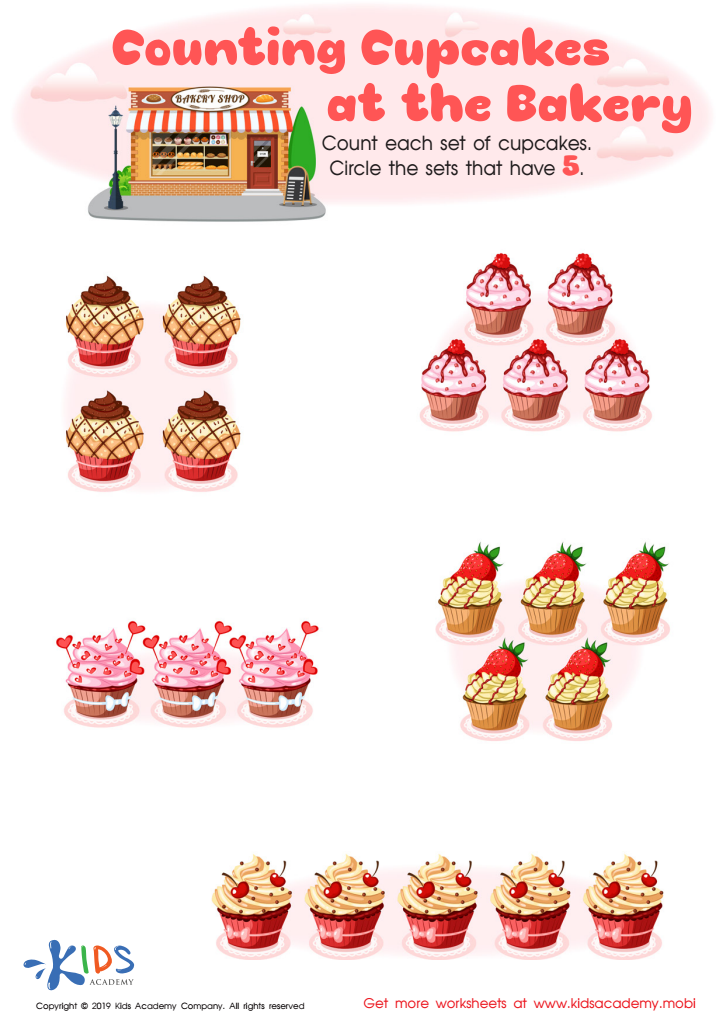
Counting Cupcakes Worksheet
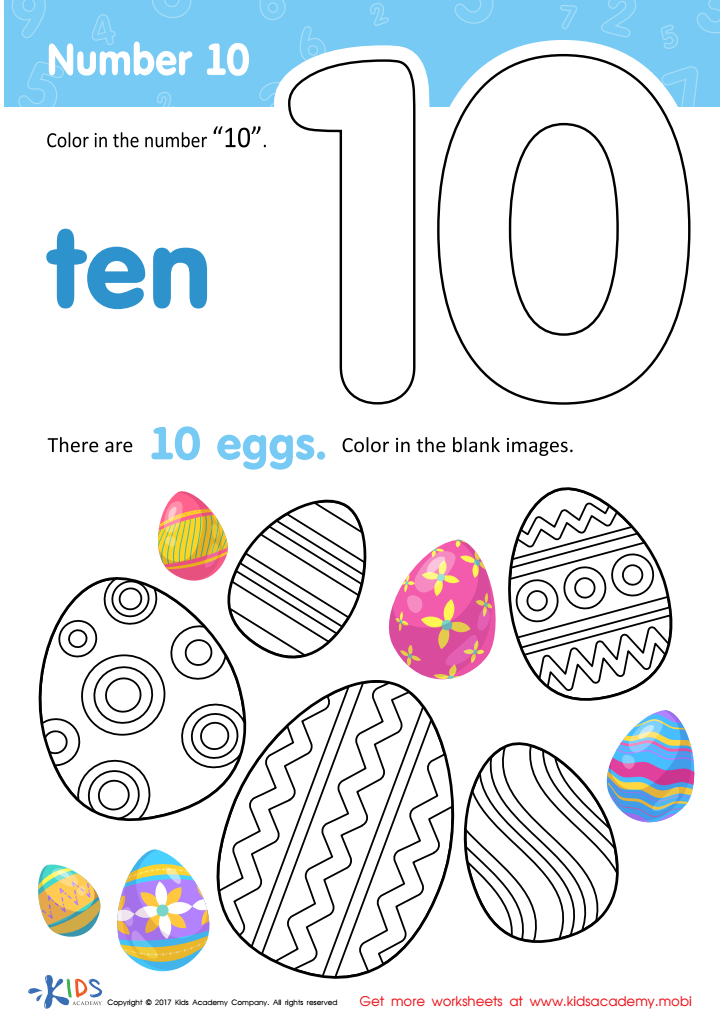
Number 10 Printable
 Assign to My Students
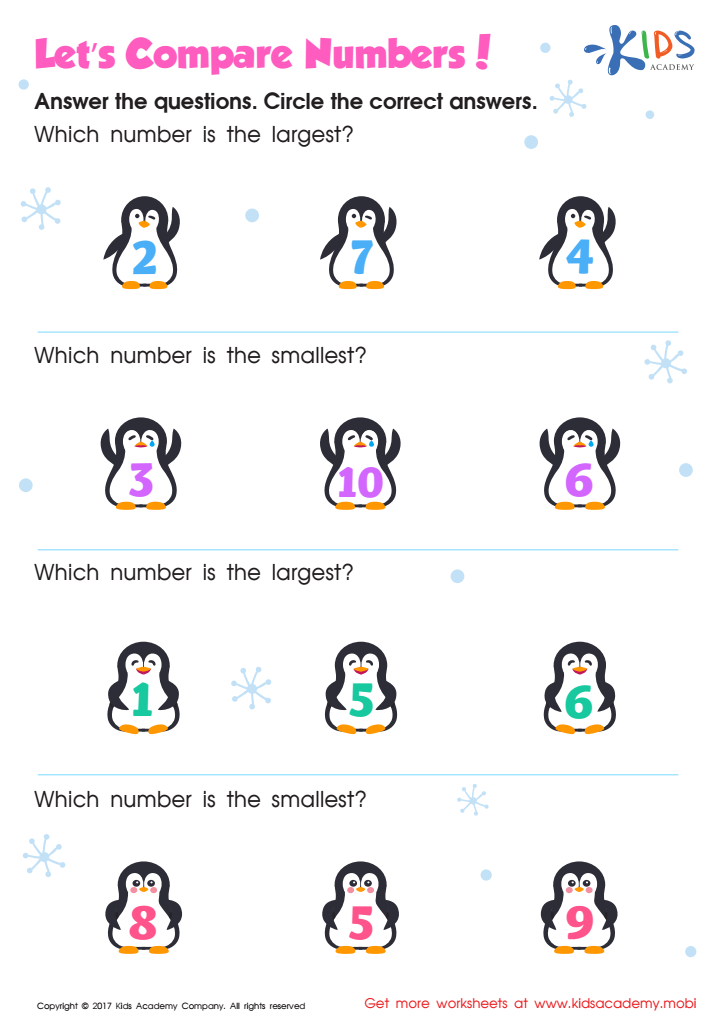
Comparing Numbers 1–10 Worksheet Kindergarten
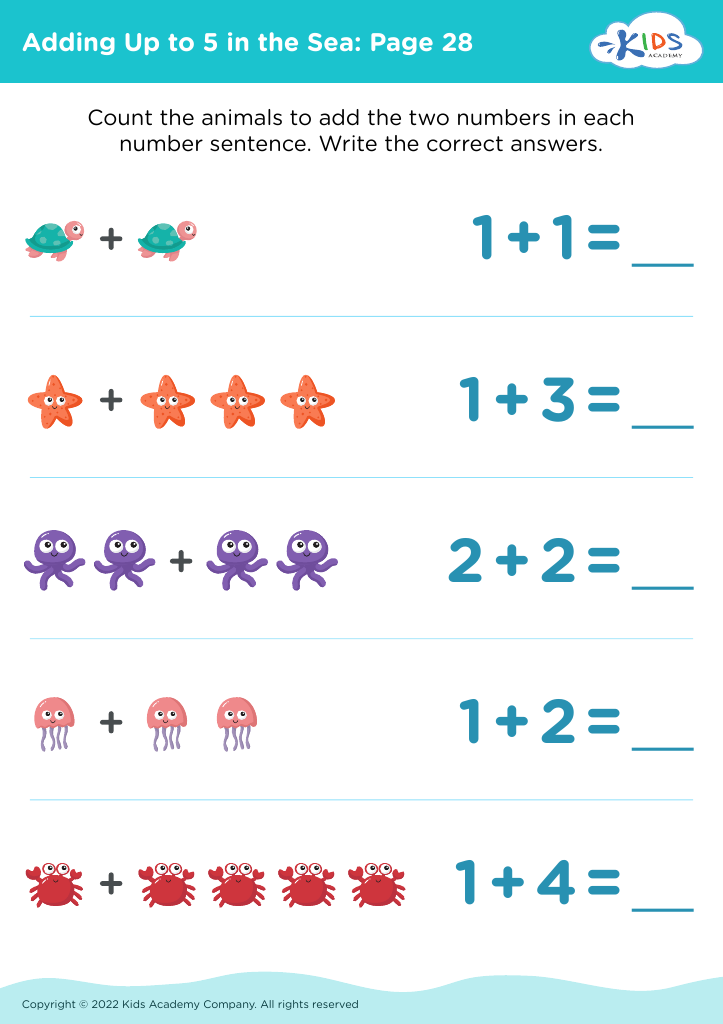
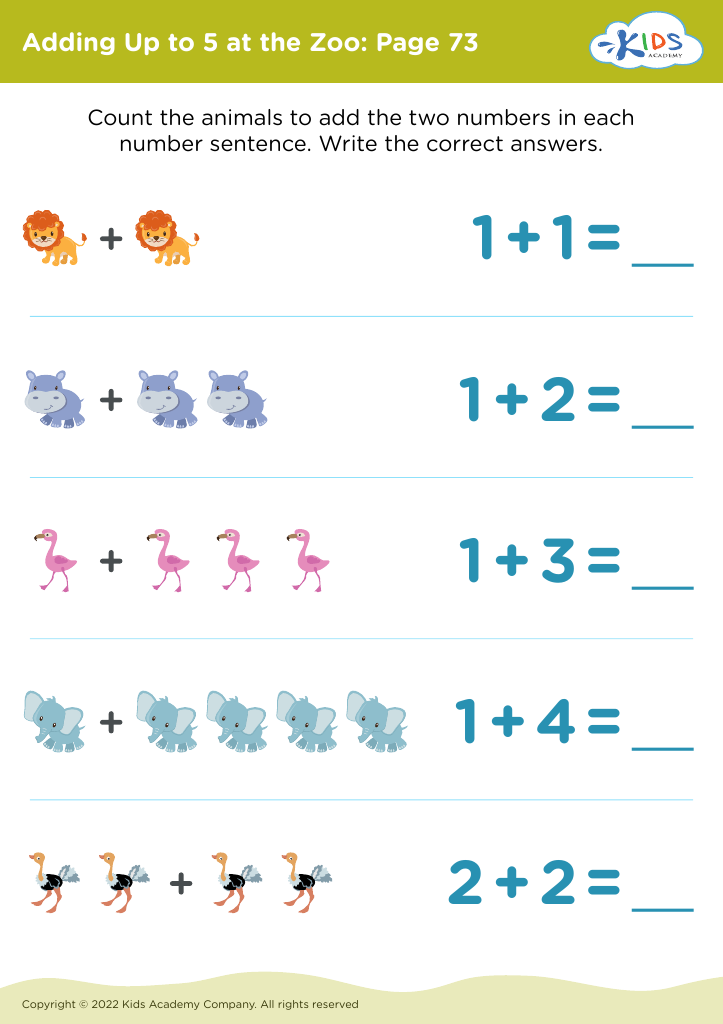
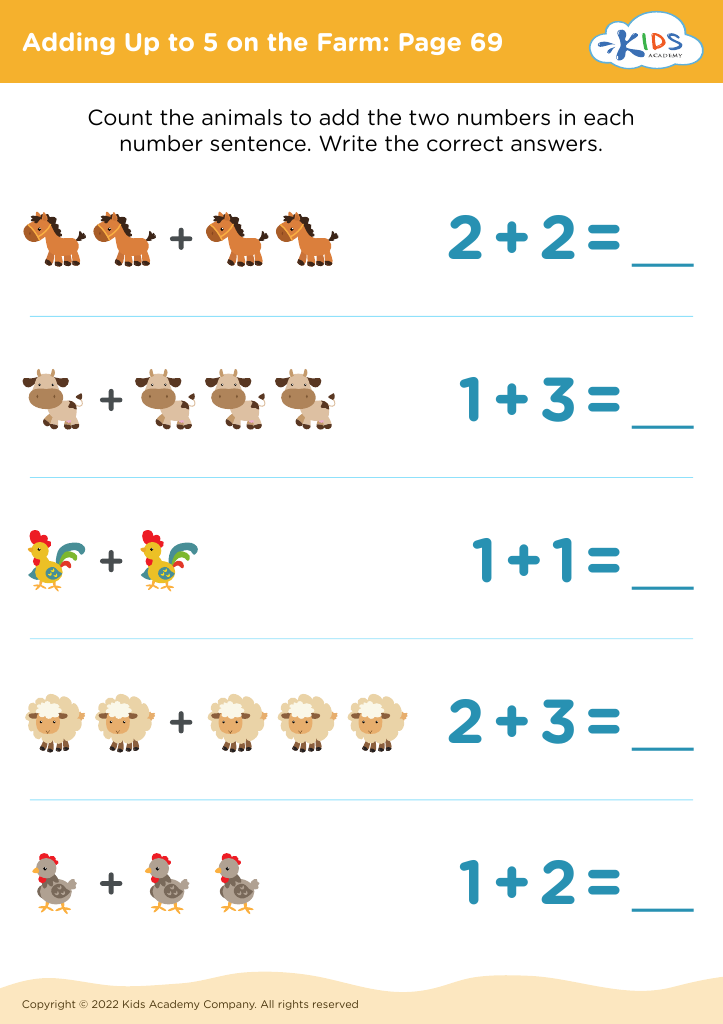
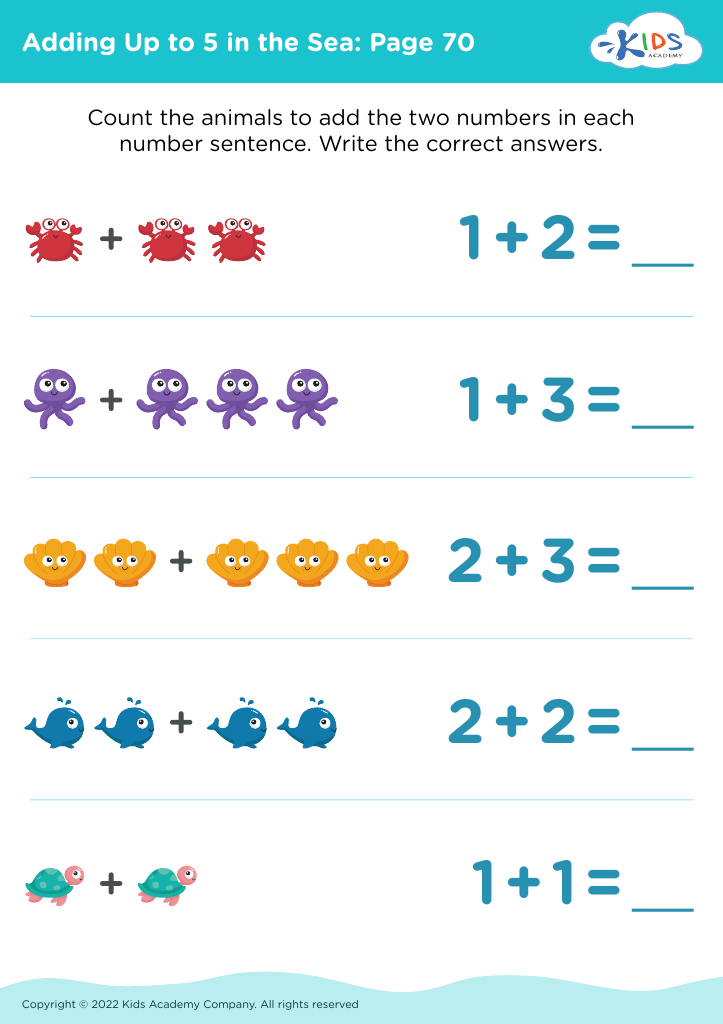
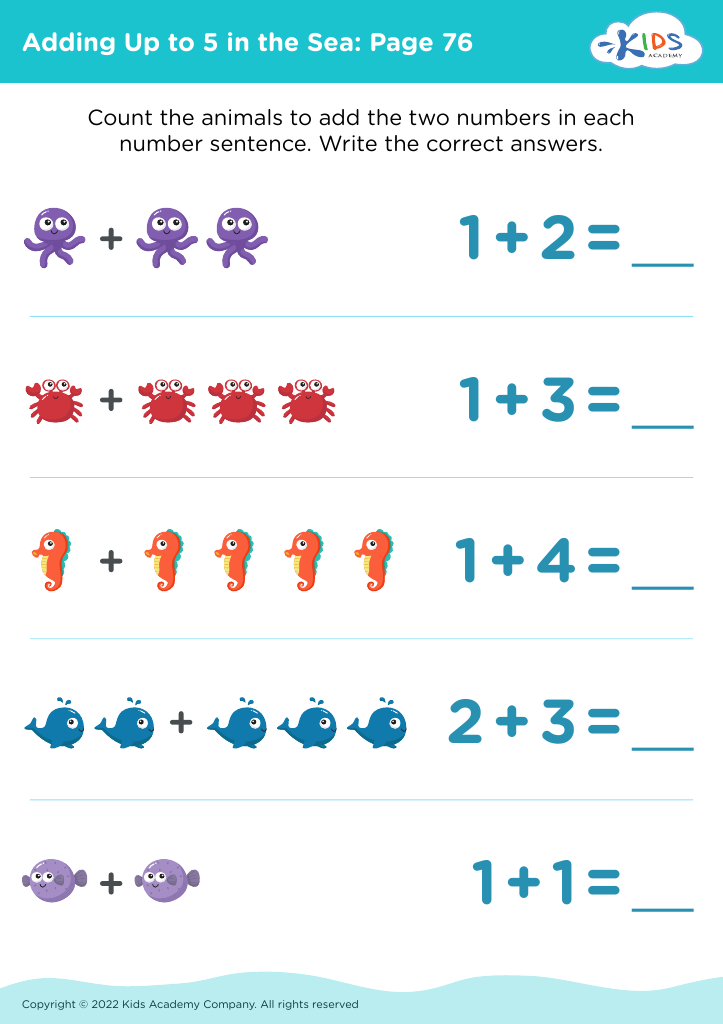
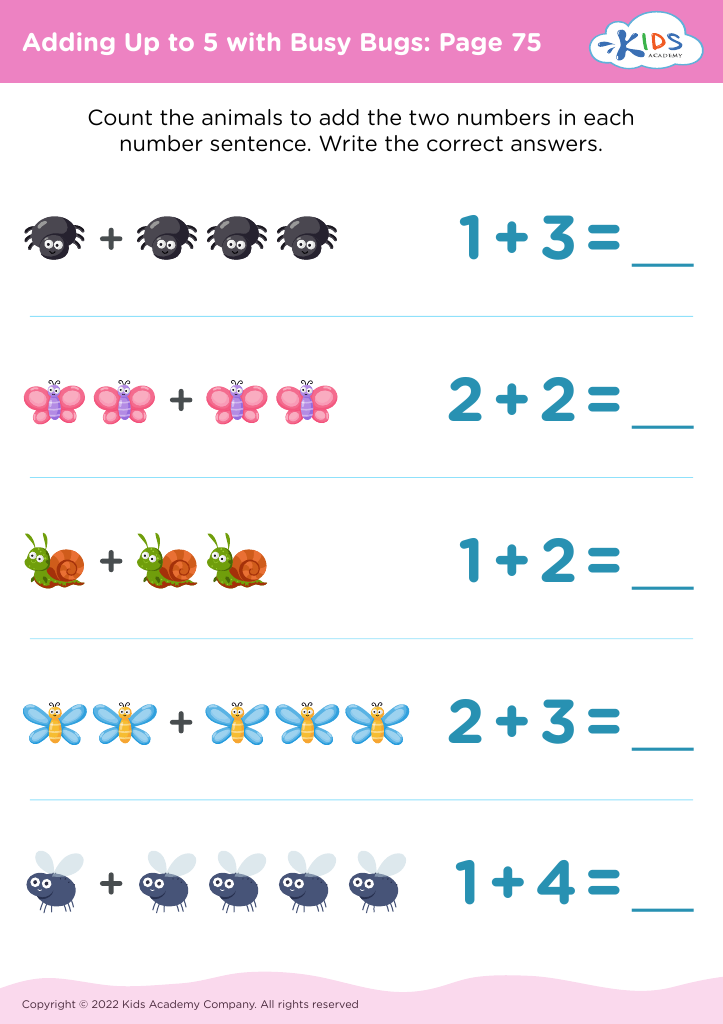
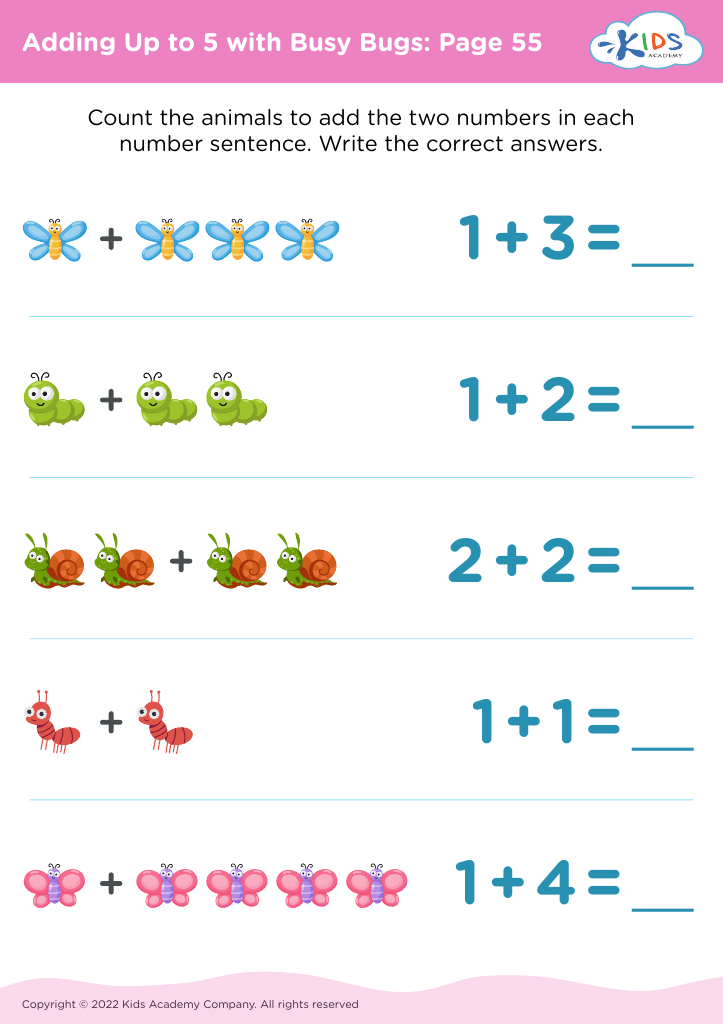








Understanding basic math concepts at the ages of 4-5 lays a crucial foundation for a child's future learning and development. During these formative years, children are naturally curious and eager to explore the world around them. Introducing fundamental math skills, such as counting, recognizing numbers, and understanding simple addition and subtraction, nurtures their cognitive abilities and enhances their problem-solving skills.
Parents and teachers play a vital role in this early education journey. Engaging children with interactive math activities, such as counting objects during playtime or using everyday situations to teach math, fosters a positive attitude toward learning. Such experiences not only build math literacy but also contribute to critical thinking and logical reasoning, skills essential for academic success later on.
Additionally, early math understanding supports emotional and social development. It encourages children to collaborate in group activities and boosts their self-confidence when they successfully solve a problem. Being proficient in basic math concepts by the time they enter primary school allows children to tackle more complex subjects with ease. Thus, investing time and effort into nurturing math skills at this age is vital, helping children thrive academically and socially throughout their educational journey.








